


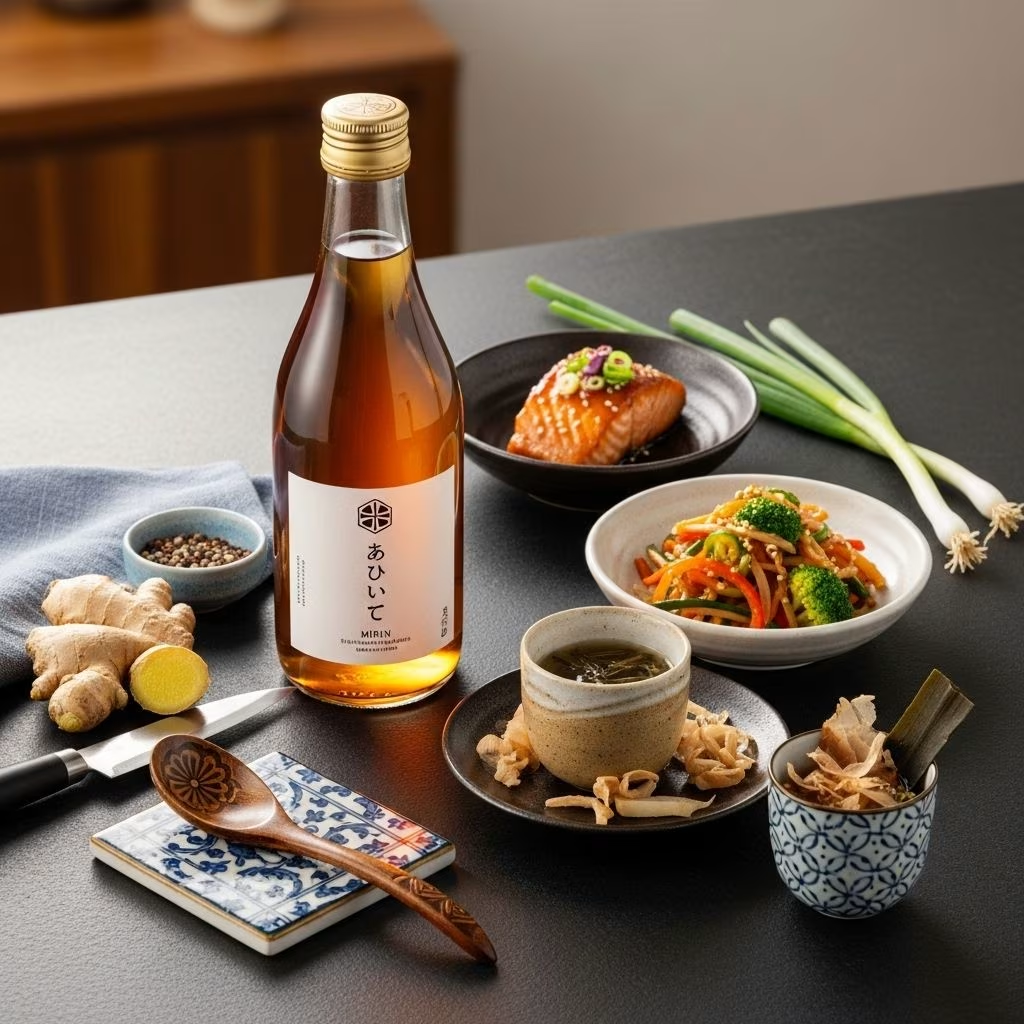
Mirin, a cornerstone of Japanese cuisine, is much more than a sweet cooking wine. With its characteristic mild sweetness, subtle acidity, and the ability to transform the flavors and appearance of food, mirin is found in countless classic dishes, from teriyaki to hot pots. Understanding mirin’s intricacies—its types, history, benefits, and uses—sheds light on the very foundation of Japanese flavor.
Introduction to Mirin
Mirin (みりん, 味醂) is a sweet rice wine and an integral seasoning in Japanese cooking. Often compared to sake, mirin features lower alcohol content (typically about 14%), a syrupy consistency, and a delicate but prominent sweetness derived from rice fermentation. Unlike rice vinegar, which delivers acidity, or sake, which primarily adds umami, mirin infuses dishes with a gentle sweetness, sheen, and depth.
Historically, mirin was originally consumed as a luxury drink for upper classes, but by the Edo period, it had become more widespread as a cooking ingredient. Today, you’ll find mirin in virtually every Japanese home kitchen and professional establishment, celebrated for its transformative effect on both flavor and presentation.
Mirin in Japanese Cuisine
Mirin is one of the five core pillars of Japanese seasoning, alongside shoyu (soy sauce), sake, miso, and rice vinegar. Its role is so pivotal that it appears in countless traditional recipes—sauces, glazes, braises, and broths.
Typical Japanese dishes that rely on mirin include:
- Teriyaki Sauce: Mirin provides sweetness and gloss to the iconic teriyaki glaze.
- Broths (e.g., nabe, sukiyaki): Mirin gently seasons and enhances dashi-based soups and hotpots.
- Tsuyu and Tare Sauces: Mirin forms the base of noodle dipping sauces and yakitori glazes.
- Marinades: It is often combined with soy sauce and sake to balance umami and salt.
- Unagi (Eel) Sauce: Mirin is key for the characteristic sweetness and shine.
- Nikujaga: Japan’s quintessential “meat and potatoes” stew balances savory and sweet with mirin.
Its role often extends beyond flavor, giving dishes a glossy sheen and helping to mask unwanted odors, particularly from fish and seafood.
How Mirin Is Made
Traditional mirin production follows a meticulous fermentation process:
- Main Ingredients: Steamed glutinous rice, rice koji (a mold-inoculated rice starter), and shochu (a distilled spirit made from grains or sweet potatoes).
- Fermentation: The mixture ferments for approximately 40–60 days. Enzymes in the koji break down rice starches into sugars, creating the signature sweetness, while also producing organic acids and aroma compounds.
- Alcohol Content: Finished hon mirin typically contains 14% alcohol and 0% salt.
- Aging: Some prized varieties are aged for several months to years for deeper flavor.
Mass-produced and mirin-like condiments may use syrups, sugar, and additives to approximate the flavor and consistency, but true hon mirin remains the gold standard.
Types of Mirin
Mirin comes in several varieties, each with specific production methods and culinary applications. Understanding the differences helps choose the right mirin for your dish.
| Type | Characteristics | Main Culinary Uses |
|---|---|---|
| Hon Mirin (Real Mirin) | Traditional; 14% alcohol, no salt; complex aroma, deep sweetness. | Sauces, marinades, glazes; prized for authentic flavor. |
| Aji Mirin (Mirin-style Seasoning) | Usually 8% alcohol, added sugar and salt; cheaper. | General cooking; suitable for recipes that don’t require premium taste. |
| Mirin-fu (Mirin-like Condiment) | Little or no alcohol; made with syrup, water, salt, and vinegar. | Convenient, often alcohol-free alternative; not as nuanced in flavor. |
When authentic Japanese flavor is essential, true hon mirin is preferred. However, many supermarkets stock only aji mirin or mirin-fu, which can also serve most home-cooking needs with decent results.
Nutritional Value & Benefits of Mirin
Mirin, while primarily used as a flavor enhancer, offers subtle nutritional and functional benefits:
- Natural Sweetener: The sweetness in mirin is a result of fermentation, providing a more complex flavor than refined sugar.
- Source of Umami and Aroma Compounds: Amino acids and ethyl compounds from fermentation promote savory notes and pleasant scent.
- Preservative Qualities: Alcohol content and acidity can slightly increase the shelf life of dishes.
- Tenderizes Proteins: Helps break down meat fibers for a more tender texture.
- Low in Fat: Contributes virtually no fat or cholesterol.
- Shelf Stability: High sugar and moderate alcohol keep mirin stable for months if stored properly.
Commercial mirin-like products may contain added sugars and sodium; always check labels if dietary restrictions apply.
The Taste Profile of Mirin
What makes mirin distinct is its nuanced, multi-dimensional flavor:
- Sweetness: Mirin’s sweetness is gentle, not cloying, and stems from natural rice saccharides rather than processed sugars.
- Tanginess: Natural fermentation lends a mild, balanced acidity.
- Umami: Enzymatic breakdown of proteins releases amino acids, imparting savoriness that enhances other ingredients.
- Aromatic Notes: Subtle notes of ethyl ferulic acid and esters provide floral, sometimes honeyed characteristics.
- Smooth, Syrupy Texture: Contributes to mouthfeel and helps glazes adhere.
This delicate equilibrium of sweet, sour, and umami makes mirin a powerful, versatile ingredient in both savory and select sweet applications.
Culinary Uses of Mirin
Mirin’s versatility in the kitchen extends across many cooking methods:
- Seasoning: Fundamental in sauces (teriyaki, sukiyaki, unagi), broths, and stews.
- Glazing Agent: Provides the shiny, lacquered appearance on grilled or baked meats and fish.
- Marinades: Combined with soy sauce and sake to balance saltiness and soften proteins.
- Reducing Fish Odors: Alcohol and sugars help mask fishy notes, especially with fatty fish.
- Desserts: Thoughtfully incorporated into some wagashi (traditional sweets) and fruit glazes.
In modern kitchens worldwide, mirin is also embraced in dressings, Asian-inspired barbecue sauces, and even cocktails for a touch of exotic flavor.
Mirin vs Other Japanese Condiments
| Condiment | Main Flavors | Main Use |
|---|---|---|
| Mirin | Sweet, mildly acidic, umami | Glazes, marinades, sauces, broths |
| Sake | Umami, subtle sweetness, sharpness | Seasoning, deglazing, drinking |
| Soy Sauce (Shoyu) | Salty, umami, slightly sweet | Universal seasoning and dipping |
| Rice Vinegar | Acidic, clean | Pickling, sushi rice, dressings |
Mirin’s essential distinction is its syrupy sweetness, which harmonizes and rounds out dishes in ways saltier or more acidic seasonings cannot.
Different Ways to Use Mirin
- Glazing Roasts: Brush over baked salmon or chicken for extra sheen and flavor depth.
- Sauces and Dressings: Whisk with soy sauce and ginger for salad dressings or dipping sauces.
- Braising Stock: Add to simmering broths for Japanese-style sukiyaki or nikujaga.
- Marinating: Use in a 1:1:1 ratio with soy sauce and sake for quick, flavorful marinades.
- Mocktails and Cocktails: Integrate bit by bit to add a sophisticated sweetness (especially when using hon mirin).
Whether brushed, whisked, or simmered, a little mirin goes a long way in flavor development and visual appeal.
How to Buy and Store Mirin
- Buying: Look for “hon mirin” for authentic flavor; avoid varieties with excess additives or labeled “mirin-style” or “mirin-fu” if you want traditional results. Imported brands from Japan are premium, but good-quality domestic brands are often available in Asian markets.
- Storage: Unopened hon mirin should be kept in a cool, dark place; after opening, store in the refrigerator for up to three months. Some sugar crystallization is normal but does not indicate spoilage.
Substitutes for Mirin
- Sake and Sugar: Mix 1 tablespoon of sake with 1 teaspoon of sugar for each tablespoon of mirin needed.
- White Wine or Sherry with Sugar: Use as a last resort; similar sweetness but less complex flavor.
- Rice Vinegar and Sugar: Mimics mirin’s tang and sweetness, but use only when no alcohol content is desired.
While these substitutes can mimic mirin’s sweetness, only real hon mirin delivers its unique aroma and depth.
Safety and Allergy Considerations
- Alcohol: Properly cooked dishes using mirin usually evaporate most alcohol, but caution is advised for children, pregnant individuals, or those avoiding alcohol.
- Gluten and Additives: Real hon mirin is gluten-free, but mirin-like condiments may have additives; always check labels if you have dietary sensitivities.
- Sugar Content: High sugar content means moderation is recommended for those with dietary restrictions.
Frequently Asked Questions (FAQs)
Q: Is mirin the same as sake?
A: No. Sake is a traditional Japanese rice wine primarily consumed as a beverage, while mirin is a sweetened rice wine used for cooking. Mirin contains less alcohol than sake and is much sweeter.
Q: Can mirin be consumed directly?
A: Hon mirin was historically enjoyed as a beverage, but due to its syrupy texture and sweetness, it is now almost exclusively used as a culinary ingredient.
Q: Is there a non-alcoholic mirin?
A: Yes, “mirin-fu” or mirin-like seasonings are typically alcohol-free. They are designed to mimic mirin’s taste.
Q: How do I store opened mirin?
A: After opening, keep hon mirin refrigerated for optimal freshness. If sugar crystallizes at the bottom, it is safe to use.
Q: Can I use mirin in desserts?
A: Yes, mirin’s subtle sweetness can complement certain fruit compotes, glazes, and Japanese-style sweets, but it is used sparingly to avoid overpowering flavor.
Q: Does mirin add significant calories to dishes?
A: Mirin contains moderate sugar content, so use with care if counting calories or watching sugar intake. In typical amounts for flavoring, its caloric contribution is modest.
Mirin remains a hidden gem for those wanting to capture the authentic elegance of Japanese cuisine. Its ability to unify, balance, brighten, and enhance makes it indispensable in the kitchen for anyone passionate about world flavors.


