


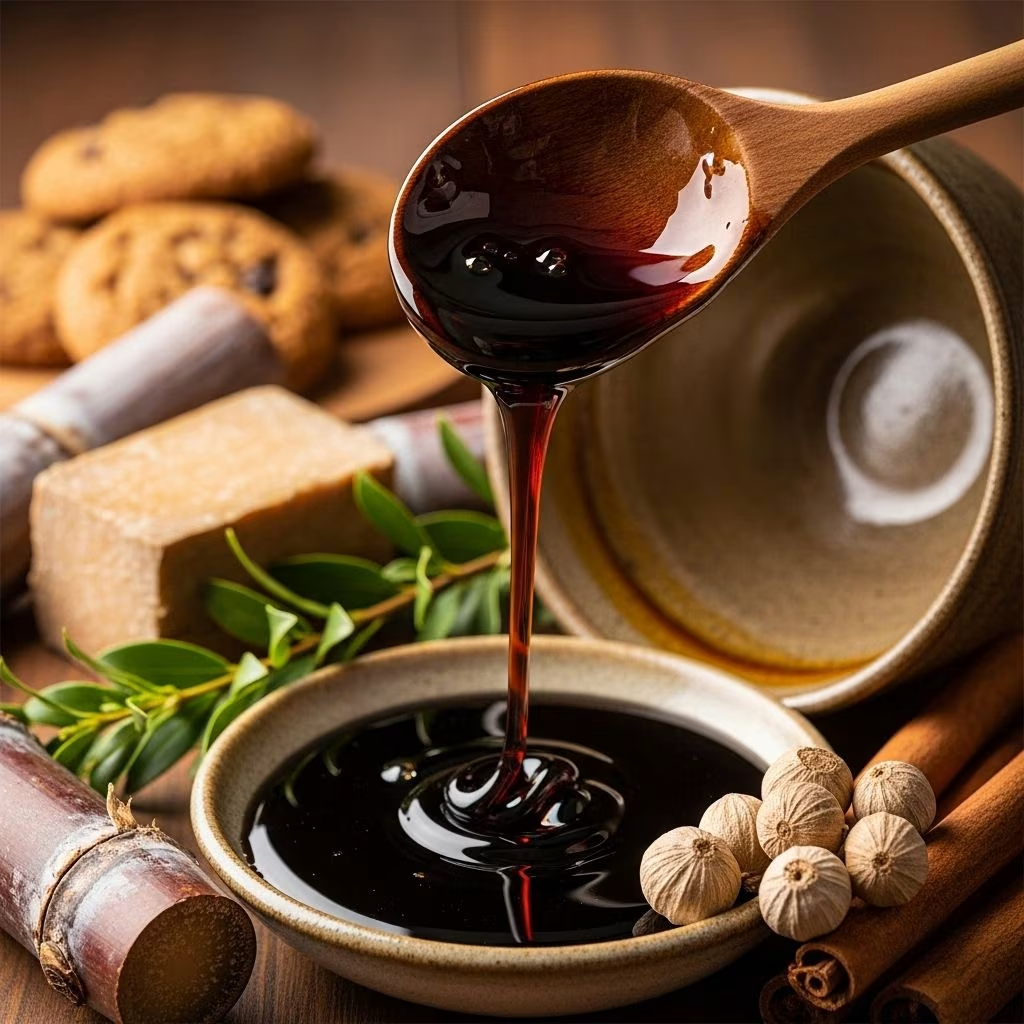
Introduction to Molasses
Molasses is a thick, dark syrup produced as a byproduct during the extraction and crystallization of sugar from sugarcane or sugar beet juice. Revered for its rich color, robust flavor, and array of nutrients, molasses has long been used in both culinary and industrial contexts as a sweetener, flavor enhancer, and even as an ingredient in traditional remedies.
The etymology of “molasses” originates from the Portuguese word melaço, which is derived from mel meaning “honey”. Historically, molasses was widely used as a sweetener in the Americas prior to the 20th century, and it remains integral to a variety of regional cuisines and products including rum and brown sugar.
Production Methods and Types of Molasses
The process of making molasses involves several stages:
- Harvesting sugarcane or sugar beets
- Extracting juice by crushing, mashing, or cutting
- Boiling the juice to concentrate sugars and promote sugar crystallization
- Separating the crystals—molasses is the syrup remaining after sugar removal
The boiling and extraction process can be repeated multiple times, resulting in different grades of molasses with varying sugar content, color, and flavor:
Types of Molasses
| Type | Extraction/Boiling | Color | Taste | Main Uses |
|---|---|---|---|---|
| Light Molasses | First boiling | Light brown | Sweetest | Baking, sweets |
| Dark Molasses | Second boiling | Darker brown | Less sweet, robust | Baking, rich flavor to foods |
| Blackstrap Molasses | Third boiling | Deepest, nearly black | Bitter, strong | Health foods, animal feed, industrial uses |
Molasses can also be made from grapes, although sugarcane and sugar beet varieties are most common.
Sugarcane vs. Sugar Beet Molasses
- Sugarcane Molasses: Used more for culinary purposes; higher sugar content and palatability.
- Sugar Beet Molasses: Often less sweet, lower sugar content, primarily used in animal feed and industrial applications.
Nutritional Profile of Molasses
Molasses is not only a sweetener but also a source of vitamins and minerals often lacking in refined sugar. Its nutritional composition varies based on type and source, but common nutrients present in molasses include:
- Carbohydrates (mainly sugars like sucrose, glucose, and fructose)
- Vitamin B6
- Iron
- Calcium
- Magnesium
- Potassium
- Small amounts of protein (more in beet molasses)
- Trace minerals such as copper and selenium
For example, blackstrap molasses contains approximately:
- 55% sucrose and other sugars
- 20% water
- 15% organic nonsugar compounds
- 10% ash (mineral content)
Beet molasses tends to have higher protein content due to specific compounds like betaine, which aid in biological functions and lipid accumulation.
Health Benefits of Molasses
While molasses should be consumed in moderation due to its sugar content, it offers some potential health benefits that distinguish it from other sweeteners:
- Rich in essential minerals: Blackstrap molasses is particularly noted for its iron, calcium, magnesium, and potassium content, which contribute to bone health, muscle function, and energy production.
- Source of antioxidants: Molasses contains compounds that help fight oxidative stress.
- May support digestive health: The nonsugar organic compounds in molasses can promote bowel movement regularity.
- Potential support for anemia: Due to its relatively high iron content, blackstrap molasses is sometimes recommended as a dietary supplement for those who need more iron (though not a replacement for medical treatment).
- Plant-based nutrition: Molasses is vegan and suitable for vegetarian diets, providing additional micronutrients not found in white sugar.
Despite these benefits, molasses is still high in sugar and should not be relied on as a primary source of nutrition.
Culinary Uses and Cooking Applications
Perhaps the most well-known role of molasses is in cooking. Its complex flavor, ranging from sweet to bittersweet and slightly smoky, makes it popular in recipes worldwide. Key culinary uses include:
- Baking: Used in gingerbread, cookies, cakes, and breads for its deep color and moisture-retaining properties.
- Sweetener for sauces and marinades: Adds complexity to barbecue sauces, glazes, and baked beans.
- Base for rum and liquor: Fermented molasses is used in rum and other spirits.
- Brown sugar production: Molasses is the main constituent that gives brown sugar its color, flavor, and moist texture.
- Traditional dishes: Integral to classics like shoofly pie, Boston baked beans, treacle tart, and Madeira Island specialties.
- Sweetening cereals: Used as a topping on hot breakfasts, oatmeal, and porridge.
- Flavoring dairy: Sometimes stirred into milk for added sweetness and nutrients.
Popular Molasses Recipes
- Molasses cookies
- Gingerbread and ginger cake
- Pecan pie
- Pulled pork and barbecue sauces
- Homemade brown sugar
Molasses pairs well with spices such as cinnamon, ginger, and cloves, as well as with ingredients like nuts and dried fruits.
Industrial and Non-Culinary Uses
Apart from the kitchen, molasses has a broad array of applications, especially in industry and agriculture:
- Animal feed: Added to feed to improve palatability and provide energy, particularly in livestock nutrition.
- Fermentation: Substrate for producing ethanol, rum, vinegar, and citric acid.
- Soil amendment: Sometimes mixed into soil to promote microbial activity for healthier crops.
- Building material additive: Mixed into mortar to improve workability and slow setting.
- Health and livestock supplements: Used in animal supplements for its trace minerals and betaine content (beet molasses).
While cane molasses is edible and commonly used in foods, molasses from sugar beets is generally not considered palatable enough for most human uses and is mostly relegated to animal feed and industrial processes.
Taste Profile and Varieties
The flavor of molasses is one of its defining traits, which varies depending on the grade:
- Light Molasses: Mild, sweet, mellow; best for baked goods
- Dark Molasses: Deeper, more robust, slightly bittersweet; excellent for richer breads, cookies
- Blackstrap Molasses: Intense, complex, bitter and smoky; often an acquired taste and recommended more for health supplements and recipes where bold flavor is critical
The high mineral content, especially in blackstrap molasses, can impart a savory, almost salty undertone, which enhances its complexity in both sweet and savory dishes.
Comparing Molasses to Other Sweeteners
| Sweetener | Color | Taste | Nutrition | Common Uses |
|---|---|---|---|---|
| Molasses | Dark brown to black | Complex, sweet to bitter | Vitamins & minerals | Baking, sauces, health foods |
| Honey | Golden | Floral, sweet | Antioxidants, trace minerals | Tea, baking, desserts |
| Maple Syrup | Amber | Rich, caramel-like | Manganese, zinc | Pancakes, oatmeal |
| Corn Syrup | Clear/light | Very sweet | Mostly glucose | Candy, confectionery |
Buying, Storing, and Handling Molasses
Molasses is available in most supermarkets in light, dark, or blackstrap varieties. When buying molasses, look for:
- Color and clarity: Avoid any signs of fermentation, separation, or off-color.
- Packaging: Choose a tightly sealed, non-reactive container (glass recommended).
- Label: Check if it’s unsulfured (more natural, purer flavor), or sulfured (may be slightly bitter, preservative added).
Store molasses in a cool, dark location. Once opened, tightly seal the container and refrigerate if not used quickly to prevent fermentation or mold. Properly stored, it can last several months to a year.
Potential Side Effects and Considerations
Molasses, though nutritious, is high in sugar and should be consumed in moderation. Excessive intake may contribute to:
- Weight gain
- Blood sugar spikes—especially for those with diabetes
- Dental decay
Blackstrap molasses can have a strong, bitter flavor that is sometimes difficult to incorporate into recipes without overpowering the dish. Always read ingredient lists for sulfites or preservatives if sensitive, and consult a physician if considering molasses for therapeutic use relating to mineral deficiencies.
Frequently Asked Questions
Q: What makes blackstrap molasses different from regular molasses?
Blackstrap molasses is produced after the third boiling of sugarcane juice and retains the most concentrated nutrients and a bold, bitter flavor, whereas lighter molasses is sweeter and less nutrient dense.
Q: Is molasses healthier than sugar?
Molasses contains more vitamins and minerals compared to white sugar, but both are largely caloric sweeteners and should be consumed in moderation.
Q: Can molasses be used as a substitute for other sweeteners?
Yes, molasses can substitute for maple syrup, honey, or corn syrup in many baked and cooked recipes, but it will change the color and give a distinctive, bold flavor to foods.
Q: Is molasses appropriate for vegan diets?
Molasses is a plant-based product derived from sugarcane or sugar beets, making it suitable for vegan diets.
Q: Does molasses need to be refrigerated?
Molasses does not usually require refrigeration if used promptly and stored in a cool, dark place, but refrigeration can extend its shelf life after opening.
Conclusion
Molasses stands out as a sweetener with a storied history, a unique nutrient profile, and a versatility that extends beyond the kitchen. Whether you’re seeking to enrich baked goods, boost dietary iron, or add complex flavor to savory dishes, molasses offers a bold and nourishing alternative to refined sugars. Understanding the distinct types, benefits, and uses of molasses allows you to unlock its potential in both traditional and modern cooking.
References
- https://www.medicalnewstoday.com/articles/318719
- https://en.wikipedia.org/wiki/Molasses
- https://dellait.com/differences-in-the-nutritional-composition-of-sugar-cane-and-beet-molasses/
- https://www.britannica.com/topic/molasses
- https://www.cargohandbook.com/Molasses
- https://rcrec-ona.ifas.ufl.edu/media/rcrec-onaifasufledu/pdf/Molasses—General-Considerations.pdf
- https://pubmed.ncbi.nlm.nih.gov/32331893/
- https://feedtables.com/content/molasses-sugarcane


