


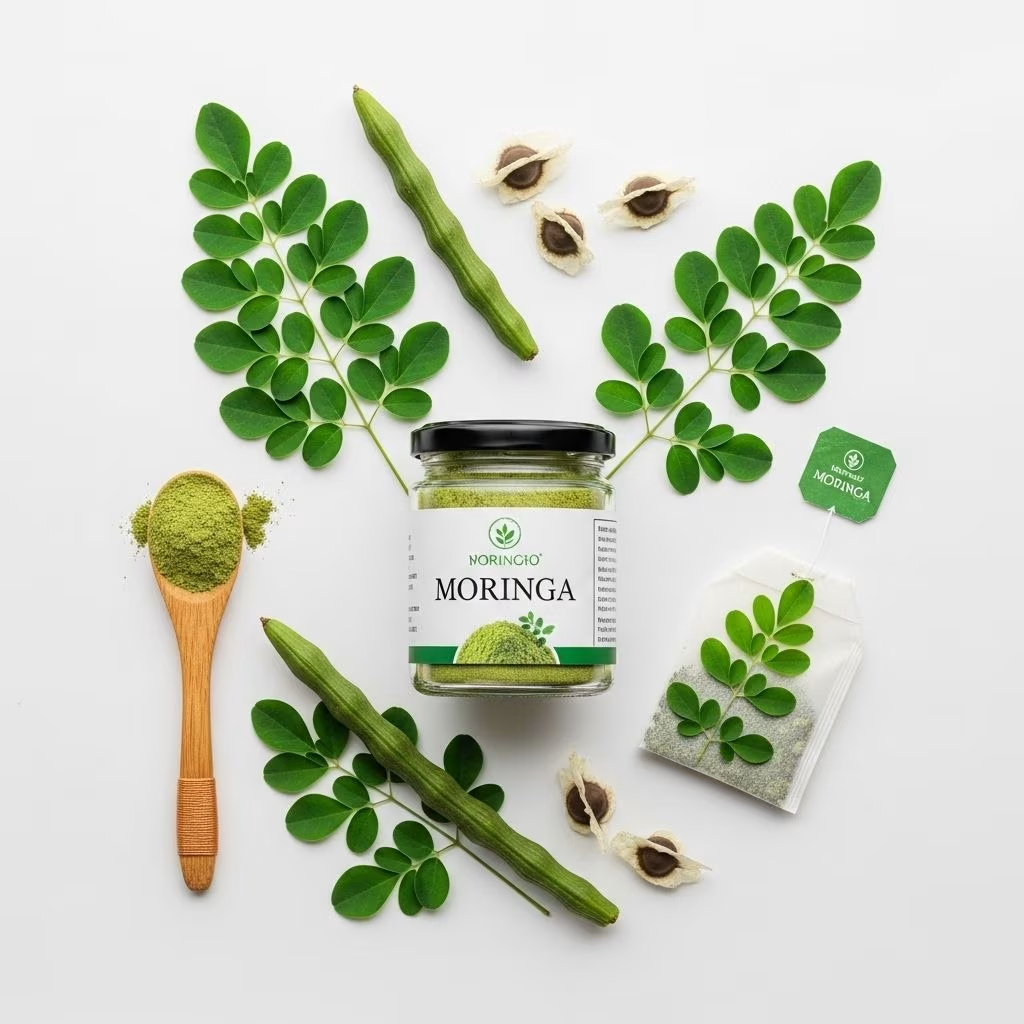
Moringa: Benefits, Dosage & Side Effects
Moringa (Moringa oleifera), sometimes called the ‘drumstick tree’ or ‘miracle tree’, is increasingly recognized as a nutritional powerhouse and a source of therapeutic compounds. Native to South Asia and widely cultivated in tropical and subtropical regions, moringa’s leaves, seeds, and pods are used in both culinary and medicinal contexts. This article provides a detailed overview of moringa’s health benefits, appropriate dosage, and its potential side effects, backed by scientific research and current clinical recommendations.
Introduction to Moringa
Moringa oleifera has attracted global interest due to its exceptional nutritional value and medicinal properties. Traditionally used to combat malnutrition and a variety of health conditions in Africa and South Asia, moringa is now increasingly incorporated into dietary supplements, health products, and functional foods worldwide.
- Moringa is fast-growing and drought-resistant, making it invaluable in areas facing food scarcity.
- Every part of the plant – leaves, seeds, pods, flowers – is edible and provides health benefits.
Nutritional Profile of Moringa
Moringa’s nutritional richness is one of its main claims to fame. It contains significant levels of proteins, vitamins, minerals, phytochemicals, and antioxidants, which contribute to its wide-ranging health effects.
| Nutrient | Quantity in Fresh Leaves (per 100g) | Function |
|---|---|---|
| Protein | ~9g | Muscle growth, repair |
| Vitamin C | 200mg | Immune system, antioxidant |
| Calcium | 440mg | Bone health |
| Potassium | 259mg | Electrolyte balance |
| Iron | 6.3mg | Red blood cell production |
| Beta-carotene | 4mg | Vitamin A precursor, eye health |
- Moringa is a rare plant source that contains all essential amino acids required for human health.
- It also provides potent antioxidants like quercetin, chlorogenic acid, and polyphenols that help protect against oxidative stress.
Evidence-Based Health Benefits
Moringa’s benefits span nutritional, metabolic, and therapeutic domains. Below are the key health effects supported by scientific research:
Anti-Inflammatory Effects
- Studies demonstrate that moringa’s phytochemicals and antioxidants significantly reduce chronic inflammation.
- Animal models show that moringa supplementation yielded reduced weight gain and improved glucose tolerance in mice fed a high-fat diet.
- This anti-inflammatory effect is likely central to moringa’s role in preventing or ameliorating conditions like diabetes, obesity, and fatty liver disease.
Blood Sugar Regulation
- Clinical studies in India revealed that moringa leaf extract reduces fasting blood glucose levels in patients with type 2 diabetes.
- Improved insulin signaling and delayed onset of diabetes have been confirmed in animal studies.
- Potential to reduce diabetic complications and slow disease progression.
Cardiovascular Support
- Moringa has demonstrated cholesterol-lowering effects in some human and animal studies.
- Bioactive compounds may help regulate lipid metabolism and reduce risk factors for heart disease.
- The antioxidant content could protect vascular health and prevent oxidative tissue damage.
Cancer Prevention Potential
- Moringa contains isothiocyanates and glucosinolates, phytochemicals with recognized anti-cancer effects in related plants such as broccoli sprouts.
- Animal studies suggest broad cytotoxic action against cancerous cells, although human data is still limited.
- Many researchers are optimistic that future clinical trials will further define moringa’s anti-cancer mechanisms.
Combating Malnutrition
- Moringa provides essential proteins, vitamins, and minerals, making it effective against protein-energy malnutrition and micronutrient deficiencies.
- Its leaves are especially useful in community feeding programs and in regions with limited access to diverse foods.
Other Emerging Benefits
- Moringa may help improve hemoglobin levels, bolstering management of anemia.
- Extracts show promise in protecting liver health (hepatoprotective), supporting neurological diseases (Alzheimer’s, Parkinson’s), and combating microbial infections.
Therapeutic Applications
Current scientific attention is focused on isolating bioactive compounds and developing optimized breeding and cultivation strategies to maximize medicinal value.
- Clinical researchers collaborate globally to select varieties with superior phytochemical profiles and medicinal efficacy.
- Processing techniques (such as crushing leaves before drying) substantially affect the nutritional value of moringa powders and extracts.
- Moringa is being integrated into global health programs to address malnutrition and chronic disease prevention.
Recommended Dosage
Despite its multiple health uses, there is no universal consensus on moringa dosage. Dosage depends on the intended use, the form of moringa (fresh leaves, dried powder, tea, extracts), and individual characteristics (age, health condition).
| Form of Moringa | Suggested Dosage | Notes |
|---|---|---|
| Fresh Leaves | 30-60g daily (about 1 cup) | Can be added to salads, soups, stews |
| Dried Leaf Powder | 1-2 teaspoons per day (2-5g) | Mix in smoothies, juices, or sprinkled over food |
| Moringa Capsules/Tablets | 500mg-1g per day | Check for purity and quality; follow manufacturer’s instructions |
| Moringa Tea/Infusions | 1-2 cups per day | Brewed from dried leaves |
- Introduce moringa gradually to assess tolerance, especially in sensitive individuals.
- Consult a healthcare provider before starting moringa for therapeutic purposes, particularly if you have a chronic illness or take prescription medications.
- Pediatric and maternal use should follow clinical guidelines and physician advice.
Potential Side Effects
Moringa has a strong safety profile at commonly consumed food levels. However, consumption of concentrated extracts or high doses may present certain risks.
- Digestive Upset: High doses may cause nausea, diarrhea, gas, or heartburn, particularly in those not accustomed to fiber-rich foods.
- Blood Pressure & Sugar: Moringa may lower blood pressure and blood sugar, which could interact with antihypertensive or antidiabetic medications. Monitor closely if taking these drugs.
- Pregnancy & Fertility: The root and bark contain compounds that might be unsafe during pregnancy—they can possess abortifacient properties in high doses. Stick to leaves and consult your healthcare provider.
- Allergic Reactions: Rare, but possible in those sensitive to plant compounds.
Toxicity studies on animals indicate that moringa is generally safe at nutritional dosages, but higher concentrations for therapeutic use should be approached with caution and professional guidance.
Best Practices for Consumption
- Source moringa from reputable suppliers to ensure quality and purity, especially for supplements and powders.
- Consume whole foods (leaves, pods) when possible, as these provide dietary fiber and a broader range of nutrients.
- Combine moringa with a diverse, balanced diet for optimal health outcomes.
- Introduce gradually to avoid digestive discomfort.
- Monitor for any side effects, especially when using moringa therapeutically.
Frequently Asked Questions (FAQs)
Q: Is moringa safe for daily consumption?
A: Yes, moringa is considered safe when consumed as a food, but concentrated extracts should be used with caution, especially if you are pregnant or on medication.
Q: Can moringa help with diabetes?
A: Clinical and animal studies indicate moringa may improve glucose tolerance and slow diabetes progression, but more human clinical trials are needed for definitive recommendations.
Q: What is the most nutritious part of the moringa plant?
A: The leaves are regarded as the most nutritious part, containing high levels of protein, vitamins, minerals, and antioxidants.
Q: Are there interactions with medications?
A: Moringa may potentiate the effects of blood sugar and blood pressure medications, so consult your doctor if you’re taking these drugs.
Q: How can I incorporate moringa into my diet?
A: Fresh leaves can be cooked or added to salads, while leaf powder works well in smoothies, teas, and stirred into foods.
Conclusion
Moringa is a richly nutritious plant with a promising array of therapeutic benefits, ranging from anti-inflammatory and anti-diabetic effects to cholesterol reduction and malnutrition alleviation. While its safety profile is strong, appropriate dosing and attention to individual contexts are key for optimal results. As research evolves, moringa may well become a staple in the future of functional nutrition and integrative medicine.
References
- https://www.universityofcalifornia.edu/news/moringa-next-superfood
- https://www.fic.nih.gov/News/GlobalHealthMatters/january-february-2020/Pages/carrie-waterman-studies-moringa-plants-medicinal-nutritional-benefits.aspx
- https://hub.jhu.edu/magazine/2016/winter/moringa-the-next-superfood/
- https://pmc.ncbi.nlm.nih.gov/articles/PMC9916933/
- https://www.medicalnewstoday.com/articles/319916
- https://www.webmd.com/vitamins/ai/ingredientmono-1242/moringa
- https://onlinelibrary.wiley.com/doi/10.1155/2021/6627265


