


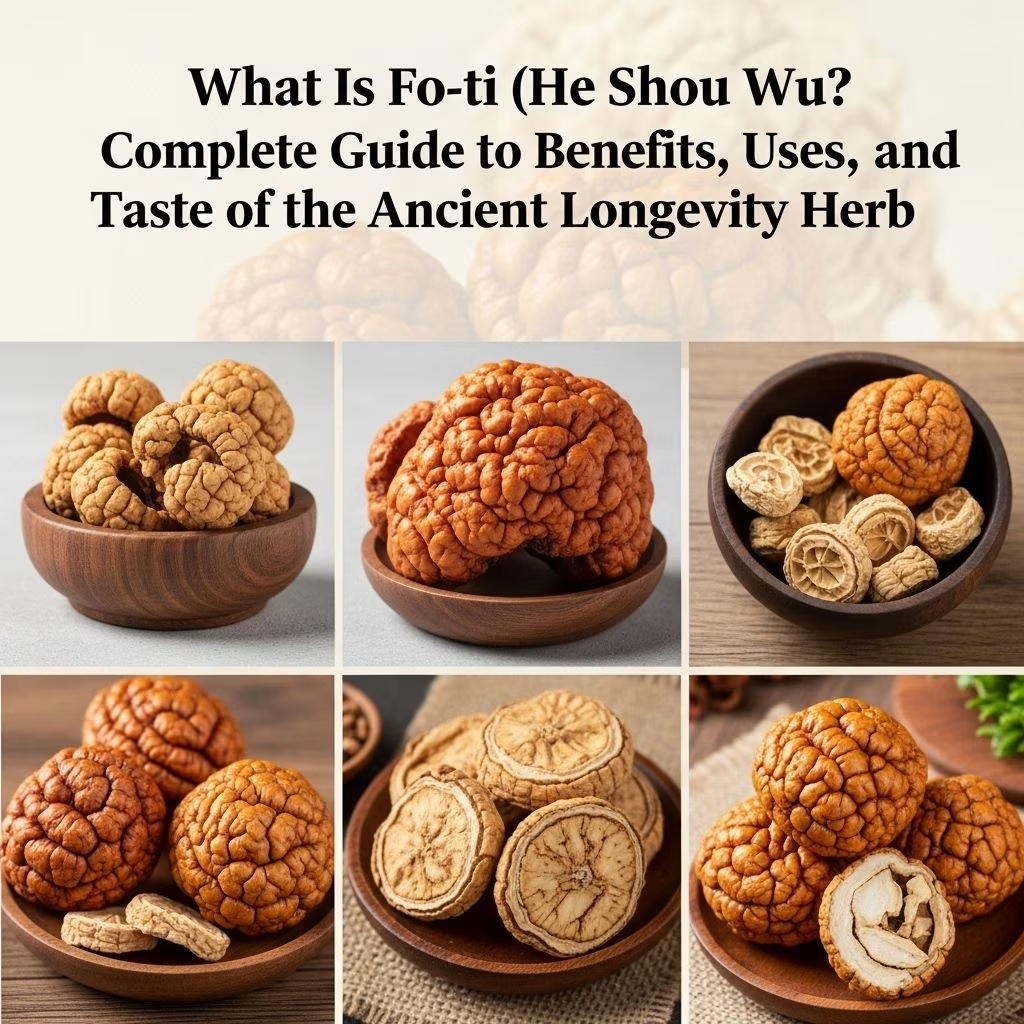
Fo-ti, also known as He Shou Wu (Polygonum multiflorum), has been a cornerstone of traditional Chinese medicine (TCM) for centuries. Regarded as a potent longevity tonic and rejuvenator, Fo-ti is famous for its folkloric roots, legendary hair-restoring powers, and reputed ability to enhance overall vitality. In this comprehensive guide, discover the origins, uses, benefits, flavor profile, safety, preparation, and frequently asked questions about this fascinating herbal remedy.
Introduction: Origins and Cultural Significance
Fo-ti, most commonly referenced as He Shou Wu in China, is renowned for its rejuvenating properties and storied historical usage. The name translates to “Black-haired Mr. He,” alluding to a legendary figure whose youthful vigor and dark hair were said to be restored by this herb. The plant has been cited in classical Chinese texts and folklore for centuries, associated closely with longevity, vitality, and restorative powers.
- Fo-ti: Common name in Western herbalism; often refers to processed root.
- He Shou Wu: Traditional Chinese name; used to denote both raw and prepared forms.
- Polygonum multiflorum: The botanical species.
- Tuber fleece flower, Chinese knotweed: Alternative names.
Legend of Mr. He and Rejuvenation
The traditional story states that Mr. He, after consuming the herb during a period of hardship, regained his youthful energy and black hair. Another legend describes restored sexual potency and familial longevity following use, reinforcing its reputation as a transformative tonic.
Botanical Profile and Varieties
Fo-ti (Polygonum multiflorum) is a perennial climbing plant native to central and southern China, as well as regions of Japan, Tibet, and Taiwan. It features red stems, heart-shaped leaves, and white or pink flowers, with the resilient root tuber as the primary medicinal part, although stems and leaves have their uses.
| Form | Description | Main Uses |
|---|---|---|
| Raw (White) Fo-ti | Unprocessed root; bitter and astringent; used for its laxative and detoxifying effects. | Constipation, resolving toxicity, treating abscesses |
| Prepared (Red) Fo-ti | Steamed or processed with black bean juice; sweeter taste; considered more nurturing in TCM. | Blood / Yin nourisher, anti-aging, hair health, longevity |
Key Plant Features
- Perennial vine, up to 30 feet in height
- Red stems, heart-shaped leaves
- White or pink flowers
- Medicinally significant root tuber; leaves and stems also utilized
Traditional Uses in Chinese Medicine
Fo-ti is deeply embedded in the philosophy of TCM, where balance of energies and nourishment of vital substances (Blood, Yin, Essence) are considered key to health. It is traditionally employed to address:
- Premature aging
- Hair loss and graying
- Liver and kidney support
- Lack of vital energy (Qi)
- Nourishment of blood and Yin
- Tendon and ligament strengthening
- Sexual vitality and fertility
- Insomnia and restlessness
- Skin diseases and healing
Additionally, Fo-ti is viewed as a tonic herb, used for chronic conditions and overall constitutional strengthening rather than acute illness.
Evidence-Based Health Benefits of Fo-ti
Although much of Fo-ti’s reputation is built upon traditional knowledge and anecdotal evidence, some modern research has begun investigating its possible physiological effects. Promising findings point to the following primary benefits:
1. Healthy Aging and Longevity
- Believed to counteract signs of aging and support vitality.
- Some studies highlight antioxidant effects that protect cells from damage and may slow aging.
2. Hair Health and Restoration
- Traditionally famous for reversing premature graying and encouraging healthy hair growth.
- Used for alopecia, thinning hair, and brittle strands.
3. Liver and Kidney Protection
- Used in TCM to strengthen, protect, and detoxify the liver and kidneys.
- Some laboratory studies suggest hepatoprotective properties, though human evidence is limited.
4. Cardiovascular Health
- Used for heart disease, high cholesterol, and improving circulation.
- Animal studies indicate potential lipid-lowering and anti-inflammatory effects.
5. Blood Glucose, Diabetes Support
- Potential antidiabetic effects have been noted in preliminary research.
6. Immunity and Vitality
- Believed to invigorate Qi, improve immune resilience, and combat fatigue.
7. Cognitive, Mental, and Sexual Function
- Used for enhanced memory, focus, and sexual potency.
- Legend associates Fo-ti with improved fertility and sexual health.
8. Skin Health
- Traditional application for eczema, sores, abscesses, and skin rejuvenation.
- Mild anti-inflammatory and detoxifying properties support clearer skin.
Summary Table: Key Benefits of Fo-ti (He Shou Wu)
| Benefit | Traditional Use | Current Evidence |
|---|---|---|
| Aging/Longevity | Youth restoration, anti-aging tonic | Antioxidant effects in lab studies; anecdotal history |
| Hair Health | Reverses graying, stimulates growth | Widely used for hair, limited clinical trials |
| Liver/Kidney Support | Organ tonification, detoxification | Some supportive data, caution due to toxicity risk |
| Cardiovascular Health | Supports circulation, heart function | Some animal evidence; needs more research |
| Immunity | Energizing, fortifying immunity | Anecdotal, limited scientific evidence |
| Skin Health | Heals abscesses, treats sores | Minor data supports anti-inflammatory actions |
Modern Uses and Forms
Today, Fo-ti is available in various formulations for ease of use and targeted outcomes:
- Herbal teas and decoctions (traditional method)
- Powdered extracts and capsules (standardized dosing)
- Tinctures and liquid extracts
- Topical applications for hair and skin
- Combination formulas with other adaptogenic herbs
Processed Fo-ti (steamed with black beans) is preferred for longevity and anti-aging, while raw Fo-ti is typically used for detoxification, constipation, and skin disorders.
Taste and Organoleptic Qualities
The flavor profile of Fo-ti depends markedly on its form and method of preparation:
- Raw Fo-ti (Shēng Hé Shǒu Wū) – Bitter, lightly sweet, distinctly astringent. Characterized as neutral in temperature, it may be considered moderately unpleasant to those unfamiliar with strong botanicals.
- Prepared Fo-ti (Zhì Hé Shǒu Wū) – Enhanced sweetness and earthiness, with reduced bitterness due to steaming with black beans. More palatable, commonly used in tonics and teas.
Most users consume Fo-ti as a decoction brewed from sliced, dried roots, as a powder mixed into drinks, or via capsules. Its taste is generally described as earthy and slightly bitter, with a mild sweetness in processed forms.
Dosage and Preparation
Traditional and modern use of Fo-ti varies widely depending on the condition being addressed, form of the herb, and individual constitution. General recommended dosages cite:
- Prepared root: Often 3–12 grams daily in decoctions, divided into two doses
- Powdered extracts/capsules: Doses may vary, typically corresponding to root equivalence
- Topical applications: As indicated for hair or skin
Consultation with a qualified herbalist or healthcare provider is strongly advised due to potential for adverse effects and the importance of product quality.
Preparation Method for Decoction
- Rinse and slice 10g of prepared Fo-ti root.
- Add root to 2–3 cups water and simmer for 30–60 minutes.
- Strain and consume warm.
Safety, Precautions, and Side Effects
Fo-ti can cause significant side effects in some people, including:
- Liver damage/hepatotoxicity (most serious concern)
- Diarrhea, nausea, and gastrointestinal upset
- Allergic reactions
- Hypotension and dizziness
Cases of liver injury have been reported, especially with excessive dosing or use of low-quality formulations. Vulnerable populations (children, pregnant women, those with pre-existing liver disease) should avoid Fo-ti unless under professional supervision.
Safety Guidelines
- Start with low doses and closely monitor for adverse reactions
- Avoid unregulated or contaminated products
- Discontinue if signs of jaundice, fatigue, or liver tenderness occur
- Consult healthcare professionals before combining with medications
Contraindications:
- Liver disease
- Pregnancy and breastfeeding
- Children and elderly may be more susceptible to toxicity
Frequently Asked Questions (FAQs)
Q: Is Fo-ti (He Shou Wu) scientifically proven to reverse hair graying?
A: There is significant anecdotal evidence and historical use claiming reversal of gray hair, but modern human studies are lacking. Limited clinical evidence means results may vary and further research is needed.
Q: What is the difference between raw and prepared Fo-ti?
A: Raw Fo-ti is used primarily for detoxification and has strong laxative effects, while prepared Fo-ti, processed with black beans, is considered more nourishing and suitable for long-term tonic use in TCM.
Q: Can Fo-ti be used for skin health?
A: Yes, both oral and topical applications of Fo-ti are traditionally used for skin rejuvenation, healing of sores, and calming inflammation.
Q: Are there drug interactions with Fo-ti?
A: Yes, Fo-ti may interact with medications metabolized by the liver or those affecting cardiovascular function. Always consult a healthcare provider before adding Fo-ti to any regimen.
Q: Is Fo-ti suitable for everyone?
A: No. Those with liver conditions, pregnant or breastfeeding women, children, and elderly individuals should avoid Fo-ti unless specifically recommended and supervised by a professional.
References
- Benefits, Dosage, and Side Effects – MedicineNet
- Fo-Ti Health Benefits – iHerb
- Therapeutic Uses of He Shou Wu – EBSCO
- He Shou Wu: Benefits, Dosage, Safety – Healthline
- Benefits of Fo-Ti for Skin – Tammy Fender
References
- https://www.medicinenet.com/he_shou_wu_fo-ti_benefits_dosage_side_effects/article.htm
- https://www.iherb.com/blog/fo-ti-he-shou-wu-health-benefits/1654
- https://www.ebsco.com/research-starters/health-and-medicine/he-shou-wus-therapeutic-uses
- https://www.healthline.com/nutrition/he-shou-wu
- https://www.tammyfender.com/blogs/journal/benefits-of-fo-ti-for-skin
- https://www.webmd.com/vitamins/ai/ingredientmono-768/fo-ti
- https://www.ncbi.nlm.nih.gov/books/NBK548795/
- https://www.integrativeasheville.org/plant-profile-ho-shou-wu-polygonum-multiflorum/


