


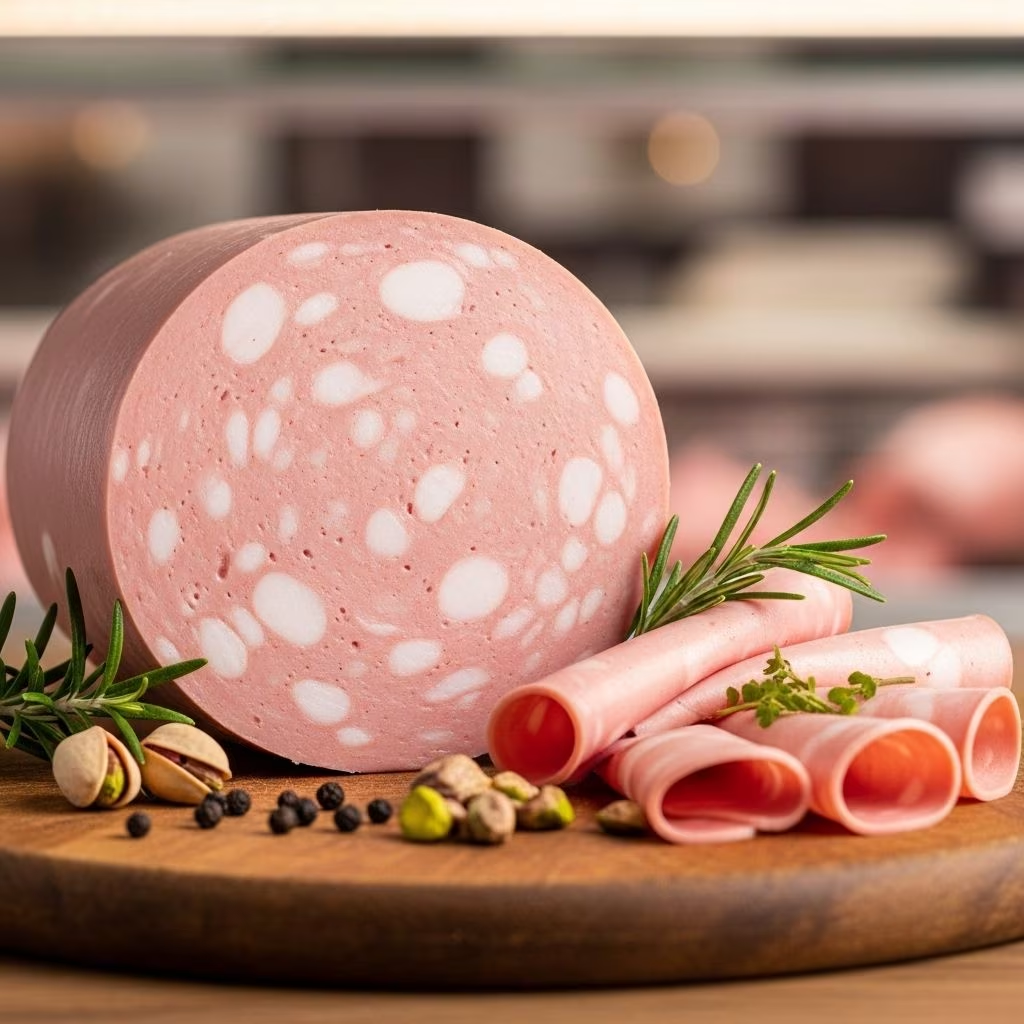
Mortadella is a classic Italian cold cut with centuries of tradition, embodying the flavors and artisanal techniques of its homeland. Whether enjoyed in a sandwich, on a charcuterie board, or as a gourmet ingredient in creative dishes, mortadella fascinates food lovers around the world with its silky texture, delicate fragrance, and savory, subtly spiced flavor. This extensive guide explores the history, health benefits, culinary applications, and singular taste that make mortadella a standout in global gastronomy.
What Is Mortadella?
Mortadella is a large Italian cooked sausage, traditionally made from finely ground, heat-cured pork and recognizably studded with white cubes of pork fat. Originating from the region of Emilia-Romagna, especially Bologna, mortadella has a velvety texture and a gentle, aromatic flavor profile thanks to a blend of spices such as black pepper, coriander, and myrtle berries. Its signature look comes from visible pockets of fat and, occasionally, additions like pistachios or olives.
Key Characteristics of Mortadella
- Light pink interior, marbled with creamy white fat cubes
- Silky, smooth texture achieved by emulsifying the meat mixture
- Mild, slightly sweet, and aromatic flavor
- Often produced in very large cylindrical forms, sometimes weighing over 200 pounds
- Protected under the European Union’s Protected Geographical Indication (IGP) as “Mortadella Bologna” for authentic versions from Bologna
History and Origins of Mortadella
Mortadella boasts a heritage reaching back to ancient Rome, where the practice of grinding pork and seasoning it with herbs and spices established the foundation for what would become the modern sausage. The name “mortadella” likely stems from the Latin mortarium, referencing the mortar used to finely grind meats and spices, or from myrtatum, influenced by the use of myrtle berries as an aromatic additive in early recipes.
Historical Timeline
- Ancient Rome: Early ground pork sausages called farcimen mirtatum flavored with myrtle and black pepper, processed with mortars.
- Middle Ages: Development of techniques in the Emilia-Romagna region, specifically Bologna, leading to the unique mortadella recipe we know today.
- 15th–17th centuries: Mortadella gains major status in Bologna and significant trade value. In 1661, strict regulations against counterfeiting are enacted, protecting quality and authenticity, a precursor to modern IGP regulations.
- Modern Era: Mechanized and artisanal production coexist, maintaining rigorous standards for premium mortadella.
Mortadella Bologna IGP
Mortadella Bologna is recognized by the European Union with the Protected Geographical Indication (IGP) label, signifying authentic production only within the Bologna region and adherence to stringent ingredient, processing, and quality standards. This ensures a product steeped in tradition and authenticity.
Traditional Production Process
The hallmark of mortadella is the delicate emulsification and slow, gentle cooking that results in its famed consistency. Traditional mortadella production closely follows these steps:
- Selection of Meat: Lean cuts of pork shoulder and cheek are chosen for tender texture, with additional pure pork fat (sometimes from the neck or jowl).
- Grinding and Emulsifying: Meat is ground to a silky-smooth paste, achieving an almost mousse-like consistency. Fat is cut into small cubes and gently incorporated to maintain distinct marbling.
- Seasoning: A blend of salt, white or black pepper, coriander, nutmeg, and sometimes garlic or myrtle berries are mixed in. Certain recipes include pistachios or olives for contrast and flavor.
- Stuffing: The mixture is encased in large, natural or synthetic casings, often weighing 5 to 100 kilograms for large productions.
- Cooking: Mortadella is slow-cooked in airtight ovens at controlled temperatures (80–90°C) for many hours to develop its rounded flavor and iconic tenderness.
- Cooling and Packaging: Once cooked, mortadella is rapidly cooled and often vacuum-packed to preserve freshness and moisture.
Nutritional Value and Health Benefits
Mortadella, like many classic charcuterie products, offers a combination of flavor and nutrition but is best enjoyed in moderation. Here’s a look at its typical nutritional profile and potential health benefits:
| Nutrient (per 100g) | Approximate Value |
|---|---|
| Calories | 285–320 kcal |
| Protein | 14–16 g |
| Total Fat | 25–28 g |
| Saturated Fat | 9–10 g |
| Carbohydrates | 0–2 g |
| Sodium | 800–1,000 mg |
- Good protein source: Mortadella contains significant protein, important for muscle repair and energy.
- Contains essential vitamins and minerals: B vitamins (especially B1, B12, niacin), iron, phosphorus, and zinc are present due to high-quality pork cuts.
- Moderate fat content: While relatively high in fat, the emulsification process gives mortadella a luxurious, creamy mouthfeel with less saturated fat than some hard salami and cured meats.
- Low carbohydrates: Suitable for low-carb and gluten-free diets when consumed without bread or additional carbs.
Health Tips: Choose artisanal or IGP mortadella for clean ingredients and avoid varieties with excessive additives or preservatives. Enjoy as part of a diverse, balanced diet, combining with whole grains, fibrous vegetables, and fresh fruits to balance salt and fat intake.
Culinary Uses of Mortadella
Mortadella’s velvety texture and gentle flavor make it an extremely versatile ingredient in both traditional Italian and contemporary kitchens. Here are the most popular and creative culinary uses for mortadella:
- Classic Sandwiches: The iconic mortadella-and-provolone sandwich, often layered with fresh vegetables, pickles, and crusty bread, is a staple across Italy and beloved worldwide.
- Antipasto Platters: Sliced thin and served with cheeses, olives, roasted peppers, and artisan breads, mortadella is a centerpoint of Italian charcuterie boards.
- Pasta and Ravioli Fillings: In Emilia-Romagna, mortadella is often ground and blended with ricotta or Parmigiano-Reggiano to stuff tortellini, tortelloni, or agnolotti.
- Pizzas and Focaccias: Layered on warm, just-baked flatbreads or pizzas and garnished with pistachios, arugula, or a drizzle of honey for sweet-salty contrast.
- Gourmet Salads: Cubed or ribboned mortadella in leafy salads, sometimes with citrus, chicories, or crunchy croutons, add savory depth.
- Appetizers and Bites: Thin slices wrapped around grissini (breadsticks) or paired with figs, melon, or burrata cheese.
- Breakfast and Brunch: Diced and folded into scrambled eggs, frittatas, or breakfast casseroles.
Creative Modern Uses
- Blended into creamy purées for canapés or amuse-bouches
- Baked in savory tarts, quiches, or layered in baked pasta dishes
- Used as a topping for gourmet burgers or sliders, juxtaposing its delicacy with beef or plant-based patties
- Paired with sparkling wines or crisp pilsners for elegant entertaining
Taste and Texture Explained
Mortadella’s flavor is characterized by gentle savoriness, light sweetness, and subtle notes from various spices. Its texture is luxuriously smooth and melts in the mouth, thanks to the finely emulsified meat paste and the integration of creamy, minimally processed pork fat cubes.
- Mild & Savory: Unlike spicy Italian salami, mortadella relies on a restrained, aromatic spice blend with black or white pepper, coriander, and the lightest hint of nutmeg or myrtle.
- Creamy & Tender: Each bite is tender, often described as “silky” or “buttery,” with the small fat cubes offering a delicate but rich contrast.
- Delicate Aftertaste: Leaves a slightly sweet, rounded flavor rather than lingering spice or smoke found in other cured meats.
- Visual Appeal: Thin slices showcase the marbled fat and blush-pink meat, often accented with green flecks of pistachio or olive if included.
How to Select and Store Mortadella
To enjoy mortadella at its best, choose high-quality products and follow proper storage tips:
- Look for IGP Labels: For authenticity and superior taste, select mortadella marked as Mortadella Bologna IGP.
- Check Appearance: The fat cubes should be white and distinctly visible; the surface should look moist but not greasy.
- Buy Freshly Sliced, If Possible: Thin slices from a deli counter give optimal aroma and mouthfeel.
- Storing: Keep mortadella tightly wrapped in parchment, wax paper, or a sealed container in the refrigerator. Use within 3–5 days for best quality if sliced; whole mortadella can last longer unopened.
- Freezing: If needed, mortadella can be frozen, though texture may become slightly crumbly once thawed—most suitable for cooked preparations.
Mortadella vs. Similar Cold Cuts
| Feature | Mortadella | Bologna (US) | Salami | Ham |
|---|---|---|---|---|
| Primary Meat | Pork | Pork/beef (blend) | Pork/beef/game | Pork |
| Texture | Silky, emulsified, scattered fat | Very smooth, uniform | Firm, coarser | Thin, slightly chewy |
| Flavor | Mild, aromatic, gently spiced | Bland or smoky (depends) | Pungent, spiced | Slightly sweet, pure pork |
| Cooking | Cooked, slow oven | Cooked | Cured, fermented | Cooked, wet/hot cured |
| Notable Additions | Pistachios, olives (optional) | Often none | Garlic, wine, peppercorns | Sometimes honey, herbs |
Mortadella in Modern Cuisine
Today, mortadella’s popularity is resurging, both in Italy and across the globe, embraced by modern chefs and foodies alike:
- Featured in gourmet food trucks, artisan sandwich bars, and trendy pizzerias.
- Used as a high-end pizza topping—paired with soft cheese, nuts, and honey.
- Sliced paper-thin as an antipasto or layered in multi-textured tasting menus.
- Repurposed in fusion recipes, such as mortadella sushi rolls or mortadella tacos.
- Integrated into creamy purées or foams for ‘molecular gastronomy’ presentations.
- Elevated with accompaniments like truffle oil, aged balsamic, or artisan cheeses.
Frequently Asked Questions (FAQs)
Q: How is mortadella different from American bologna?
A: While American bologna was inspired by mortadella, it typically lacks the visible fat pieces and aromatic spices. Mortadella is smoother, has a delicate spiced aroma, and may include pistachios or olives for extra flavor and texture.
Q: Is mortadella always made from pork?
A: Authentic mortadella is made from pork, but regional and international versions may use beef, chicken, or a mix. Mortadella Bologna IGP must be 100% pork.
Q: Can mortadella be eaten without cooking?
A: Mortadella is fully cooked during manufacture and is safe to eat directly from the package. It is often best enjoyed at room temperature for optimal flavor.
Q: Does mortadella contain gluten or dairy?
A: Traditional, artisanal mortadella does not contain gluten or dairy. However, always check labels for industrial or flavored versions, which might add fillers or milk derivatives.
Q: What wine pairs best with mortadella?
A: Light, refreshing white wines (such as Pignoletto or Pinot Grigio), Lambrusco, or sparkling wines complement mortadella’s delicate flavors. For beer lovers, pilsners or pale ales are also excellent choices.
Conclusion
Mortadella stands as a testament to Italy’s gastronomic legacy, cherished for its elegant simplicity, artisanal production, and unique profile. Whether sampled in its home region of Bologna or enjoyed in contemporary kitchens worldwide, mortadella continues to delight palates with every smooth, aromatic slice.
References
- https://rosiessidekick.com/mortadella-origins-history-rosies-sidekick-sandwich-shop/
- https://www.artigianquality.com/en/2024/07/29/the-origins-of-mortadella-a-journey-through-artisan-tradition/
- https://www.360italymarket.com/en/blog/mortadella-and-its-origins-b24.html
- https://wineandtravelitaly.com/the-origins-of-mortadella-bologna-igp/
- https://roma.dalbolognese.it/mortadella/
- https://www.veroni.com/the-history-of-mortadella/
- https://en.wikipedia.org/wiki/Mortadella
- https://muscofood.com/mortadella-a-time-capsule-of-flavor-tradition/
- https://en.art-hotel-commercianti.com/news/mortadella-taste-and-story-bologna/


