


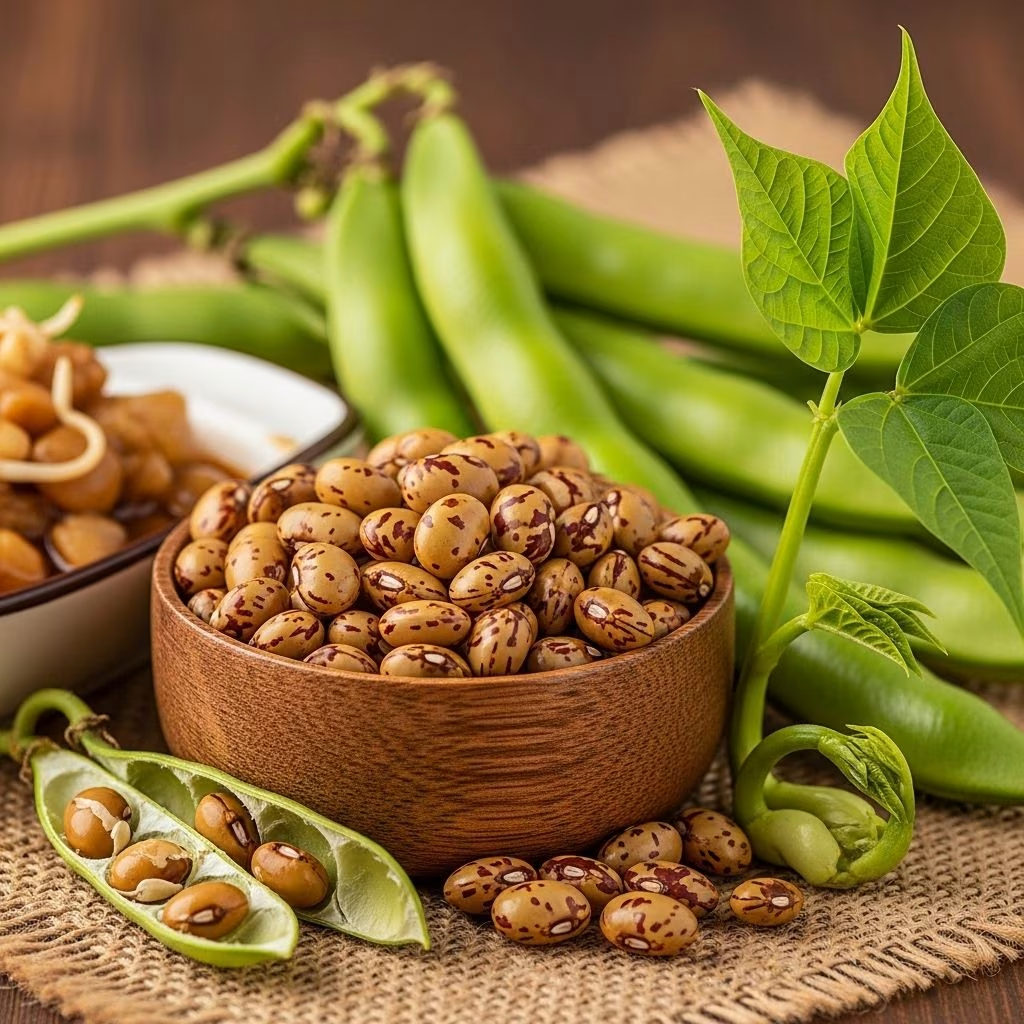
Moth bean (Vigna aconitifolia), also known as matki, mat bean, Dew bean, or Turkish gram, is a drought-resistant legume grown primarily in arid and semi-arid regions such as India. Renowned for its high nutritional value and adaptability to harsh climates, moth bean is both a staple in local diets and a subject of growing international interest among nutritionists, sustainable agriculture practitioners, and food enthusiasts.
Overview: What Is Moth Bean?
Moth bean is a creeping annual legume that thrives in hot, dry climates and is widely consumed in India, especially in the western and southern states. The plant makes a low-lying mat over the soil, with hairy, densely packed branches reaching up to 40 centimeters in height and spreading as wide as 150 centimeters. Yellow flowers produce slender brown pods containing rectangular seeds that range in color from pale yellow-brown to dark mottled shades. Moth bean is a resilient crop that serves as both a food source for humans and a forage crop for livestock.
Main Characteristics
- Botanical name: Vigna aconitifolia
- Common names: Mat bean, Matki, Dew bean, Turkish gram
- Origin: South Asia (India, Pakistan); also found in Africa and parts of the Middle East
- Plant type: Annual, herbaceous creeper
- Growth habit: Prostrate, low matting, drought tolerant
- Pod length: 2.5–5 cm (typically holding 4–9 seeds)
- Seed color: Yellow-brown, whitish-green, or mottled
Nutritional Profile
Moth bean is classified as a nutrient-dense food, delivering a significant amount of proteins, complex carbohydrates, essential minerals, and vitamins, while remaining low in fat. This composition makes it especially valuable for vegetarian and cereal-based diets in developing regions.
Key Nutritional Components (per 100g raw moth bean seeds):
- Calories: Approximately 343 kcal
- Protein: 20–24g
- Carbohydrates: 52–68g
- Dietary Fiber: 3.9–4.5g
- Fat: 1.1–3.9g (primarily unsaturated)
- Minerals: Calcium, magnesium, iron, phosphorus, potassium
- Vitamins: Niacin (B3), thiamine (B1), riboflavin (B2)
- Amino acids: Rich in lysine and leucine (often lacking in cereals), providing a complementary protein source
| Pulses | Protein (g) | Carbs (g) | Fat (g) | Fiber (g) | Iron (mg) |
|---|---|---|---|---|---|
| Moth Bean | 20–24 | 52–68 | 1.1–3.9 | 3.9–4.5 | ~9 |
| Mung Bean | 23–24 | 59–63 | 1.2–1.3 | 8.2 | ~6.7 |
| Black Gram (Urad) | 24 | 59 | 1.4 | 18 | ~7.6 |
| Chickpea | 19 | 61 | 6 | 17 | ~6.2 |
Health Benefits
As a protein-rich legume with low fat and plenty of fiber, moth bean is increasingly recognized for its role in promoting nutritional security, especially where animal-based protein is less affordable or desirable. The combination of amino acids makes it an excellent complement to cereal-based diets.
- Supports muscle and tissue repair: High protein content (up to 24%) helps maintain muscle mass and aids in tissue recovery.
- Improves digestion: Naturally high in dietary fiber, moth bean supports a healthy digestive tract and regular bowel movements.
- Boosts iron levels: Iron content helps prevent anemia and supports healthy oxygen transport throughout the body.
- Promotes bone health: Packed with calcium, phosphorus, and magnesium, crucial for strong bones and teeth.
- Supports metabolic function: Includes B vitamins (niacin, thiamine, riboflavin) essential for cellular metabolic processes.
- Stabilizes blood sugar: Low glycemic index, making it suitable for people with diabetes.
- Antioxidative & anti-inflammatory potential: Contains phytochemicals and micronutrients that help combat oxidative stress and inflammation.
Uses in Cooking
Moth bean is prized for its culinary versatility. Its seeds, pods, and especially its sprouts are used in a variety of regional dishes across India and neighboring countries. It can be cooked whole, split, sprouted, or ground into flour. Its mild flavor and robust texture allows it to complement both subtle and heavily spiced dishes.
Popular Culinary Uses
- Whole Beans: Boiled or pressure-cooked into stews, soups, or dal preparations. Retains shape after cooking, making it ideal for salads and side dishes.
- Sprouted: Popular for both salads and curries. Sprouting activates enzymes, increases vitamin content, and makes the beans easier to digest. Dishes like Usal (Maharashtrian curry) and Moth Bean Chaat feature sprouts prominently.
- Pulses and Flours: Roasted and ground as flour, used in pancakes or cheelas, dosas, or mixed into batters.
- Forage: Used as a green manure and fodder crop in traditional agriculture.
Regional Specialties
- Misal Pav (Maharashtra): Spicy moth bean curry served with buns, garnished with onions, coriander, and farsan (fried crunchy toppings).
- Moth Dal: Mildly spiced soup-like preparation, often paired with rice or flatbread.
- Rajasthani Ker Sangri: Wild dried berries and beans slow-cooked with moth beans, chilies, and regional spices.
- Cheela and Dosa: Savory pancakes made using ground moth bean or mixed bean batter.
Taste and Texture
Moth bean’s flavor is subtle, slightly nutty, and somewhat earthy, reminiscent of mung beans or lentils but milder. When sprouted, it develops a pleasantly crisp texture with a mildly sweet undertone. Its small size means the beans remain firm even after cooking, making them ideal for salads and dishes that require structural integrity.
What to Expect
- Taste: Mildly nutty, earthy, with a trace of sweetness when sprouted.
- Texture: Firm and crisp when sprouted; tender yet holds shape when boiled or pressure-cooked.
- Color: Cooked beans turn a golden-brown or yellow inside, while the skin is tan or light brown.
Cultivation, Sustainability, and Global Significance
Moth bean is an exceptionally resilient crop, capable of withstanding extended droughts, high temperatures, and poor soil fertility. Its ability to fix atmospheric nitrogen enriches the soil, making it beneficial in crop rotation systems and sustainable agriculture—which is of growing importance in the face of climate change and land degradation.
- Drought resistance: Survives on minimal rainfall, making it an important crop for food security in drylands.
- Pest and disease resilience: Generally robust, though it can be affected by viruses and pests; breeding programs are focusing on increasing resistances.
- Soil benefits: Leguminous plants like moth bean improve soil fertility through nitrogen fixation and prevent erosion via ground cover.
- Yield: Low to moderate; harvested by hand due to dense, creeping branches.
- Intercropping: Often grown alongside cereals, cotton, or as a green manure crop.
Moth Bean vs. Other Pulses
| Pulses | Protein (g) | Main Use | Taste | Best For |
|---|---|---|---|---|
| Moth Bean | 20–24 | Whole, sprouted, dal | Mild, nutty | Curries, salads, sprouts |
| Mung Bean | 23–24 | Whole, split, sprouts, desserts | Mild, sweet, earthy | Sprouts, dals, desserts |
| Chickpea | 19 | Whole, split, flour | Earthy, creamy | Hummus, curries, flour dishes |
How to Buy and Prepare Moth Beans
- Buying: Moth beans are available dried (whole or split) in South Asian markets and health food stores. Look for unbroken beans free from insect damage.
- Soaking: Whole beans are best soaked for 6–8 hours before cooking.
- Sprouting: Soak, drain, and store in a dark, warm place for 1–2 days for the beans to sprout. Rinse twice daily to prevent spoilage.
- Cooking: After soaking or sprouting, boil or pressure-cook until just tender (typically 20–30 minutes).
- Storage: Dried beans can be stored for over a year in a cool, dry place. Sprouted beans should be refrigerated and consumed within 2–3 days.
Popular Moth Bean Recipes
- Moth Bean Usal: Spicy Maharashtrian curry using sprouted moth beans, tomatoes, onions, and traditional spice blends.
- Misal: Combination of moth bean curry, topped with farsan, served with Pav (bread roll), onions, lemon, and coriander.
- Moth Bean Stir Fry: Lightly cooked moth beans with cumin, garlic, and seasonal vegetables.
- Moth Chaat: Boiled moth beans tossed with chaat masala, onions, tomatoes, and coriander—served as a protein-rich snack.
- Moth Dal: Simple lentil soup flavored with turmeric, cumin, and asafoetida—served with rice or roti.
- Pancakes/Cheela: Savory pancakes made from ground sprouted or soaked moth beans mixed with spices and vegetables.
Frequently Asked Questions (FAQs)
Q: Is moth bean good for weight loss?
A: Yes, moth bean is low in fat, high in fiber, and rich in protein, which helps promote satiety and support weight management. Its slow-digesting carbohydrates mean longer-lasting energy and reduced cravings.
Q: How does the taste of moth bean compare to other beans?
A: Moth bean is mildly nutty and earthy, with less pronounced flavor than chickpeas or black gram, making it adaptable to many dishes. Sprouted beans have a light sweetness and crisp texture.
Q: Can moth bean be eaten raw?
A: Raw moth bean should be avoided due to anti-nutritional factors and potential digestive discomfort. However, sprouted beans (after proper rinsing and short cooking) are commonly eaten and are easier to digest.
Q: Are there any allergens or side effects?
A: Allergies to moth bean are rare but possible. As with other legumes, some individuals may experience bloating or gas. Thorough soaking, sprouting, and cooking reduce these effects.
Q: What are the environmental benefits of cultivating moth bean?
A: Moth bean supports sustainable agriculture by improving soil fertility (through nitrogen fixation), preventing erosion, and requiring less water than most crops—helping maintain food security in drought-prone regions.


