


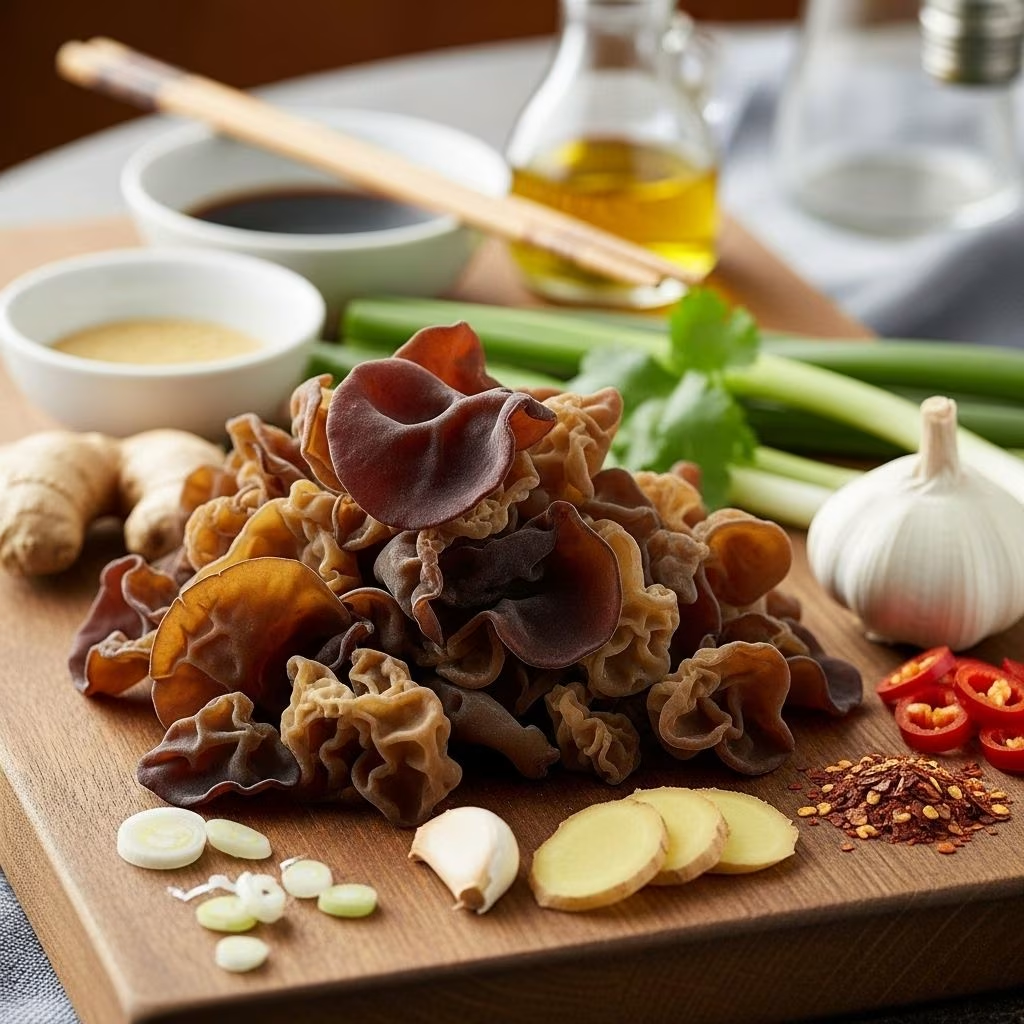
Mu Err mushrooms—also known as wood ear, black fungus, or cloud ear—are prized across Asia for their crunchy texture, subtle taste, and robust health benefits. Their delicate, translucent curls easily absorb flavors, making them a celebrated ingredient in everything from stir-fries to soups, salads, and more. If you’re eager to master these unique mushrooms in your own kitchen, you’ve found the most in-depth guide. Read on for the best Mu Err mushroom recipes, step-by-step cooking techniques, storage tips, and nutrition facts for this versatile fungus.
About Mu Err Mushrooms
Mu Err (木耳, literally “wood ear”) mushrooms grow on decaying wood in humid forests across China, Southeast Asia, and tropical regions. Known variously as black fungus, cloud ear, or tree ear, they are famous for a crisp, jelly-like bite that retains its shape through cooking. Dried Mu Err is a pantry staple in many Asian cuisines, easily reconstituted in water to yield large, dark frilly pieces ideal for a variety of dishes.
Some key features:
- Texture: Firm, slightly crunchy, and gelatinous.
- Flavor: Mild, earthy, and slightly woody—excellent for absorbing sauces and savory broths.
- Common Names: Wood Ear, Black Fungus, Tree Ear, Cloud Ear, Auricularia, Kikurage (in Japanese).
- Forms: Usually available dried; fresh forms are more rare outside Asia.
How to Prepare Mu Err Mushrooms
Most Mu Err mushrooms are sold dried. Here’s how to prepare them for cooking:
- Soak: Place dried Mu Err in a large bowl with at least twice the volume of lukewarm water. Soak for 20–30 minutes until fully plump and rehydrated.
- Rinse: Swish mushrooms in water to remove any grit or woody debris. Trim off tough stems with scissors.
- Cut/tear: For salads or stir-fries, cut into bite-sized pieces. For dramatic effect, leave pieces large or gently tear by hand for a rustic look.
- Blanch (optional): For an ultra-clean texture, blanch rehydrated pieces in boiling water for 1–2 minutes, then drain and pat dry. This step is often used for salads or cold dishes.
Tip: Mu Err mushrooms can expand up to 3–4 times their dry size. One ounce of dried is usually plenty for 2–4 servings after rehydration.
Best Mu Err Mushroom Recipes
Classic Chinese Mu Err Stir-Fry
The most well-known Mu Err dish highlights its texture amid crisp vegetables, sometimes with a light meat or tofu accompaniment. Here’s a traditional Cantonese-style version:
- 2 cups rehydrated Mu Err mushrooms, torn into pieces
- 1 carrot, sliced thin
- 1 bell pepper, sliced
- 2 stalks celery, diagonally sliced
- 2 cloves garlic, finely chopped
- 1 tablespoon ginger, minced
- 2 tablespoons vegetable oil
- 2 tablespoons soy sauce
- 1 tablespoon oyster or mushroom sauce
- 1 teaspoon sugar
- 1/2 teaspoon sesame oil
Instructions:
- Heat wok or skillet over high heat; add oil.
- Add ginger and garlic; sauté 30 seconds.
- Add carrot, celery, and bell pepper; stir-fry 1–2 minutes until just softened.
- Add Mu Err mushrooms; toss to combine.
- Add soy sauce, oyster sauce, and sugar. Stir-fry 2 more minutes.
- Finish with a drizzle of sesame oil. Serve hot, garnished with scallion or sesame seeds if desired.
Chilled Mu Err Salad
Served as an appetizer or side in northern China, this salad contrasts Mu Err’s crunch with pungent aromatics and a tangy dressing.
- 2 cups blanched Mu Err mushrooms, well-drained
- 2 tablespoons black vinegar (or rice vinegar)
- 1 tablespoon soy sauce
- 1 teaspoon sugar
- 2 teaspoons chili oil (optional, for heat)
- 1 large clove garlic, finely minced
- 2 tablespoons fresh cilantro, chopped
- 1 teaspoon toasted sesame oil
Instructions:
- In a bowl, whisk together vinegar, soy sauce, sugar, chili oil, garlic, and sesame oil.
- Add drained Mu Err mushrooms and cilantro. Toss well to coat.
- Chill 15–30 minutes to allow flavors to meld before serving.
- Optional: Add cucumber matchsticks, shredded carrots, or slivered red onion for extra contrast.
Mu Err Miso Soup
Mu Err mushrooms deliver beautiful texture to Japanese-style miso soup:
- 1 cup rehydrated Mu Err mushrooms, sliced
- 4 cups dashi or vegetable broth
- 2–3 tablespoons miso paste (to taste)
- 1/2 block firm tofu, cubed
- 1 cup baby spinach or wakame seaweed
- 2 spring onions, sliced
Instructions:
- Bring broth to a boil in a saucepan. Add mushrooms; simmer 2–3 minutes.
- Add tofu and spinach/wakame; reduce heat, simmer 2–3 minutes more.
- Turn off heat. Dissolve miso in a small bowl with some hot broth, then stir into soup.
- Serve hot, garnished with sliced spring onions.
Mu Err in Vegetarian Hot Pot
For a fun, communal meal, include Mu Err among the many ingredients to swish in bubbling broth. Their crunch is a highlight amid soft tofu, greens, and noodles.
- Prepare a hot pot broth (vegetable, mushroom, or spicy Sichuan style preferred)
- Arrange on platters: Mu Err mushrooms (rehydrated), other mushrooms, bok choy, tofu, Asian greens, noodles, and dipping sauces.
- Guests dip and cook ingredients at the table in the gently bubbling broth, scooping out when ready.
Serving tip: Mu Err mushrooms cook rapidly and absorb broth flavors quickly—30–60 seconds in the pot is often enough for optimal texture.
Mu Err with Scrambled Eggs
A classic Chinese home-style breakfast dish:
- 1 cup Mu Err mushrooms, in small pieces
- 4 eggs, beaten with salt
- 2 tablespoons oil
- 2 tablespoons milk or water (for fluffier eggs)
- Scallions, sliced, to garnish
Method:
- Stir-fry Mu Err mushrooms in oil 2–3 minutes in a hot pan.
- Pour in beaten eggs, scramble gently, and cook until just set. Garnish and serve.
Fusion Mu Err Creations
- Mu Err Mushroom Tacos: Toss cooked Mu Err in a spicy soy-lime glaze; pile into corn tortillas with slaw and avocado.
- Mu Err Mushroom Fried Rice: Fold chopped, sautéed mushrooms into fried rice for unexpected texture.
- Miso Mu Err Ramen: Add sliced Mu Err to ramen bowls for added bite.
- Mu Err and Soba Noodle Salad: Toss chilled soba noodles with a soy-ginger vinaigrette, Mu Err, shredded carrots, and sesame seeds.
How to Cook Mu Err Perfectly: Methods and Pro Tips
| Cooking Method | Best For | Key Tips |
|---|---|---|
| Stir-Frying | Quick, hot dishes; preserves crunch | High heat; short cook time (2–4 min); cut into bite-size pieces |
| Simmering | Soups, broths, hot pot | Add towards end of cooking; cook 1–3 min to retain some bite |
| Blanching | Cold salads, appetizers | Boil briefly (1–2 min); immediately chill in ice water; drain well |
| Roasting | Innovative textures or crispy salads | Light oil; roast in hot oven (425°F/220°C) until edges are crispy (8–15 min) |
- Do not overcook: Mu Err mushrooms lose crunch and become rubbery if cooked for too long.
- Season boldly: Their subtle flavor pairs well with chili, soy, vinegar, sesame oil, and aromatic herbs.
- Avoid soaking in hot water to rehydrate: This can diminish texture and flavor. Use lukewarm or cool water for best results.
- If using in salads: Blanch and chill to “set” the texture.
Nutritional Benefits of Mu Err Mushrooms
Mu Err mushrooms are celebrated for more than just their texture. They offer a nutrient-dense, low-calorie profile:
- Rich in fiber, supporting digestion and gut health.
- High in iron and copper, supporting healthy blood and energy metabolism.
- Excellent source of polysaccharides and antioxidants.
- No fat, cholesterol, or gluten; extremely low in calories.
- Studies suggest benefits for heart health and cholesterol management due to specific bioactive compounds.
Storage & Buying Tips
- Buying: Dried Mu Err mushrooms should be uniformly dark, brittle, and free of visible mold or odor. Fresh Mu Err are slippery but not slimy.
- Storage (dried): Keep dried mushrooms in an airtight container in a cool, dry place. They keep for up to a year.
- Storage (fresh/rehydrated): Store in the refrigerator in a covered bowl of water (change daily), or drain and keep in a zip bag for up to 3 days.
Frequently Asked Questions (FAQs)
Q: What is the difference between Mu Err and Maitake, Shiitake, or Oyster mushrooms?
A: Mu Err (wood ear or black fungus) is prized for its uniquely crunchy, gelatin-like texture and mild flavor. Maitake has a peppery-earthy character, Shiitake is deeply umami and meaty, while Oyster mushrooms are tender and subtle. Each has distinct culinary uses.
Q: Do Mu Err mushrooms need to be cooked?
A: Yes. Always cook Mu Err mushrooms (even in salads, after blanching) to ensure safety and achieve the best texture. Never eat them raw.
Q: Are Mu Err mushrooms healthy?
A: Absolutely. They are high in dietary fiber, minerals (especially iron), and bioactive polyphenols, while remaining very low in calories and fat.
Q: Can Mu Err mushrooms cause allergies?
A: Allergies are rare, but some people may be sensitive. Always introduce new mushrooms in small amounts.
Q: What’s the best way to enhance Mu Err’s flavor?
A: Use strong seasonings—soy sauce, sesame oil, ginger, chili oil, garlic, or vinegar enhance their mild flavor beautifully.
Resource Links for More Inspiration
- Explore creative mushroom recipes from other varieties such as maitake or shiitake for substitution or pairing ideas.
- Look for Mu Err in local Asian supermarkets, natural food stores, or reputable online sources.
References
- https://www.acouplecooks.com/maitake-mushrooms/
- https://olivesfordinner.com/roasted-maitake-mushrooms-in-sesame/
- https://marcsrecipes.com/crispy-roasted-maitake-mushrooms/
- https://www.tyrantfarms.com/maitake-mushroom-steaks-with-red-wine-on-stovetop/
- https://rachlmansfield.com/simple-roasted-maitake-mushrooms/
- https://www.thechoppingblock.com/blog/2014/10/cooking-maitake-hen-of-the-woods-mushrooms.html
- https://www.youtube.com/watch?v=78O0SuBg9Xg


