


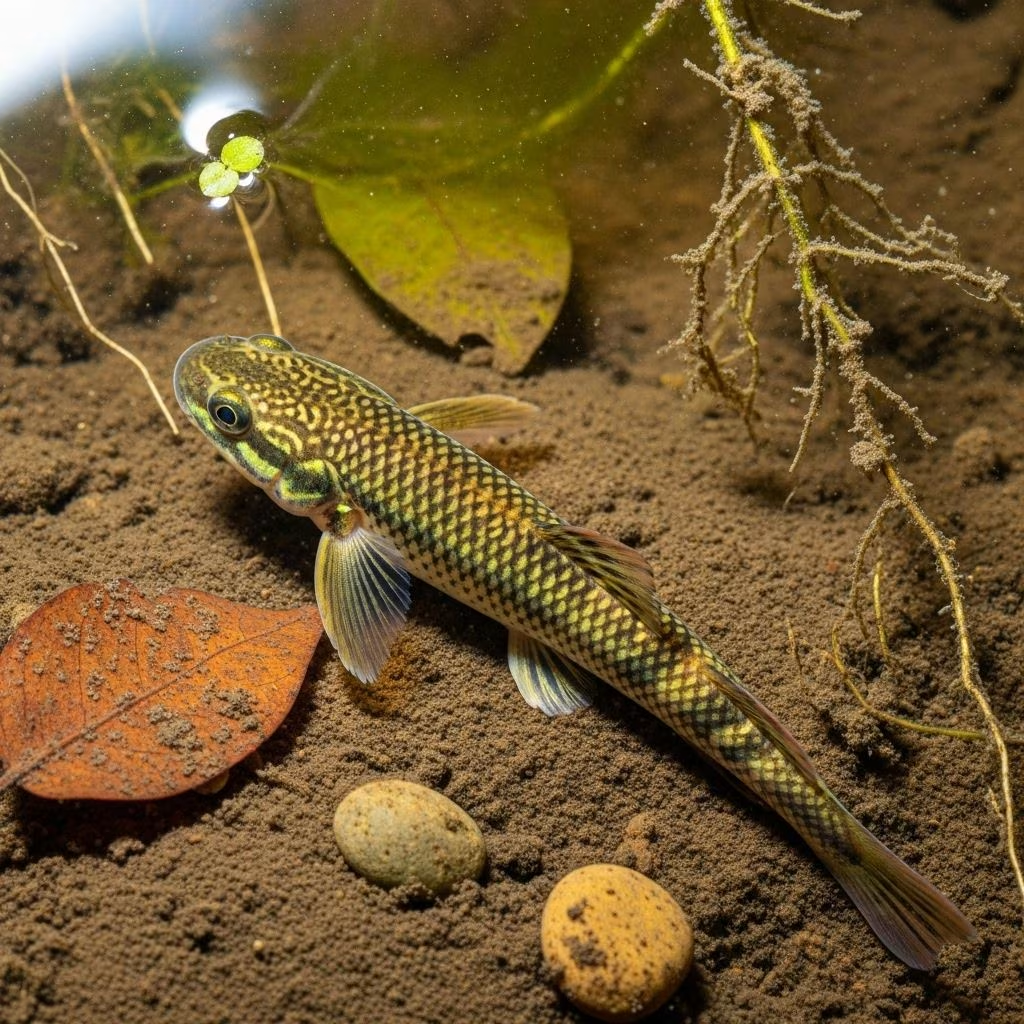
Mudfish is a name given to various freshwater fish renowned for their resilience, unique physiology, and surprising culinary and cultural significance. While often overlooked in mainstream cuisine, mudfish—or bowfin in North America and kōwaro in New Zealand—deserves a closer look for its fascinating biology, survival skills, nutritional properties, and diverse uses in cooking across the world.
Overview: What is Mudfish?
Mudfish is a common name for several air-breathing freshwater fish species that thrive in swampy, low-oxygen environments. In North America, the term most often refers to the bowfin (Amia calva), an ancient, ray-finned fish species known for its adaptability and tough, prehistoric build. In New Zealand, five threatened species of mudfish inhabit wetlands, pools, and slow-moving streams, playing crucial roles in local ecosystems.
- North American Mudfish (Bowfin): Also called grinnel, dogfish, or choupique, known for its flattened head, long body, and distinctive dorsal fin.
- New Zealand Mudfish: Includes black, brown, Canterbury, Northland, and Chatham Island mudfish. All are at risk or threatened.
Mudfish are perfectly built to survive in difficult aquatic habitats and can even breathe air—making them survivors where few others succeed.
Key Species and Their Habitats
North American Bowfin (Amia calva)
The bowfin is native to much of the eastern United States and southern Canada. Its preferred environments are oxbow lakes, sluggish rivers, stagnant swamps, and muddy, vegetation-rich backwaters. They are known for their:
- Stout, elongated bodies (can grow over 25 inches and exceed 20 pounds)
- Brightly marked fins, especially in breeding males
- Ability to live over 10 years in the wild
- Predatory nature, feeding on fish, crayfish, shrimp, frogs, and insects
New Zealand Mudfish
Mudfish species in New Zealand have evolved to survive droughts by burrowing into soft mud when wetlands dry out. Each species is usually confined to specific regions:
- Northland Mudfish: Endemic to northern areas around Lake Omapere
- Black Mudfish: From Waikato to Northland in wetlands
- Brown Mudfish: The most widespread, found in the lower North Island and parts of the South Island
- Canterbury Mudfish: Critically endangered, confined to Canterbury Plains rivers
- Chatham Island Mudfish: Limited to a few lakes and streams on Chatham Island
Their typical appearance is eel-like, with robust bodies, no scales, and slippery skin, growing usually 9–12 cm but sometimes up to 17.5 cm in length.
Adaptations and Survival Abilities
Mudfish are sometimes described as “living fossils” due to their ancient lineage and remarkable adaptations:
- Air Breathing: Bowfin and New Zealand mudfish possess swim bladders or accessory breathing organs that enable them to gulp atmospheric air. This allows survival in stagnant, low-oxygen, or even hypoxic waters.
- Drought Survival: New Zealand mudfish can aestivate—enter a state of dormancy almost like hibernation—when wetlands dry out, emerging when water returns.
- Highly Tolerant: Both bowfin and New Zealand species can withstand extreme temperatures, turbid water, and extensive periods of low environmental quality.
- Tough Physique: Bowfin have thick, dense skulls and sturdy bodies for protection and predation.
These features make mudfish a keystone species in their habitats, often the last survivors when ponds, lakes, or rivers dwindle.
Nutritional Benefits of Mudfish
Mudfish, especially the bowfin, are relatively underutilized as a mainstream food source in many regions, yet they offer distinct nutritional advantages:
- High Protein Content: Like most freshwater fish, mudfish are a good source of lean protein, essential for muscle growth and tissue repair.
- Omega-3 Fatty Acids: Bowfin and other mudfish provide omega-3 fats, vital for heart and brain health.
- Low Mercury Level: Due to their shorter lifespan (most live under 10 years), mudfish typically accumulate less mercury than some longer-lived predators.
- Vitamins and Minerals: They offer important micronutrients, including B vitamins, phosphorus, selenium, and potassium.
In some cultures, mudfish roe (eggs) is highly valued for its nutritional density and unique taste. In fact, there is a specialized market for bowfin caviar in North America.
Culinary Uses of Mudfish
Mudfish has traditionally been a marginalized food fish in some cultures due to social perceptions and misconceptions about its taste or suitability. However, mudfish has developed a distinct following in certain regions and cuisines.
- Louisiana and Cajun Cuisine: Bowfin, known as choupique, is enjoyed in Louisiana as fried fish, stews, or as the source of so-called “choupique caviar.”
- Southern United States: Bowfin is sometimes smoked or used in gumbo-style recipes by locals who appreciate its firm flesh and flavor.
- Nigerian and West African Cuisine: The term “mudfish” is also used in West Africa to refer to various air-breathing catfish, which are dried, smoked, and used to enrich soups and stews, thanks to their bold, earthy flavors.
- New Zealand: While native mudfish are not commonly used as food due to their threatened status, historically, they have been consumed by indigenous Māori communities.
- Caviar Substitute: Bowfin roe is prized as an affordable substitute for sturgeon caviar and exported globally.
Taste Profile: What Does Mudfish Taste Like?
The taste of mudfish varies by species and region, but a few generalizations can be given:
- Texture: Bowfin flesh is somewhat firm, dense, and can be slightly chewy due to its musculature; best when fresh.
- Flavor: On its own, mudfish can have an earthy, pronounced flavor that some describe as slightly muddy or grassy, reflecting its wetland habitat. This makes it less mild than popular white-fleshed fish.
- Versatility: When cooked fresh and with the right seasoning, mudfish can be enjoyable, particularly in spicy or boldly flavored dishes. Drying, smoking, or curing the flesh also enhances its palatability.
- Roe (Caviar): Bowfin eggs are black, with a pronounced, tangy taste, and are described as a less delicate but flavorful caviar option.
The taste is certainly not for everyone, but in regions where it’s part of tradition, mudfish is an acquired and appreciated delicacy.
Cultural and Ecological Significance
Cultural Significance
- In Louisiana and among indigenous North American communities, bowfin has long held cultural value but is sometimes dismissed as a “rough fish” by modern anglers.
- Mudfish in New Zealand, or kōwaro, are treasured for their role in Māori culture as both food and an ecological indicator species.
- In West Africa, “mudfish” is a catch-all for several edible, air-breathing fish that are vital to traditional diets.
Ecological Importance
- Mudfish help control insect, crustacean, and smaller fish populations, maintaining balance in wetlands and shallow aquatic habitats.
- Their ability to survive drought and poor water quality makes them critical to ecosystem resilience and recovery.
- Several mudfish species are now threatened due to habitat degradation, water extraction, and loss of wetlands, making conservation a priority.
Cooking Tips and Recipe Suggestions
- Select the freshest fish possible — mudfish flesh degrades quickly; cook promptly after catching or purchase.
- Brine or marinate the fillets before cooking to mellow out earthier flavors.
- Fillets work well battered and fried, grilled with bold spices, or incorporated into gumbo, stew, or chowder.
- Smoking and drying are traditional preservation methods, especially for use in soups and as a protein-rich snack.
- Use fresh herbs, garlic, lemon, pepper, and chili for robust seasoning to complement the flavor.
Bowfin caviar can be prepared similarly to sturgeon caviar: served over blinis, crackers, or as a garnish on egg and seafood dishes.
Frequently Asked Questions (FAQs)
Q: Are all mudfish edible?
A: Most species referred to as mudfish are technically edible, especially bowfin. However, in New Zealand, native mudfish are protected, threatened, and should not be harvested for food. Always verify local regulations before consuming any wild-caught fish.
Q: Is mudfish healthy to eat compared to other fish?
A: Generally, mudfish provides lean protein, healthy fats, and essential nutrients. However, its taste and texture may not appeal to everyone. Like other wild fish, ensure proper preparation and check for local consumption recommendations.
Q: Why is mudfish sometimes considered a ‘trash’ or ‘rough’ fish?
A: This perception arose because mudfish are hardy, often caught unintentionally, and sometimes considered less desirable than popular game fish. Negative associations with their habitats or culinary value persist, although tastes are changing in some areas.
Q: How do you prepare bowfin roe (mudfish caviar)?
A: Bowfin roe is lightly salted and cured to produce a low-cost caviar. It is enjoyed as a spread or garnish and pairs well with eggs, seafood, and canapés. The flavor is bold and slightly tangy compared to expensive sturgeon caviar.
Q: Can mudfish survive out of water?
A: Yes, mudfish in both North America and New Zealand can tolerate low oxygen and periods out of water by breathing air or surviving encased in damp mud, a rare adaptation among fish.
References
- Mississippi Department of Wildlife, Fisheries, and Parks – Bowfin Fish ID Guide
- North American Native Fishes Association – Mudfish on the Menu? (PDF)
- Department of Conservation (NZ) – Mudfish Facts
- Southern Cultures – Mudfish Article
References
- https://www.mdwfp.com/fishing-boating/fish-id-guide/bowfin
- https://www.nanfa.org/ac/Bowfin%20Amia%20calva%20Mudfish.pdf
- https://www.doc.govt.nz/nature/native-animals/freshwater-fish/mudfish/
- https://www.southerncultures.org/article/mudfish/
- https://en.wikipedia.org/wiki/Bowfin
- https://www.floridamuseum.ufl.edu/discover-fish/species-profiles/bowfin/
- https://www.youtube.com/watch?v=9vhWlVMYagU
- https://www.fishbase.se/summary/clarias-anguillaris.html
- https://africa.si.edu/exhibits/animals/mudfish.html


