


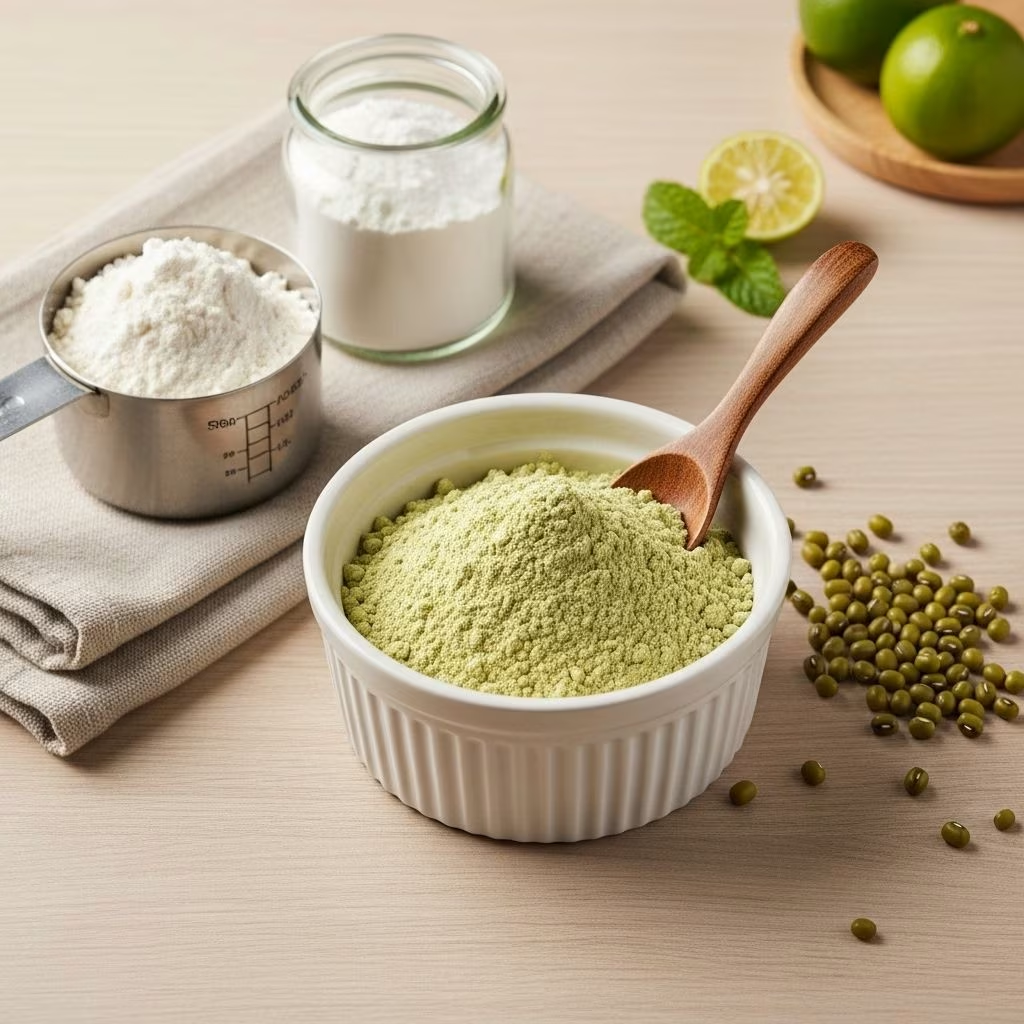
Mung bean starch has risen from regional kitchens to international bakeries, known for its versatility, health profile, and suitability in gluten-free cooking. This article explores its culinary applications, smart substitutes, and comprehensive nutrition facts to illuminate its modern place in baking and healthy cuisine.
What Is Mung Bean Starch?
Mung bean starch is a fine, white powder extracted from the mung bean (Vigna radiata). Unlike whole mung beans, the starch is almost pure carbohydrate, with negligible protein and fat. It is naturally gluten-free, making it popular in Asian cuisines where it forms the backbone of recipes like jellies, cakes, and noodles.
- Origin: Widely used across China, Southeast Asia, and India.
- Texture: Provides a smooth, transparent, sometimes chewy quality in baked goods.
- Flavor: Mild and neutral, adapts easily to both sweet and savory recipes.
- Typical Forms: Available as a flour, or mixed with water to create gels and batters.
Baking Applications of Mung Bean Starch
Mung bean starch lends unique properties to baked goods, especially those requiring a soft and bouncy texture or a gluten-free foundation. Here’s how it’s commonly used:
- Thickener: Like cornstarch, it thickens custards, puddings, and pie fillings, giving a glossy finish.
- Binder: Essential in gluten-free doughs to provide structure, mimicking gluten’s elasticity.
- Texture Booster: In cakes or breads, creates chewiness or a silky mouthfeel.
- Moisture Retention: Keeps baked goods tender by trapping water within the starch network.
- Jellies & Asian Sweets: Major ingredient in translucent cakes (like Ongol Ongol), mooncakes, and jellied desserts.
- Dessert Wrappers: Used in spring roll skins and dumpling wrappers for a delicate, yet pliable texture.
Classic Recipes Using Mung Bean Starch
Mung Bean Cake (Chinese Lvdougao)
Traditional mung bean cakes highlight the starch’s ability to form smooth, moldable pastes. In China, these gently flavored sweets are shaped with mooncake molds and sometimes colored with matcha powder.
- Pre-soak and cook mung beans, then mash and mix with butter, vegetable oil, and sugar.
- Strain the paste for a fine texture, divide, and shape with molds.
- Wrap with red bean paste for added contrast.
Nutrition (per 100g): 405 kcal, 51g carbohydrate, 14.1g protein, 16.8g fat, 12.5g fiber.
Ongol Ongol (Mung Bean Starch Cake)
An Indonesian specialty, Ongol Ongol uses pure mung bean starch, coconut milk, and palm sugar to create chewy, translucent squares rolled in grated coconut.
- Mung bean flour is mixed with coconut milk and sugars, simmered until thick.
- The mixture sets into a firm, bouncy texture, then is sliced and coated in steamed coconut.
- Popular as a vegan, gluten-free treat across Southeast Asia.
Mung Bean Oatmeal Breakfast Bake
This modern gluten-free bake combines cooked mung beans with oat flour, eggs, plant milk, spices, and sweeteners for a protein-rich, high-fiber breakfast dish.
- Blend oats into flour, mix with cooked mung beans and wet ingredients.
- Bake in ramekins for individual servings, optionally topped with coconut cream or maple syrup.
- Add baking powder for extra fluffiness or spices for flavor depth.
How to Use Mung Bean Starch in Modern Baking
Home bakers and chefs can leverage mung bean starch beyond traditional recipes. Key tips and ideas include:
- Replacement in Gluten-Free Recipes: Substitute 1:1 for cornstarch or potato starch in bread, muffins, or cake batters for a subtle, chewy texture.
- Custards & Fillings: Mix with cold liquids first, then gently heat and stir until thick and translucent. Works well with plant-based milks and coconut creams.
- No-Bake Desserts: Combine with fruit juices or teas to create clear jellies and puddings.
- Cookie Texture: Adds silkiness to shortbread or sandwich cookie fillings.
- Asian Fusion: Experiment with classic Western bakes (like pound cake or brownies) by integrating a percentage of mung bean starch for improved moisture retention.
Note: For best results in baking, combine mung bean starch with another gluten-free flour (like rice or oat flour) to balance structure and flavor.
Substitutes for Mung Bean Starch
While mung bean starch is unique, several alternatives perform similar functions. Choose based on recipe needs, allergy profiles, and available ingredients.
| Substitute | Best For | Texture Result | Notes |
|---|---|---|---|
| Cornstarch | Thickening sauces, puddings | Glossy, slightly firm | Widely available, neutral taste |
| Potato Starch | Gluten-free baking, chewy cakes | Chewy, clear gels | Similar moisture retention |
| Tapioca Starch | Puddings, breads | Elastic, slightly bouncy | Popular in vegan and GF desserts |
| Arrowroot Starch | Clear jellies, cookies | Light, silky | Good for delicate recipes |
| Rice Flour | Bread and cake structure | Dry, crumbly unless combined | Not a starch, but useful to blend |
When substituting, pay attention to the desired texture: cornstarch and potato starch yield firmer consistency, while tapioca and arrowroot are best for chewy or bouncy results. Mung bean starch’s major advantage is its clean flavor and transparent finish, which some substitutes may not fully match.
Nutritional Profile of Mung Bean Starch
Unlike whole mung beans, the pure starch contains mostly carbohydrates with almost no protein, fat, or micronutrients. However, recipes made with mung bean starch plus other ingredients may offer high fiber, plant protein, and essential vitamins.
| Nutrient (per 100g) | Mung Bean Starch | Whole Mung Beans |
|---|---|---|
| Calories | ~350 kcal | 347 kcal |
| Carbohydrates | ~85g | 63g |
| Protein | <1g | 23.9g |
| Fat | ~0g | 1.2g |
| Fiber | Traces | 16g |
| Sugar | ~0g | <7g |
| Calcium | <5mg | 132mg |
| Iron | <0.5mg | 6.7mg |
For nutrient-rich results, combine mung bean starch with high-protein flours, nuts, seeds, or pulses in the recipe. Mung bean cakes and other classics typically balance starch with fiber and protein from whole beans and added ingredients.
Health Benefits and Limitations
Mung bean starch is ideal for those seeking gluten-free, vegan dessert and baking options. Its key health attributes include:
- Gluten-Free: Safe for people with celiac disease or gluten sensitivity.
- Allergy Friendly: Low risk of allergic reactions; often used in hypoallergenic diets.
- Digestibility: Easy to digest, suitable for kids and those with sensitive digestion.
- Versatile for Special Diets: Works with dairy-free, vegan, or low-fat meal plans.
Limitations:
- Low Protein & Fiber: Pure starch does not provide the protein or fiber found in whole legumes. Use with complementary flours or mix-ins for balanced nutrition.
- High Glycemic Index: As an almost pure carbohydrate, can cause blood sugar spikes unless paired with high-fiber or fat-rich ingredients.
- Lack of Micronutrients: Minimal vitamins and minerals unless blended with nutritious foods.
Frequently Asked Questions (FAQs)
Q: Is mung bean starch gluten-free?
A: Yes, it is naturally gluten-free and a common ingredient in Asian gluten-free cakes, noodles, and desserts.
Q: Can I use mung bean starch as a substitute for cornstarch or potato starch in baking?
A: Yes, mung bean starch can substitute for most starches 1:1 in recipes like cakes, sauces, puddings, and cookies. Adjust liquid amounts for ideal thickness depending on the substitute.
Q: What is the difference between mung bean flour and mung bean starch?
A: Mung bean flour contains the whole bean (protein, fiber, micronutrients), while mung bean starch is pure carbohydrate extracted from the legume. Starch works as a thickener or binder; flour acts more like traditional flour in baking.
Q: Are desserts made with mung bean starch healthy?
A: They are generally lower in protein and fiber than whole bean desserts but well-suited to gluten-free, allergy-friendly, or vegan diets. For balanced nutrition, pair with nuts, seeds, whole grains, or high-fiber fruits and vegetables.
Q: How should I store mung bean starch desserts?
A: Store finished goods in airtight containers at room temperature for up to 1 week, or in the refrigerator up to 5 days. Freezing alters texture in recipes like Ongol Ongol or mooncakes.
Q: What desserts can I make with mung bean starch?
A: Popular options include jellies, translucent cakes, mooncakes, puddings, steamed buns, and vegan bakery items. It is also excellent in no-bake bars or layered drinks (for boba pearls).
Tips for Home Bakers Using Mung Bean Starch
- Blend with other gluten-free flours for best baking results.
- Use as a thickening agent for custards or sauces.
- For chewy Asian cakes, cook starch slowly to let the gel form completely.
- Color with natural matcha, pandan, or beetroot powders for visual appeal.
- Incorporate plenty of fruit or nut toppings for flavor and balanced nutrition.
Conclusion
Mung bean starch is a staple ingredient that bridges traditional Asian confectionery and modern gluten-free baking. Its clean flavor, superb binding and thickening properties, and simple allergen profile allow for delicious cakes, cookies, bars, and puddings suitable for various diets. While not nutrient-dense on its own, combining mung bean starch with protein- and fiber-rich ingredients invites a new dimension of health and flavor to baked goods around the world.


