


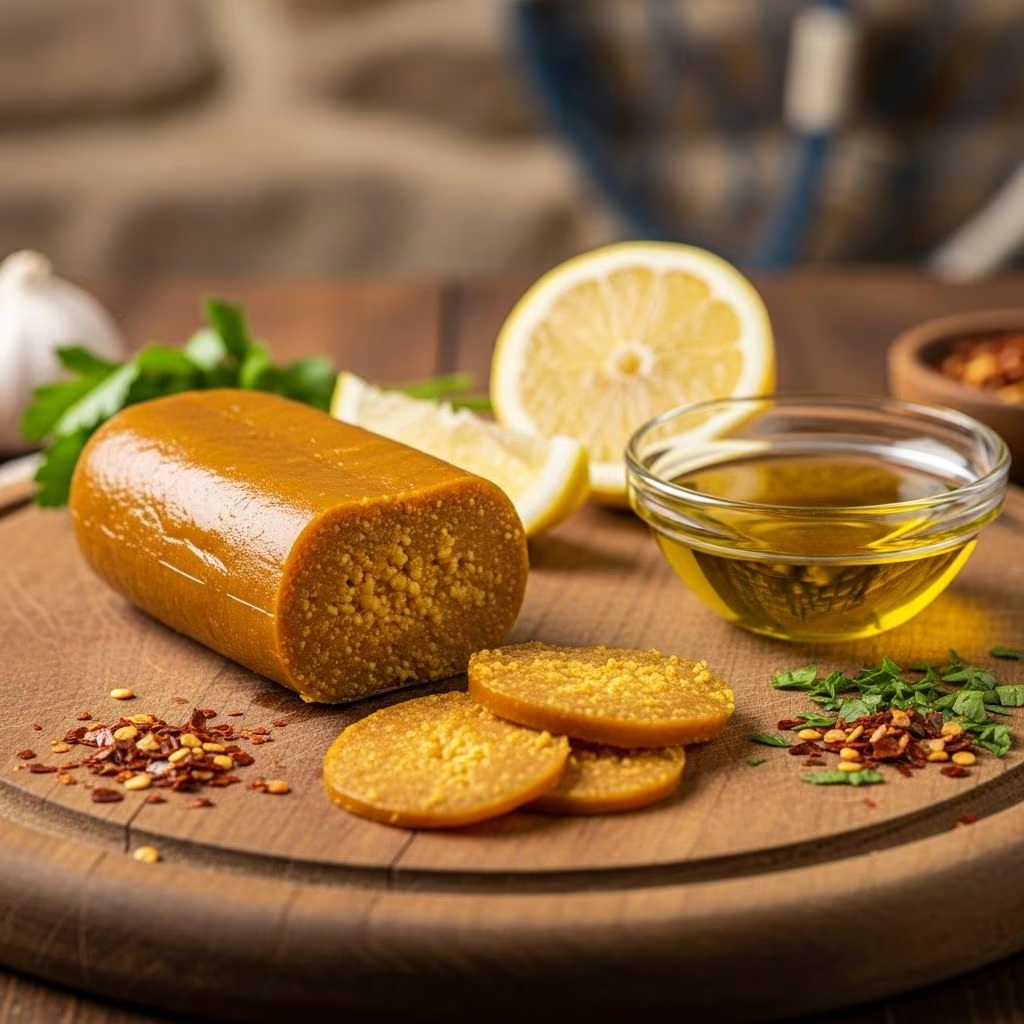
What Is Bottarga (Mullet Roe)?
Bottarga is a prized Mediterranean delicacy made from the salted, cured, and dried roe (eggs) of certain fish species, most commonly the grey mullet. Often referred to as the “caviar of the South” or “Mediterranean Gold,” this amber-colored delicacy has been treasured for centuries across coastal regions of Italy, Spain, Greece, and North Africa.
The name “bottarga” derives from the Arabic word “butarikh,” reflecting the dish’s ancient origins in Mediterranean and Middle Eastern cuisine. This culinary treasure represents one of the oldest forms of fish preservation, with evidence of similar preparations dating back to ancient Phoenician and Byzantine civilizations.
Bottarga is created primarily from two main species: the flathead grey mullet (Mugil cephalus) and the thinlip grey mullet (Liza ramada), both abundant in Mediterranean waters. The resulting product is a firm, waxy block with an intense, concentrated flavor that embodies the essence of the sea.
How Bottarga Is Made
The traditional production of bottarga is a meticulous process that transforms fresh fish roe into a concentrated delicacy through careful salting, pressing, and drying techniques.
Traditional Production Steps
The process begins with the careful extraction of intact roe sacs from fresh mullet, typically during the fish’s spawning season when the eggs are at their peak quality. The roe sacs are then thoroughly cleaned and prepared for the curing process.
The first crucial step involves salting, where the roe sacs are completely covered in coarse sea salt for approximately one hour per 200 grams of roe. This salting process not only begins the preservation but also helps remove excess moisture and some heavy metals like copper and aluminum from the roe.
Following the salting phase, the roe undergoes pressing to remove additional moisture and achieve the characteristic dense texture. The pressed roe is then carefully dried in controlled conditions, often in well-ventilated areas away from direct sunlight, allowing it to develop its signature firm, waxy consistency over several weeks.
Modern Production Techniques
Contemporary bottarga production maintains traditional methods while incorporating modern food safety standards and quality control measures. The controlled environment ensures consistent results and reduces the risk of contamination while preserving the authentic flavor profile that has made bottarga famous worldwide.
Nutritional Profile and Health Benefits
Bottarga is nutritionally dense, offering an impressive array of essential nutrients in a concentrated form. One cup of bottarga (approximately 238 grams) contains around 952 calories, making it a calorie-rich food that should be consumed in moderation.
Macronutrient Breakdown
| Nutrient | Amount per 100g | % Daily Value |
|---|---|---|
| Protein | 50g | 100% |
| Total Fat | 20g | 26% |
| Saturated Fat | 5g | 25% |
| Carbohydrates | 0g | 0% |
| Cholesterol | 250mg | 83% |
| Sodium | 4000mg | 174% |
Essential Fatty Acids and Omega-3 Benefits
Bottarga is particularly rich in omega-3 fatty acids, essential compounds that the human body cannot produce independently. These beneficial fats support cardiovascular health, brain function, and anti-inflammatory processes throughout the body. The high concentration of omega-3s makes bottarga especially valuable for athletes and individuals seeking to optimize their physical and mental performance.
Vitamin and Mineral Content
The vitamin profile of bottarga is extensive, including significant amounts of Vitamin C, Vitamin B1, Vitamin E, Vitamin A, and Vitamin K. Additionally, bottarga provides essential minerals such as zinc, selenium, calcium, iron, and potassium, contributing to various bodily functions from immune system support to bone health.
Protein Quality and Amino Acids
With protein representing approximately 57% of bottarga’s caloric value, this delicacy provides over 22 grams of high-quality protein per 100 grams. The Essential Amino Acid to Total Amino Acid ratio (EAA/TAA) increases during the curing process, enhancing the biological value of the protein and making it particularly beneficial for muscle development and recovery.
Taste and Texture Profile
Bottarga delivers a complex flavor profile that captures the essence of the Mediterranean Sea in concentrated form. The taste is intensely savory with pronounced umami characteristics, often described as briny, nutty, and slightly sweet with subtle mineral undertones.
Flavor Characteristics
The distinct yet delicate flavor of bottarga is what places it at the pinnacle of gourmet ingredients. Unlike the aggressive saltiness one might expect, quality bottarga offers a balanced salinity that enhances rather than overwhelms other ingredients. The flavor develops layers as it’s consumed, beginning with an initial ocean-like brininess that evolves into more complex nutty and mineral notes.
Texture and Appearance
Properly cured bottarga has a firm, waxy texture that can be easily grated or sliced thin. The exterior typically develops a protective natural casing during the drying process, while the interior maintains a dense, slightly granular consistency. The color ranges from golden amber to deep orange, depending on the fish species and curing conditions.
Aroma Profile
The aroma of bottarga is distinctive and immediately recognizable to those familiar with Mediterranean cuisine. It carries the concentrated scent of the sea with earthy undertones, becoming more pronounced when grated or heated, releasing volatile compounds that enhance its culinary impact.
Culinary Uses and Applications
Bottarga’s versatility in the kitchen has made it a staple ingredient in high-end restaurants worldwide, earning its place in the menus of the most distinguished gourmet establishments globally.
Traditional Mediterranean Preparations
In its native Mediterranean regions, bottarga is commonly served as a simple appetizer, thinly sliced and drizzled with high-quality olive oil and a squeeze of fresh lemon. This preparation allows the pure flavor of the bottarga to shine while the oil provides richness and the lemon adds brightness to balance the intensity.
One of the most celebrated applications is in pasta dishes, where grated bottarga is tossed with al dente spaghetti, olive oil, garlic, and sometimes a touch of chili pepper. This classic preparation, known as “spaghetti alla bottarga,” represents the pinnacle of simple yet sophisticated Italian cuisine.
Modern Culinary Applications
Contemporary chefs have embraced bottarga as a flavor enhancer in numerous innovative ways. It can be grated over salads to add depth and complexity, incorporated into bread and focaccia dough, or used as a finishing element for risottos and seafood dishes.
The ingredient also works exceptionally well in Mediterranean-style scrambled eggs, where small amounts are grated into the eggs during cooking, creating a luxurious and protein-rich breakfast or brunch dish.
Pairing Suggestions
Bottarga pairs beautifully with ingredients that complement its oceanic intensity without competing with its distinctive flavor. Classic pairings include fresh tomatoes, white beans, artichokes, and bitter greens like arugula or radicchio. The salt content and umami characteristics make it an excellent companion to citrus fruits, particularly lemon and orange.
Types and Varieties of Bottarga
While mullet bottarga is the most traditional and widely recognized variety, several different types exist, each offering unique characteristics based on the source fish species and production methods.
Mullet Bottarga Varieties
The two primary mullet species used for bottarga production are the flathead grey mullet (Mugil cephalus) and the thinlip grey mullet (Liza ramada). Each species contributes slight variations in flavor intensity, texture, and nutritional composition, with the flathead grey mullet generally producing a more robust flavor profile.
Tuna Bottarga
Tuna bottarga, considered a modern interpretation of the traditional preparation, offers a different flavor experience. Made from bluefin tuna roe, this variety tends to be more intense and slightly more complex in flavor, with a firmer texture and deeper color than mullet varieties.
Regional Variations
Different Mediterranean regions have developed their own traditional methods and preferences for bottarga production. Italian bottarga di muggine from Sardinia is particularly prized, while Spanish mojama and Greek avgotaraho each offer regional interpretations of this ancient preservation technique.
Storage and Preparation Tips
Proper storage and preparation of bottarga are essential for maintaining its quality and maximizing its culinary potential.
Storage Guidelines
Whole bottarga should be stored in a cool, dry place, ideally wrapped in parchment paper and kept in the refrigerator. When stored properly, bottarga can maintain its quality for several months. Once opened or grated, it should be used more quickly to prevent oxidation and flavor deterioration.
Preparation Techniques
The most common preparation method involves using a fine grater or microplane to create delicate shavings that can be distributed evenly throughout dishes. For slicing, a sharp knife can create thin, translucent pieces that work well as garnishes or in layered preparations.
When using bottarga in hot dishes, it’s generally added at the end of cooking or as a finishing element, as excessive heat can cause the delicate flavors to become harsh or bitter.
Health Considerations and Precautions
While bottarga offers numerous nutritional benefits, there are several health considerations to keep in mind when incorporating this delicacy into your diet.
Sodium Content Awareness
The most significant health consideration with bottarga is its extremely high sodium content, with levels reaching over 4000mg per 100 grams. This represents more than 170% of the recommended daily sodium intake, making moderation essential for individuals monitoring their salt consumption or managing hypertension.
Cholesterol Considerations
Bottarga is also high in cholesterol, containing approximately 250mg per 100 grams. While dietary cholesterol’s impact on blood cholesterol varies among individuals, those with existing cardiovascular conditions should consume bottarga in moderation and consult with healthcare providers if necessary.
Beneficial Health Aspects
Despite these considerations, bottarga provides significant health benefits when consumed appropriately. The high protein content makes it excellent for muscle building and recovery, while the omega-3 fatty acids support cardiovascular and brain health. The presence of antioxidant vitamins C and E, along with selenium and zinc, contributes to immune system support and cellular protection.
The absence of carbohydrates, sugars, and artificial additives makes bottarga suitable for various dietary approaches, including low-carb and ketogenic diets. Its natural preparation methods ensure that consumers receive a pure, minimally processed product.
Frequently Asked Questions
What does bottarga taste like?
Bottarga has an intensely savory, briny flavor with umami characteristics. It tastes like a concentrated essence of the sea, with nutty and slightly sweet undertones. The flavor is complex but balanced, not overwhelmingly salty when produced properly.
How do you eat bottarga?
Bottarga can be grated over pasta, sliced thin for appetizers with olive oil and lemon, or incorporated into various Mediterranean dishes. It’s commonly used as a finishing ingredient rather than cooked extensively, as heat can make the flavor harsh.
Is bottarga healthy?
Bottarga is nutritionally dense, rich in protein, omega-3 fatty acids, and various vitamins and minerals. However, it’s extremely high in sodium and cholesterol, so it should be consumed in moderation as part of a balanced diet.
How long does bottarga last?
Properly stored whole bottarga can last several months in the refrigerator when wrapped in parchment paper. Once grated or sliced, it should be used within a few days to maintain optimal flavor and quality.
Can I substitute bottarga with other ingredients?
While nothing exactly replicates bottarga’s unique flavor, alternatives for umami depth include high-quality anchovies, aged hard cheeses like Parmigiano-Reggiano, or other cured fish products, though each will provide a different flavor profile.
Is bottarga suitable for special diets?
Bottarga is naturally carbohydrate-free and contains no artificial additives, making it suitable for low-carb, ketogenic, and paleo diets. However, its high sodium content may not be appropriate for low-sodium diets or certain medical conditions.
References
- https://bottargastefos.com/index.php/about
- https://www.snapcalorie.com/nutrition/bottarga_nutrition.html
- https://www.bottarga.com/%D7%99%D7%AA%D7%A8%D7%95%D7%A0%D7%95%D7%AA-%D7%91%D7%A8%D7%99%D7%90%D7%95%D7%AA%D7%99%D7%99%D7%9D/?lang=en
- https://imperiacaviar.com/blogs/blog/what-is-bottarga
- https://pmc.ncbi.nlm.nih.gov/articles/PMC7600528/
- https://www.dukesgourmet.com/blogs/dukes-blog/what-is-bottarga
- https://www.wisdomlib.org/ingredients/bottarga


