


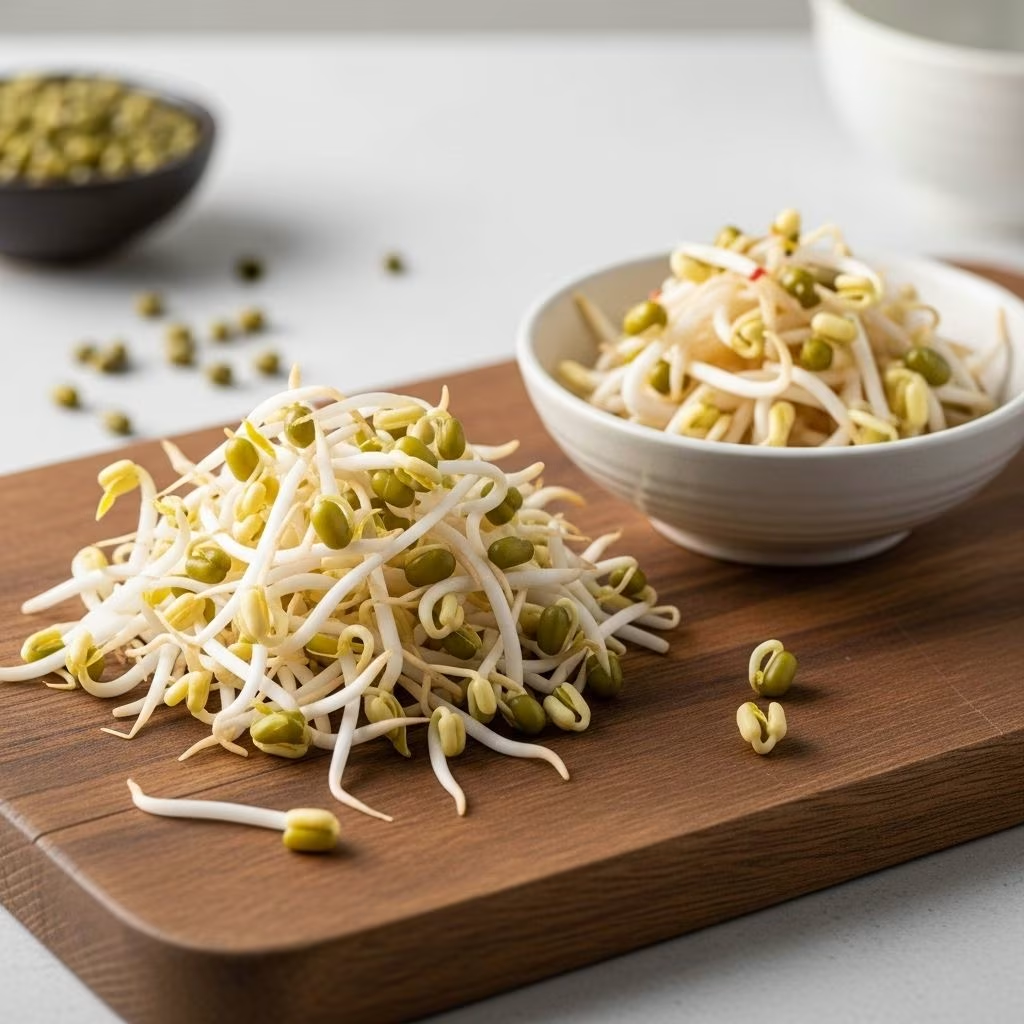
Mung bean sprouts are among the most popular edible sprouts worldwide, valued not just for their crisp texture and mild, sweet flavor, but also for their outstanding nutritional profile and health benefits. This comprehensive guide covers everything you need to know about mung bean sprouts—from their origins and nutritional composition to their health benefits, culinary applications, and distinctive taste. Whether you’re a health enthusiast or a curious cook, understanding mung bean sprouts can enhance your daily diet with both variety and nourishment.
Introduction to Mung Bean Sprout
Mung bean sprouts are the young shoots produced by sprouting the seeds of the mung bean (Vigna radiata), a legume native to India and widely cultivated across Asia. The process of sprouting greatly enhances the bean’s digestibility and nutritional value. Mung bean sprouts have become a global ingredient, featured prominently in Asian cuisines and increasingly, in international salads and fusion dishes.
- Also Known As: Chinese bean sprout, green gram sprout
- Appearance: Slender white shoots with tiny green/yellow seed heads; typically 2–5 cm long
- Common Forms: Raw (fresh), blanched, or cooked in various dishes
Nutritional Profile of Mung Bean Sprout
Mung bean sprouts are highly regarded for their concentration of essential nutrients in a low-calorie package. The nutritional boost from sprouting makes them a powerhouse addition to many diets, especially plant-based and weight-conscious eating patterns.
| Nutrient | Amount per 100g (Sprouted) | Key Benefits |
|---|---|---|
| Calories | ~30 kcal | Low energy density |
| Protein | ~3 g | Supports muscle and cell repair |
| Carbohydrates | ~5 g | Provides energy |
| Dietary Fiber | ~1.8 g | Supports digestion |
| Fat | 0.2 g | Very low |
| Vitamin C | 13.2 mg | Antioxidant, immunity |
| Vitamin A (as Beta-Carotene) | ~13 mcg | Vision, cell growth |
| Vitamin E | ~0.1 mg | Antioxidant |
| Folate (B9) | ~61 mcg | Cell growth, pregnancy support |
| Potassium | ~79 mg | Heart health, fluid balance |
| Iron | ~0.9 mg | Blood oxygen, energy |
| Phosphorus | ~32 mg | Bone health |
Mung bean sprouts also deliver moderate amounts of magnesium, zinc, manganese, vitamin B1 (thiamine), B2 (riboflavin), niacin, and other micronutrients. The sprouting process increases the levels of free amino acids, certain antioxidants, and makes minerals more bioavailable.
Macronutrient and Micronutrient Highlights
- High in Plant-Based Protein: About 20–27% by dry weight in seeds, nearly 3g per 100g fresh sprouts
- Rich in Essential Amino Acids: Especially leucine, isoleucine, lysine, and arginine
- Abundant in Antioxidants: Polyphenols such as vitexin and isovitexin protect against oxidative stress
- Excellent Source of Fiber: Soluble and insoluble fibers promote regularity and colon health
Top Health Benefits of Mung Bean Sprout
The unique blend of nutrients and bioactive compounds in mung bean sprouts contributes to numerous proven and emerging health benefits.
- Supports Digestive Health: The ample fiber (including pectin and resistant starch) in mung bean sprouts helps promote digestion, regularity, and the growth of healthy gut bacteria. The sprouts are easier to digest than many other legumes and cause less flatulence.
- Blood Sugar Management: Sprouts have a low glycemic index, and their combination of fiber, protein, and polyphenols aids in stabilizing blood sugar levels, reducing the risk of insulin spikes. Antioxidants like vitexin further enhance insulin effectiveness.
- Heart Health: Consuming mung bean sprouts may help lower LDL cholesterol and blood pressure. Soluble fibers, magnesium, and potassium work synergistically to support heart function and reduce cardiovascular risk factors.
- Weight Management: Low in calories, high in protein and fiber, mung bean sprouts support satiety and can be a filling, nutritious addition to weight-loss diets.
- Rich in Antioxidants: Mung bean sprouts are abundant in polyphenols, flavonoids, and vitamin C, which help neutralize free radicals and reduce chronic disease risk.
- Pregnancy and Cell Health: A rich source of folate (folic acid), they are valuable for fetal development and cellular repair.
- Immunomodulatory Effects: Some studies show mung bean peptides and polyphenols help modulate the immune system, potentially lowering disease risk.
- Detoxification: Used traditionally to help counteract heatstroke and support detox, due to their cooling properties and nutrient profile.
Other Potential Benefits
- Support for healthy skin and prevention of skin darkening, due to antioxidant and anti-melanogenic compounds
- Possible anticancer properties, as suggested by research on bioactive peptides and polyphenols
- Liver protection (hepatoprotective effects)
Culinary Uses of Mung Bean Sprout
Mung bean sprouts are prized for their remarkable culinary versatility. Their neutral, slightly sweet flavor and crisp bite make them welcome additions to a vast array of dishes.
- Raw Applications: Common in fresh salads, as a crunchy topping for sandwiches and wraps, or as a garnish for Asian dishes.
- Wok and Stir-fry Dishes: Sautéed quickly at high temperatures to retain crunch and sweetness; featured in classics like chop suey, pad thai, and Korean japchae.
- In Soups: Added at the end of cooking to impart crisp texture, commonly found in pho or hot-and-sour soups.
- Spring Rolls and Dumplings: Common as fillings in Vietnamese, Chinese, and Thai rolls and dumplings.
- Lightly Cooked: Blanched or briefly steamed to enhance safety and flavor, then tossed into salads or noodle dishes.
For best results, always add mung bean sprouts towards the end of cooking to preserve their characteristic crunch and delicate nutrients.
Sample Dishes Featuring Mung Bean Sprouts
- Asian slaw with fresh sprouts, cabbage, and sesame dressing
- Chicken or shrimp pad thai with mung bean sprout garnish
- Homemade spring or summer rolls with a bundle of crunchy sprouts
- Spicy Korean kimchi pancakes with chopped sprouts
- Vegetable stir-fry with tofu, bell pepper, and mung bean sprouts
Taste and Texture
The taste of mung bean sprouts is subtle, clean, and faintly sweet, without any bitterness. This neutral profile makes them extremely adaptable to both savory and spicy dishes, absorbing the flavors of accompanying sauces and marinades.
The defining feature of mung bean sprouts is their crisp, juicy texture. When raw or lightly cooked, they provide a refreshing contrast in salads, stir-fries, and sandwiches. Overcooking causes the sprouts to become limp and lose flavor, so it is advised to add them at the last moment.
| Taste | Texture | Best Use |
|---|---|---|
| Mild, fresh, slightly sweet | Crisp, snappy, juicy | Raw in salads, added last to hot dishes |
How to Grow and Store Mung Bean Sprouts
Home sprouting mung beans is a simple and cost-effective way to enjoy fresh sprouts year-round. No special equipment is required beyond a jar, a mesh or cloth, and fresh mung beans. Sprouting at home ensures maximum freshness and minimizes the risk of spoilage.
How to Sprout Mung Beans
- Rinse 1/2 cup of dry mung beans thoroughly and remove any debris.
- Soak beans overnight in plenty of water (at least 8 hours).
- Drain and rinse beans, then place them in a sprouting jar or bowl covered loosely with a clean cloth.
- Keep the container at room temperature, out of direct sunlight. Rinse and drain beans twice a day.
- Within 2–4 days, sprouts should reach 2–5 cm in length and are ready for harvest.
Store homegrown or purchased mung bean sprouts in an airtight container in the refrigerator and consume within 2–3 days for peak freshness.
Tips for Best Results
- Use only food-grade, whole mung beans free from pesticides.
- Rinse sprouts thoroughly every time to prevent spoilage or bacterial growth.
- If uncertain about raw sprouts, toss them briefly in boiling water (blanch) before using.
Possible Risks and Safety Considerations
While mung bean sprouts are generally safe and healthy for most people, their high moisture content and raw consumption can occasionally present safety risks:
- Foodborne Illness: Raw sprouts may harbor bacteria such as Salmonella or E. coli from contaminated seeds or poor hygiene. Vulnerable populations (young children, elderly, immunocompromised, and pregnant women) should consider cooking sprouts before eating.
- Digestive Sensitivity: While easier to digest than unsprouted beans, eating excessive quantities of raw sprouts might cause bloating in sensitive individuals. Blanching reduces this risk.
- Allergic Reactions: Rare, but possible, especially in people allergic to other legumes.
To enjoy safely: buy sprouts from reputable sources, store them cold, rinse well, and cook lightly if desired. Home sprouting should always use clean utensils and fresh water.
Frequently Asked Questions (FAQs)
Q: Are mung bean sprouts the same as soybean sprouts?
A: No. Mung bean sprouts and soybean sprouts are different. Mung bean sprouts are thinner, juicier, and milder, while soybean sprouts are thicker, chewier, and have a pronounced beany flavor.
Q: Can you eat mung bean sprouts raw?
A: Yes, healthy adults can safely eat mung bean sprouts raw, as the level of phasin (a potentially harmful compound) is negligible in mung beans. However, individuals with compromised immunity should cook them or blanch briefly for safety.
Q: How long do mung bean sprouts last in the refrigerator?
A: Fresh mung bean sprouts are best consumed within 2–3 days. Keep them in a sealed container in the refrigerator and rinse before use.
Q: Are mung bean sprouts keto-friendly or low-carb?
A: While not extremely low-carb, mung bean sprouts are suitable for moderately low-carb diets due to their high fiber content and low net carbs per serving.
Q: Do mung bean sprouts need to be cooked?
A: Cooking is not required for most people, but if you are concerned about foodborne illness, a quick blanch or steam can increase safety with minimal impact on taste and texture.
Conclusion
Mung bean sprouts are a delicious, nutritious, and versatile superfood, valued for both their contribution to healthy diets and their adaptability in the kitchen. With their crisp texture, gentle sweetness, and impressive health benefits, mung bean sprouts are a simple way to add more nutrients and variety to your meals—whether in salads, soups, stir-fries, or wraps.
References
- https://www.healthline.com/nutrition/mung-beans
- https://plantura.garden/uk/vegetables/beans/mung-bean-sprouts
- https://pmc.ncbi.nlm.nih.gov/articles/PMC6627095/
- https://www.webmd.com/diet/health-benefits-bean-sprouts
- https://www.health.harvard.edu/heart-health/legume-of-the-month-mung-beans
- https://karviva.com/2024/02/29/the-ancient-superfood-reimagined-how-mung-bean-sprouts-enhance-modern-nutrition-and-optimal-health/


