


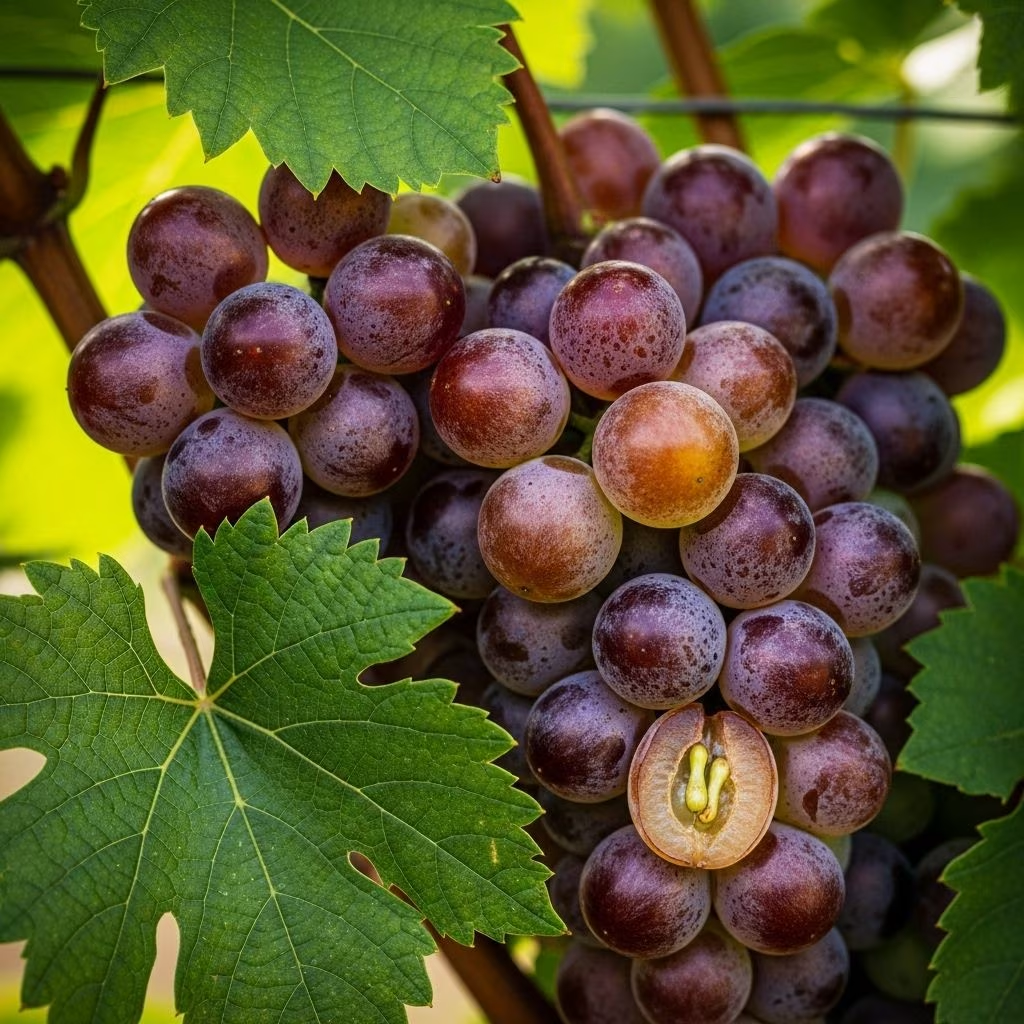
Muscadine grapes—botanically known as Vitis rotundifolia—are a distinctly American fruit with a bold flavor, regional pride, and a centuries-old legacy of culinary and medicinal uses. Native to the southeastern United States, muscadines have carved out a unique niche due to their tough skin, potent antioxidants, and adaptability to challenging environments. This in-depth guide will explore everything you need to know about muscadine grapes: from their botanical characteristics and health benefits to their many uses and truly distinctive taste.
Origin and Botanical Characteristics
Muscadine grapes are native to the southeastern United States, thriving in the wild as well as in cultivation. Unlike other grape varieties, muscadines are renowned for their resilience—able to grow vigorously in regions with poor, sandy soils and dry, parched conditions, often where few other fruits can survive.
- Vine Structure: Vigorous, climbing, woody vines reaching up to 30 meters (100 feet) in optimal conditions.
- Leaves: Simple, rounded, 4–5 inches wide and long, dark green above with a yellow-green, slightly hairy underside; margin is coarsely serrated.
- Fruit (Berry): Large, round to oblong, 2–4 cm in diameter; typically appear singly or in small clusters (1–12 berries), never in large bunches like European or Concord grapes.
- Color: Varies from bronze (Scuppernong), dark purple, to nearly black when ripe; immature fruits are green.
- Skin: Exceptionally thick, smooth, and tough, often with tan spots on ripe berries.
- Seeds: 1 to 5 large, oblong, hard seeds per fruit.
- Flowers: Dioecious—male and female flowers on separate vines, but self-fertile cultivars are available.
Muscadines grow wild in pine flatwoods, dry hammocks, coastal sites, thickets, and even roadsides—testament to their remarkable adaptability.
Varieties and Cultivars
There are over 300 muscadine cultivars. The best known include:
- Scuppernong: The golden or bronze variety, first discovered in North Carolina; sometimes “Scuppernong” is used generically for all bronze muscadines.
- Noble, Carlos, Polyanna, Fry: Popular commercial cultivars for winemaking, juice, and fresh consumption.
- Black varieties: Ranging from dark purple to nearly black when ripe. These often have a more intense flavor profile.
- Bronze/Golden varieties: Generally slightly milder and fruitier in flavor.
Naming Clarification
All scuppernongs are muscadines, but not all muscadines are scuppernongs. The term “swamp grape” is also used, especially in New York and parts of the South, due to the grape’s penchant for moist environments.
Nutritional Profile and Health Benefits
Muscadine grapes are considered a superfruit, standing out for their impressive content of antioxidants, dietary fiber, and minerals. Scientific research applauds their unique phytochemical makeup, particularly their high levels of specific polyphenols.
| Nutrient/Compound | Content in Muscadines | Potential Health Benefit |
|---|---|---|
| Polyphenols | Very high (especially in the skin) | Antioxidant activity |
| Resveratrol | High | Cardioprotective, anti-inflammatory |
| Ellagic acid | Unique to muscadines among grapes | Anti-cancer properties, may reduce fatty liver |
| Vitamin C | Moderate | Supports immunity |
| Dietary Fiber | High (skin and seeds) | Digestive health, cholesterol management |
| Anthocyanins | Abundant in dark-skinned varieties | Antioxidant, anti-inflammatory |
Unique Health Properties
- Antioxidant Powerhouse: Muscadines contain more antioxidants than most other grape types, thanks to their thick skins and abundant polyphenols.
- Resveratrol: This compound, made famous by red wine research, is especially concentrated in muscadine skins, contributing to cardiovascular health and possibly longevity.
- Ellagic Acid: Rare among fruits and unique to muscadine grapes, ellagic acid has demonstrated potential in combating certain cancers and supporting liver health by reducing fatty deposits.
- Anti-inflammatory and Antimicrobial: The polyphenolic compounds in muscadines help the plant resist disease and may offer similar protection in human health.
Culinary Uses of Muscadine
Muscadine grapes are cherished in the American South not only for their health benefits but also for their culinary versatility. Due to their sturdy skins and bold flavor, muscadines lend themselves to a variety of preparations, both fresh and processed.
Fresh Consumption
- Eating Raw: Many eat muscadines straight off the vine. To enjoy, bite or squeeze the fruit to pop the juicy pulp into the mouth, then discard (or chew) the skin and seeds. The combination of tangy skin and sweet pulp is part of the authentic muscadine experience.
Processed Products
- Wine: Muscadine wine is famous for its sweet, floral, and sometimes musky character. The thick-skinned berries produce deeply aromatic, distinctly flavored wines that vary from dry to very sweet.
- Jelly and Jam: Muscadine preserves are a regional staple in the South, often pairing sweet pulp and tart skins to create complex flavor.
- Juice and Syrup: Used for beverages and dessert toppings; muscadine juice retains the grape’s natural fragrance and zippy acidity.
- Pies and Baked Goods: Muscadines enhance pies, cobblers, and tarts with their vibrant, fruit-forward flavor.
- Vinegar and Sauces: Muscadine vinegar, marinades, and barbecue sauces bring depth and sweetness to dressings and meats.
- Dried Muscadines: Less common than raisins, but the chewy texture and concentrated flavor can be used in trail mixes and baking.
What Do Muscadines Taste Like?
The flavor profile of muscadine grapes is truly distinctive among fruits. Tasting a muscadine is described as an adventure for the senses. Here’s what to expect:
- Pulp: Exceptionally sweet, juicy, and fragrant with a musky or floral aroma. The sweetness is intense but balanced by acidity.
- Skin: Thick and sometimes tough, delivering a burst of tangy, tart, or even slightly bitter flavor. Some compare the first bite to a pucker-inducing jolt—”nature’s own sweet and sour candy.”
- Aroma: Musky, floral, with hints of honey or even banana in the most aromatic cultivars.
The sharply contrasting flavors are part of muscadine’s charm; many love the interplay between tangy skin and honeyed pulp. While the taste is prized regionally, it is considered acquired if you are used to delicate or seedless supermarket grapes.
Growing Muscadine Grapes
Muscadine grapes are celebrated for their hardiness, disease resistance, and low maintenance needs. Here are key considerations:
- Climate: Prefer warm, humid conditions—zones 7–10 in the U.S., including most southern states.
- Soil: Adaptable to sandy, rocky, or poor soils. Require well-drained location; can tolerate drought once established.
- Sunlight: Thrive in full sun. Partial shade can reduce yields.
- Pollination: Many wild muscadines are dioecious (separate male and female vines); modern cultivars may be self-fertile.
- Pest/Disease Resistance: Naturally resistant to many common grape diseases due to the presence of antifungal polyphenols in the skin.
Buying and Storing Muscadines
Muscadine grapes are in season from late July through September, with the harvest peaking in late summer and early fall. Because of their thick skin, they can be stored for 1–2 weeks in the refrigerator after harvest.
- Selection: Ripe muscadines yield slightly to pressure, are fully colored (bronze, purple, or black), and have glossy, unwrinkled skins.
- Storage: Refrigerate muscadines in a breathable container. Overripe grapes may wrinkle but are still edible and especially good for preserves or baking.
Muscadine vs. Other Grapes: A Comparison
| Feature | Muscadine | European/Bunch Grapes |
|---|---|---|
| Botanical Species | Vitis rotundifolia | Vitis vinifera (e.g., table/wine grapes) |
| Origin | Southeastern U.S. | Mediterranean/Western Eurasia |
| Fruit Size | Large, 2–4 cm diameter | Smaller, 1–2 cm diameter |
| Skin Thickness | Very thick, tough | Thin, delicate |
| Flavor | Sweet-tart, musky, tangy | Neutral to sweet, mild |
| Disease Resistance | High | Typically lower; more chemical treatments |
| Seeds | 1–5 large seeds | Often seedless or small-seeded varieties |
Frequently Asked Questions (FAQs)
Q: Are muscadine grapes good for you?
A: Yes. They provide antioxidants (polyphenols, resveratrol, ellagic acid), fiber, and vitamin C. These compounds support heart health, may reduce cancer risk, and promote overall wellness.
Q: How do you eat muscadines?
A: Bite the fruit or squeeze it to pop out the juicy pulp, then chew or discard the skin and seeds as preferred. Some people eat the entire grape for extra fiber and antioxidants.
Q: What is the difference between muscadine and scuppernong?
A: Scuppernong refers to golden-bronze muscadines. All scuppernongs are muscadines, but muscadine encompasses a wider variety of colors and flavors.
Q: Can you grow muscadine grapes outside the southern US?
A: Muscadines require warm climates (zones 7–10). While possible to grow in similar climates elsewhere, they struggle in cold, wet regions.
Q: Are muscadine grapes used in commercial wine?
A: Yes. Muscadine wine is popular in the southeastern US, known for its sweet, aromatic, and sometimes floral or musky flavor profile.
Q: Can people with grape allergies eat muscadines?
A: Some individuals who are allergic to European grapes may tolerate muscadines, but caution and medical advice are always recommended.
Final Thoughts
Muscadine grapes represent a living connection to the flora and culture of the American South, combining old-world tradition with modern nutritional science. With their unmistakable taste, high antioxidant content, and adaptability, muscadines are gaining renewed appreciation as a superfruit worthy of a place in any health-conscious diet or adventurous kitchen.
References
- https://florida4h.ifas.ufl.edu/florida-4-h-forest-ecology/forest-ecology-contest/contest-stations/plants-of-florida/muscadine-grape/identifying-characteristics/
- https://plants.ces.ncsu.edu/plants/vitis-rotundifolia/
- https://specialtyproduce.com/produce/Muscadine_Grapes_Swamp_Grapes_9368.php
- https://winefolly.com/deep-dive/a-guide-to-muscadine-wine/
- https://aboutrvmag.com/2014/09/01/grape-with-a-southern-twang/
- https://foodprint.org/blog/meet-muscadines-the-native-grapes-of-the-southern-u-s/
- https://winemakermag.com/article/muscadine-a-taste-of-the-south
- https://en.wikipedia.org/wiki/Vitis_rotundifolia
- https://edis.ifas.ufl.edu/publication/HS100


