


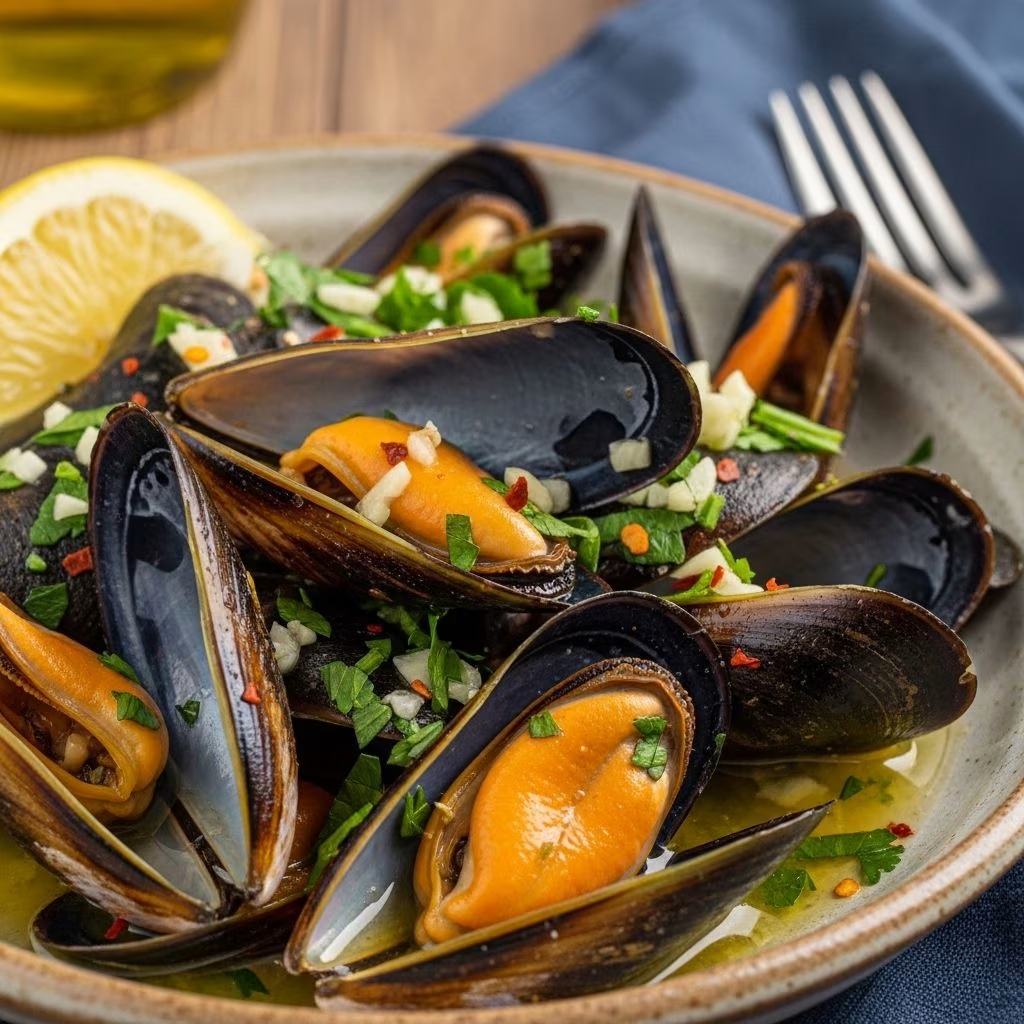
If you’re seeking a naturally nutrient-dense food that is as good for your health as it is for the environment, few options rival the humble mussel. This guide explores the fascinating biology of mussels, their rich nutritional profile, health benefits, culinary uses, flavor characteristics, and their unique role in sustainable food systems.
What Are Mussels?
Mussels are a type of bivalve mollusc found in both saltwater and freshwater environments, distinguished by their elongated, asymmetrical shells and soft, edible flesh. Mussels have been consumed by coastal populations since prehistoric times and remain a staple in many global cuisines.
- Varieties:
- Blue Mussel (Mytilus edulis): The most commonly farmed and consumed type, especially in Europe and North America.
- Green-lipped Mussel (Perna canaliculus): Native to New Zealand; prized for both its nutritional content and its use in supplements.
- Freshwater Mussels: Less commonly eaten but present in waterways worldwide.
- Habitat: Mussels inhabit intertidal zones, attaching themselves to rocks, piers, or other hard surfaces via strong byssal threads (“beards”).
- Life Cycle: Mussels filter nutrients from the water, helping to purify their surroundings—a trait that adds to their sustainability profile.
Nutritional Value of Mussels
Mussels are nutritional powerhouses, offering a dense concentration of high-quality protein, vitamins, minerals, and essential fatty acids with comparatively low calories and fat.
| Nutrient | 3oz (85g) Cooked Mussels | % Daily Value* |
|---|---|---|
| Calories | ~146 | 7% |
| Protein | 18g | 36% |
| Fat | 4g (mostly unsaturated) | 6% |
| Carbohydrates | 6g | 2% |
| Omega-3 Fatty Acids (EPA & DHA) | 600–1100mg | Varies |
| Vitamin B12 | >300% RDA | Major source |
| Iron | 4mg | 22% |
| Selenium | >100% RDA | Major source |
| Zinc | ~17% RDA | Supports immunity |
| Vitamin A | 240 IU | 10% |
| Iodine | Varies | Supports thyroid |
*Approximate values, can vary by cooking method and origin.
- Protein: Mussels deliver complete protein with all nine essential amino acids, ideal for muscle repair and immune function, and more protein per calorie than red meat or chicken.
- Vitamins: Notably high in B12 (over 300% RDV per serving), Vitamin A (for skin and eye health), and Vitamin C (immune support).
- Minerals: Standout sources of iron, selenium, zinc, iodine, and phosphorus.
- Omega-3s (EPA & DHA): Among the highest in seafood, important for heart and brain function.
- Low Fat & Low Calorie: Just 103–146 calories per portion, with minimal saturated fat and excellent cholesterol balance.
Health Benefits of Mussels
Mussels are considered a functional superfood, offering a multitude of health benefits supported by nutritional science:
- Supports Heart Health:
- Rich in omega-3 fatty acids (EPA & DHA) which help lower blood pressure, balance cholesterol, and reduce the risk of cardiovascular disease.
- Enhances Brain Function:
- Omega-3s and vitamin B12 are crucial for neurological health, aiding memory, cognitive function, and reducing dementia risk.
- Boosts Energy and Red Blood Cell Production:
- High iron and vitamin B12 content support healthy blood and optimal oxygen transport, helping prevent anemia and fatigue.
- Strengthens Immunity and Healing:
- Contains zinc, selenium, and vitamin C, all of which help fuel the immune system, protect cells, and promote skin health.
- Supports Metabolism and Thyroid Function:
- Natural source of iodine and selenium, needed for hormone production and metabolic regulation.
- Anti-Inflammatory Effects:
- Omega-3s and certain peptides in mussels help lessen inflammation, benefitting arthritis and chronic inflammatory conditions.
- Natural Weight Management:
- Low in fat, high in complete protein, and with high satiety value, mussels can aid in healthy weight regulation and muscle maintenance.
Compared to many animal proteins, mussels provide superior nutritional density with a minimal environmental impact, making them a top choice for both health and sustainability-minded eaters.
Culinary Uses of Mussels
Mussels are celebrated for their culinary versatility and their ability to absorb the flavors of the ingredients they are paired with. From traditional European recipes to contemporary Asian dishes, here’s how mussels are used in cuisine worldwide:
- Steamed Mussels: A classic preparation, often with white wine, garlic, shallots, and herbs. Served with crusty bread to soak up the broth.
- Sauces and Soups: Key component in dishes like French moules marinière, Belgian mosselen-friet, Italian zuppa di cozze, and various chowders.
- Pasta and Rice Dishes: Frequently featured in paella, seafood risotto, and Italian pasta recipes.
- Grilled or Roasted: Grilled mussels develop smoky, caramelized notes and can be served with compound butters or sauces.
- Salads: Cooked and chilled mussels make protein-rich additions to Mediterranean, Asian, or mixed seafood salads.
- Canned or Preserved: Once cooked and packed (often in olive oil or brine), canned mussels are convenient for snacks and recipes—and retain their nutrition.
Preparation Tips: Mussels cook quickly (just a few minutes), and their shells open when they’re done. Always discard any mussels that remain closed after cooking.
The Taste Profile of Mussels
Mussels possess a mild, sweet, and subtly briny flavor with a soft yet slightly chewy texture. Unlike oysters (which can be intensely briny) or clams (earthier), mussels offer a clean taste with delicate ocean notes. Their flavor is often described as:
- Umami-rich: Deep, savory, particularly when served with broths and sauces.
- Subtle sweetness: Especially in smaller mussels or those from colder waters.
- Pleasant brininess: A gentle, not overpowering, salinity that pairs well with citrus, herbs, and wine.
- Absorptive: Mussels readily soak up the aromatics, spices, or sauces they are cooked with, making them highly adaptable across cuisines.
Freshness is key—the best mussels should taste of the sea without any off or “fishy” odors.
Mussels and Environmental Sustainability
Mussels are among the most sustainable animal protein sources on the planet.
- Minimal Environmental Footprint: Mussels require no feed or chemicals, filter and clean the water, and produce negligible greenhouse gases compared to land meats.
- Improves Ocean Health: As filter feeders, mussels help reduce excess nutrients and support healthy aquatic ecosystems.
- Renewable and Low-Impact: Farmed mussels don’t compete with wild fish stocks or require arable land.
Choosing farmed or responsibly wild-harvested mussels supports nutritious, climate-friendly eating.
Buying, Storing, and Preparing Mussels
- Buying: Look for tightly closed, moist shells, and a fresh ocean scent. Avoid cracked or open shells that don’t close when tapped.
- Storing: Keep live mussels cool in the refrigerator (not submerged)—preferably in a breathable container with a damp towel. Use within 1–2 days.
- Cleaning: Scrub shells under cold water, remove the “beard” (byssus threads), and discard any mussels with broken shells or a strong odor.
- Cooking: Mussels are very quick to cook—usually steaming, boiling, or grilling for 5–7 minutes. The shells will open when done; discard any that remain closed after cooking.
- Canned Mussels: Canned mussels offer a convenient, nutritious alternative with a long shelf life and versatile uses in pastas, salads, and appetizers.
Potential Risks & Considerations
- Allergies: Shellfish (including mussels) is a common allergen and should be avoided by those with shellfish allergies.
- Sodium Content: Mussels naturally contain sodium, and some preserved options may be high in added salt. People monitoring sodium intake should check labels.
- Purity Risks: Only consume mussels from reputable sources; they can accumulate toxins or contaminants from polluted waters.
- Proper Cooking: Always cook mussels until their shells open to avoid the risk of foodborne illness from raw shellfish.
Frequently Asked Questions (FAQs)
Are mussels good for weight loss?
Yes, mussels are low in calories and high in protein, which can help with satiety and support healthy weight management when included in a balanced diet.
How often should I eat mussels for health benefits?
Many nutritionists recommend eating seafood, including mussels, two to three times per week to meet omega-3 and protein requirements.
What’s the difference between fresh and canned mussels?
Both have equivalent nutrition when properly processed; canned mussels offer convenience and longer shelf life, but may have more sodium.
Are mussels safe to eat during pregnancy?
When thoroughly cooked and sourced from clean waters, mussels can be safely enjoyed during pregnancy and can provide essential nutrients like iron, omega-3s, and B12. Always consult your healthcare provider first.
Why do some mussels have different shell or meat colors?
Color differences can indicate species (blue vs. green-lipped), age, sex (orange is often female, paler is male), or diet, but these do not usually affect the taste or safety of the mussel.
Can mussels be eaten raw?
It’s generally advised to cook mussels to avoid the risk of foodborne illness, as cooking destroys pathogens and ensures safety.
References
- https://www.patagoniaprovisions.com/blogs/learn/health-benefits-of-mussels
- https://www.epseafoods.com.au/blog/benefits-mussels
- https://globalseafoods.com/blogs/news/unlocking-benefits-of-mussels
- https://www.stylecraze.com/articles/amazing-health-benefits-of-mussels/
- https://pmc.ncbi.nlm.nih.gov/articles/PMC8067026/
- https://www.healthline.com/nutrition/green-lipped-mussel
- https://mareoysterbar.com/the-benefits-of-eating-mussels/
- https://www.scottishshellfish.co.uk/what-are-the-health-benefits-of-mussels/
- https://www.healthyfood.com/healthy-shopping/the-health-benefits-of-mussels/


