


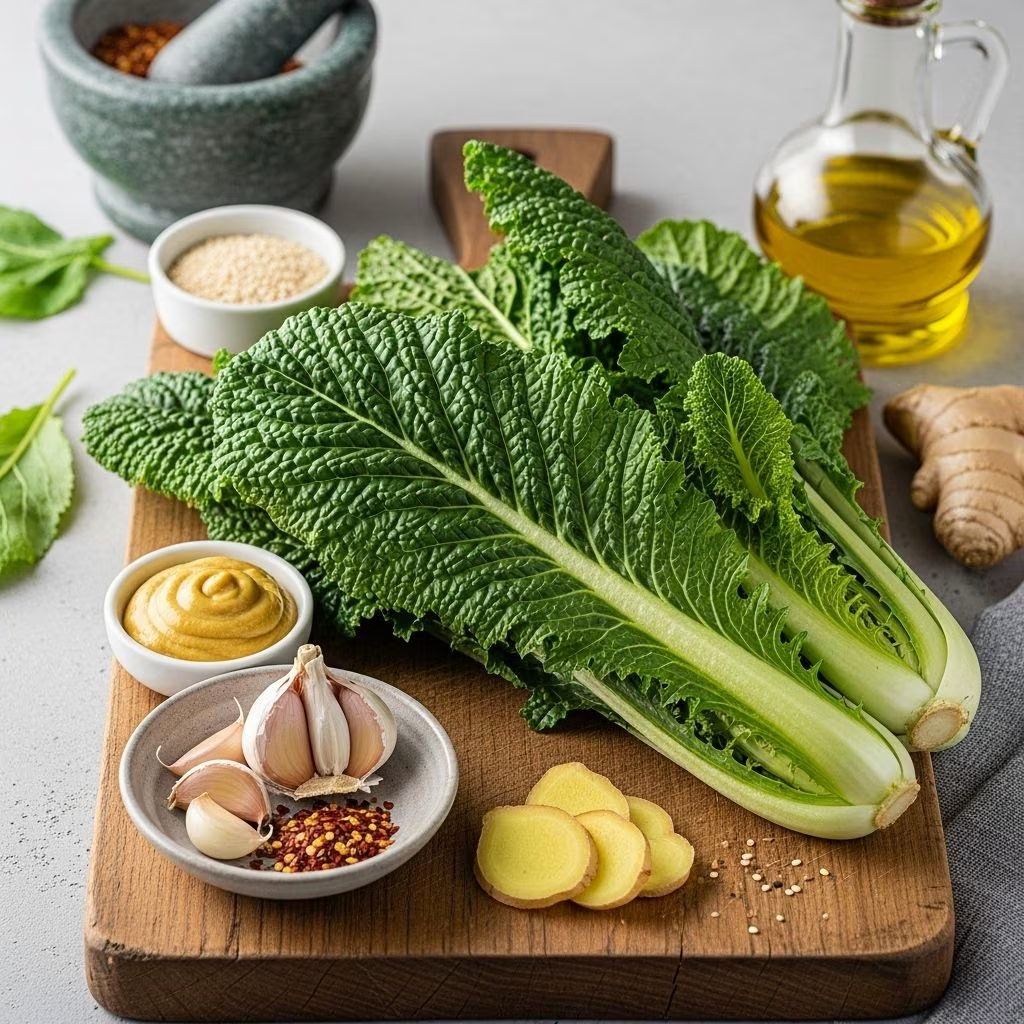
Mustard greens, known for their distinctive peppery flavor and deep green leaves, are a nutritional powerhouse and a versatile ingredient in global cuisines. Whether you’re a home chef looking to add bold notes to your meals or a health enthusiast seeking foods rich in vitamins, understanding mustard greens’ unique qualities, uses, and substitutes can transform your cooking. This guide covers the essentials—flavor profile, nutrient content, health benefits, culinary uses, and the best substitutes—rooted in sound nutritional research and kitchen-tested advice.
What Are Mustard Greens?
Mustard greens are the leafy green leaves of the mustard plant, Brassica juncea, a member of the cruciferous family. Related to kale, collards, turnips, and cabbage, mustard greens have been cultivated for centuries in Asia, Europe, and Africa due to their unique taste and health-supportive qualities.
Mustard greens are characterized by:
- Vibrant green, ruffled or smooth leaves
- Peppery, pungent flavor
- High resilience to cold, making them a staple in winter and early spring gardens
Many global cuisines feature mustard greens: from Chinese stir-fries and Indian curries to Southern U.S. braised greens. The leaves, stems, and even seeds (used for mustard condiment) are edible, but this guide focuses primarily on the leafy greens.
Flavor Profile of Mustard Greens
Mustard greens have a flavor that sets them apart from other greens. Their taste is often described as:
- Peppery and pungent: Similar to horseradish or arugula, especially when raw
- Slightly bitter: Especially older or larger leaves
- Earthy and sharp: With a lingering heat that can clear the sinuses
The bite of mustard greens comes from the same sulfur-containing compounds (glucosinolates) that give mustard seeds and wasabi their signature kick. When cooked, the intensity softens, producing a milder, mellow green flavor with only a hint of peppery heat.
| Preparation | Flavor Notes |
|---|---|
| Raw | Peppery, pungent, slightly bitter, crisp |
| Cooked (blanched, sautéed, braised) | Mellow, earthy, less peppery, with slight sweetness |
| Pickled | Sour, mildly spicy, tangy (common in Asian cuisines) |
This flavor versatility makes mustard greens suitable for both raw salads and robust cooked dishes.
Nutritional Value and Health Benefits
Mustard greens are celebrated not just for their culinary punch but for their remarkable nutrition. They rank among the most nutrient-dense foods, offering significant health benefits for a low calorie cost.
Nutritional Snapshot (per 1 cup raw, ~56g)
- Calories: 15
- Protein: 2 grams
- Fat: Less than 1 gram
- Carbohydrates: 3 grams
- Fiber: 2 grams
- Vitamin A: 9% Daily Value (DV)
- Vitamin C: 44% DV
- Vitamin K: 120% DV
- Copper: 10% DV
Cooked mustard greens provide even higher concentrations of vitamins A and K, while pickled versions retain much of their antioxidant plant compounds but may lose some vitamin C.
Key Health Benefits
- Abundant in antioxidants: Including vitamin A, vitamin C, and powerful plant compounds like glucosinolates, carotenoids, and flavonoids. These help combat oxidative stress and lower inflammation, potentially reducing risk of chronic diseases.
- Supports immune system: High vitamin C content bolsters immune function, aids tissue repair, and assists iron absorption.
- Promotes bone health: Extremely rich in vitamin K and calcium, vital for bone mineralization and blood clotting.
- Good for cardiovascular health: Fiber and antioxidants help manage cholesterol and blood pressure.
- Eye and skin health: Vitamin A and other carotenoids promote good vision and skin integrity.
- Potential anti-cancer properties: Glucosinolates may protect cells against DNA damage and inhibit carcinogenesis.
- Low calorie, high fiber: Supports weight management and digestive health.
- May improve mental health: Regular consumption of leafy greens is linked to slower cognitive decline.
Culinary Uses: How to Cook with Mustard Greens
Mustard greens’ robust flavor and texture mean they shine in a variety of preparations, from raw salads to hearty braises. Here’s how to get the most out of this green in your kitchen:
Popular Cooking Methods
- Raw: Young, tender leaves add bite to salads and sandwiches. Try mixing with milder greens to balance flavor.
- Sautéed or Stir-fried: Sauté with garlic and olive oil, or cook quickly in a wok for a classic Asian side.
- Braised: Southern U.S. dishes often simmer mustard greens with smoked meats, onions, and spices until tender.
- Pickled: Used in Chinese, Japanese (as takana), and Indian cuisine. Preserving in brine creates a tangy, complex pickle that’s great with rice or noodles.
- Steamed or Blanched: Reduces bitterness and softens texture, preparing greens for dips or purees.
- Soups and Stews: Mustard greens retain body and add an earthy, hearty element to bean stews, curries, and brothy soups.
Tips for Cooking Mustard Greens
- Remove thick stems before cooking for a gentler texture.
- Blanch leafy greens before sautéing to tame bitterness.
- Pair with acidic or fatty ingredients: Lemon, vinegar, tomatoes, or bacon balance strong flavors.
- Add spices: Ginger, garlic, chilies, or mustard seeds boost flavor and aroma.
Comparing Mustard Greens to Other Leafy Greens
| Green | Flavor Profile | Key Nutrients | Best Uses |
|---|---|---|---|
| Mustard Greens | Peppery, pungent, slightly bitter | Vitamin K, Vitamin C, fiber, glucosinolates | Salads, sauté, braised dishes, pickles |
| Collard Greens | Mildly bitter, hearty | Vitamin K, calcium, fiber | Braised, soups, wraps |
| Kale | Earthy, slightly bitter, robust | Vitamin K, A, C; calcium | Salads (young leaves), sautés, chips |
| Swiss Chard | Mild, earthy, slightly salty | Vitamin K, A, magnesium | Sautés, quiches, stews |
| Spinach | Mild, sweet when young | Iron, Vitamin K, folate | Raw, sautéed, pastries |
| Turnip Greens | Peppery, bitter | Vitamin K, A, calcium | Braised, sautés, soups |
Easy Substitutes for Mustard Greens
If you’re out of mustard greens or need a gentler alternative, several leafy greens can offer similar flavor, texture, or nutritional benefits. Choose the substitute based on how you plan to prepare the dish.
Best Substitutes for Raw Uses (Salads, Sandwiches)
- Arugula: Peppery, tender leaves; closest flavor match.
- Watercress: Sharp, slightly spicy, delicate texture.
- Young spinach: Milder flavor, similar look and texture.
Best Substitutes for Cooking (Sautéed, Braised, Soups)
- Turnip greens: Peppery and robust.
- Collard greens: Hearty, mildly bitter; good for long-cooked dishes.
- Kale: Earthy and robust; best for sautéing or soups.
- Swiss chard: Slightly sweet; softer after cooking, works in sautés.
- Bok choy: Mild, crisp stems, more delicate flavor.
Tip: When swapping, consider the dish and desired flavor strength. For a milder result, blanch any substitute first, or combine with a more neutral green like spinach or chard.
Popular Mustard Greens Recipes
Showcasing mustard greens’ versatility, these classic dishes highlight methods for taming their bite and bringing out their best features.
- Sautéed Mustard Greens: Quickly cook chopped greens in hot oil with garlic and red pepper flakes until wilted; finish with lemon juice.
- Southern-Style Braised Mustard Greens: Simmer with sliced onions, smoked turkey or ham hock, garlic, and a splash of apple cider vinegar for depth.
- Asian Pickled Mustard Greens (Takana): Salt and press leaves overnight, then marinate in vinegar, sugar, and chilies. Serve as a condiment for ramen or rice dishes.
- Mustard Green Pesto: Blend raw mustard leaves with nuts, Parmesan, olive oil, and garlic for a zesty twist on the classic.
- Mustard Green Dal: In Indian cuisine, cook chopped greens with onions, tomatoes, lentils, cumin, and turmeric for a nourishing stew.
Frequently Asked Questions (FAQs)
Q: Are mustard greens the same as collard or turnip greens?
A: No. While all are leafy crucifers and sometimes substituted for one another in recipes, mustard greens have a more pronounced peppery heat, whereas collard greens are milder and meatier, and turnip greens are peppery but often more bitter.
Q: Can mustard greens be eaten raw?
A: Yes. Young mustard greens add sharp flavor to salads and sandwiches. Older, tougher leaves are best cooked to mellow their heat.
Q: Are mustard greens good for you?
A: Absolutely. They’re very high in vitamins A, C, and K, antioxidants, and fiber, supporting heart, bone, immune, and eye health, and may even lower cancer risk.
Q: What’s the best way to reduce mustard greens’ bitterness?
A: Blanching, braising, or adding acidic ingredients like vinegar, lemon, or tomatoes helps cut their natural bitterness.
Q: Can I freeze cooked mustard greens?
A: Yes. After cooking (sautéed, braised, etc.), allow greens to cool, then freeze in airtight containers. Freezing is not ideal for raw greens, as it changes their texture.
Q: Are mustard greens safe during pregnancy?
A: Yes, they are a good source of vitamin K and folate, supporting pregnancy health. Always wash greens well and avoid excessive vitamin K intake only if on certain medications.
Key Takeaways
- Mustard greens deliver a spicy, peppery kick and top-tier nutrition.
- They adapt to a wide range of dishes, from fresh salads to robust braises.
- Excellent substitutes—like arugula, kale, or turnip greens—ensure you never have to go without their unique flavor and health benefits in your cooking.
References
- https://draxe.com/nutrition/mustard-greens-nutrition/
- https://www.healthline.com/nutrition/mustard-greens-nutrition
- https://www.medicinenet.com/mustard_greens_nutrition_facts_health_benefits/article.htm
- https://blog.sigonas.com/2013/02/25/heath-benefits-of-nutrient-packed-wild-mustard-greens/
- https://nutritionfacts.org/topics/mustard-greens/
- https://ackermancancercenter.com/all-about-mustard-greens/
- https://www.pleitezproducefarm.com/post/uncover-the-mustard-greens-magic-a-surprising-recipe-you-need-to-try-today
- https://pmc.ncbi.nlm.nih.gov/articles/PMC6151555/
- https://www.youtube.com/watch?v=lh2fKqYFhG0


