


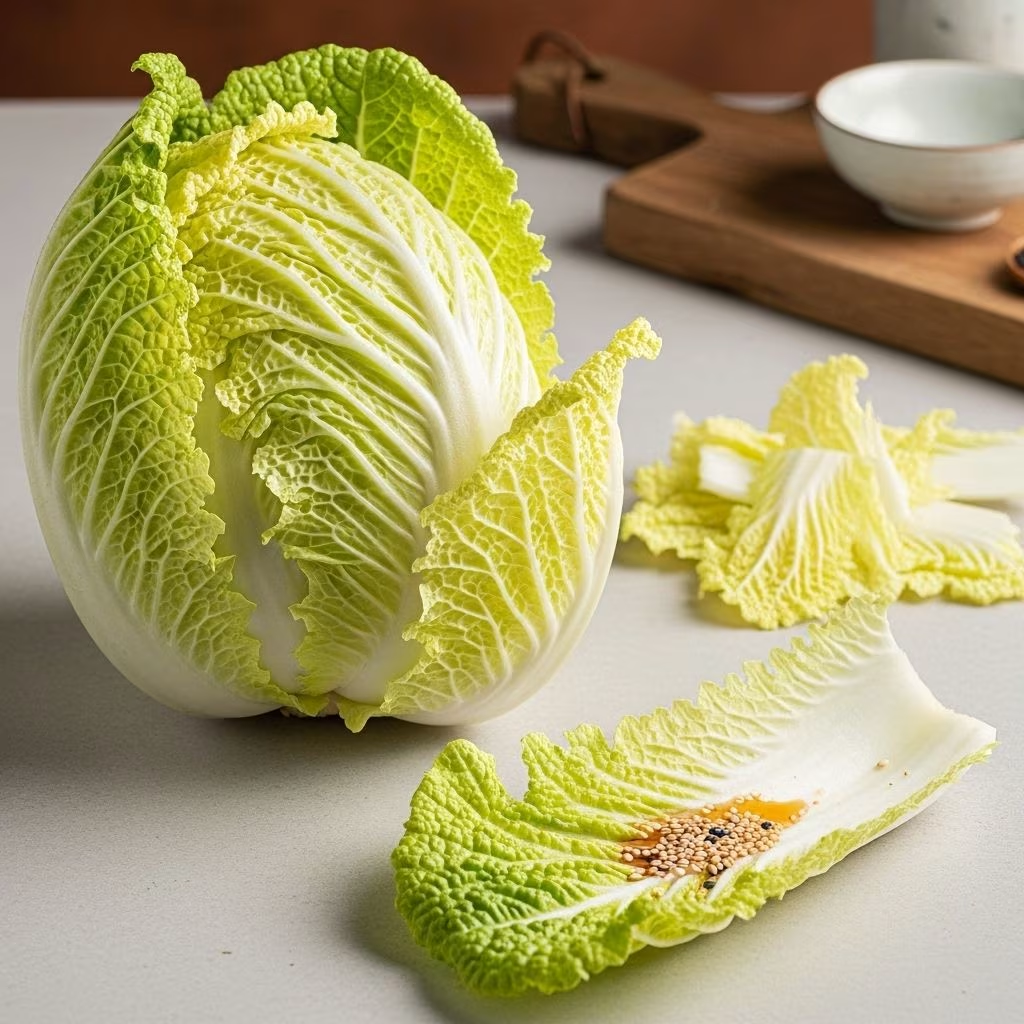
Napa cabbage, also known as Chinese cabbage or wombok, is a staple in many global kitchens. Its delicate texture, appealing taste, and impressive nutritional profile make it a standout vegetable for both culinary and health enthusiasts. This comprehensive guide delves into napa cabbage’s origins, health benefits, uses, appearance, flavor, preparation tips, and answers to common questions, helping you get the most from this remarkable leafy green.
About Napa Cabbage
Napa cabbage (Brassica rapa var. pekinensis) is part of the Brassicaceae (mustard) family, which also includes broccoli, cauliflower, kale, and regular cabbage. While often grouped under “Chinese cabbage,” napa is distinct from bok choy and other varieties. It is native to the eastern regions of Asia, particularly northern China, where it has been cultivated for centuries before spreading to Japan, Korea, and the rest of the world.
The name “napa” comes from the Japanese word “nappa,” meaning leafy greens. In Mandarin Chinese, it is called 大白菜 (dàbáicài), literally “big white vegetable.”
Appearance and Characteristics
- Shape and Size: Napa cabbage forms a tight, oblong head, measuring about 12-18 inches (30-45 cm) in length. Each head typically weighs 1 to 3 kg (2.2 to 6.6 lb).
- Leaves: Its leaves are light-green, ruffled, and crinkly, with prominent white veins. The innermost leaves are pale yellow.
- Stem: The stem is firm yet tender and turns white as it ascends the head.
- Texture: The upper leaves are tender and delicate, while the base is crisp and crunchy.
This aesthetically pleasing vegetable grows as a basal rosette of leaves, meaning the leaves emerge in a circle close to the ground, layering densely around a central core. Rarely do you see the yellow four-petaled flowers, as the plant is harvested before flowering.
Cultivation Details
- Napa cabbage is a cool-season annual, favoring short, mild days, but it adapts well to warmer climates—California grows it year-round.
- They grow up to 24 inches tall with an 18-inch spread. Standard planting requires spacing of 12 inches between plants.
Nutritional Benefits
Napa cabbage is a nutrient-dense, low-calorie food offering an impressive profile of vitamins, minerals, and phytochemicals, making it a support for healthy eating.
| Nutrient | Amount |
|---|---|
| Calories | ≈16 kcal |
| Carbohydrates | 3.2 g |
| Protein | 1.2 g |
| Fiber | 1.0 g |
| Vitamin C | ~27 mg (30% DV*) |
| Vitamin K | ~42 mcg (35% DV*) |
| Folate (Vitamin B9) | ~79 mcg (20% DV*) |
| Vitamin B6 | ~0.23 mg (15% DV*) |
| Calcium | ~77 mg (8% DV*) |
| Iron | ~0.3 mg (2% DV*) |
| Potassium | ~170 mg (5% DV*) |
| Antioxidants | Rich in flavonoids & carotenoids |
*DV: Daily Value; values are approximate and vary by source.
- Rich in vitamins C, K, B6, and folate.
- A good source of calcium, potassium, and iron.
- Contains antioxidants (e.g., flavonoids, carotenoids) that help fight oxidative stress.
- Low in calories, sodium, and fat.
Health Benefits
The composition of napa cabbage underpins a range of health advantages, especially when enjoyed as part of a diverse, plant-forward diet.
- Supports Immunity: High vitamin C content aids immune defenses by supporting white blood cell function and collagen production.
- Bone Health: Vitamin K and calcium contribute to bone mineralization and maintenance.
- Reduces Inflammation: Compounds such as sulforaphane—a phytochemical in cruciferous vegetables—are linked to reduced inflammation and have been studied for cancer-preventive properties.
- Digestive Health: Dietary fiber supports healthy digestion and regularity.
- Heart Health: Potassium helps manage healthy blood pressure, while folate is essential for cardiovascular function.
- Weight Management: Very low calories and high water and fiber content help promote fullness.
- Rich in Antioxidants: Helps neutralize free radicals, potentially lowering the risk of chronic diseases.
Culinary Uses
Napa cabbage is truly versatile, making it a favorite ingredient in both traditional Asian cuisines and creative fusion dishes worldwide. Both raw and cooked forms are popular, offering different culinary personalities.
Traditional Dishes & Modern Applications
- Kimchi (Korea): The classic fermented side dish featuring napa cabbage, chili, garlic, and other seasonings.
- Stir-fries (China): Sliced or chopped and quickly stir-fried with garlic, ginger, tofu, and other vegetables.
- Hot Pots (China, Japan): Leaves simmer gently in flavorful broths, soaking up liquid seasonings without falling apart.
- Dumplings and Rolls: Used as a tender wrapper for dumplings, spring rolls, or as layers in stuffed vegetable dishes.
- Salads and Slaws: Sliced thinly and added to fresh salads for sweetness and crunch.
- Soups and Stews: Napa holds its shape while absorbing flavors, making it ideal for clear and hearty broths.
- Grilled or Roasted: Grilled napa cabbage, brushed with oil and spices, caramelizes beautifully.
- Edible Serving Bowls: The tender, cupped leaves can be used as healthy alternatives to tortillas or wraps.
Its mild flavor integrates seamlessly with bold sauces and spices or can be the highlight in simple preparations with light dressings or vinaigrettes.
Creative Modern Uses
- Added to tacos or wraps for a crunchy texture.
- Fermented beyond kimchi as a base for probiotic-rich pickles.
- Blended into smoothies or juices for a nutrient boost.
- Used as lasagna layers for a low-carb alternative.
Taste and Texture Profile
Napa cabbage is celebrated for its delicate, mildly sweet flavor, which distinguishes it from the sharper, more pungent taste of regular cabbage.
- Raw: Subtle sweetness, gentle flavor with a hint of pepper, very light. The outer leaves are crisper, while the inner leaves are even more tender and mild.
- Cooked: Flavor softens further, becomes slightly richer, sometimes reminiscent of lettuce but silkier and less bitter than green cabbage. Absorbs seasonings readily.
- Texture: Crisp, yet tender when raw; maintains just enough bite when cooked, never becoming tough or stringy.
The overall sensory appeal makes it suitable for children and individuals sensitive to strong-tasting vegetables.
Napa Cabbage vs. Regular Cabbage
| Criterion | Napa Cabbage | Regular (Green) Cabbage |
|---|---|---|
| Botanical Family | Brassicaceae (mustard) | Brassicaceae (mustard) |
| Shape | Oblong, dense head | Round, compact head |
| Leaf Texture | Crinkled, soft, tender | Thicker, tougher, smooth |
| Color | Pale green to white | Light to medium green |
| Taste | Mild, sweet, less bitter | Earthy, sharper, sometimes pungent |
| Common Uses | Salads, kimchi, stir-fries, soups | Coleslaw, stuffed cabbage, sauerkraut, stews |
| Cooking Time | Short (<10 min) | Longer (15+ min for tenderness) |
| Nutrition | High in C, K, folate | High in C, K, moderate in B6, potassium |
Buying, Storing, and Preparation Tips
Buying Tips
- Choose heads with crisp, firm leaves, compact shape, and no signs of wilting or browning.
- Leaves should be pale green without yellow or brown spots.
Storage Tips
- Store unwashed napa cabbage in the refrigerator—ideally in a plastic bag—to preserve moisture.
- Best used within 5-7 days, but may keep up to 2 weeks if stored properly.
Preparation Tips
- Slice lengthwise and remove the tough stem if needed.
- Separate leaves and wash thoroughly under running water to remove soil, especially from the lower parts near the core.
- Pat dry before using raw in salads or slaws.
- For cooked dishes, cut to desired size—smaller for stir-fries, larger for soups and grilling.
- Napa can be fermented, blanched, braised, or lightly sautéed.
Frequently Asked Questions (FAQs)
Q: Is napa cabbage the same as bok choy?
A: No. While both are considered “Chinese cabbage,” napa (oblong, pale green leaves) and bok choy (dark green leaves, white stalks) are different cultivars. Bok choy has a more robust, earthy flavor, while napa is milder and more tender.
Q: Does napa cabbage need to be cooked?
A: Napa can be enjoyed both raw and cooked. Its tenderness makes it ideal for raw salads or as a crispy topping, but it’s also delicious in braised, stir-fried, and soupy dishes.
Q: Is napa cabbage keto, paleo, and gluten-free?
A: Yes. Napa cabbage is naturally low in carbohydrates and contains no gluten, making it suitable for keto, paleo, and gluten-free diets.
Q: How do you know when napa cabbage is spoiled?
A: Spoiled napa cabbage may have slimy or soft leaves, a sour odor, or extensive browning and wilting. Always discard if any odor or appearance seems off.
Q: Can you freeze napa cabbage?
A: Yes, but it’s best to blanch first. Blanched napa freezes better for later use in soups and stir-fries, though it can lose some crispness and flavor.
Conclusion
Napa cabbage stands out as an exceptionally versatile, nutritious, and delicious vegetable. Its sweet flavor, soft crunch, and cook-friendly texture make it indispensable in both traditional Asian cuisine and contemporary health-conscious cooking. Whether raw in salads, pickled in kimchi, or simmered in stews, napa cabbage supports wellness, complements a variety of flavors, and earns its place as a kitchen essential.
References
- https://en.wikipedia.org/wiki/Napa_cabbage
- https://www.hitchcockfarms.com/blog/napa-cabbage-vs-regular-cabbage
- https://plants.moananursery.com/12170011/Plant/28232/Napa_Cabbage/
- https://foxy.com/what-we-grow/napa-cabbage
- https://www.cliffsnotes.com/study-notes/1374266
- https://languagelog.ldc.upenn.edu/nll/?p=50007
- https://www.britannica.com/plant/Chinese-cabbage
- https://www.uaex.uada.edu/yard-garden/resource-library/plant-week/Brassica-rapa-var-pekinensis-Chinese-Cabbage-Napa-Cabbage-01-06-2017.aspx


