


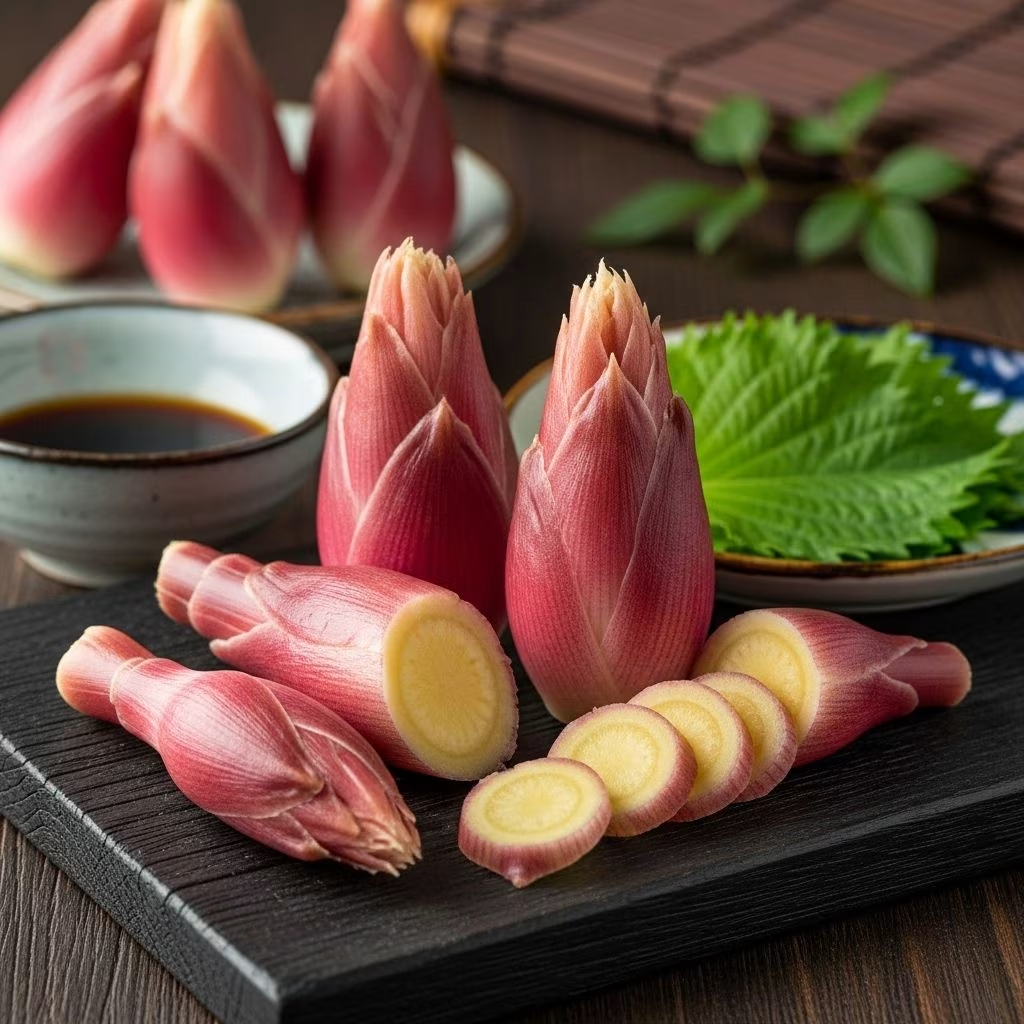
What is Myoga (Japanese Ginger)?
Myoga (Zingiber mioga), also known as Japanese ginger, is a perennial plant belonging to the Zingiberaceae family—the same family as common ginger and turmeric. Native to East Asia and most prominent in Japan, myoga is prized not for its root but for its young shoots and delicate, unopened flower buds. These edible parts are distinguished by their vibrant pinkish-bronze hues and crunchy texture, setting them apart visually and gastronomically from regular ginger.
Unlike common ginger, which is used for its spicy rhizome, myoga is valued for its tender and aromatic flower buds and pseudostems. When harvested, the buds are thumb-sized and supple, typically found in Japanese markets from summer through early autumn.
- Scientific name: Zingiber mioga
- Native regions: Japan, China, Korea
- Main edible part: Young shoots and flower buds
- Other names: Myoga ginger, Japanese ginger
Flavor Profile of Myoga
Myoga offers a distinctive, crisp eating experience. Its flavor is an intricate blend of spicy, tangy, and citrus notes layered with a mild ginger overtone and refreshing zest—a combination that is milder and less pungent than ginger root. Upon tasting, you’ll notice a fresh, sweet initial note, followed by a subtle shallot or coriander-like aroma and a slightly sharp, lingering aftertaste.
| Flavor Component | Description | Comparison |
|---|---|---|
| Spicy | Mild, gently warming | Less pungent than ginger root |
| Tangy | Zesty, clean | Similar to mild shallot |
| Aromatic | Floral, with a hint of coriander | Unique to myoga |
| Texture | Crisp, tender, juicy | More delicate than ginger root |
Because of its subtle fragrance and crisp bite, myoga is considered an appetite stimulant and a cooling food, especially pleasurable during Japan’s humid summer months.
Culinary Uses of Myoga
Myoga’s versatility in Japanese cuisine is well celebrated. The aromatic buds and shoots are predominantly used as fresh garnishes and condiments, imparting brightness to both traditional and modern dishes.
Popular Ways to Use Myoga in Japanese Cooking
- Garnish for soups and noodles: Shredded myoga gives cold noodle dishes like somen and udon a refreshing lift, and is especially popular in summer meals.
- Tofu topping: Thinly sliced myoga adds crunch and fragrance to chilled tofu (hiyayakko).
- Sashimi and sushi: Adds color and a delicate zing as a counterpoint to raw fish.
- Sunomono (vinegared salads): Provides a sharp, fresh component to cucumber or seafood salads.
- Miso soup: Chopped myoga is stirred in at the end for aroma and sharpness.
- Pickling (Tsukemono): Pickled myoga, often with vinegar and sugar, is served as a palate-cleansing condiment.
- Tempura: Whole or halved buds are dipped in batter and lightly fried for a tempura that remains juicy inside.
- Leaf-yaki: In Miyagi Prefecture, young leaves are wrapped around sweet fillings and grilled.
Chefs appreciate myoga for its ability to complement rich foods, balance salty miso, or add intrigue to subtle broths. Myoga should be prepared as close to serving time as possible—the delicate aroma fades quickly when exposed to air.
Preparation Tips
- Choose buds that are plump, firm, and vibrantly colored. Avoid those with translucent spots or protruding flowers; these are past their prime.
- To temper bitterness, briefly soak slices in cold water before use. However, chop just before serving to preserve aroma.
- For pickling, cut in half and marinate quickly with vinegar, salt, and sugar—it’s best enjoyed freshspan>.
Nutritional and Health Benefits
Rich in antioxidants and bioactive compounds, myoga is credited in Japanese culinary culture for aiding digestion, boosting appetite, and providing a refreshing effect in hot weather. Myoga is low in calories and contains trace minerals, making it an ideal garnish or side.
- Digestive benefits: Traditionally used to stimulate appetite and ease digestion during summer.
- Low calorie: Useful for light, healthy meals.
- Appetite-boosting: Mild pungency and volatile oils can stimulate hunger.
- Antioxidant properties: Contains bioactive flavonoids similar to other aromatic herbs.
Legend holds that consuming too much myoga can cause forgetfulness—a popular cautionary tale, though no scientific backing exists.
Easy Substitutes for Myoga
If you can’t access fresh myoga, especially outside Japan, there are several ways to approximate its character in recipes. Substitutes should mimic its mild spiciness, zesty tang, crunch, and delicate aromatic qualities as closely as possible.
Top Substitutes for Myoga
| Substitute | Flavor Comparison | Best Use Case |
|---|---|---|
| Shallot (raw, thinly sliced) | Fresh, mild, sweet-onion flavor; crisp texture | Garnishes, salads, rice dishes |
| Young ginger buds (if available) | Mild spiciness, firmer crunch, subtle aroma | Noodle soups, tofu, sashimi |
| Spring onion whites | Clean, mild, slightly pungent | Salads, tofu topping |
| Pickled red onion | Tangy, crisp, vibrant | Sunomono, pickles, sushi rolls |
| Coriander stems & leaves | Herbal, fresh, aromatic | Garnishes, chilled dishes |
In recipes requiring crisp structure and a bright aroma, combine thinly sliced shallot with fresh coriander leaves for the closest match. For pickled myoga, pickled red onion or ginger buds work nicely—just adjust quantities for sharper substitutes.
Homemade Substitute Recipe
- Thinly slice 1 shallot and soak in ice water for 10 minutes.
- Add 2 teaspoons minced fresh coriander stalks.
- Drain and use as a replacement for shredded myoga as a garnish or in salads.
Seasonality & Cultivation
Myoga is typically harvested in Japan from June to October, with the peak season in midsummer. Production is concentrated in regions such as Shizuoka, Gifu, and Kyushu. There are two main cultivars: Natsu-Myoga (summer variety) and Aki-Myoga (autumn variety).
Myoga thrives in shaded, moist soils, traditionally cultivated in open fields covered with leaves—sometimes harvested before budding to maximize tenderness. With modern greenhouse techniques, myoga is now available almost year-round in Japanese markets.
- Growing at home: Hardy in USDA zones 7–10. Requires damp, shaded environments and well-drained soils.
- Harvesting tip: Pick buds just before flowering for maximum flavor.
Cultural Significance in Japan
Beyond its refreshing flavor and culinary versatility, myoga is steeped in Japanese food culture. As a symbol of the hot season, it features in classic kaiseki cuisine, family meals, and regional specialties. Notably, myoga leaf-yaki is a traditional Miyagi dish showcasing the plant’s unique aroma and texture. In Kyoto, myoga is celebrated as part of the esteemed Kyo-yasai tradition, where every part of the plant finds thoughtful gastronomic application.
- Symbol of summer: Used to cool the palate in hot, humid weather.
- Kaiseki cuisine: Featured in seasonal multi-course dining for its visual and aromatic appeal.
- Food folklore: Associated with forgetfulness in popular Japanese legend.
With roots in ancient rural Japanese culture and a place in contemporary cuisine, myoga bridges tradition and innovation—uniting the culinary, seasonal, and regional spirit of Japan.
Frequently Asked Questions (FAQs)
Q: Does myoga taste the same as ginger root?
A: No. Myoga’s flavor is much milder, floral, and crisp compared to the potent spiciness of ginger root.
Q: Can I grow myoga at home?
A: Yes. Myoga is hardy in warm, moist, shaded environments. It thrives in USDA zones 7–10 and prefers rich, loamy soil.
Q: How do I keep myoga fresh once bought?
A: Store myoga buds wrapped in a damp paper towel inside a sealed container in the refrigerator. Use within a week for best aroma and flavor.
Q: Are myoga leaves edible?
A: Yes, but they are fibrous. In Miyagi’s leaf-yaki, young leaves are grilled with a sweet filling.
Q: Can I substitute ginger root for myoga?
A: Ginger root is more intense and spicy than myoga. For the closest substitute, use shallot or ginger buds for mildness.
Q: Is myoga safe to eat in large quantities?
A: Myoga is safe; cautionary tales of forgetfulness are folklore, not reality.
Final Notes
Myoga, Japanese ginger, captures the bright and refreshing spirit of Japanese summer cuisine. Its subtle, multidimensional flavor and cultural resonance make it beloved among chefs and home cooks alike. When fresh myoga is unavailable, well-chosen substitutes—especially from the onion family—can deliver similar results, ensuring the world of Japanese cooking remains accessible and delicious wherever you cook.
References
- https://www.chopstickchronicles.com/myoga/
- https://www.justonecookbook.com/myoga/
- https://www.dutchwasabi.nl/en/myoga-japanese-ginger-bulbs.html
- https://yamaaoi.com/en/productos/myoga-flower-100g/
- https://ryukoch.com/en/basics/myoga-japanese-ginger
- https://japanesetaste.com/blogs/japanese-taste-blog/what-is-japanese-ginger-a-brief-guide-to-myoga
- https://www.plantdelights.com/blogs/articles/zingiber-mioga-myoga-ginger
- https://specialtyproduce.com/produce/Myoga_8912.php


