


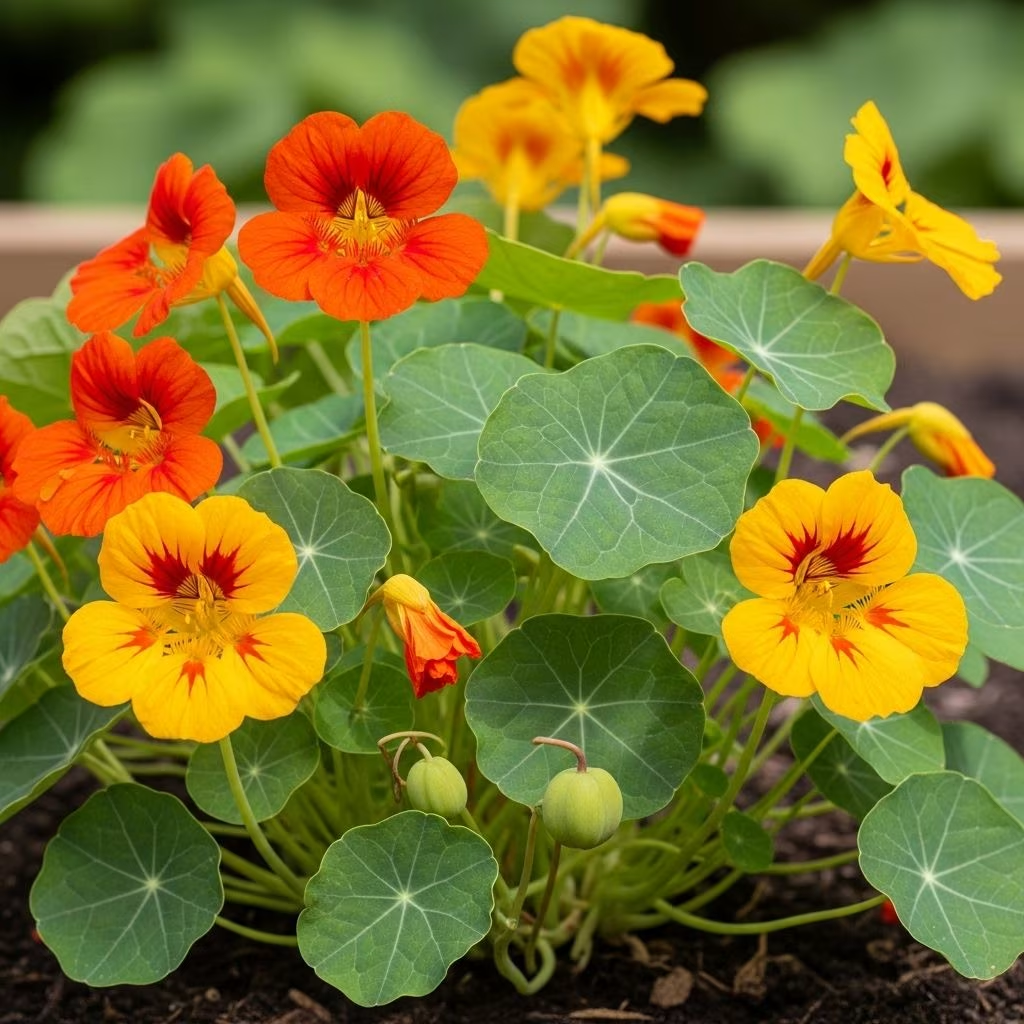
Introduction to Nasturtium
Nasturtium (Tropaeolum majus), often known as Indian cress, Mexican cress, or garden nasturtium, is a vibrant, easy-to-grow flowering plant native to the Andes Mountains in South America. Revered for its flamboyant, funnel-shaped blossoms and parasol-like leaves, nasturtium is cherished in gardens worldwide as both an ornamental and edible plant. The entire plant—flowers, leaves, and seed pods—is peppery and edible, making it a unique addition to salads, garnishes, and even traditional medicines.
Nasturtium is not only valued for its beauty but also for its practicality. It is a versatile annual (sometimes perennial in mild climates) that thrives in poor soil, attracts beneficial insects, and serves as a companion plant for vegetables and fruits. Its flowers bloom in a spectrum of colors—yellow, orange, red, mahogany, and creamy white—adding a pop of color to any garden.
Botanical Profile
Nasturtium belongs to the genus Tropaeolum, the only genus in the family Tropaeolaceae. The most commonly cultivated species is Tropaeolum majus, but there are about 80 species in the genus, including dwarf and climbing varieties. The name ‘nasturtium’ historically refers to watercress (Nasturtium officinale), but the two are botanically unrelated.
| Feature | Description |
|---|---|
| Scientific Name | Tropaeolum majus |
| Family | Tropaeolaceae |
| Plant Type | Annual/Perennial (in mild climates) |
| Origin | Andes Mountains, South America |
| Hardiness Zones | 2–11 (USDA) |
| Height/Spread | 1–10 ft. tall, 1–3 ft. wide |
| Flower Colors | Yellow, orange, red, mahogany, creamy white |
| Edible Parts | Flowers, leaves, seed pods |
The plant presents in two main growth habits: compact (bush-like) or trailing/climbing. Climbing varieties can reach several feet in length and are ideal for covering fences, trellises, or walls. The leaves are nearly circular, peltate (attached at the center), and often have smooth or wavy margins. The flowers are funnel-shaped, with a long spur containing sweet nectar, and are typically 2–3 inches (5–7 cm) across.
Types and Varieties of Nasturtium
Nasturtiums are available in a wide range of varieties, each with its own growth habit, flower size, and color. Some popular species and cultivars include:
- Tropaeolum majus: The standard garden nasturtium, available in both compact and trailing forms, with flowers in a variety of colors.
- Tropaeolum minus: Dwarf nasturtium, ideal for containers and small gardens, with flowers less than 3 cm across.
- Tropaeolum peltophorum: Shield nasturtium, a climbing plant with orange-red flowers about 2.5 cm long.
- Tropaeolum peregrinum: Canary creeper, a vigorous climber with frilly, pale yellow flowers.
- Tropaeolum speciosum: Known as flame flower, a striking climber with bright red flowers.
- Garden Hybrids: Many cultivated varieties are hybrids of T. majus, T. minus, and T. peltophorum, offering both single and double flowers in a spectrum of colors.
Notable RHS Award of Garden Merit winners include ‘Alaska Series’, ‘Hermine Grashoff’, and ‘Whirlybird Series’. Specialty types like the blue nasturtium (Tropaeolum azureum) feature rare violet-blue flowers with white eyes.
Growing Nasturtium
Nasturtiums are among the easiest flowers to grow, making them an excellent choice for novice and experienced gardeners alike. They thrive in full sun, although they can tolerate partial shade, with flower production decreasing in less light. These plants prefer average, well-drained soils and can grow in chalk, loam, or sand with a broad pH range (acidic, neutral, or alkaline).
- Planting: Sow seeds directly in the garden after the last frost, or start indoors for earlier blooms. Seeds germinate quickly, often within 7–10 days.
- Watering: Nasturtiums are drought-tolerant once established, but regular watering promotes lush foliage and abundant blooms.
- Fertilizing: Avoid rich soils and heavy fertilization; excess nutrients lead to more leaves and fewer flowers.
- Spacing: Space plants 10–12 inches apart for bush types; allow more room for trailing or climbing varieties.
- Maintenance: Low maintenance. Deadhead spent flowers to encourage continuous blooming. The plants rarely suffer from pests, thanks to their natural deterrent properties.
In mild climates (USDA zones 9–11), nasturtiums can behave as perennials, dying back in winter and regrowing in spring. In colder zones, they are grown as annuals.
Nasturtium’s Benefits
Nasturtium flowers and leaves offer numerous benefits, both nutritional and environmental.
Health and Nutritional Benefits
- Rich in Nutrients: Nasturtium leaves and flowers contain vitamin C, iron, manganese, and flavonoids, which have antioxidant properties.
- Natural Antibiotic: The plant produces a natural antibiotic compound called benzyl isothiocyanate, which may help fight bacterial and fungal infections.
- Supports Immune Function: Vitamin C content supports the immune system and skin health.
- Digestive Aid: The peppery flavor can stimulate digestion and add zest to meals.
Environmental and Garden Benefits
- Companion Plant: Nasturtiums attract beneficial insects like bees, butterflies, and hummingbirds, helping pollinate nearby crops. They also repel pests such as aphids, whiteflies, and squash bugs, making them excellent companions for vegetables like tomatoes, cucumbers, and squash.
- Soil and Weed Control: As a ground cover, nasturtium suppresses weeds and helps retain soil moisture. In permaculture and organic gardens, they are valued for their role in integrated pest management.
- Attracts Pollinators: The bright, funnel-shaped flowers are highly attractive to bees, butterflies, and hummingbirds, promoting biodiversity.
- Low Maintenance: Nasturtiums are deer-resistant and tolerant of drought, making them suitable for low-water gardens.
Culinary Uses and Taste
Nasturtium is prized in the edible flower world for its peppery, slightly spicy flavor, reminiscent of watercress or arugula. Every part of the plant is edible, and all contribute a unique taste and visual appeal to dishes.
Parts Used in Cooking
- Flowers: Use as a colorful garnish for salads, soups, and desserts. The blossoms are visually striking and have a mild spice, making them a favorite for edible flower arrangements.
- Leaves: Add to salads for a peppery kick, or use as a substitute for basil in pesto. The flavor intensifies as leaves mature.
- Seed Pods: Pickled nasturtium seeds are sometimes called “poor man’s capers.” Their taste is tangy, peppery, and slightly nutty.
- Stems: Young stems can be chopped into salads, though they are less commonly used than flowers and leaves.
How They Taste
- Flowers: Mildly peppery and slightly sweet, with a crisp texture. Colors do not affect taste significantly.
- Leaves: Spicy and tangy, more intense than the flowers. The flavor is most pronounced in young leaves.
- Seed Pods: Tangy, peppery, and nutty—especially when pickled.
In the kitchen, nasturtium leaves can replace watercress or arugula in sandwiches, salads, and dips. The flowers are ideal for decorating cakes, cheeseboards, and cocktails. Pickled seed pods add a gourmet touch to Mediterranean dishes, salads, and pasta.
Garden Uses and Companion Planting
Nasturtium’s versatility extends beyond the kitchen to the garden, where it plays multiple beneficial roles.
Uses in the Garden
- Ground Cover: Trailing varieties quickly spread to cover bare soil, reducing weeds and retaining moisture.
- Edging and Borders: Compact types create colorful, low-maintenance edges for pathways and flower beds.
- Climbing and Vertical Gardening: Climbing nasturtiums excel on fences, trellises, and arbors, providing vertical interest and concealing unsightly structures.
- Containers and Hanging Baskets: Dwarf and trailing varieties thrive in pots, window boxes, and baskets, adding color to patios and balconies.
Companion Planting Benefits
- Pest Repellent: Nasturtiums act as a “trap crop” for aphids and other pests, drawing them away from vegetables and fruit trees.
- Insect Attractant: Their bright, nectar-rich flowers attract pollinators and predatory insects that help control pests.
- Soil Health: As a living mulch, nasturtium improves soil structure, moisture retention, and microbial activity.
Nasturtium in Traditional Medicine
Nasturtium has a history of medicinal use, particularly in South America, where it is native.
- Antibacterial and Antifungal: The plant’s natural oils have been used to treat minor wounds, skin infections, and respiratory ailments.
- Expectorant: In traditional remedies, nasturtium tea or juice was used to relieve coughs and chest congestion.
- Urinary Health: The leaves were sometimes consumed as a diuretic.
- Antiscorbutic: Due to its high vitamin C content, nasturtium was used to prevent scurvy.
Modern research supports some of these uses, particularly the plant’s antimicrobial properties, but further clinical studies are needed. Always consult a healthcare provider before using nasturtium for medicinal purposes.
Frequently Asked Questions (FAQs)
Q: Can you eat nasturtium flowers?
A: Yes, nasturtium flowers are entirely edible. They add color and a mild peppery flavor to salads, garnishes, and desserts.
Q: How do you use nasturtium in the kitchen?
A: Nasturtium flowers can be used fresh in salads, as garnishes, or in drinks. Leaves add a spicy kick to salads, pestos, and sandwiches. Seed pods can be pickled as a caper substitute.
Q: Do nasturtiums attract pollinators?
A: Yes, their vibrant flowers attract bees, butterflies, and hummingbirds, making them excellent pollinator plants.
Q: Are nasturtium seeds edible?
A: Yes, nasturtium seeds are edible, either raw or pickled. They’re often called “poor man’s capers” due to their similar taste when pickled.
Q: Can I grow nasturtium in containers?
A: Absolutely. Dwarf and trailing varieties thrive in pots, window boxes, and hanging baskets.
Q: How much sun do nasturtiums need?
A: Nasturtiums prefer full sun for best flower production but will grow in partial shade.
Q: Do nasturtiums bloom all season?
A: Yes, nasturtiums typically bloom from early summer through fall, especially if deadheaded regularly.
Q: What soil is best for nasturtiums?
A: They grow well in average, well-drained soils, including chalk, loam, and sand. Rich soil may result in lush foliage but fewer flowers.
Q: Are nasturtiums deer-resistant?
A: Yes, nasturtiums are generally deer-resistant due to their peppery foliage.
Q: What are the best nasturtium varieties for beginners?
A: ‘Alaska Series’, ‘Whirlybird Series’, and the dwarf Tropaeolum minus are excellent choices for novice gardeners.
References
- https://www.gardenia.net/guide/learn-how-to-grow-and-care-nasturtium
- https://www.britannica.com/plant/common-nasturtium
- https://en.wikipedia.org/wiki/Tropaeolum
- https://growingspaces.com/blog/nasturtiums/
- https://www.gardenary.com/blog/how-to-grow-harvest-and-enjoy-nasturtium-flowers
- https://pubmed.ncbi.nlm.nih.gov/29766690/
- https://www.urbancultivator.net/learn-about-nasturtium/


