


How to Stop Period Pain Forever with Natural Remedies
Menstrual cramps and period pain are a common challenge for many women, affecting work productivity, mood, and overall quality of life. Heavy reliance on medication is not always desirable for everyone. Fortunately, there are multiple natural remedies and lifestyle adjustments that can help manage or even prevent period pain, empowering you to experience your cycle with less discomfort and more confidence.
Understanding Period Pain: Why Do Menstrual Cramps Happen?
Period pain, medically known as dysmenorrhea, is primarily caused by the uterus contracting to help shed its lining. These contractions are triggered by hormone-like substances called prostaglandins. Higher prostaglandin levels tend to be associated with more intense cramps. Some women experience additional symptoms such as headache, nausea, backache, or fatigue during their menstrual cycle.
Certain factors like stress, diet, sedentary lifestyle, and underlying health conditions (such as endometriosis or fibroids) can worsen period pain. Understanding the root cause is important for selecting the right remedies and making informed choices about pain management.
Natural Remedies for Relieving Period Pain
1. Apply Heat to Ease Muscle Tension
Applying warmth to your abdomen or lower back helps muscles relax and improves blood flow, which can significantly reduce cramps and pain intensity. Studies suggest that heat therapy can be as effective as nonsteroidal anti-inflammatory drugs (NSAIDs) for mild to moderate cramps.
- Use a hot water bottle or heating pad placed on your lower abdomen.
- Try a warm bath or shower to soothe muscle spasms and relax the body.
- If you don’t have a heating device, make your own: fill a cloth bag with uncooked rice, heat it in the microwave, and apply as needed (ensure it’s not too hot).
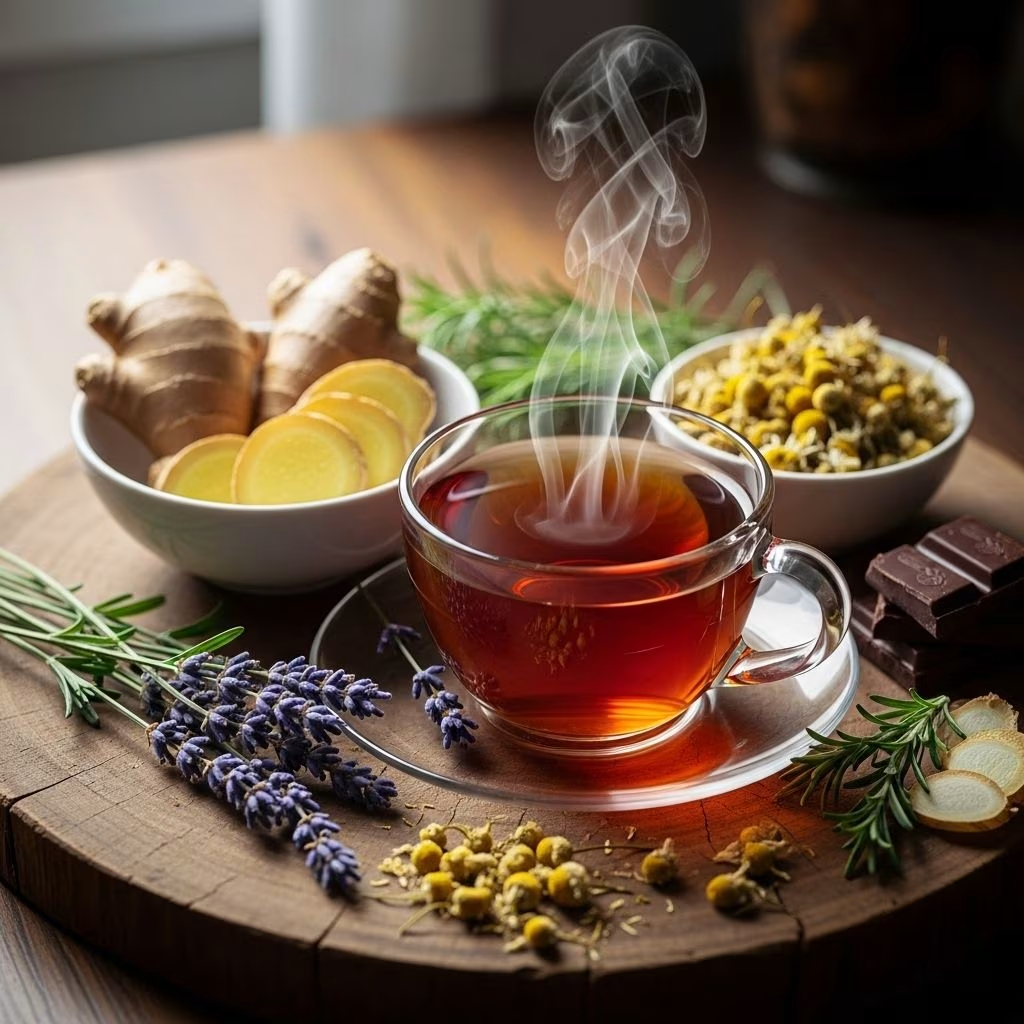
2. Embrace Herbal Teas and Natural Supplements
Several herbs are renowned for their anti-inflammatory and pain-relieving properties, making them beneficial during menstruation. Regular inclusion of these herbs may reduce cycle discomfort:
| Herb/Supplement | How to Use | Potential Benefits |
|---|---|---|
| Chamomile Tea | 2 cups per day, especially a week before your period | Contains glycine which relaxes muscles and nerves, easing cramps |
| Fennel Seeds | 30 mg extract, 4 times daily for the first 3 days of period | Reduces pain intensity and improves comfort |
| Cinnamon | 840 mg capsules, 3 times daily during first 3 days | Decreases pain, bleeding, nausea, and vomiting |
| Ginger | 250 mg powder, 4 times daily for 3 days | As effective as ibuprofen for relieving pain |
| French Maritime Pine Bark (Pycnogenol) | 60 mg daily during your period | Reduces moderate pain, with benefits increasing over time |
| Dill | 1000 mg per day, starting 2 days pre-period, for 5 days | Effective for cramps, comparable to some OTC medications |
3. Favor Anti-Inflammatory Foods
Your diet can have a significant impact on period pain severity. Foods with strong anti-inflammatory effects support uterine health and help reduce discomfort:
- Fruits and Vegetables: Berries, tomatoes, leafy greens, and pineapple provide antioxidants.
- Healthy Fats: Fatty fish (like salmon), walnuts, flaxseeds, and chia seeds.
- Spices: Incorporate ginger, turmeric, and garlic, known for their anti-inflammatory abilities.
Conversely, limiting processed foods, sugary snacks, trans fats, and salty treats can reduce bloating and inflammation, minimizing pain.
4. Stay Hydrated
Drinking plenty of water helps reduce bloating associated with periods, which in turn can relieve pressure and cramps. Aim for at least 8 glasses (about 2 liters) of water per day. Hot or warm water, in particular, improves circulation and helps soothe crampy muscles.
5. Regular Exercise and Body Movement
Physical activity increases endorphin levels, which act as the body’s natural painkillers, while also improving blood flow to the pelvic region. Research demonstrates that regular aerobic exercise—such as brisk walking, cycling, swimming, or yoga—can decrease the severity and duration of menstrual cramps.
- Try stretching or yoga poses that target the lower back and abdomen.
- Mild exercise during your period is safe and beneficial, but listen to your body.
- Pilates and gentle movement therapies may also be helpful.
6. Manage Stress for Better Hormonal Balance
Chronic stress is known to disrupt hormone levels and increase pain sensitivity, making menstrual symptoms worse. Practicing relaxation techniques can help maintain hormonal balance and ease period pain:
- Deep breathing exercises and meditation calm the nervous system.
- Gentle yoga can alleviate both physical and mental stress.
- Prioritize good sleep hygiene, aiming for at least 7-8 hours per night.
7. Nutritional and Herbal Supplements
Targeted supplements can support hormonal health and provide additional relief:
- Magnesium: Relaxes muscles and can decrease pain intensity.
- Vitamin D: Helps absorb calcium and reduce inflammation.
- Vitamin E: May lessen pain and blood loss.
- Omega-3 fatty acids: Powerful anti-inflammatory benefits.
Always check with your healthcare provider before starting any new supplements, especially if you have underlying health conditions or take medication.
8. Home Remedies and Traditional Practices
- Saffron with honey: Mixing a strand of saffron with one teaspoon honey may provide quick relief for some women.
- Ashoka tree bark beverage: Powdered bark mixed with milk or water is a traditional remedy for heavy bleeding.
- Tamarind paste: Combining tamarind, honey, and water helps treat heavy periods, thanks to the antioxidants in tamarind.
- Mustard seed powder: Valued for its omega-3 content and hormone-balancing effects. Add to milk or water.
- Apple cider vinegar: Diluted in water, it can help detoxify the body and maintain hormonal equilibrium.
- Flaxseed tea: Balances estrogen and reduces blood flow.
While these remedies are widely used, scientific evidence supporting their effectiveness can be limited, so always discuss traditional or complementary remedies with your healthcare professional.
9. Try Acupuncture and Massage
- Acupuncture: This traditional therapy helps rebalance energy flow, potentially easing cramps by regulating hormones and improving blood circulation.
- Abdominal massage: Gentle self-massage with essential oils (such as lavender or peppermint oil diluted in a carrier oil) may relax muscles and alleviate period pain.
10. Practice Pelvic Floor Exercises
Targeted exercises—in particular, Kegel exercises—can strengthen pelvic floor muscles, improve circulation, and contribute to less painful periods. These exercises are safe to practice at home and offer long-term benefits for reproductive and pelvic health.
11. Consider Lifestyle Adjustments and Healthy Habits
- Skip excessive caffeine: Caffeine constricts blood vessels and may worsen cramps. Choose decaf coffee or herbal tea instead.
- Reduce alcohol and tobacco: Both substances can intensify period pain and disrupt hormonal balance.
- Limit processed foods: Opt for whole, nutrient-rich foods to keep inflammation at bay.
When to Seek Medical Advice
While natural remedies are effective for many, some menstrual pain can be a sign of an underlying health issue, such as endometriosis, fibroids, or polycystic ovarian syndrome (PCOS). See a gynecologist if you experience:
- Severe cramps that interfere with daily life or do not respond to home treatments.
- Excessively heavy or prolonged periods.
- Other symptoms like severe fatigue, unusual discharge, or fever.
In some cases, a combination of natural remedies and medical treatment is needed for ideal results. Hormonal birth control and certain medications may be recommended by your doctor for persistent or serious problems.
Frequently Asked Questions (FAQs) About Period Pain and Natural Remedies
Q1: Can period pain be completely cured with natural methods?
While some women achieve significant relief through lifestyle changes and home remedies, results vary for everyone. Persistent or severe pain may require professional evaluation and medical intervention.
Q2: How quickly do these remedies work?
Some remedies, like applying heat or taking herbal teas, can provide relatively fast relief (within hours). Others, such as dietary changes, exercise, and supplements, may require several weeks or menstrual cycles for full benefit.
Q3: Are there any risks to using herbal supplements for period pain?
Yes, some herbal supplements can interact with medications or cause side effects. Always consult your healthcare provider before adding new supplements to your regimen—especially if you have health conditions or take prescription drugs.
Q4: Is it normal for period pain to get worse with age?
It can be, but a sudden increase in pain intensity or duration should always be discussed with your doctor, as it may indicate an underlying medical condition.
Q5: Should I avoid exercise during my period?
No—gentle physical activity and stretching are recommended and often reduce period pain. Listen to your body’s cues and stick to comfortable activities.
Q6: What lifestyle changes offer the biggest long-term benefits?
Consistent exercise, a balanced anti-inflammatory diet, good hydration, stress management, and adequate sleep provide the foundation for long-term menstrual and overall health.
Final Thoughts
Menstrual pain is a widespread and distressing issue, but it does not have to be an inevitable part of life. With a holistic approach—combining natural remedies, dietary adjustments, gentle exercise, and healthy habits—many women can achieve real and lasting relief. Remember, if your symptoms are severe or affecting quality of life, medical guidance is essential to rule out more serious causes and develop an individualized care plan. Empower yourself with the knowledge and tools needed to make every cycle more manageable, comfortable, and healthy.
References
- https://www.healthline.com/health/womens-health/menstrual-cramp-remedies
- https://www.medicinenet.com/how_can_i_stop_prolonged_periods_naturally/article.htm
- https://www.healthpartners.com/blog/13-ways-to-stop-period-pain/
- https://www.medicalnewstoday.com/articles/324484
- https://www.youtube.com/watch?v=rwuBHuavwVM
- https://health.clevelandclinic.org/how-to-stop-your-period


