


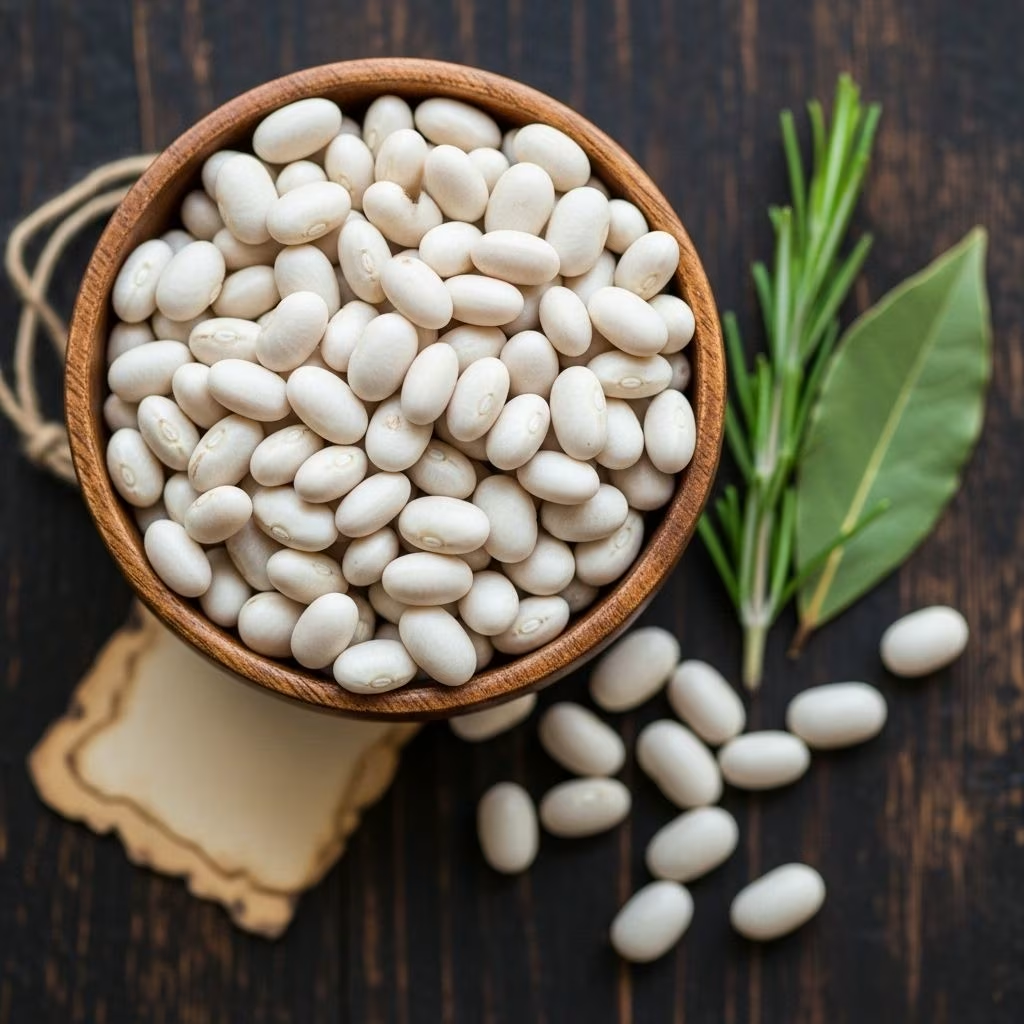
Navy beans are a staple ingredient in kitchens across the world, celebrated for their versatility, nutrition, and rich history. This comprehensive guide uncovers the origins of navy beans, their impressive nutritional profile, key health benefits, diverse uses in the kitchen, and distinct taste profile. Whether you’re a cook, a health enthusiast, or simply bean-curious, discover all you need to know to include navy beans confidently in your meals.
What Are Navy Beans?
Navy beans are small, oval-shaped, pearly white legumes belonging to the species Phaseolus vulgaris of the Fabaceae (legume) family. They are also known as white pea beans, Boston beans, pearl haricot beans, and just haricot beans in some regions.
- Appearance: Ivory or creamy white, oval, and slightly flattened.
- Size: Smaller and rounder compared to other white beans like great northern or cannellini beans.
- Edibility: Only the seeds are consumed; harvested when ripe and semi-dry.
History and Origins of the Navy Bean
The navy bean is native to South America, most likely originating from Central or South American ancestors centuries ago.
- Brought to Europe, Asia, and Africa by Spanish explorers after the Columbian exchange.
- Became a food staple in the United States, named “navy bean” because it was a regular food for US Navy sailors since the mid-1800s.
- Introduced to Australia during World War II to provide inexpensive nutrition to troops.
The navy bean is now cultivated and consumed worldwide due to its nutritional value and adaptability in various recipes.
Varieties and Cultivars
Several notable cultivars of navy beans exist, each with subtle differences:
- Rainy River
- Robust – resistant to bean common mosaic virus
- Michelite – descended from Robust; yields more beans
- Sanilac – first bush-type navy bean
Other European white beans with similar appearance but different names or geographical significance include coco de Paimpol, mogette de Vendée, lingot du Nord, and haricot tarbais.
Nutritional Composition
Navy beans are nutritional powerhouses packed with protein, fiber, vitamins, and minerals. The following table highlights their key nutrients per 100g (cooked, no added fat or seasoning):
| Component | Per 100g (Cooked) |
|---|---|
| Calories | ~140 kcal |
| Protein | 8.2 g |
| Fat | 0.6 g |
| Carbohydrates | 26 g |
| Fiber | 10.5 g |
| Sugars | 0.6 g |
| Folate | 140 mcg (35% DV) |
| Manganese | 0.6 mg (30% DV) |
| Copper | 0.3 mg (15% DV) |
| Iron, Magnesium, Potassium | Good Source |
Note: Exact values can vary based on cooking method and source. Dry beans are more calorie-dense.
- High in complex carbohydrates and low in fat
- Excellent source of dietary fiber—both soluble and insoluble
- Rich in folate, manganese, copper, iron, magnesium, and potassium
- Contains alkaloids, saponins, flavonoids, and terpenoids, with potential anti-diabetic and antioxidant activity
Health Benefits
- Digestive Health: High fiber content supports gut health, regularity, and promotes a feeling of fullness.
- Cholesterol Reduction: Soluble fiber helps lower LDL cholesterol, supporting heart health.
- Blood Sugar Management: Fiber and slow-digesting carbohydrates assist in blood sugar regulation, helpful for diabetes.
- Rich Plant Protein: When paired with grains (like rice), navy beans provide high-quality complete vegetarian protein.
- Nutrient Density: High in folate (important for cell health and pregnancy), magnesium (muscle and nerve function), and iron (oxygen transport).
- Antioxidant Properties: Natural phytochemicals like saponins and flavonoids protect against oxidative stress.
- Weight Management: Their high fiber and protein make meals satisfying, potentially aiding in weight loss by reducing appetite.
Culinary Uses and Cooking Tips
Navy beans’ mild flavor, creamy texture, and adaptability make them ideal for a variety of dishes. Navy beans can be used in:
- Soups and Stews: Their smoothness thickens and enriches.
- Baked Beans: A traditional choice for Boston baked beans, barbecue beans, and English baked beans.
- Salads: As a protein- and fiber-rich addition to cold salads or Mediterranean-style bowls.
- Dips and Spreads: Can be puréed into hummus-like dips, or seasoned as a sandwich spread.
- Veggie Patties and Cakes: Mashed and combined with vegetables and spices.
- Side Dishes: Simply seasoned with herbs, olive oil, and lemon.
- Baked Goods: Used in some cake and brownie recipes for extra fiber and moisture.
Tip: Navy beans absorb the flavors of whatever they are cooked with, making them exceptionally versatile in global cuisines.
Popular Navy Bean Recipes
- Baked beans (classic Boston style)
- Navy bean soup (with ham or vegetarian)
- Cassoulet (French bean stew)
- White bean pesto dip
- Bean and vegetable stew
- Bean salad with lemon and herbs
Taste and Texture Profile
- Taste: Mild, slightly nutty, with a delicately earthy undertone
- Texture: Once cooked, navy beans are creamy, starchy, soft, and velvety. Their delicate skin means they easily blend into a dish, lending creaminess.
- Because of their neutral taste, they adapt to spices and flavors exceptionally well.
Buying, Preparing, and Storing Navy Beans
Buying
- Available dried (in bulk or packages) or canned at most grocery stores.
- Choose dried beans that are dry, evenly colored, and free from cracks.
- For canned options, select ones without added sugar or excessive salt.
Preparation and Cooking Tips
- Soaking: Dried navy beans should ideally be soaked 6–8 hours (overnight) to reduce cooking time and improve digestibility.
- Cooking: After rinsing soaked beans, cook in fresh water for 45–90 minutes until soft.
- Cook with aromatics: Onion, garlic, bay leaf, or fresh herbs enhance flavor.
- Gas reduction tip: Adding a pinch of baking soda during cooking can help reduce bloating and flatulence.
- Canned navy beans are ready to use—just rinse and drain.
Storage
- Dried navy beans keep for up to a year in a cool, dry, airtight container.
- Cooked navy beans last 4–5 days, refrigerated in an airtight container.
- Cooked beans can be frozen for up to 3 months.
Potential Side Effects and Allergies
- Flatulence and bloating: Due to their high fiber content, navy beans may cause digestive discomfort in some people—this is common to most beans.
- Proper soaking, rinsing, discarding soaking water, and cooking with aromatics or baking soda can help.
- Allergies to navy beans are rare but possible, more common with general legume allergies.
- Individuals with certain metabolic disorders (like G6PD deficiency) should avoid fava beans but navy beans are generally safe.
Navy Beans vs. Other White Beans
| Type | Size/Shape | Texture | Flavor | Common Uses |
|---|---|---|---|---|
| Navy Bean | Small, oval | Creamy, soft | Mild, slightly nutty | Baked beans, soups, purees |
| Great Northern | Medium, oval | Firm, less creamy | Mild, delicate | Stews, salads, casseroles |
| Cannellini | Large, kidney-shaped | Meaty, tender | Earthy, nutty | Italian dishes, minestrone |
| Baby Lima | Flat, small | Creamy, buttery | Slightly sweet | Succotash, side dishes |
Frequently Asked Questions (FAQs)
Q: Are navy beans gluten-free?
A: Yes, navy beans are naturally gluten-free and suitable for celiac or gluten-sensitive diets.
Q: Can navy beans be eaten raw?
A: No, raw navy beans contain lectins, which may be toxic. Always cook before eating.
Q: What is the best way to reduce gas from beans?
A: Soak dried beans and discard the soaking water, then cook with fresh water. Adding aromatics or a pinch of baking soda during cooking helps reduce gas.
Q: Are canned navy beans as nutritious as dried?
A: Yes, but check labels for excess sodium or additives; rinsing canned beans reduces sodium.
Q: Can I substitute navy beans for other white beans in recipes?
A: In most recipes, navy beans can be substituted for great northern or cannellini beans—they may change the texture slightly due to their creamier, softer nature.
Conclusion
Navy beans are an affordable, nutritious, and adaptable legume that have served as a dietary mainstay for generations. Their gentle flavor, soft texture, and impressive health benefits make them a rewarding addition to a variety of recipes for both nutrition and taste. By understanding their unique profile and preparation methods, you can harness the full culinary and nutritional potential of this humble bean.
References
- https://www.aprifel.com/en/nutritional-sheet/navy-bean/
- https://www.precisionnutrition.com/encyclopedia/food/navy-beans
- https://kids.kiddle.co/Navy_bean
- https://alchemyacademy.world/navy-bean/
- https://www.merriam-webster.com/dictionary/navy%20bean
- https://www.camelliabrand.com/about-the-bean/about-navy-beans/
- https://www.foodrepublic.com/1630480/navy-beans-vs-great-northern-beans-difference/


