


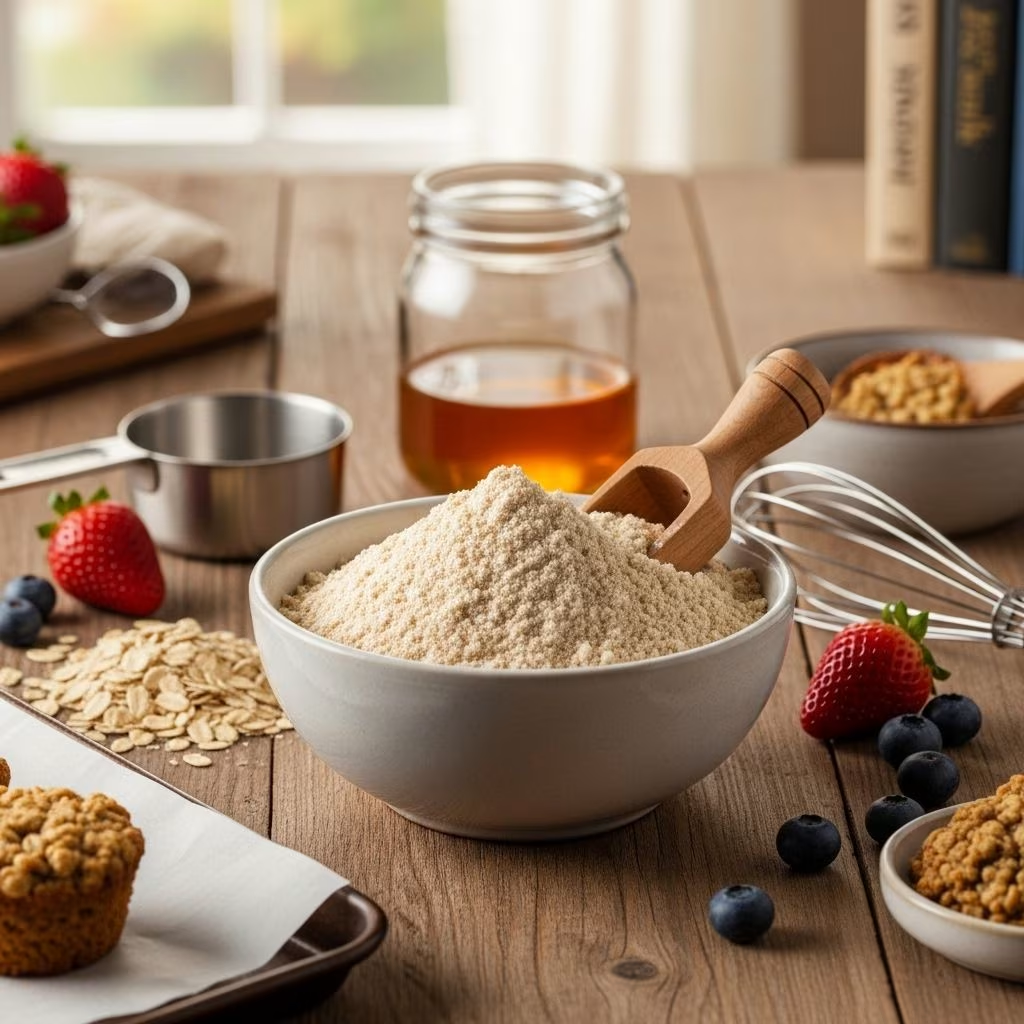
Oat flour has quickly become a staple in modern baking, adored by home bakers and nutrition-conscious cooks for its versatility, pleasant taste, and impressive health profile. Whether you’re seeking a gluten-free alternative, experimenting with flavors, or boosting the nutritional content of your favorite recipes, oat flour opens up a world of delicious opportunities for baking and beyond.
What Is Oat Flour?
Oat flour is a finely ground powder made from whole oats. For centuries, oats have been a nourishing crop, but grinding them into flour offers new levels of convenience and versatility in the kitchen.
- Production: Oat flour is made simply by grinding rolled or steel-cut oats into a soft, fine powder. Home cooks can even make fresh oat flour using a high-speed blender or food processor, ensuring freshness and cost savings.
- Texture and Taste: Oat flour has a mild, slightly nutty, and subtly sweet flavor. It feels soft and powdery to the touch, contributing tenderness and moistness to baked goods.
- Gluten-Free Status: Naturally gluten-free, oat flour is suitable for many individuals with gluten sensitivities. However, it is important to select certified gluten-free oats to avoid cross-contamination during processing.
Nutritional Profile of Oat Flour
For those looking to enhance the nutrition of their bakes, oat flour is an excellent choice, packed with essential nutrients. Below is an overview of its nutritional strengths:
| Nutrition (per 100g, uncooked) | Oat Flour | All-Purpose Wheat Flour |
|---|---|---|
| Calories | 404 | 364 |
| Protein | 14g | 10g |
| Total Carbohydrates | 67g | 76g |
| Fiber | 7g | 3g |
| Sugar | 0g | 0g |
| Total Fat | 9g | 1g |
| Iron | 4.5mg (25% DV) | 1.2mg (8% DV) |
| Calcium | 52mg (4% DV) | 15mg (1% DV) |
| Magnesium | 138mg (33% DV) | 22mg (6% DV) |
Source: USDA FoodData Central
- High in Fiber: Oat flour is rich in both soluble and insoluble fiber, supporting heart health, digestion, and satiety.
- Protein Content: Higher protein than most wheat flours, beneficial for structure and nutrition in gluten-free baking.
- Healthy Fats: Whole grain oats retain more healthy unsaturated fats—unlike refined flours.
- Key Micronutrients: Provides iron, magnesium, zinc, and B vitamins crucial for energy metabolism and immune function.
Common Baking Uses of Oat Flour
Oat flour adds a unique dimension to traditional and modern recipes. It can wholly or partially replace traditional flours in a broad range of baked goods, yielding bakes that are moist, tender, and full of subtle oaty character.
- Cakes: Oat flour produces cakes that are moist yet light, with a delicate crumb. Its natural sweetness means you can often reduce added sugar slightly in your recipes.
- Pancakes and Waffles: Oat flour lends fluffiness as well as extra fiber and staying power for energy-boosting breakfasts.
- Bread: While it lacks gluten for rise, oat flour can be blended with other flours for uniquely textured quick breads or used in flatbreads and soda breads.
- Cookies & Bars: Oat flour works well in cookies and chewy granola bars, imparting a soft, tender bite.
- Muffins: Substituting oat flour results in moist, dense muffins packed with nutrients.
- Pie Crusts & Crumbles: Its crumbly texture suits streusel toppings and snack bars.
- Energy Balls: Many no-bake recipes rely on oat flour as a healthy, binding ingredient.
How Much Oat Flour to Use in Baking?
Oat flour is more absorbent than wheat flour, so small adjustments may be necessary:
- 1 cup all-purpose flour ≈ 1 1/3 cups oat flour
- Allow batters to rest for 10–15 minutes (especially when making pancakes, waffles, or bread) for proper hydration and texture
- For yeast breads, combine with gluten-containing flour or mix in a binding agent (like xanthan gum or psyllium husk)
Oat Flour Recipes
Experimenting with oat flour can bring both nutrition and variety to your table. Here are a few inspiring ways to include it in sweet and savory bakes:
1. Fluffy Oat Flour Cake
Ingredients:
- 2 cups oat flour (or finely ground oats)
- Granulated sugar & light brown sugar
- Cornstarch
- Baking powder & baking soda
- Ground cinnamon
- Milk (dairy or non-dairy)
- Eggs
- Yogurt
- Oil
- Vanilla extract
- Rolled oats (for extra texture)
Blend ingredients together for a quick batter; bake at 350°F until set. Resting the batter improves crumb—a key for tender gluten-free cakes. Top with a simple brown sugar frosting for a cozy finish.
2. Vegan Oat Flour Pancakes
Key substitutions: Use ripe bananas for moisture and sweetness, and plant milk to keep the pancakes dairy-free. The result is soft, fluffy pancakes that are gluten-free, vegan, and nutritious.
- Oat flour
- Plant milk (e.g., oat, almond, soy)
- Bananas
- Baking soda
- Maple syrup and berries for topping
Blend, let rest, and cook until golden. Oat flour pancakes are especially good for sensitive eaters and kids.
3. Cookie Dough Bites
No-bake oat flour sweets combine oat flour, maple syrup, coconut oil, and chocolate chips for a quick dessert. The dough is mixed and shaped, then enjoyed as is—perfect for an energizing snack or quick treat.
4. Breakfast Cakes and Muffins
Baked oat flour breakfast cakes—think single-serve mug cakes or breakfast muffins—are satisfying, wholesome, and endlessly adaptable. Fold fruit, nuts, or spices into the mix for new flavors each morning.
Oat Flour Substitutes
If you run out of oat flour, several other flours can step in—though each will slightly alter texture and nutrition.
| Substitute | Best Uses | Notes |
|---|---|---|
| Almond Flour | Cookies, cakes, muffins | Similar moisture; adds nutty taste; not suitable for nut allergies |
| Coconut Flour | Pancakes, dense cakes | Very absorbent; requires extra liquid and eggs |
| Buckwheat Flour | Breads, crepes, pancakes | Earthy flavor; denser texture |
| Brown Rice Flour | Breads, muffins | Neutral flavor; less moisture than oat flour |
| Whole Wheat Flour | Cakes, cookies | Contains gluten; more structure; not suitable for gluten-free diets |
| Blended Gluten-Free All-Purpose Flour | Universal | Designed for direct substitution; blends of rice, potato, tapioca, etc. |
- Homemade oat flour: Simply process rolled oats in a blender until fine for an exact substitute in most recipes.
- If substituting oat flour for other flours, start with a 1:1 ratio by weight, adjusting for moisture as needed due to oat flour’s absorbency.
Tips and Tricks for Baking with Oat Flour
- Hydration is key: Let batters rest before baking to allow oat flour to absorb moisture and produce a better texture.
- Blending flours: For best results, combine oat flour with another gluten-free flour for lighter baked goods.
- Binding agents: Gluten-free baking often benefits from xanthan gum, psyllium husk, or extra eggs for stability and elasticity.
- Measuring tips: For greater accuracy, weigh oat flour rather than relying on cup measurements.
- Storage: Store oat flour in a cool, dry place or the refrigerator to prevent rancidity from its healthy fats.
- Allergies: Always look for certified gluten-free oats if cross-contamination is a concern.
Frequently Asked Questions (FAQs)
Q: Can I substitute oat flour for all-purpose flour in any recipe?
A: You can often replace up to 25–30% of all-purpose flour with oat flour in regular recipes for added nutrition and tenderness. For recipes made entirely with oat flour, adjust liquids and add a binding agent to compensate for lack of gluten.
Q: How do I make my own oat flour at home?
A: Blend rolled oats in a high-speed blender or food processor until finely ground. For every 1 cup of rolled oats, you’ll get just under 1 cup of oat flour.
Q: Is oat flour always gluten-free?
A: Oats and oat flour are naturally gluten-free but may be contaminated during processing. Always select certified gluten-free brands for sensitive diets.
Q: Does oat flour affect the taste or color of baked goods?
A: Oat flour imparts a mild, slightly sweet, and nutty flavor. It also gives a soft, moist crumb with a slightly creamy hue.
Q: What are the main health benefits of baking with oat flour?
A: Oat flour is rich in beta-glucan fiber, which can help lower cholesterol, support heart health, and promote digestive regularity. Its slow-digesting carbohydrates also provide sustained energy.
Conclusion: Embracing Oat Flour in Everyday Baking
Oat flour is a modern kitchen ally—versatile, wholesome, and adaptable. Whether your goal is to bake gluten-free, reduce refined grains, or simply add more nutrition to your favorite treats, oat flour offers a satisfying solution that doesn’t sacrifice flavor or texture. As bakers explore new flours for both classic and innovative recipes, oat flour stands out as a simple step toward healthier, heartier, and more delicious home baking.
References
- https://www.mamagourmand.com/oat-flour-cake/
- https://thegreenloot.com/vegan-oat-flour-recipes/
- https://beamingbaker.com/easy-oat-flour-recipes/
- https://renatacollective.com/recipes/oat-flour-baked-breakfast-cakes
- https://bojongourmet.com/gluten-free-flour/oat-flour/
- https://www.quakeroats.com/cooking-and-recipes/by-ingredient/oat-flour-recipes
- https://www.youtube.com/playlist?list=PLHccb2cbWtrgzg66BfemMx5_QECN_bSml
- https://eatwithclarity.com/category/ingredient/oat-flour/


