


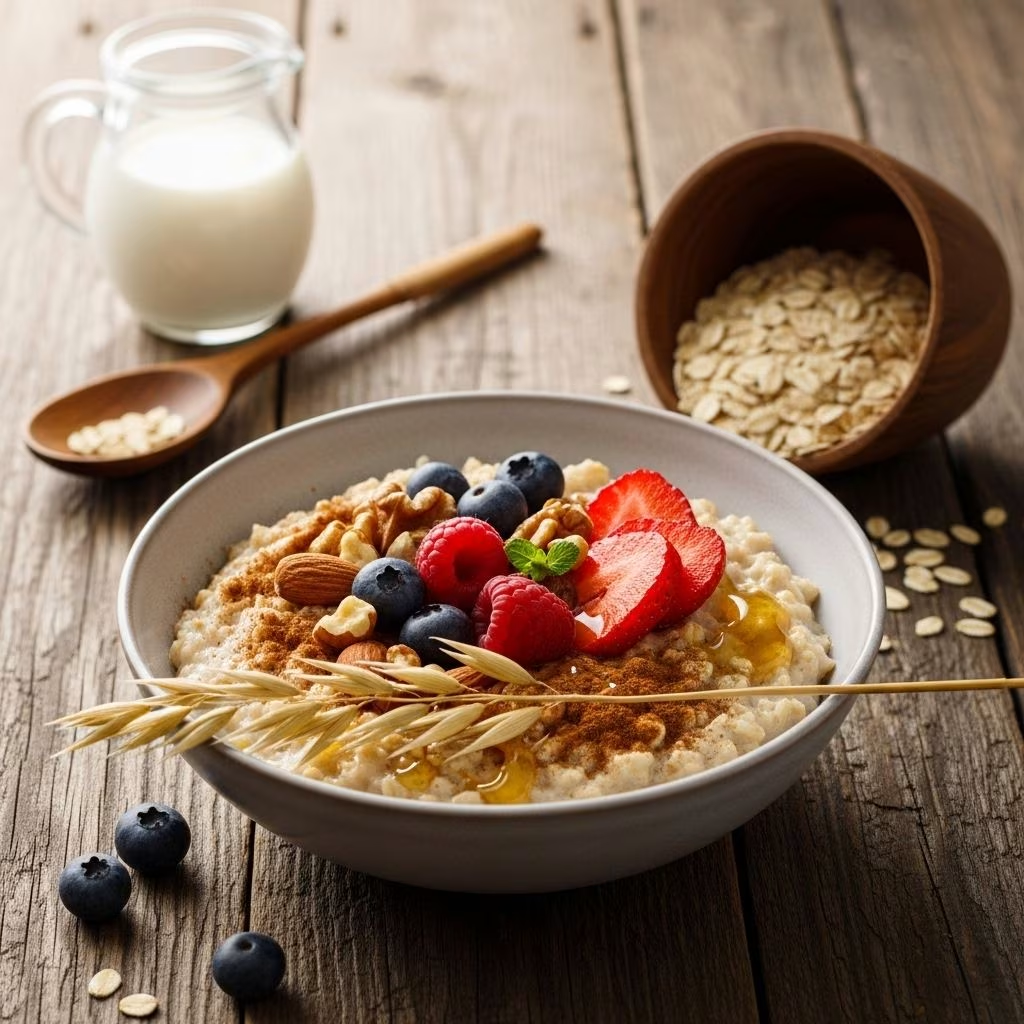
Oats have long been a staple in diets across the globe, celebrated for their nutrition, versatility in the kitchen, and unique taste. But what exactly are oats, why are they so good for you, and how can you make the most of their delicious, hearty flavor? This in-depth guide explores the origins of oats, their renowned health benefits, their myriad uses in both sweet and savory dishes, and what makes their taste so appealing.
What Are Oats?
Oats are a species of cereal grain known scientifically as Avena sativa, widely grown for their edible seeds. As a resilient crop, oats thrive in cooler, temperate climates, making them popular in many northern countries.
The grain is valued for being a whole grain, meaning that it retains all parts of the kernel, thereby providing maximum nutrition. Importantly, oats are naturally gluten-free, though cross-contamination can occur during processing.
While oats are most familiar as oatmeal or porridge, their versatility extends to a wide range of products, from breakfast cereals and granola bars to breads, beverages, and even cosmetics.
Nutritional Profile of Oats
Oats are lauded for their impressive and well-balanced nutritional profile. They are:
- High in dietary fiber, particularly beta-glucan
- A rich source of plant-based protein, with a good balance of essential amino acids
- Packed with essential vitamins and minerals, such as manganese, phosphorus, magnesium, copper, iron, zinc, thiamin (vitamin B1), and folate
- Full of beneficial antioxidants, including polyphenols and unique avenanthramides
Typical nutrition for 1/2 cup (about 40g) of dry oats:
| Nutrient | Quantity | % Daily Value |
|---|---|---|
| Calories | 153.5 | – |
| Carbohydrates | 27.4g | – |
| Protein | 5.3g | – |
| Fat | 2.6g | – |
| Fiber | 4g | – |
| Manganese | – | 63.9% |
| Magnesium | – | 13.3% |
| Phosphorus | – | 13.3% |
| Copper | – | 17.6% |
| Iron | – | 9.4% |
| Zinc | – | 13.4% |
| Thiamin (B1) | – | 15.5% |
| Folate | – | 3.2% |
In addition to these nutrients, oats contain a variety of plant compounds that contribute to their health benefits, especially antioxidants such as avenanthramides, which are rarely found in other foods.
Health Benefits of Oats
Oats are considered among the healthiest grains on earth. Mounting scientific evidence continues to affirm their many benefits, as summarized below:
1. Improve Diet Quality
Adding oats to your daily routine increases the intake of important micronutrients and fiber, boosting your overall diet quality.
2. Heart Health and Cholesterol Management
Beta-glucan in oats helps reduce LDL (“bad”) cholesterol by enhancing bile acid excretion and binding cholesterol in the digestive tract. This lowers blood cholesterol levels and reduces the risk of heart disease.
3. Blood Sugar Control
Thanks to beta-glucan, oats slow down glucose absorption and post-meal blood sugar spikes. This effect improves insulin sensitivity and supports blood sugar regulation, important for diabetes prevention and management.
4. Weight Management
High fiber content increases satiety, helping you feel fuller longer and curb appetite, which can support healthy weight loss and management.
5. Gut and Digestive Health
Oats contain prebiotic fibers that nourish healthy gut bacteria, stimulate digestion, and may help relieve constipation, especially in older adults.
6. Potential Cancer-Preventive Properties
A combination of peptides, polyphenols, and fiber in oats may help prevent certain cancers, particularly colon cancer, by supporting healthy digestion and reducing inflammation.
7. Immune Modulation
Vitamins, minerals, and protein compounds in oats support immune function, while their fiber helps reduce systemic inflammation.
8. Lowering Blood Pressure
The unique antioxidant avenanthramides found in oats promote nitric oxide production, which relaxes blood vessels and can help regulate healthy blood pressure levels.
9. Skin Health & Other Benefits
Oats are well known for their soothing effect on the skin and are used in skincare to relieve itching and inflammation. Oatmeal baths are commonly recommended for conditions like eczema and chickenpox.
- Other research points to oat consumption in reducing the risk and severity of childhood asthma.
Types of Oats and Their Forms
Oats are processed into several forms, each with different textures, cooking times, and uses:
- Oat Groats: The whole, hulled oat kernel; takes longest to cook and offers a chewy texture.
- Steel-Cut Oats: Oat groats chopped into coarse pieces; cook faster than groats and have a nutty, chewy bite.
- Rolled Oats (Old-Fashioned): Groats steamed and rolled into flakes; softer and quicker to cook, commonly used for oatmeal, baking, and granola.
- Quick Oats: Thinner rolled oats that cook quickly; can become mushy but ideal for instant recipes.
- Instant Oats: The most processed, pre-cooked form; often found in quick-cooking packets with flavorings.
- Oat Bran: The outer layer of the groat, higher in fiber, commonly added to cereals, baked goods, and smoothies.
| Type | Processing | Texture | Cooking Time |
|---|---|---|---|
| Oat Groats | Minimal | Chewy | 45-60 min |
| Steel-Cut Oats | Cut | Very chewy | 20-30 min |
| Rolled Oats | Steamed & flattened | Softer, creamy | 5-10 min |
| Quick Oats | Thinner, steamed/rolled | Soft | 1-2 min |
| Instant Oats | Precooked, dried | Very soft | <1 min |
Culinary Uses of Oats
The versatility of oats extends beyond breakfast. Here are some popular ways to use oats in everyday cooking:
- Oatmeal and Porridge: Classic breakfast, customizable with fruits, nuts, seeds, spices, or yogurt.
- Baked Goods: Used in cookies, muffins, bread, pancakes, and waffles to add nutrition and texture.
- Granola and Muesli: Combined with nuts, dried fruits, seeds, and sweeteners and baked or kept raw.
- Smoothies: Blended for fiber and creaminess.
- Coating/Binding Agent: Used to coat proteins or as a binding ingredient in veggie burgers or meatloaf.
- Oat Milk: Plant-based beverage alternative to dairy, made by blending oats with water and straining.
- Soups and Stews: Used as a thickening agent or added for bulk and texture to savory meals.
Oats absorb flavors while adding a subtle, comforting “nutty” undertone, making them suitable for both sweet and savory uses.
The Taste of Oats
Oats have a mild, slightly sweet, and distinctly nutty flavor. The degree of toastiness or earthiness may intensify depending on the type and method of preparation:
- Oat Groats and Steel-Cut Oats: Offer a strong, toasted oat flavor and chewy texture.
- Rolled and Quick Oats: Milder taste, creamier texture when cooked.
- Instant Oats: Softest and mildest, can easily take on the flavor of added ingredients.
Cooking oats in milk instead of water, toasting them before use, or pairing with vanilla, cinnamon, and fruits enhances their flavor. Oats rarely taste bitter and generally pair well with sweeteners, dairy, and spices.
Buying and Storing Oats
Oats are widely available and budget-friendly. When purchasing, consider the following tips:
- Look for 100% whole oats or products with minimal added sugars and flavorings.
- If you need to avoid gluten, look for certified gluten-free oats.
- Store oats in a cool, dry place in an airtight container to preserve freshness and prevent pest contamination.
- Oats can last several months to a year if stored properly; refrigeration can improve shelf life in humid environments.
Potential Allergies and Side Effects
Oat allergies are rare but possible and typically involve reactions to oat proteins. The risk of contamination with gluten-containing grains like wheat, barley, or rye is a bigger concern for those with celiac disease or gluten sensitivity. Always check labels for gluten-free certification if needed.
- People new to eating large amounts of oats may experience minor digestive discomfort due to increased fiber; start with small portions and increase gradually.
Frequently Asked Questions (FAQs)
Are oats gluten-free?
Oats are inherently gluten-free, but may be contaminated during processing. Always buy certified gluten-free oats if you have celiac disease or gluten sensitivity.
How do oats support heart health?
The beta-glucan soluble fiber in oats lowers cholesterol and can help reduce cardiovascular risk by supporting healthy blood lipid levels and blood vessel function.
What is the best way to include oats in my diet?
Oats can be enjoyed as oatmeal, added to smoothies, baked into breads and muffins, stirred into yogurt and parfaits, or used as a base for homemade granola and muesli.
Are instant oats less healthy?
Instant oats are more processed, resulting in a softer texture and quicker preparation, but they still retain much of the nutritional benefit if you avoid added sugars and flavors.
Can oats help with weight loss?
Yes. The fiber in oats increases feelings of fullness, slows digestion, and may help control appetite and calorie intake, supporting healthy weight management.
Do oats taste good in savory recipes?
Absolutely. Oats can be used in veggie burgers, as a thickener for soups/stews, or as a savory breakfast porridge with toppings like eggs, herbs, or cheese.
Are there any risks to eating oats daily?
For most people, eating oats daily is safe and beneficial. If you have a rare oat allergy or struggle with gluten cross-contamination, be vigilant about sourcing and preparation.
Oats are a powerhouse grain that make it easy to build a healthier, tastier diet—whether enjoyed in a sweet breakfast bowl, baked into treats, or added to your favorite savory recipes.
References
- https://www.bbcgoodfood.com/health/nutrition/porridge-healthy
- https://www.healthline.com/nutrition/9-benefits-oats-oatmeal
- https://www.healthline.com/nutrition/foods/oats
- https://pmc.ncbi.nlm.nih.gov/articles/PMC8625765/
- https://nutritionsource.hsph.harvard.edu/food-features/oats/
- https://www.medicalnewstoday.com/articles/324176
- https://www.mayoclinichealthsystem.org/hometown-health/speaking-of-health/start-your-day-with-healthy-oatmeal


