


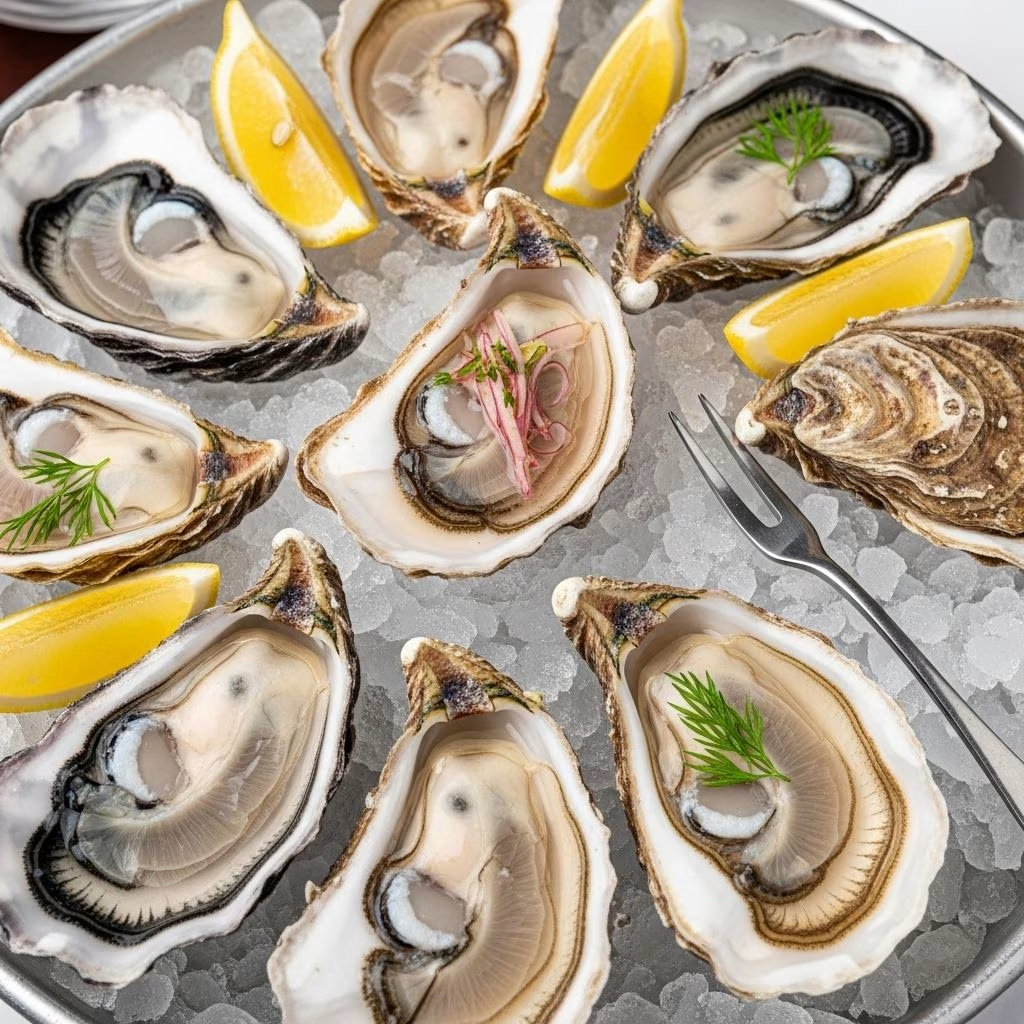
Oysters are a unique group of shellfish celebrated for their outstanding nutritional profile, complex flavor, and significance in both ecological and culinary worlds. For centuries, these mollusks have been prized as delicacies and sources of sustenance around the globe. This article explores what oysters are, delves into their health benefits, various uses, potential risks, and offers a comprehensive look at their distinct taste and culinary value.
What Are Oysters?
Oysters are a type of bivalve mollusk primarily found in saltwater environments such as oceans, estuaries, and bays. They are characterized by their irregular, hard shells and the soft, highly nutritious inner body—or meat—consumed as food. In addition to their culinary value, oysters play a crucial role in aquatic ecosystems by filtering water and providing habitats for other sea life.
- Classification: Oysters belong to the family Ostreidae and the order Ostreida.
- Common species: Eastern oyster (Crassostrea virginica), Pacific oyster (Crassostrea gigas), European flat oyster (Ostrea edulis), among others.
- Habitat: Saltwater coastal areas, estuaries, and brackish water regions.
- Role in ecosystem: Water filtration, providing habitat, and supporting biodiversity.
Nutritional Profile of Oysters
Oysters are exceptionally nutrient-dense, offering a rich source of protein, vitamins, minerals, and healthy fats with relatively low calories. Their nutritional content is largely retained regardless of preparation method.
| Nutrient | Amount | % Daily Value (DV) |
|---|---|---|
| Calories | 79 | |
| Protein | 9g | |
| Carbohydrates | 4g | |
| Fat | 3g | |
| Zinc | 555% | |
| Vitamin B12 | 538% | |
| Copper | 493% | |
| Selenium | 56% | |
| Iron | 40% | |
| Manganese | 20% | |
| Phosphorus | 12% | |
| Vitamin E | 9% | |
| Riboflavin | 9% | |
| Calcium | 7% |
- Protein: High-quality and complete, containing all nine essential amino acids.
- Omega-3 fatty acids: Essential fats that support heart, brain, and metabolic health.
- Micronutrients: Especially high in zinc, copper, vitamin B12, selenium, iron, and magnesium.
Health Benefits of Eating Oysters
In addition to their impressive nutrient content, oysters provide a range of health benefits supported by scientific research:
- Rich Source of Protein: Their high protein content contributes to satiety, muscle building, and tissue repair. Protein also assists in metabolic health and weight control.
- Supports Immune Function: Exceptionally high zinc levels boost the immune system, support wound healing, and aid cellular growth.
- Brain and Nervous System Health: Vitamin B12 helps maintain nerve function, support brain health, and form red blood cells. Deficiencies can cause fatigue and cognitive issues.
- Promotes Heart Health: Omega-3 fatty acids have anti-inflammatory effects, aid in reducing triglycerides, and may lower the risk of cardiovascular disease.
- Antioxidant Protection: Selenium, zinc, and certain compounds (such as DHMBA) found in oysters act as antioxidants, helping reduce oxidative stress and the risk of chronic diseases such as heart disease, some cancers, and cognitive decline.
- Iron and Hemoglobin Formation: The iron in oysters is vital for the formation of hemoglobin and myoglobin, supporting oxygen transport and energy levels.
- Metabolic and Thyroid Support: Selenium and iodine in oysters play significant roles in regulating thyroid function and metabolism.
Summary: Oysters are nutritionally dense foods that may help boost immunity, support heart and brain health, fight oxidative stress, and aid metabolism and energy production.
Potential Risks and Safety Considerations
Despite their health benefits, consuming oysters also entails certain risks:
- Raw Oyster Consumption: Raw or undercooked oysters may harbor bacteria such as Vibrio vulnificus or norovirus, which can cause food poisoning, particularly in vulnerable populations (elderly, pregnant, immunocompromised).
- Heavy Metals and Pollutants: Oysters filter large volumes of water, which can sometimes expose them to environmental contaminants like heavy metals or microplastics. Sourcing from reputable regions reduces risk.
- Allergies: Shellfish allergies are common and can cause severe reactions. Individuals with known allergies should avoid oysters.
- Mineral Overload: Excessive consumption can lead to high intakes of certain minerals (notably zinc), which may cause adverse effects such as gastrointestinal upset, suppressed immune function, or copper deficiency.
Proper storage, preparation, and cautious sourcing significantly lower associated risks. Cooking oysters eliminates most bacteria and viruses.
Culinary Uses of Oysters
Oysters have a well-earned place in culinary traditions worldwide, valued for both their flavor and versatility:
- Raw on the Half Shell: Served chilled, typically with lemon, mignonette, or cocktail sauce. Appreciated for their pure, briny flavor and delicate texture.
- Grilled/Baked: Common preparations include oysters Rockefeller (baked with herbs, bread crumbs, and butter), oysters casino (topped with bacon and vegetables), and other creative recipes.
- Fried: Coated in flour or breadcrumbs and deep-fried for a crispy exterior and creamy center; often served in sandwiches or as appetizers.
- Steamed or Poached: Gently cooked and paired with light sauces or added to chowders and stews.
- Pickled or Smoked: Preserved methods that deepen flavor and allow longer storage and transport.
- Oyster Sauce: A condiment popular in East Asian cuisines, made from oyster extracts, used to flavor stir-fries and sauces.
Global Variations: Different cultures prize specific oyster species and unique preparations. French, Japanese, American, Chinese, and Australian cuisines each have their own revered oyster traditions.
The Taste and Texture of Oysters
The taste of oysters is renowned for its complexity and is shaped by both species and the environment in which they are cultivated. Oyster connoisseurs describe flavor nuances with the same precision as wine tasting:
- Basic taste: Salty (briny), slightly sweet, with some mineral undertones.
- Varietal influences: “Merroir” (a play on the word “terroir”) describes how ocean currents, water salinity, and regional nutrients impart distinct flavors. Eastern oysters are typically saltier, Pacific oysters slightly sweeter with melon or cucumber notes, and European oysters more coppery or mineral-rich.
- Texture: Tender, slightly springy, and creamy when raw; firmer when cooked.
- Finish: Clean, with a lingering oceanic aftertaste; sometimes with a taste described as nutty or buttery.
Not everyone enjoys raw oysters initially; their texture and flavor are acquired tastes, but prized by aficionados for their delicacy and complexity.
Oysters and Environmental Sustainability
Oysters are among the most environmentally sustainable seafood options available:
- Water filtration: Each oyster can filter up to 50 gallons of water per day, improving water clarity and quality.
- Habitat creation: Oyster reefs provide vital habitats for fish, crabs, and other marine life, supporting coastal biodiversity.
- Low impact farming: Oyster aquaculture is highly efficient and requires no feed inputs, antibiotics, or chemicals.
- Carbon sequestration: Oyster shells store carbon, indirectly helping to mitigate climate change.
Choosing farmed or responsibly harvested wild oysters further enhances sustainability and ensures safe, contaminant-free seafood.
Frequently Asked Questions (FAQs)
Q: Are oysters safe to eat raw?
A: Raw oysters are considered a delicacy and are generally safe for healthy adults when sourced from reputable suppliers, but they do carry a risk of foodborne illness (especially Vibrio bacteria). Cooking eliminates most of these risks.
Q: What are the main nutritional benefits of oysters?
A: Oysters provide high-quality protein, omega-3 fatty acids, vitamin B12, zinc, iron, copper, selenium, and antioxidants, which promote immunity, heart and brain health, and overall well-being.
Q: Can eating oysters help with sexual health?
A: Oysters are historically considered aphrodisiacs due to their high zinc content, which supports sexual function, hormone production, and reproductive health.
Q: How should oysters be stored?
A: Live oysters should be kept cold (but not frozen) and consumed within a few days of purchase. Discard any that do not close when tapped, as they may no longer be alive.
Q: What is the difference between wild and farmed oysters?
A: Both are nutritious, but farmed oysters often have higher consistency, fewer contaminants, and a lower environmental footprint compared to wild-caught oysters.
Conclusion
Oysters are a nutritional powerhouse offering distinctive flavors, culinary versatility, and a host of health benefits. When enjoyed safely and responsibly, they are not just a beloved treat but also an environmentally sustainable food choice. Whether eaten raw, cooked, or as part of inventive world cuisines, oysters continue to captivate food lovers and nutrition enthusiasts alike with their unique combination of nutrition, taste, and ecological value.
References
- https://www.healthline.com/nutrition/oysters
- https://www.medicalnewstoday.com/articles/oysters
- https://www.vinmec.com/eng/blog/is-it-good-to-eat-a-lot-of-oysters-en
- https://www.webmd.com/diet/oysters-good-for-you
- https://www.northcoastseafoods.com/blogs/seafood-nutrition/are-oysters-good-for-you
- https://lwoysters.com/blogs/news/the-health-benefits-of-eating-oysters
- http://guide.michelin.com/us/en/article/wellness/oyster-health-benefits
- https://www.captaineddiesseafood.com/the-pearl-of-nutrition-discover-the-health-benefits-of-eating-oysters-at-captain-eddies/


