


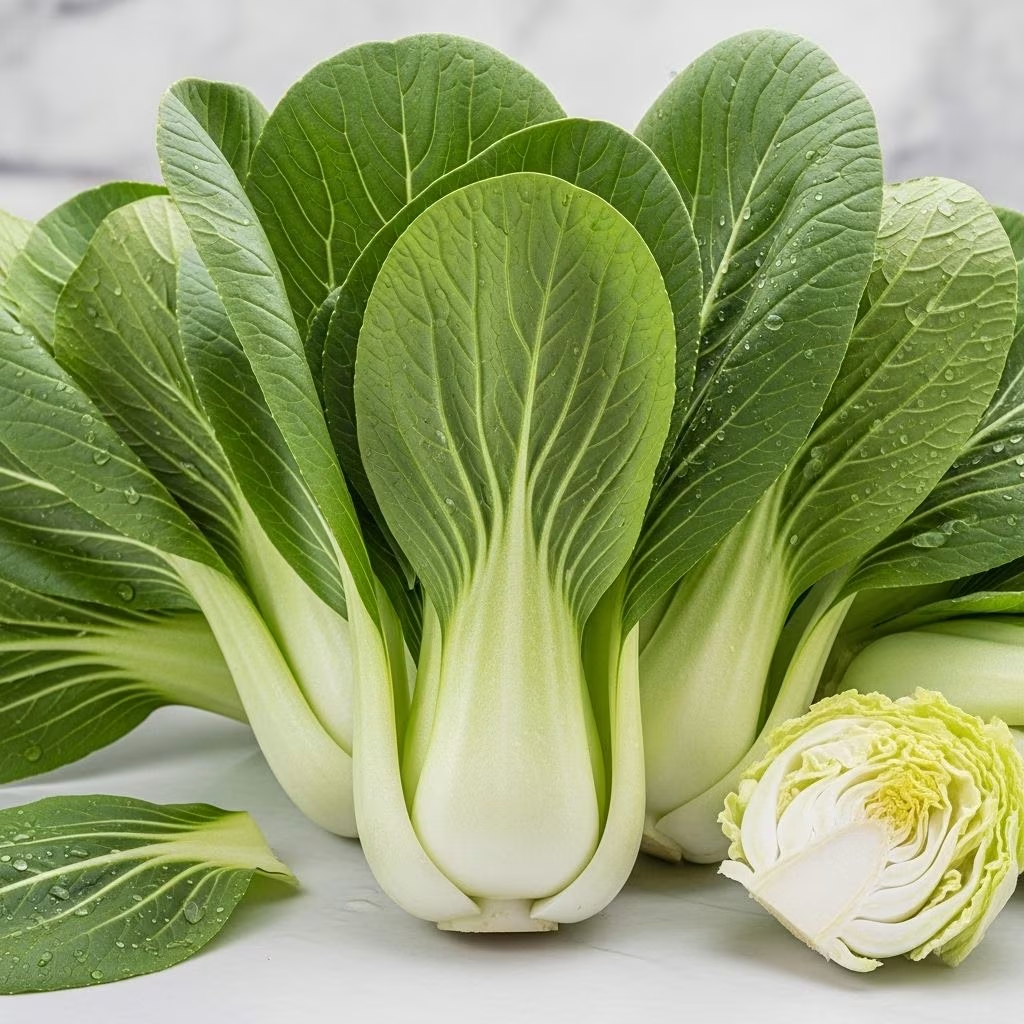
Pak choi, also known as bok choy, is a vibrant leafy green vegetable valued for its fresh flavor, excellent nutrition, and versatility in the kitchen. Popular in Asian cuisine for centuries, pak choi has captured the attention of chefs, nutritionists, and home cooks worldwide. This comprehensive guide delves into the origins, nutritional highlights, culinary uses, taste profile, and practical preparation tips for pak choi.
What Is Pak Choi?
Pak choi (also called bok choy or Chinese cabbage) is a member of the genus Brassica—the same botanical family as cabbage, broccoli, and kale. Unlike Western cabbages, however, pak choi forms loose heads of dark green leaves with pale, fleshy stems that cluster together at the base. Both leaves and stems are edible, offering different textures for culinary exploration.
The name “pak choi” comes from the Cantonese words for “white vegetable,” referencing the plant’s pale stalks. While its spelling varies based on dialect and region (including bok choy, pok choi, and bai cai), it always refers to this specific type of Chinese leafy cabbage.
Origin and History
Pak choi has a long and distinguished history in Asian agriculture and cuisine, especially in China, where it has been cultivated for well over 1,500 years, with some evidence suggesting a history extending over 5,000 years. Early domestication likely took place in the Yangtze River Delta, with the vegetable eventually spreading to other East Asian countries such as Korea and Japan. Today, China is the world’s leading producer, though pak choi is also grown in North America and Europe as global interest in Asian vegetables continues to rise.
Pak Choi Varieties
Packed with culinary diversity, pak choi comes in several distinct varieties. Key types include:
- Standard (Mature) Pak Choi: Features dark green, crinkly leaves and thick white stems. Suitable for stir-frying and longer cooking.
- Baby Pak Choi: A smaller, tender variant prized for delicate flavor and a more succulent texture. Excellent in salads or quick stir-fries.
- Shanghai Pak Choi: Characterized by pale green stalks and slightly sweeter, milder taste compared to standard varieties.
- Tatsoi: A leafy green closely related to pak choi, distinguished by spoon-shaped leaves and a spinach-like flavor.
Appearance and Seasonality
Pak choi is visually striking, with broad, oval, and glossy green leaves attached to plump, juicy stalks that are either white or green. A typical mature head measures 20–25 centimeters long, with leaves forming a loose rosette rather than a tight cabbage head.
This vegetable thrives in cool climates and is primarily grown during spring and autumn. It’s available year-round in global markets, but the best quality is often found in the traditional harvest seasons.
Nutritional Profile
Pak choi is a powerhouse of nutrients while being very low in calories and fat. Here is an overview of its nutritional highlights (per 100g serving):
| Nutrient | Amount (per 100g) | Health Role |
|---|---|---|
| Calories | 13 kcal | Very low energy, weight-friendly |
| Vitamin A | ~36% DV | Vision, immunity, cell growth |
| Vitamin C | ~34% DV | Antioxidant, immune support |
| Vitamin K | ~50% DV | Blood clotting, bone health |
| Folate | ~15% DV | DNA synthesis, pregnancy nutrition |
| Calcium | ~6% DV | Bone strength |
| Potassium | ~6% DV | Blood pressure, fluid balance |
| Magnesium | ~5% DV | Muscle, nerve, bone health |
| Fiber | ~1 g | Digestion, gut health |
| Protein | 1.5 g | Cell growth, repair |
Pak choi is also rich in antioxidants, especially glucosinolates, which play a role in disease prevention.
Health Benefits of Pak Choi
Pak choi offers an array of nutritional and health benefits, making it a valuable addition to varied diets. Key benefits include:
- Rich in Vitamins and Minerals: High levels of vitamin C (immune health), vitamin A (eye health), and vitamin K (blood clotting, bone strength). Good source of folate, calcium, potassium, and magnesium.
- Low-Calorie, High-Water Content: Makes it ideal for weight-conscious diets and hydration.
- High in Antioxidants: Contains glucosinolates and other phytonutrients that help reduce chronic inflammation and lower cancer risk.
- Supports Digestive Health: Its fiber content aids regularity and supports a healthy microbiome.
- Cardiovascular Benefits: Potassium and magnesium support heart function and help manage blood pressure.
- Supports Bone Health: Calcium, vitamin K, and magnesium work synergistically for strong bones.
Antioxidant and Anti-inflammatory Properties
Pak choi is rich in antioxidants like vitamin C, beta-carotene, and flavonoids that protect cells from oxidative stress. Glucosinolates, specific phytochemicals in the Brassica family, have been shown to exhibit anti-cancer properties when regularly consumed as part of a balanced diet.
Culinary Uses and Preparation
Pak choi’s mild yet distinct flavor and adaptable texture make it an ingredient of choice in many Asian and international recipes. Both the leaves and stems are edible, but they cook at slightly different rates, which may influence how they’re added to various dishes.
Popular Cooking Methods
- Stir-Frying: The classic method for Asian greens. Pak choi retains crunch while absorbing flavors from spices and sauces.
- Steaming or Boiling: Softens stems and leaves for use in soups or as a simple side.
- Sautéing: A quick toss in garlic and oil is a simple way to highlight its natural flavors.
- Raw in Salads: Baby pak choi works especially well, lending crunch and mild peppery flavor.
- Grilling or Roasting: Adds a smoky complexity and reveals natural sweetness.
- Fermenting: Used in kimchi and other pickled preparations, especially in Korean cuisine.
Common Dishes Featuring Pak Choi
- Classic Chinese stir-fries (with garlic, ginger, mushrooms, tofu, etc.)
- Cantonese soups (hot pot, wonton soup)
- Thai and Vietnamese broths and noodle bowls
- Steamed as a side dish, often with oyster sauce or sesame oil
- Fresh salads featuring baby pak choi
- Korean kimchi (napa cabbage and pak choi varieties)
What Does Pak Choi Taste Like?
Pak choi offers a distinctive yet approachable taste. Its flavor combines the following qualities:
- Mild and Refreshing: Less pungent than many cabbages or mustard greens.
- Subtle Sweetness: Particularly in young stems and cooked leaves.
- Light Peppery Note: Offers a gentle hint of mustard or radish, especially when raw.
- Slightly Bitter, Especially in Mature Leaves: Reminiscent of spinach or Swiss chard.
The leaves tend to be more robust in flavor, sometimes with a grassy or spinach-like note, while the stems are crisp, juicy, and mildly sweet with a fresh, watery bite. When cooked, pak choi’s flavor mellows, and the vegetable picks up the taste of accompanying sauces and seasonings. Baby varieties are milder and more delicate, making them ideal for salads and quick-cooking recipes.
Selection and Storage Tips
How to Select Pak Choi
- Look for firm, bright stalks and leaves without yellowing or dark spots.
- The base should be compact, and the leaves should be vibrant green and crisp.
- Smaller, younger pak choi (baby pak choi) will be more tender and milder in taste.
Storing Pak Choi
- Keep unwashed pak choi in a perforated plastic bag in the vegetable drawer of the refrigerator.
- It will stay fresh for up to 4–6 days.
- Wash just before use to prevent premature spoilage.
- If stalks or leaves become limp, revive them by standing them in cold water for 20–30 minutes.
Frequently Asked Questions (FAQs)
Q: Is pak choi the same as bok choy?
A: Yes, pak choi and bok choy refer to the same plant. Naming varies by region: “pak choi” is more common in the UK and Commonwealth countries, while “bok choy” is standard in the US, Canada, and Australia.
Q: Can you eat pak choi raw?
A: Absolutely. Young, tender pak choi is delicious raw in salads or slaws. The flavor is mild and crisp, but larger, mature leaves may be slightly tougher and might benefit from cooking.
Q: Is pak choi suitable for people with diabetes?
A: Yes. Pak choi is very low in carbohydrates and calories, making it suitable for diabetic diets. Its fiber content may also help regulate blood glucose.
Q: Are the stems and leaves both edible?
A: Yes, both the thick stalks and leafy tops are edible and each brings a slightly different texture and taste to dishes.
Q: Is pak choi safe during pregnancy?
A: Yes, it is a nutritious addition for most due to its folate, calcium, and iron content, but—as with all produce—ensure it is washed thoroughly before eating.
Final Thoughts
Pak choi is a remarkable vegetable that offers a blend of nutrition, adaptability, and flavor. Its crisp stalks and tender leaves serve as the foundation for countless Asian and contemporary recipes. Whether enjoyed raw, briefly sautéed, or simmered in a comforting soup, pak choi makes an excellent addition to healthy and delicious meals. Embrace its versatility, experiment with different cooking methods, and savor the unique characteristics that have made pak choi a beloved staple for centuries.
References
- https://en.wikipedia.org/wiki/Bok_choy
- https://www.mentta.com/blog/en/what-is-pak-choi-the-asian-chard/
- https://specialtyproduce.com/produce/Pac_Choi_13230.php
- https://diabetesfoodhub.org/blog/everything-you-need-know-about-bok-choy
- https://www.missouribotanicalgarden.org/PlantFinder/PlantFinderDetails.aspx?taxonid=275222&isprofile=0&chr=19
- https://www.rhs.org.uk/vegetables/pak-choi/grow-your-own
- https://www.britannica.com/plant/Chinese-cabbage


