


\n\n
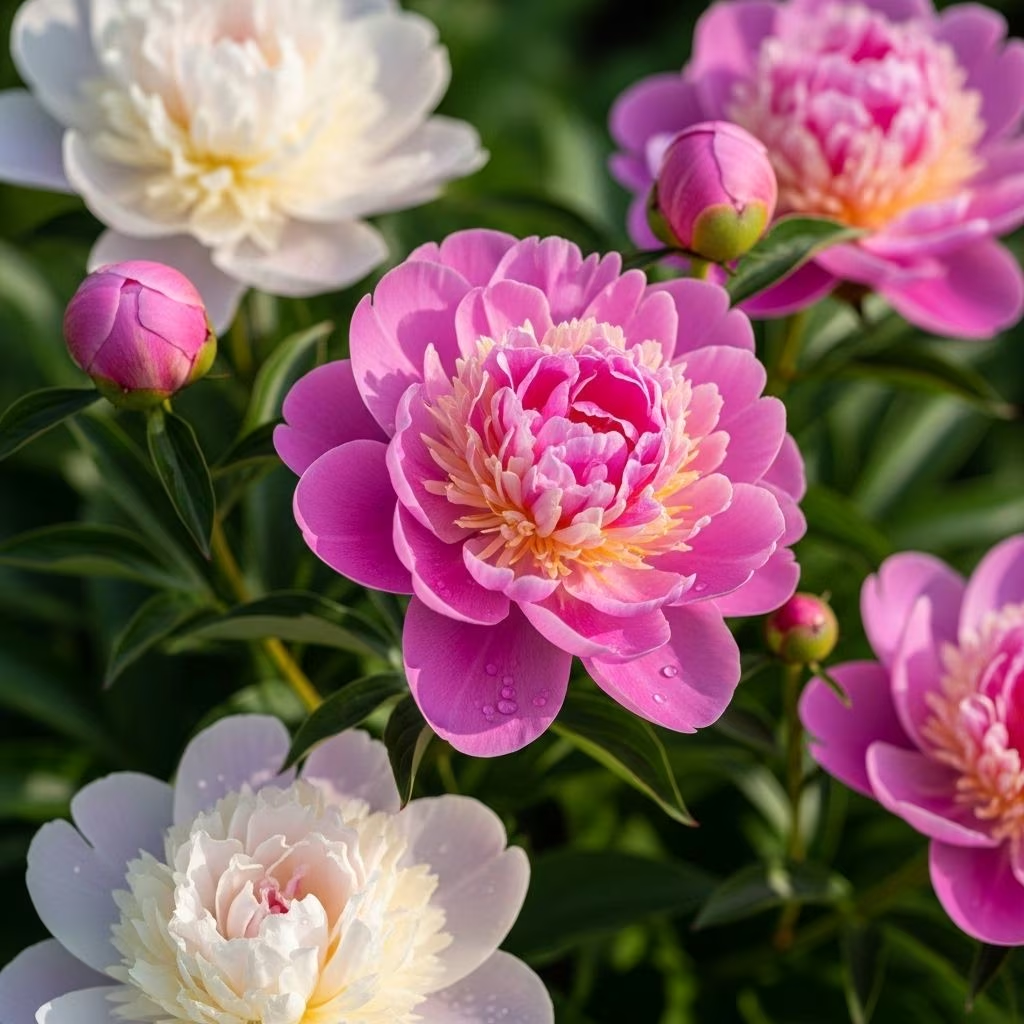
Paeonia, commonly known as peony, is a genus of flowering plants cherished for their lush blossoms, fragrance, and historical significance in gardens and traditional medicine. This in-depth guide explores everything about peonies: their botanical characteristics, varieties, health benefits, cultural and medicinal uses, taste, cultivation, and frequently asked questions.
\n\n
Table of Contents
\n
- \n
- Botanical Overview: Understanding the Peony (Paeonia)
- Varieties and Types of Peonies
- History, Symbolism, and Cultural Significance
- Health Benefits of Peony (Paeonia)
- Medicinal and Traditional Uses
- Culinary Uses and Taste Profile
- Growing and Caring for Peonies
- Frequently Asked Questions (FAQs)
\n
\n
\n
\n
\n
\n
\n
\n
\n\n
Botanical Overview: Understanding the Peony (Paeonia)
\n
Paeonia is the only genus in the family Paeoniaceae and encompasses about 33 known species. Peonies grow as herbaceous perennials, woody shrubs (tree peonies), or, less commonly, semi-woody plants. The genus name derives from Paean, the physician to the gods in ancient Greek mythology, highlighting the plant’s acknowledged medicinal roles in antiquity.
\n\n
| Botanical Name | Paeonia |
|---|---|
| Family | Paeoniaceae |
| Native Regions | Asia, Europe, Mediterranean Basin, Western North America (wild species) |
| Growth Habit | Perennial, woody shrub, or semi-woody |
| Height | 2 to 7 feet (60–210 cm) |
| Spread | 2 to 3 feet (60–90 cm) |
| Flowering Season | Late spring to early summer |
| Sun Exposure | Full sun or partial shade |
| Soil Requirements | Deep, fertile, moist but well-drained soil; pH neutral to slightly alkaline |
| Hardiness Zones | USDA 3–9 |
\n\n
Distinguishing Features
\n
- \n
- Large, showy blooms: 3–8 inches in diameter, with cup-shaped or ruffled petals
- Colors: pink, white, red, yellow, purple, often with multiple color combinations
- Leaves: Typically compound, alternate, and pinnately arranged; turn copper, orange, or burgundy in fall
- Fragrance: Many cultivars are pleasantly scented, ideal for cut flowers
- Lifespan: Peonies can live for several decades in the right conditions
\n
\n
\n
\n
\n
\n\n
Varieties and Types of Peonies
\n\n
Peonies are grouped according to their form, growth habit, and preferred growing conditions. The main recognized groups include:
\n\n
- \n
- Herbaceous Peonies: The classic garden perennial, dying back to ground level each winter. Their blooms are typically large and cover a spectrum of colors.
- Tree Peonies: Woody shrubs that bloom before herbaceous types and can reach up to 7 feet tall. Their massive flowers and sculptural form add visual interest to gardens even after blooming ends.
- Intersectional Peonies (Itoh Peonies): Hybrids between tree and herbaceous peonies, combining resilience with large floral displays.
- Woodland Peonies: Shade-loving herbaceous varieties suited to forest or wild gardens, blooming earliest in the season.
\n
\n
\n
\n
\n\n
| Peony Type | Main Features | Bloom Time |
|---|---|---|
| Herbaceous | Dies back in winter, classic for borders, cut flowers | Spring to early summer |
| Tree | Woody shrub, dramatic dinner-plate flowers | Mid to late spring |
| Intersectional | Hybrid vigor, large flowers, extended bloom | Late spring to early summer |
| Woodland | Shade-tolerant, naturalizes, early blooms | Early spring |
\n\n
History, Symbolism, and Cultural Significance
\n\n
The peony holds a place of high esteem across cultures and centuries. Indigenous to China, peonies have been cultivated for at least 2,000 years and are celebrated not only for their beauty but also for their symbolic meanings and medicinal virtues.
\n\n
- \n
- China: Peony is recognized as the “king of flowers” and a symbol of prosperity, honor, and feminine beauty. Traditionally depicted in art and poetry, it often features in imperial and wedding iconography.
- Japan: Associated with good fortune, bravery, and value, peonies are prevalent in tattoos and classical art.
- Europe: Introduced in antiquity and prominent in monastery gardens for medicinal use. Victorian England adopted peonies as symbols of wealth and romance.
\n
\n
\n
\n\n
Peonies’ mythological roots trace back to ancient Greece, and the flower is often connected to healing deities and used in folk remedies across continents.
\n\n
Health Benefits of Peony (Paeonia)
\n\n
Peonies are valued not just for aesthetics but also for their documented therapeutic properties, especially in traditional Chinese medicine (TCM) and, increasingly, Western herbalism. The parts most often used medicinally are the roots (notably Paeonia lactiflora and Paeonia suffruticosa), the bark (tree peony), and occasionally the flowers or seeds.
\n\n
- \n
- Anti-Inflammatory Activity: Peony root extracts (particularly from P. lactiflora) have demonstrated anti-inflammatory effects, supporting their historical use in arthritis, autoimmune issues, and inflammatory conditions.
- Immunomodulatory Effects: Compounds in peony have been shown to modulate immune responses, which may help with chronic inflammatory and autoimmune diseases.
- Antioxidant Properties: Peony roots and flowers are rich in antioxidants, contributing to cellular health and reducing oxidative stress.
- Pain and Muscle Reliever: Traditionally prescribed for cramping, menstrual issues, and muscle pain, peony root acts as a mild muscle relaxant and analgesic.
- Liver Protective: Some studies suggest peony may have hepatoprotective (liver-protective) properties.
- Neuroprotective: Research in animal models indicates peony extracts may support neurological health and protect against neurodegeneration, though human studies are limited.
\n
\n
\n
\n
\n
\n
\n\n
Note: While peonies have a long-standing role in herbal medicine, evidence for many uses is preliminary or based on traditional practice; always consult with healthcare providers before medicinal use.
\n\n
Medicinal and Traditional Uses
\n\n
Peony, particularly the white peony root (Paeonia lactiflora, known as Bai Shao in TCM) and the bark of the tree peony (Paeonia suffruticosa, Mu Dan Pi), has a storied history in traditional systems:
\n\n
- \n
- Gynecological Health: Used for centuries in formulas to treat menstrual irregularities, dysmenorrhea, and as a tonic for female reproductive health.
- Rheumatism and Arthritis: Employed in both Asian and Western herbal practices to manage joint pain and stiffness.
- Anti-Spasmodic and Calming: Root decoctions used to relieve muscle tension, abdominal cramps, and as a mild sedative.
- Cardiovascular Benefits: Some compounds in peony may support circulation and heart function, although more evidence is needed.
- Other Uses: In folk medicine, peony has been employed to treat fevers, wound healing, and as part of formulas for skin health.
\n
\n
\n
\n
\n
\n\n
| Part Used | Preparation/Remedy | Traditional Indication |
|---|---|---|
| Root (White Peony, P. lactiflora) | Boiled decoction, tincture | Women’s health, calm nerves, muscle cramps |
| Bark (Tree Peony, P. suffruticosa) | Decoction, powder | Anti-inflammatory, cooling, arthritis |
| Flowers | Infusions, topical poultices | Skin care, wound healing |
| Seeds | Rare, used in some traditional practices | Various, less common |
\n\n
Culinary Uses and Taste Profile
\n\n
While peony roots and flowers have rising popularity in herbal teas and supplements in both Asia and the West, peony is not a common food crop due to safety considerations (some parts can cause stomach upset if over-consumed). Nonetheless, its culinary roles, especially flower petals, are present and growing:
\n\n
- \n
- Teas and Infusions: Dried peony root and petals are used to make mild, aromatic herbal teas, especially in China. These teas are often described as subtly sweet with earthy and slightly bitter undertones.
- Edible Flowers: Peony petals may be used to garnish desserts, salads, and cold dishes for a floral, sweet aroma.
- Confectionery: In some European traditions, candied peony petals decorate cakes and pastries.
\n
\n
\n
\n\n
Taste Notes:
\n
- \n
- Pale, floral sweetness with faint herbal bitterness (root and bark teas)
- Fresh petals provide gently sweet, almost rose-like notes with a vegetal base
- Concentrated extracts or roots can taste earthy, pungent, and slightly astringent
\n
\n
\n
\n\n
Important: Only certain peony species and properly prepared parts are suitable for internal or topical use. Never use garden peonies in food or medicine without expert identification and preparation.
\n\n
Growing and Caring for Peonies
\n\n
Peonies are a mainstay in temperate gardens due to their longevity, minimal maintenance, and deer resistance. Below are care essentials:
\n\n
- \n
- Site Selection: Choose a location with 6+ hours of sunlight, avoiding areas with stagnant winter water. Good air movement is vital to discourage disease.
- Soil: Deep, fertile, and well-drained soil; amend clay soils with compost or sand to improve drainage.
- Watering: Regular, deep watering during the growing season, especially in dry springs. Peonies dislike soggy roots.
- Fertilizing: Feed sparingly in early spring with balanced fertilizer or well-rotted compost. Excessive fertilization can reduce bloom.
- Division and Planting: Plant bare-root peonies in autumn, ensuring that the buds (eyes) are no deeper than 2 inches below the surface.
- Support: Double-flowered cultivars may need staking to support heavy blooms, particularly after rain.
- Pests and Diseases: Generally resistant, but may suffer from botrytis (gray mold) in wet seasons. Space plants adequately and remove dead material to prevent fungal outbreaks.
\n
\n
\n
\n
\n
\n
\n
\n\n
Tip: Once established, peonies require minimal disturbance and can thrive for decades, often increasing in beauty and bloom intensity over the years.
\n\n
Frequently Asked Questions (FAQs)
\n\n
Q: Are peonies toxic to pets or humans?
\n
Peony roots, seeds, and some other parts may be mildly toxic if ingested in large quantities, causing stomach upset in pets or humans. Always consult with a veterinarian or poison control if accidental ingestion occurs.
\n\n
Q: Do peonies attract pollinators or pests?
\n
Peonies attract bees, butterflies, and other pollinators. They are generally deer- and rabbit-resistant and not prone to major pest infestations.
\n\n
Q: How long do peony plants live?
\n
With good care, peonies regularly live and flower for over 50 years, sometimes a century or more in the same location.
\n\n
Q: Can I use peonies for cut flowers?
\n
Yes. Peony blooms are highly valued for cut flower arrangements and typically last a week or more in water if cut when buds are just opening.
\n\n
Q: Why won’t my peony bloom?
\n
Common causes include planting too deeply, too much shade, or the plant being recently transplanted—patience is key, as peonies often take several years to mature and start blooming.
\n\n
Q: Are all peonies fragrant?
\n
Many, but not all, peony cultivars are notably fragrant. Fragrance can range from subtle floral to spicy-sweet, depending on variety.
\n
References
- https://www.gardenia.net/genus/peonies-all-you-need-to-know
- https://plants.ces.ncsu.edu/plants/paeonia-hybrids/
- https://peonysenvy.com/peony-design-planting
- https://americanpeonysociety.org/learn/herbaceous-peonies/
- https://www.groovyplantsranch.com/blogs/penny-flora-thoughts/all-about-peonies
- https://plantura.garden/uk/flowers-perennials/peonies/types-of-peonies
- https://www.rhs.org.uk/plants/peony


