


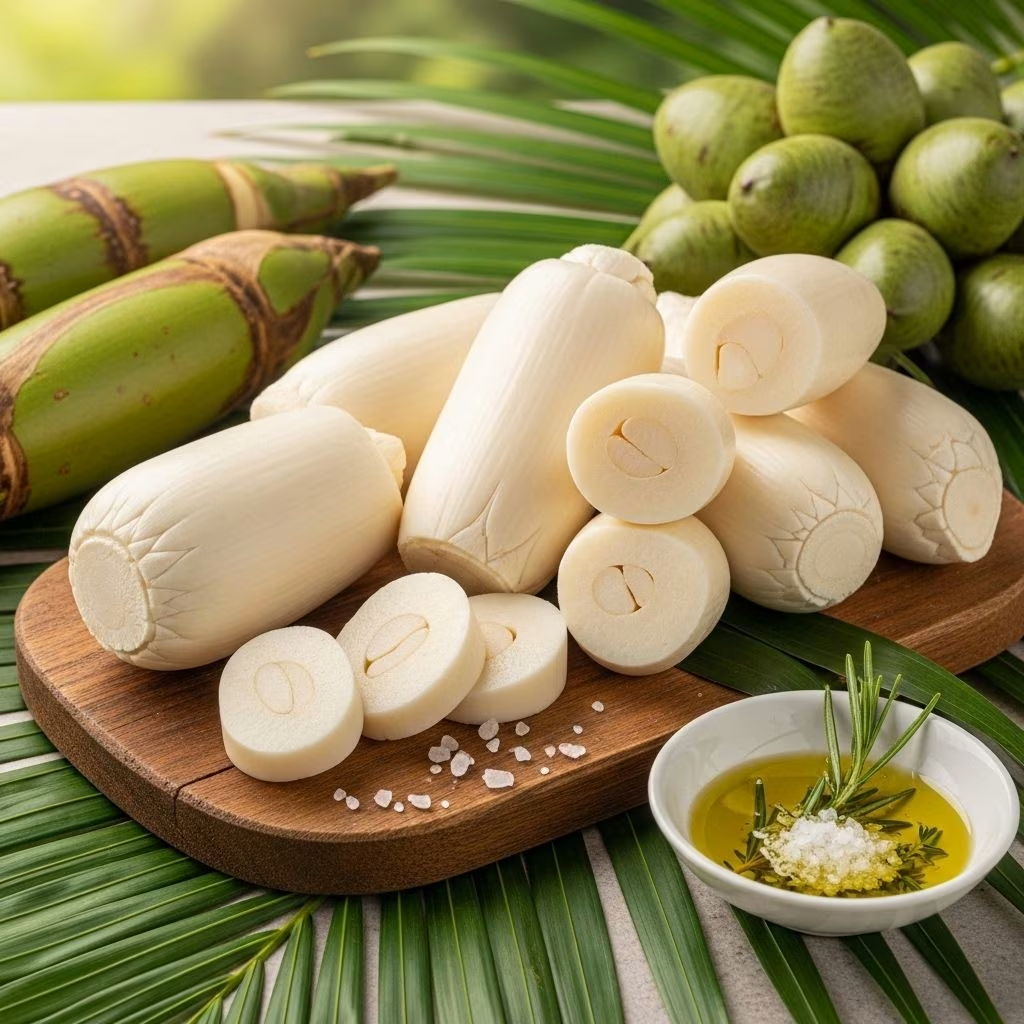
Introduction to Palmito (Heart of Palm)
Palmito, more widely known as heart of palm, is a white, cylindrical vegetable harvested from the inner core of select palm trees. Revered for its mild flavor, crunchy texture, and exceptional nutritional value, palmito is celebrated across many world cuisines, especially in South America, tropical regions, and increasingly in global healthy eating circles.
Other common names include palm heart, palmito, chonta, palm cabbage, and swamp cabbage.
Palmito is enjoyed fresh, preserved, or cooked, and has found its place in salads, vegan dishes, and gourmet preparations.
Origins and Harvesting
Heart of palm is native to humid, tropical regions, particularly South America—notably Brazil, Ecuador, Paraguay—and parts of Central America such as Costa Rica. It’s also produced in Southeast Asia and in the Amazon basin.
How Is Palmito Harvested?
Palmito is harvested by cutting down certain species of palm trees, such as coconut, açaí, juçara, and chontaduro. Growers strip away the tough outer bark and fibers to reveal the delicate, edible core—the heart itself.
- Harvesting mainly comes from multi-stemmed palms, allowing the plant to regenerate new stems for future harvests.
- Single-stemmed palm harvesting is often discouraged or regulated due to ecological consequences—if the trunk is cut, the tree dies.
- Hand-harvesting is common because of the vegetable’s extreme delicacy.
Originally wild and hand-foraged, modern heart of palm comes primarily from controlled, certified, and sustainable plantations.
Nutritional Profile of Palmito (Heart of Palm)
Palmito is a nutrition powerhouse that’s low in calories and fat, but rich in protein, fiber, important minerals, and vitamins.
| Nutrient | Amount |
|---|---|
| Calories | 36 |
| Protein | 4g |
| Fat | <1g |
| Carbohydrates | 4g |
| Fiber | 4g |
| Potassium | 38% Daily Value (DV) |
| Phosphorus | 20% DV |
| Copper | 70% DV |
| Zinc | 36% DV |
| Iron | ~5% DV |
| Vitamin C | Present |
| B Vitamins (B2, B6) | Present |
- Contains all 17 essential amino acids for protein synthesis.
- High in minerals—particularly potassium, iron, copper, phosphorous, calcium, and zinc.
- Contains antioxidants like vitamin C and various B vitamins.
- Very low sugar, with a low glycemic index—suitable for low-carb and diabetic-friendly diets.
Key Health Benefits of Palmito
Regular consumption of heart of palm may offer a variety of health benefits due to its dense nutritional composition. Here are some of the main, science-backed advantages:
- Supports Digestive Health: High dietary fiber content promotes healthy digestion and regular bowel movements, reducing risk of constipation.
- Weight Management: Low in calories and fat, yet rich in fiber and protein, making it filling and helpful for weight control.
- Improved Immunity: The blend of vitamin C, B vitamins, iron, and zinc contributes to stronger immune system response.
- Boosts Energy and Repairs Tissue: B vitamins and protein (including 17 amino acids) aid metabolic energy production and help repair body tissues.
- Promotes Heart Health: Potassium helps maintain healthy blood pressure and cardiovascular function. Fiber may help lower blood cholesterol levels.
- May Lower Blood Sugar: Low glycemic index and high fiber content may aid in stable blood sugar management.
- Plant-Based Protein Source: Especially beneficial for vegans and vegetarians due to its notable protein and mineral profile.
Potential Health Considerations
- The sodium content in canned or pickled hearts of palm can be high. Rinse before consumption if monitoring sodium intake.
- Harvesting from uncertified sources can contribute to ecological harm. Choose sustainably-certified products when possible.
Culinary Uses of Palmito (Heart of Palm)
Palmito is a versatile ingredient featuring in many savory dishes due to its neutral, slightly nutty flavor and firm, crunchy texture. The white flesh holds up to different preparations and can mimic both vegetable and seafood textures.
Common Culinary Applications
- Salads: Sliced in rings or sticks, palmito adds mild flavor and pleasant crunch to green salads, pasta salads, and grain bowls.
- Appetizers and Dips: Often combined with avocado, herbs, or cheeses in spreads and salsas.
- Vegan and Vegetarian Dishes: Used as a plant-based substitute for shredded chicken, crab (e.g., vegan crab cakes), or calamari due to its fibrous consistency and ability to absorb seasonings.
- Cooked Dishes: Baked, grilled, sauteéd, or used in casseroles, stews, stir-fries, and quiches.
- Marinated or Pickled: Often found in jars or cans, preserved in brine and eaten straight or added to dishes.
Popular Recipes with Palmito
- Hearts of Palm Salad with tomatoes, lettuce, olives, and vinaigrette.
- Palmito Ceviche, using lemon juice, onions, and cilantro for a refreshing, plant-based appetizer.
- Stuffed Palmito—filled with cheeses, vegetables, or even seafood in fusion cuisine.
- Grilled Palmito served warm as a side dish or main course component.
Taste and Texture of Heart of Palm
The flavor of palmito is commonly described as mild, slightly nutty, and subtly sweet, with earthy undertones reminiscent of artichoke hearts and water chestnuts. It’s not overpowering, making it suitable in varied recipes.
- Texture: Crunchy when fresh or lightly processed, similar to cooked white asparagus, and slightly fibrous with a tender bite.
- Mildness: Can absorb marinades and seasonings well, enhancing versatility in both cold and hot preparations.
- Appearance: Usually ivory-white cylinders, cut into slices, sticks, or shreds.
Because of its appealing texture, heart of palm is often used as a plant-based alternative for seafood in vegan cooking.
Sustainability and Environmental Impact of Palmito Production
Sustainability is a critical concern with palmito, as improper harvesting can damage palm populations and local ecosystems.
- Deforestation Risk: Harvesting from single-stemmed wild palms kills the tree, leading to historical overharvesting concerns and deforestation.
- Modern Solutions: Ethical producers now use multi-stemmed (clumping) palm species, allowing ongoing harvesting without tree death, and operate within certified, managed plantations.
- Advice: Always choose palmito with sustainable or fair-trade certifications to support environmental responsibility.
Buying and Storing Palmito
Heart of palm can be found at most major grocery stores, typically in canned, jarred, or vacuum-packed forms.
Fresh palmito is a delicacy, usually found only in regions where it is grown due to its perishability.
- When buying, look for firm, ivory-white pieces without strong odor or discoloration.
- Store unopened jars or cans in a cool, dry place. Once opened, keep refrigerated and use within a week.
- Rinse canned or jarred palmito before use to reduce sodium or brine taste.
Safety and Considerations
- Processing Safety: Commercially processed hearts of palm are generally safe, but like all canned foods, care should be taken with storage and checking for spoilage.
- Allergies: True allergy to palmito is very rare. If you have specific plant allergies, consult your doctor before trying.
- Sodium Content: Rinse preserved hearts of palm to reduce added sodium.
Frequently Asked Questions (FAQs)
Q: Is palmito (heart of palm) safe to eat raw?
A: Fresh palmito can be eaten raw if properly prepared and harvested. Most supermarket products are cooked or blanched for safety and extended shelf life.
Q: How does heart of palm compare to bamboo shoots or asparagus?
A: Heart of palm has a milder, sweeter taste and softer texture compared to bamboo shoots, but its appearance and crunch are closer to white asparagus. Its flavor is also comparable to artichoke heart.
Q: Can I use heart of palm as a gluten-free or low-carb substitute?
A: Yes, palmito is naturally gluten-free, low in carbohydrates, and fits well in paleo, keto, and vegan diets.
Q: Is harvesting palmito environmentally friendly?
A: Traditionally, harvesting could be unsustainable if it killed wild palms. Now, most commercial palmito is sourced sustainably from multi-stemmed palms grown on responsible plantations. Look for ethically certified products.
Q: Why is heart of palm sometimes more expensive than similar vegetables?
A: The delicacy and labor required for harvesting, combined with the need for careful processing and sustainable sourcing, can make palmito pricier than common vegetables.
Conclusion
Palmito (heart of palm) is a delicious, unique vegetable boasting an impressive nutritional profile and broad culinary applications. Its crisp texture and mild flavor make it a must-try for those pursuing healthy, plant-forward diets. By choosing certified, sustainably harvested palmito, you not only enrich your palate but also support ecological balance—a perfect blend of taste and conscience.
References
- https://atlantapalms.com/blogs/blog/where-is-the-palm-heart
- https://draxe.com/nutrition/hearts-of-palm/
- https://www.cookist.com/what-is-palmito-heart-of-palm-the-sweet-south-american-sprout-and-what-can-you-do-with-it/
- https://www.healthline.com/nutrition/heart-of-palm
- https://www.webmd.com/diet/health-benefits-heart-of-palm
- https://en.wikipedia.org/wiki/Heart_of_palm
- https://recipes.howstuffworks.com/heart-of-palm.htm
- https://www.masterclass.com/articles/hearts-of-palm-recipe


