


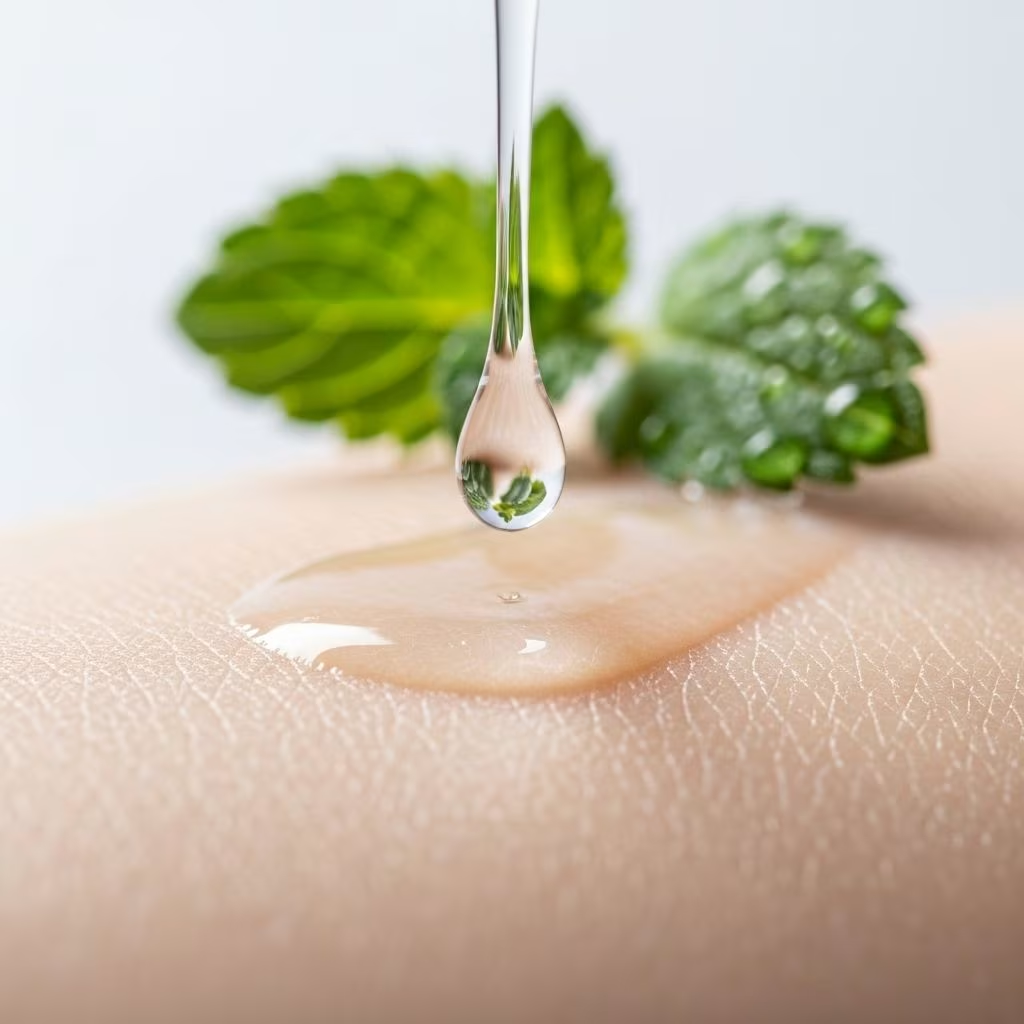
Panthenol, also known as provitamin B5, has become a star ingredient in modern skincare thanks to its hydrating, soothing, and barrier-repairing properties. Whether you are struggling with dryness, sensitivity, or looking for a boost to your daily moisturizer, understanding how panthenol works can help optimize your skincare routine and keep your skin healthy and resilient.
What is Panthenol?
Panthenol is the alcohol analog of vitamin B5 (pantothenic acid) and is widely used in cosmetics and topical skin formulations. After application, it is converted by the skin into vitamin B5 (pantothenic acid), an essential nutrient involved in skin regeneration, barrier integrity, and hydration.
- Form: Water-soluble, usually appears as a clear liquid or white powder.
- Other Names: D-Panthenol, dexpanthenol, provitamin B5.
- Commonly found in: Moisturizers, serums, balms, creams, masks, after-sun care, and even hair products.
Key Skin Benefits of Panthenol
The popularity of panthenol in skincare derives from its multi-dimensional benefits. Here are its most significant advantages, all of which are supported by research and real-world clinical use:
- Deep Hydration: As a humectant, panthenol attracts and retains moisture in the skin’s upper layers, maintaining plumpness and resilience.
- Barrier Support: Panthenol strengthens the stratum corneum (outermost skin layer), enhancing barrier function and helping skin resist environmental stressors.
- Soothing Calming Effect: Its anti-inflammatory properties calm irritation and reduce redness, making it ideal for sensitive or compromised skin.
- Wound Healing & Regeneration: Panthenol accelerates cellular regeneration, promoting healing from minor cuts, abrasions, and post-procedural skin.
- Reduces Dryness and Flakiness: By preventing water loss, panthenol helps eliminate dry, flaky patches, resulting in smoother, softer skin.
- Improvements in Texture & Elasticity: With regular use, it can minimize fine lines and improve overall texture.
- Protection from Irritants: By reinforcing the barrier, panthenol makes skin more resilient to irritants such as harsh cleansers, pollutants, and sun exposure.
| Benefit | Description | Ideal For |
|---|---|---|
| Hydration | Draws and retains moisture, plumping skin | Dry, dehydrated skin |
| Barrier repair | Strengthens protective layer, reduces TEWL* | Sensitive, damaged skin |
| Soothing | Reduces redness & irritation | Reactive or inflamed skin |
| Wound healing | Stimulates regeneration, speeds healing | Post-procedure, abrasions |
*TEWL: Transepidermal Water Loss
How Panthenol Works on Skin
Mechanistically, panthenol’s unique chemical properties allow it to function as both a humectant (drawing water into the skin) and an emollient (smoothing and softening), making it doubly effective for hydrating and maintaining a healthy skin barrier. Here’s how it works at a biological level:
- After application, panthenol penetrates skin cells and is converted into pantothenic acid (vitamin B5), an essential cofactor for enzymatic reactions in the skin.
- It attracts moisture from the air and deeper skin layers to the outer surface, providing immediate hydration.
- Enhances formation of new cells and supports synthesis of lipids and proteins critical for a well-functioning barrier.
- Reduces inflammation signals, helping to calm redness and restore comfort to stressed or sensitized skin.
Panthenol vs. Other Hydrating Ingredients
| Ingredient | Main Action | Bonus Effects | Best For |
|---|---|---|---|
| Panthenol | Humectant + Emollient | Soothes, heals, strengthens barrier | Sensitive, dry, damaged skin |
| Hyaluronic Acid | Humectant | Plumping, surface hydration | All skin types |
| Glycerin | Humectant | Improved softness, barrier function | Dehydrated skin |
| Ceramides | Barrier repair | Locks in moisture; restores lipids | Drier, mature skin |
Uses of Panthenol in Skincare Products
You can find panthenol in a broad array of personal care products, thanks to its gentle yet effective benefits:
- Daily Moisturizers & Creams: For all skin types to lock in baseline hydration and keep skin soft.
- Barrier Repair Creams: Especially after dermatological procedures or for compromised, sensitive skin.
- Soothing Gels & Serums: Targeted relief for redness, irritation, or after sunburn.
- Masks & Overnight Treatments: Deep conditioning and intensive repair.
- Hand & Body Lotions: Hydrates chapped or frequently washed skin.
- Lip Balms: Addresses dry, cracked lips with gentle repair.
- Scalp Treatments: Calms itchy, flaky, or sensitive scalps and supports hair growth.
Panthenol can also be found in eye creams, makeup removers, and post-shaving balms, underscoring its versatility.
Scientific Evidence & Safety
Panthenol is extensively researched and is regarded as safe for topical use, even on sensitive or compromised skin. Highlights from clinical data include:
- Regular application increases hydration, reduces trans-epidermal water loss (TEWL), and visibly improves roughness in dry skin conditions.
- Studies confirm significant decreases in redness and irritation, supporting its use in atopic dermatitis and post-sun exposure products.
- Wound healing and scar appearance improve with panthenol-containing formulations.
- Extremely low risk of allergic reactions. Rarely, individuals with extreme sensitivity may notice contact dermatitis, though this is uncommon.
How to Apply Panthenol Skincare Products
Correct application is essential for maximizing the benefits of panthenol. Follow these general guidelines:
- Step 1: Cleanse your face thoroughly to remove impurities before using panthenol-containing products.
- Step 2: Apply panthenol serum or moisturizer to slightly damp skin for better absorption.
- Step 3: Follow up with your regular moisturizer if needed (especially if you have very dry skin).
- Step 4 (AM): Always finish with sunscreen if applying in the morning.
Frequency: Panthenol can safely be used in both morning and evening skincare routines.
Tips for Targeted Application
- For extra-sensitive skin (rosacea, eczema), use as a standalone barrier cream to shield vulnerable areas.
- After cosmetic procedures (peels, lasers), a panthenol product can support healing and reduce downtime (consult with your dermatologist).
- Spot treat dry or flaky patches with a concentrated panthenol cream.
- On the lips and cuticles, apply a panthenol balm or ointment liberally as needed.
Recommended Concentrations & Product Types
Panthenol’s skin benefits are typically most noticeable at concentration levels of 0.5% to 5% in topical skincare products, according to formulation experts:
- Face serums and moisturizers: 0.5%–2% is effective for hydration and routine use.
- Barrier creams and wound care: Up to 5% for intensive repair and post-procedural recovery.
- Body lotions and balms: 1%–5% for soothing dry, chapped skin or after-sun care.
- Consistent use over several weeks provides optimal benefits, and daily use is both gentle and effective on most skin types.
Who Should Use Panthenol?
Panthenol is universally tolerated, making it suitable for almost everyone:
- Dry, dehydrated skin: For replenishing lost moisture and restoring softness.
- Sensitive or reactive skin: To soothe itchiness, burning, and redness.
- Post-procedure or healing skin: To support recovery and minimize scarring.
- General maintenance: For those seeking to optimize overall skin health and barrier strength.
It is safe for use in pregnancy and on children’s skin in most over-the-counter formulations, but consult a healthcare provider before using high concentrations for medical purposes.
Frequently Asked Questions (FAQs)
Q: Is panthenol suitable for acne-prone skin?
A: Yes, panthenol’s soothing and non-comedogenic properties make it beneficial for acne-prone and sensitive skin types, helping to calm inflammation and support healing without clogging pores.
Q: Can panthenol be combined with other active skincare ingredients?
A: Absolutely. Panthenol pairs well with hyaluronic acid, ceramides, niacinamide, and most antioxidants, enhancing hydration without causing irritation or reducing efficacy.
Q: How soon can I see results when using panthenol?
A: Many users notice improved hydration and smoothing within days, with optimal barrier repair and healing effects seen after several weeks of consistent use.
Q: Are there any side effects?
A: Panthenol is very well tolerated. In rare cases, mild irritation or contact dermatitis may occur. Discontinue if you notice persistent redness or discomfort.
Q: Is panthenol vegan and cruelty-free?
A: Most commercially used panthenol is synthetically derived and suitable for vegan and cruelty-free products, but always check your specific brand to confirm certification.
Expert Tips for Maximizing Panthenol Benefits
- Layer light serums and creams to lock in moisture without overloading the skin.
- Dab a small amount of panthenol ointment on scrapes or burns to support natural healing.
- For a do-it-yourself mask, add a drop of panthenol serum to your favorite calming mask base for an intensive overnight hydration boost.
- Apply panthenol-based creams to hands and elbows throughout the day if you work in dry or harsh environments.
References
- Prequel: “Panthenol In Skincare – Benefits & Uses”
- Essentials by Catalina: “Panthenol (Pro-Vitamin B5) – A Versatile Ingredient”
- Unnie.sg: “What is D-Panthenol and How Does it Benefit Our Skin?”
- Cleveland Clinic Health Essentials: “What Does Vitamin B5 Do for Your Hair and Skin?”
- WebMD: “What Is Panthenol? The Hair and Skin Benefits of Vitamin B5”
References
- https://prequelskin.com/blogs/skin-notes-skincare-blog/panthenol-in-skincare
- https://essentialsbycatalina.com/blog/panthenol-pro-vitamin-b5/
- https://unnie.sg/blogs/news/f
- https://health.clevelandclinic.org/vitamin-b5-for-skin-hair
- https://www.webmd.com/beauty/what-to-know-panthenol
- https://www.bannerhealth.com/healthcareblog/teach-me/the-benefits-of-panthenol-for-your-skin-hair-and-nails
- https://www.paulaschoice.com/expert-advice/skincare-advice/ingredient-spotlight/panthenol-for-skin-and-hair.html
- https://us.typology.com/library/panthenol-for-the-skin-what-are-its-virtues


