


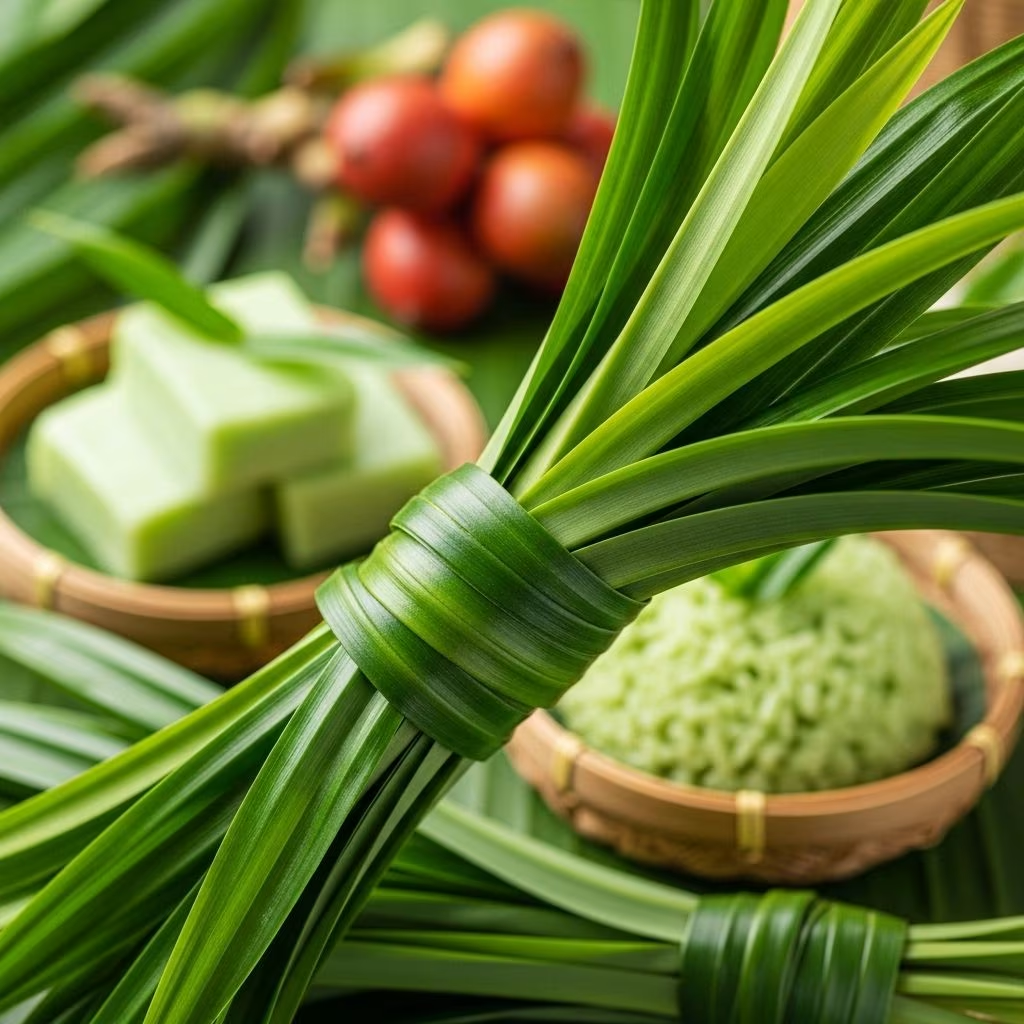
Pandan (Pandanus amaryllifolius), widely celebrated in Southeast Asian cuisine and traditional medicine, is known for its vibrant aroma, multifaceted health benefits, and distinctive culinary uses. This tropical plant, with its long, blade-like leaves, has become an essential ingredient in both sweet and savory dishes across Asia and is gaining global popularity for its unique flavor profile and holistic applications.
Introduction
Pandanus leaf, commonly known as pandan, is more than just a flavoring agent; it’s a staple in Asian households for its fragrant essence, coloring properties, and holistic health applications. Whether used to line rice cookers, infuse desserts, or soothe digestive complaints, pandan’s legacy traverses culinary boundaries, cultural rituals, and even home décor.
What is Pandan?
Pandan refers to the leaves of the Pandanus amaryllifolius plant, a tropical, perennial shrub belonging to the Pandanaceae family. The plant is renowned for its fragrant leaves, easily distinguishable by their long, narrow, sword-like appearance and spiral growth pattern. Unlike most members of the Pandanus genus, only P. amaryllifolius is prized for its aromatic, food-safe leaves.
- Common names: Screwpine, Fragrant Pandan, Umbrella Tree, Daun Pandan (Indonesia/Malaysia), Pandan Wangi (Indonesia), Toei Hom (Thailand), La dua (Vietnam), Ban Yan Le (China/Taiwan).
- Appearance: Glossy, medium- to dark-green leaves, 25 to over 200 centimeters long and 2–9 centimeters wide, with some tiny spines near the tip.
- Propagation: The plant rarely flowers or produces viable seed and is propagated vegetatively through suckers or cuttings.
Botanical Overview of Pandanus
Pandanus amaryllifolius is distinct in both structure and aroma. The plant typically features:
- Leaf Structure: Blade-like, elongated, and often striated; leaves are glossy, fibrous, and display parallel veins from base to tip. While the upper (adaxial) surface is a vibrant emerald green, the lower (abaxial) side is a lighter green.
- Growth Form: Pandan can either be kept as a compact shrub when leaves are harvested frequently, or grow into a small tree with woody aerial roots if left undisturbed. Aerial roots, although visually striking, often offer little support and can cause taller stalks to topple.
- Root System: Dense, fibrous roots help stabilize soil and prevent erosion, most notably in coastal environments.
Distribution and Cultivation
Pandan is believed to be a true cultigen—domesticated by ancient societies—originating from the Maluku Islands of Indonesia, but now widely cultivated in Southeast Asia, South Asia, and Southern China. The plant is sterile and only survives through human intervention and vegetative propagation.
- Growing Conditions: Prefers humid, tropical climates with rich, moist, well-drained soils and partial to full sunlight.
- Harvesting: Leaves can first be harvested about six months after planting and remain available year-round when cultivated domestically.
Nutritional Profile of Pandan Leaves
While pandan leaves are largely used for their flavor and aroma rather than for nutrient content, they do contain various beneficial compounds:
- Vitamins: Contains small amounts of vitamin C, A, some B vitamins, and beta-carotene.
- Phytonutrients: Rich in essential oils, aromatic aldehydes, and several antioxidants.
- Minerals: Includes traces of iron, calcium, and phosphorus.
- Non-caloric: Used primarily for infusion rather than eaten directly, pandan does not add significant calories, sugar, or fat to recipes.
Most of the nutritional benefit comes from drinking pandan-infused water or consuming pandan extracts, as the fibrous leaves themselves are not edible.
Health Benefits of Pandan
Pandan’s historic application in traditional medicine is well-documented, with both modern research and folk wisdom suggesting a range of potential benefits:
Pain Relief and Anti-Inflammatory Effects
- Pandan leaves have been applied as poultices or brewed as tea for centuries to alleviate headaches, arthritis, and joint pain.
- Potential anti-inflammatory compounds may help reduce swelling and discomfort in muscles and joints.
Antibacterial and Antimicrobial Properties
- Crushed pandan leaves have been used to treat minor wounds and skin irritations, as their phytochemicals offer antibacterial and antimicrobial activity to promote healing and prevent infection.
Digestive Aid
- Pandan tea is frequently served after meals to relax the digestive tract and alleviate discomfort due to indigestion, bloating, or cramps.
- The essential oils may help calm gastric muscles and facilitate smoother digestion.
Antioxidant Activity
- Pandan leaves contain various antioxidants including flavonoids and polyphenols, which help combat oxidative stress and cellular damage.
Blood Sugar Regulation
- Some early studies indicate that pandan extract may help modulate blood glucose levels, though further research is needed.
Other Traditional Uses
- Pandan is sometimes used as a gentle diuretic and mild laxative in folk remedies.
- Leaves and roots are included in some cultures as part of postnatal wellness routines or to treat fever and colds.
Note: Scientific validation of these benefits is ongoing. Always consult with a healthcare professional before using medicinal plants for health purposes.
Culinary Uses and Applications
Pandan occupies a central place in the gastronomy of Southeast Asia due to its striking aroma and natural green coloring properties.
How Pandan Is Used in Cooking
- Flavor Infusion: Whole leaves are tied into knots and steeped in liquids during cooking, then discarded after flavor diffusion.
- Juicing: Fresh leaves are blended with water to extract a vivid green juice for use in batters, pastries, and desserts.
- Paste and Extracts: Concentrated pastes or commercial extracts are used for added intensity and convenience.
- Wrapping: Pandan leaves serve as natural wrappers for meats (notably in pandan chicken) and rice, imparting their essence to steamed dishes.
Common Dishes Featuring Pandan
- Kueh (Kuih): Steamed or baked Southeast Asian cakes and sweets (e.g., kueh dadar, kueh salat).
- Pandan Cake: Also known as Southeast Asian chiffon cake, this light and spongy cake is tinted green with pandan juice and often served plain or with coconut cream.
- Rice and Coconut Dishes: Pandan leaves commonly line rice cookers, imparting a floral note to sticky rice and coconut rice preparations.
- Drinks and Desserts: Pandan syrup, infused jellies, smoothies, milk teas, and traditional desserts like cendol and lod chong.
- Pandan Chicken: Marinated chicken pieces wrapped and grilled or fried in pandan leaves for ultimate fragrance and tenderness.
Table: Culinary Uses of Pandan Across Asia
| Country/Region | Common Pandan Dishes |
|---|---|
| Indonesia/Malaysia | Kueh, pandan rice, kuih salat, pandan cakes, beverages |
| Thailand | Pandan chicken (kai hor bai toei), lod chong dessert |
| Vietnam | La dua sticky rice, cakes, drinks |
| Singapore | Pandan chiffon cake, kaya jam, various desserts |
| Sri Lanka | Pandan-infused rice, curries, sweets |
Taste and Aroma Profile
Pandan’s signature appeal is its unique, complex aroma and taste:
- Aroma: A harmonious blend of floral, grassy, sweet, and nutty notes, often likened to vanilla, almond, rose, or freshly-cut hay. The fragrance is both uplifting and calming, bearing a subtle intensity that lingers.
- Taste: Offers a mild sweetness with hints of coconut and vanilla, offset by a green, grassy undertone. Used primarily as an aromatic, pandan is rarely consumed directly but always imparts a detectably sweet, gentle fragrance to food.
- Coloring: Fresh pandan juice can act as a natural food coloring, giving dishes a vibrant green hue without artificial dyes.
Cultural and Traditional Significance
Beyond the kitchen, pandan holds symbolic, economic, and aesthetic value in several Asian cultures:
- Ritual Use: Frequently used in religious ceremonies, festivals, and weddings for its fragrance and as a symbol of freshness and purity.
- Traditional Medicine: Incorporated into folk remedies and wellness routines for various health complaints.
- Artisan Crafts: In some regions, pandan leaves are woven into mats, baskets, and decorative motifs due to their pliability and durability.
- Home Fragrance: Dried pandan leaves are tucked into closets, drawers, or cars as a natural air freshener and moth repellent.
Other Uses of Pandan
The versatility of pandan leaves extends well beyond culinary and medicinal domains:
- Household: Used to repel cockroaches and insects by placing cut leaves in corners and cupboards.
- Eco-friendly Packaging: Pandan leaves are sometimes used to wrap food in markets as a sustainable, biodegradable alternative to plastic.
- Cosmetics and Beauty: Pandan extracts have found their way into shampoos, soaps, and skin-care products in regions where the leaves are culturally significant.
Buying, Preparing, and Storing Pandan
Buying
- Fresh leaves: Found in Asian markets, often refrigerated or bundled. Look for vibrant, unblemished, medium-green leaves.
- Frozen: If fresh leaves are unavailable, frozen pandan leaves can be substituted with similar results.
- Extracts/Pastes: Commercial pandan extracts and pastes offer convenience and are often used in baking, though some contain artificial coloring or flavoring.
Preparation
- Wash leaves thoroughly to remove dust and dirt.
- Knotting leaves or cutting into pieces makes them easier to manage for infusions.
- For juice/extract, blend cut leaves with a little water, strain, and use immediately.
- Generally, pandan leaves aren’t eaten directly due to their fibrous texture; they are removed after flavor is extracted.
Storage
- Fresh leaves: Wrap in a damp cloth or paper and store in the refrigerator for up to 1 week.
- Frozen: Layer leaves between wax paper and freeze for several months; thaw before use.
- Extracts: Store commercial extracts in a cool, dark place or refrigerate after opening.
Potential Side Effects and Safety
- Pandan is considered very safe for culinary use. However, overconsumption of leaves or concentrated extracts in medicinal amounts should be avoided due to limited scientific data on long-term effects.
- Individuals with known allergies to pandan or related plants should use with caution.
- Pregnant and breastfeeding women are advised to use pandan as a flavoring only, not a medicine, unless prescribed by a health practitioner.
Frequently Asked Questions (FAQs)
Q: Is pandan the same as coconut?
A: No, but both are often paired together in Asian desserts. Pandan’s flavor is reminiscent of vanilla or almond, while coconut adds creaminess. Their harmonious combination is traditional in many recipes.
Q: Can you eat pandan leaves?
A: Pandan leaves are generally not eaten whole due to their fibrous texture. They are used as a flavoring and removed before serving or processed into juice or extracts.
Q: What is the difference between pandan and vanilla?
A: While both impart sweetness and aromatic notes, pandan offers a unique grassy, floral nuance with a hint of nuttiness. Vanilla is stronger, creamier, and more universal, whereas pandan is uniquely Asian in profile.
Q: How can I replace pandan in a recipe?
A: A drop of vanilla or almond extract may resemble pandan’s sweetness, but there’s no true substitute for its encompassing flavor and aroma.
Q: Is pandan good for health?
A: Traditional medicine and some studies suggest anti-inflammatory, antimicrobial, and digestive benefits, but scientific validation is ongoing. Use pandan mainly as a culinary herb for natural flavor and aroma.
References
- https://www.xroci.com/blogs/xroci-guide-and-tips/pandanus-amaryllifolius-the-versatile-pandan-leaf-an-essential-asian-cooking-herb
- https://lostandferned.wordpress.com/2020/02/22/plant-profile-pandanus-amaryllifolius-pandan/
- https://specialtyproduce.com/produce/Pandan_Leaves_11164.php
- https://en.wikipedia.org/wiki/Pandanus_amaryllifolius
- http://gernot-katzers-spice-pages.com/engl/Pand_ama.html
- https://amazingraze.com/blogs/health-tips-life-hacks/what-is-pandan-leaves-benefits-uses-and-why-it-s-in-amazin-graze


