


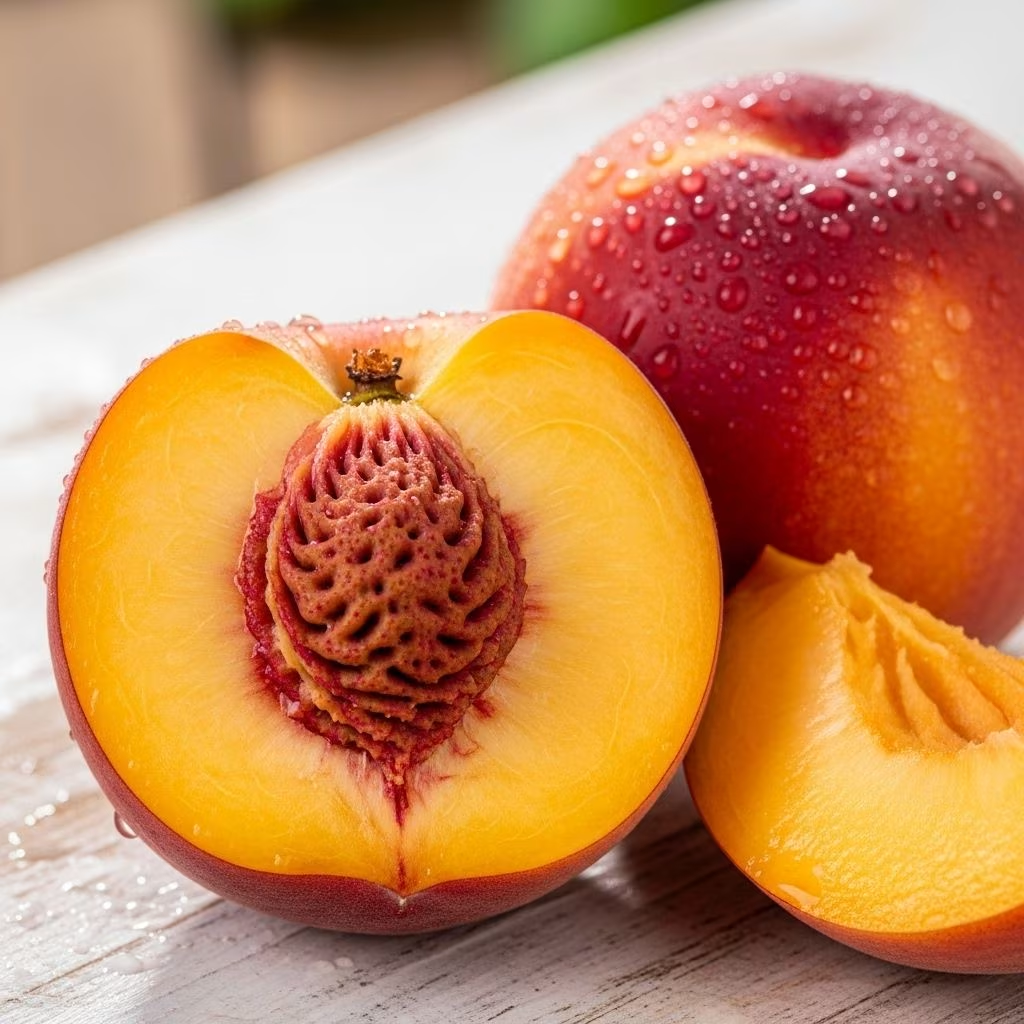
Introduction: What Is a Peach?
Peach (Prunus persica) is a beloved stone fruit renowned for its soft fuzzy skin, sweet juicy flesh, and aromatic fragrance. Native to northwest China, the peach has traveled the globe to become one of the most popular fruits in temperate zones, appreciated for its ornamental beauty and delicious fruit production. Whether enjoyed fresh, baked, canned, or dried, peaches—yellow or white, clingstone or freestone—are a staple of summer and a symbol of health and indulgence.
Origin and Botanical Background
Botanically, peaches belong to the genus Prunus. The species persica signifies its connection to ancient Persia, although its true native roots are traced to northwest China. These deciduous trees are famed for their stunning early spring blossoms—pink to rose-colored—emerging before the green, lance-shaped leaves.
- Peach trees typically reach manageable heights (~15-25 feet) and bear fruit within 2-4 years after planting.
- They are self-pollinating, though cross-pollination with different varieties often leads to higher yields and better fruit quality.
- The fruit itself is classified as a stone fruit or drupe, which means it surrounds a hard pit (the stone) with soft, edible flesh.
Varieties and Types of Peaches
Peaches come in several types and countless cultivars that differ by how the flesh interacts with the pit and their flavor and texture profiles.
Clingstone vs. Freestone vs. Semi-Freestone
| Type | Description | Common Uses |
|---|---|---|
| Clingstone | Flesh clings tightly to the pit; very juicy and sweet | Canning, baking, jams, eating fresh (with some effort) |
| Freestone | Pit easily separates from the flesh; firmer, less juicy than clingstone | Eating whole, baking, freezing, and all-purpose kitchen use |
| Semi-Freestone | Hybrid of the above; blends sweetness with easier pit removal | All uses: baking, preserving, eating fresh |
Freestone peaches dominate grocery store shelves for their ease of handling, while clingstones and semi-freestones are often found at orchards and farmer’s markets.
Popular Peach Cultivars
- Redhaven – Mid-season, freestone, cold-hardy, excellent classic flavor.
- Contender – Late-blooming, cold-hardy, ideal for northern climates.
- Belle of Georgia – White-fleshed, freestone, large fruit, vigorous growth.
- White Lady – Low-acid, white, with smooth, sweet texture.
- Loring – Large, flavorful, freestone—excellent for fresh eating.
- July Elberta – Early harvest, yellow fruit, rich flavor.
Nutritional Profile & Health Benefits
Peaches are not just tasty—they are loaded with nutritional value and bring a range of health benefits.
Nutritional Composition (per 100g raw peach)
- Calories: ~40 kcal
- Carbohydrates: 9.5 g
- Sugars: 8.4 g
- Dietary Fiber: 1.5 g
- Protein: 1 g
- Fat: 0.25 g
- Vitamins: Vitamin C (antioxidant), Vitamin A, Vitamin E, Vitamin K
- Minerals: Potassium, Magnesium, Phosphorus, Calcium
Key Health Benefits
- Antioxidant Rich: High in Vitamin C and polyphenols, helping combat oxidative stress and cellular damage.
- Supports Digestion: Their dietary fiber promotes gut health and regularity.
- Anti-Inflammatory: Bioactive compounds help reduce inflammation in the body.
- Promotes Skin Health: Vitamin C aids collagen synthesis; beta-carotene supports skin repair and protection.
- Supports Heart Health: Potassium helps regulate blood pressure; the low-calorie profile supports cardiovascular health.
- Weight Management: Low-calorie, nutrient-dense, and high in water content; ideal for healthy snacking and hydration.
Taste and Sensory Profile
Peaches are celebrated for their unique sweet-tart flavor profile and aromatic qualities. The sensory experience changes with variety, ripeness, and how the fruit is served.
- Flavor: Ranges from intensely sweet and slightly tart (yellow peaches) to delicately floral and ultra-sweet (white peaches).
- Texture: Juicy, soft, sometimes melting in the mouth—especially when fully ripe. Some varieties have firmer flesh.
- Fragrance: A ripe peach emits a pronounced, sweet aroma that signals readiness to eat.
- Color and Appearance: Yellow-orange flesh with a rosy blush; fuzzy, thin skin. The deeper the yellow/golden hue of the base, the riper the peach.
How to Tell if a Peach Is Ripe
- Look for a golden/yellow base color (not green).
- Fruit should yield slightly to gentle pressure (soft, not squishy).
- Sweet, enticing aroma near the stem end.
- Avoid peaches with dark spots (overripe) or green areas (underripe).
Uses of Peaches: Culinary & Beyond
Culinary Uses
- Fresh Eating: Enjoyed whole, sliced in salads, or as a sweet snack.
- Baking: Key ingredient in pies, tarts, cobblers, crisps, and cakes for their rich flavor and moisture.
- Canning & Preserving: Peaches are ideal for jams, jellies, preserves, and compotes.
- Beverages: Used in juices, smoothies, cocktails, and peach-infused teas.
- Cooking: Peaches pair well with pork, poultry, cheeses, and fresh herbs in savory dishes.
- Drying: Dried peaches make portable, nutrient-dense snacks.
Non-Culinary Uses
- Cosmetics & Skincare: Extracts and oils from peaches are used in moisturizers, cleansers, and facial masks for their skin-promoting nutrients.
- Perfume & Aromatherapy: The sweet, fruity aroma is used in fragrances and scented products.
Selecting, Storing, and Preparing Peaches
Selecting Peaches
- Choose peaches that are intensely fragrant with golden/yellow base color.
- Gently squeeze: ripe peaches yield slightly and aren’t rock-hard or mushy.
- Avoid fruits with wrinkled skin or brown spots—they’re past their prime.
Storing Peaches
- Unripe peaches can be ripened at room temperature—the process quickens in a paper bag with a banana or apple.
- Once ripe, store in the refrigerator to extend freshness for up to a week.
- For long-term preservation, peaches can be sliced and frozen or canned.
Preparing Peaches
- Wash thoroughly before eating or cooking.
- To peel easily, dip the peach in hot water for 30 seconds then cool in ice water—skin slides off effortlessly.
- Slice lengthwise to reach the pit. For freestones, pit removes easily; for clingstones, slice in sections around the stone.
Growing Peach Trees at Home
Peach trees are manageable for home gardens and offer both ornamental and edible value.
- Climate: Prefer temperate zones, full sun, and well-drained, slightly acidic soil.
- Planting: Plant in spring; space trees 15-20 feet apart.
- Pruning: More intensive than most fruit trees—required annually as peaches fruit on new wood.
- Fertilizing: Apply fertilizer in spring as trees begin to bloom—compost tea is highly beneficial.
- Watering: Deep soak every two weeks; mulch to retain moisture.
- Harvesting: Pick when base color shifts from green to yellow/gold and the flesh is soft. Ripening post-harvest is possible but flavor peaks when tree-ripened.
- Thinning: Thin fruit to 5-inch spacing when dime-sized for larger fruit and reduced limb damage.
Disease & Pest Control in Peach Culture
Peaches are susceptible to a few key pests and diseases.
- Greater Peachtree Borer: Larvae tunnel into the trunk base and can weaken or kill trees.
- Brown Rot: A fungal disease that attacks blossoms and fruit, causing fruit to rot before ripening.
- Peach Leaf Curl: A fungal infection causing deformed leaves; managed with fungicide applied during dormancy.
- Aphids, Scale, and Mites: Suck sap from leaves and shoots. Controlling these insects requires vigilance and sometimes insecticidal soap.
Regular orchard hygiene, pruning, and timely application of treatment is essential for managing peach tree health.
Frequently Asked Questions (FAQs)
Q: Are peaches safe for people with diabetes?
Yes, peaches have a moderate glycemic index and, when eaten in moderation, fit well into a diabetic diet—with their fiber content helping slow sugar absorption.
Q: What is the difference between a nectarine and a peach?
Nectarines are genetically similar to peaches but have smooth, non-fuzzy skin—resulting from a natural mutation. Flavor profiles are otherwise quite alike.
Q: Can you eat peach skin?
Yes, peach skin is edible and contains beneficial nutrients. However, some prefer to peel it for a smoother texture or if pesticide residue is a concern.
Q: What’s the best way to store peaches for long-term use?
The most effective ways are canning (in syrup or water), freezing (sliced and prepped), and drying for shelf-stable snacks.
Q: How do peaches contribute to hydration?
Peaches are over 85% water, making them excellent for maintaining hydration—particularly during summer months.
Conclusion
Peach is much more than a delicious fruit—it’s a nutritional powerhouse, a versatile culinary ingredient, and a vibrant addition to gardens and landscapes. Understanding its varieties, health benefits, and optimal uses helps maximize enjoyment and value, whether you’re picking them straight off the tree, incorporating them in creative recipes, or investing in a home orchard. With their rich sensory appeal and contributions to well-being, peaches continue to delight palates and support healthy lifestyles worldwide.
References
- https://plantdetectives.com/pages/the-peach-tree-guide
- https://lanesouthernorchards.com/blogs/news/guide-to-peach-varieties
- https://thegreenurbanlunchbox.com/peach-fruit-guide/
- https://www.adventurekitchen.com/mostly-plants/what-a-peach
- https://www.azurefarmlife.com/farm-blog/how-to-grow-your-own-peach-trees
- https://ohioline.osu.edu/factsheet/hyg-1406
- https://ucanr.edu/blog/food-blog/article/peach-book-guides-growing-quality-fruit-planting-beyond-harvest
- https://gardeningsolutions.ifas.ufl.edu/plants/edibles/fruits/peaches/


