


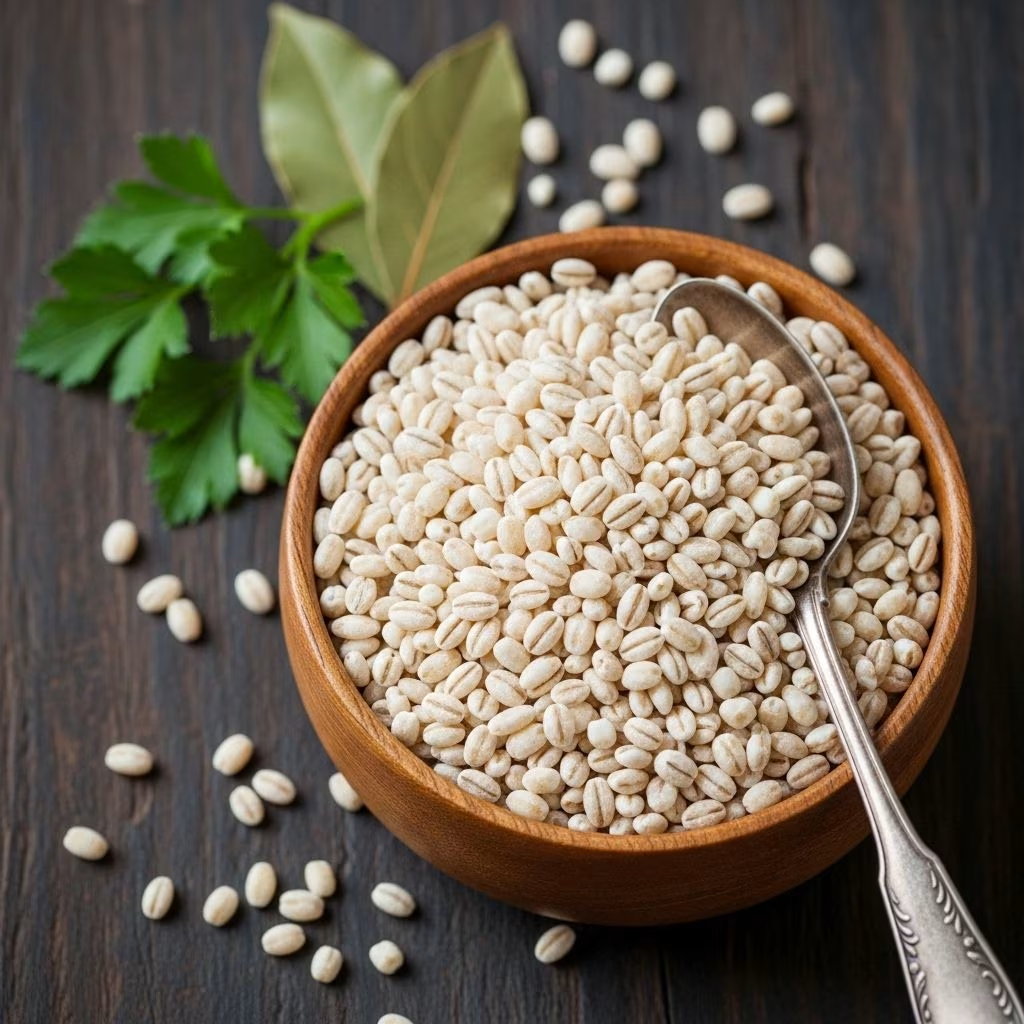
Pearl barley is an ancient grain treasured for its subtle flavor, chewy texture, and impressive adaptability in the kitchen. This article explores the origins, nutritional profile, health benefits, culinary uses, and taste of pearl barley. Whether you’re a home cook or nutrition enthusiast, you’ll find everything you need to get started with this wholesome grain.
Introduction to Pearl Barley
Pearl barley is one of the world’s oldest cultivated grains, originating from the barley plant (Hordeum vulgare). It has been a staple in many cultures, valued for its nutritional richness and ability to thrive in diverse climates. Today, pearl barley is widely recognized for its role in hearty winter soups, nourishing salads, and even breakfast porridge.
The name “pearl barley” comes from the unique polishing process it undergoes. During pearling, both the inedible outer hull and most of the bran are removed, resulting in small, rounded grains with a characteristic pearly sheen. This makes it softer and faster to cook than other forms of barley, such as hulled barley, while still retaining many essential nutrients and fiber.
How Is Pearl Barley Made?
The transformation from whole grain barley to pearl barley involves several steps:
- Harvesting: Barley is harvested and cleaned to remove dirt and debris.
- Hulling: The tough, inedible hull is mechanically removed.
- Pearling: The barley is polished (“pearled”) to remove much of the bran layer, giving it a creamy color and a smooth, shiny surface.
- Quality Control: Grains are checked for size, color, and moisture content, ensuring a high standard for both appearance and taste.
This process produces a grain that is tender, easily digested, and quick to cook, making it accessible for everyday meals.
Nutritional Profile of Pearl Barley
Pearl barley is considered a nutritious whole grain despite removing some of the outer bran. It provides a rich source of key nutrients:
| Nutrient | Approximate Amount per 100g (cooked) | Benefit |
|---|---|---|
| Calories | 123 kcal | Energy |
| Carbohydrates | 28g | Provides fuel for the body |
| Protein | 2.3g | Plant-based protein source |
| Dietary Fiber | 3.8g | Supports digestion, satiety |
| Fat | 0.4g | Low fat content |
| Vitamins & Minerals | B vitamins, magnesium, selenium, iron, zinc | Essential for metabolism, immunity, cellular health |
Values are approximate and may vary depending on preparation.
Pearl barley is especially known for its high fiber content (mainly soluble fiber, such as beta-glucan), B vitamins (notably niacin and thiamin), and minerals (magnesium, selenium, phosphorus, manganese).
Key Health Benefits of Pearl Barley
The nutritional properties of pearl barley contribute to several evidence-based health advantages:
- Digestive Health: The soluble and insoluble fiber in pearl barley helps maintain regular bowel movements and supports a healthy gut microbiome. This can aid in preventing constipation and improving overall digestive function.
- Cardiovascular Benefits: Beta-glucan, a type of soluble fiber found in barley, is proven to help lower LDL (“bad”) cholesterol, thereby reducing the risk of heart disease. Magnesium in barley may also help in regulating blood pressure.
- Blood Sugar Control: With a low glycemic index, pearl barley gradually releases sugar into the bloodstream, which helps stabilize blood sugar levels and makes it suitable for people managing diabetes or prediabetes.
- Weight Management: The fiber and protein content promote satiety (feeling full for longer), helping reduce overall calorie intake during meals and potentially supporting weight management or loss.
- Immune Support: Rich in minerals (selenium, zinc) and antioxidants, barley supports a healthy immune system and cellular protection against oxidative stress.
Comparison: Hulled vs. Pearl Barley
| Feature | Hulled Barley | Pearl Barley |
|---|---|---|
| Processing | Only the indigestible outer hull is removed; retains bran layer | Outer hull and most of the bran removed; polished grains |
| Texture | Firm, chewy, slightly nutty | Softer, creamy, slightly chewy |
| Cooking Time | 50–60 minutes | 25–40 minutes |
| Nutrient Density | Higher (whole grain) | Slightly lower (some bran removed) |
| Common Uses | Hearty soups, salads, grain bowls | Soups, stews, casseroles, salads, porridge |
| Availability | Less common | Widely available |
Both forms are healthful; hulled barley is “whole grain” while pearl barley offers great convenience and a delicate texture.
Taste and Texture
Pearl barley is often described as having a mild, nutty flavor with a soft-yet-chewy texture after cooking. This neutral profile allows it to absorb and complement the flavors of broths, herbs, and other ingredients in any dish:
- Mild Nutty Notes: Subtle and pleasant without overpowering other ingredients.
- Soft, Chewy Consistency: Remains distinct in soups and salads, providing unique mouthfeel.
- Absorptive Quality: Readily soaks up flavorful liquids and seasonings.
Its appearance is also an asset, with pearly, creamy grains that add attractive visual appeal to dishes.
Culinary Uses and Cooking Tips
Versatile and economical, pearl barley is an essential ingredient in global cuisines. Its benefits in the kitchen include:
- Soups and Stews: Pearl barley is a classic addition to hearty dishes like beef barley soup or vegetable barley stew. Its texture thickens broths and enhances complexity.
- Salads: Cooled, cooked barley makes a delicious base for salads with grilled vegetables, herbs, and vinaigrettes.
- Casseroles: Adds substance to baked dishes, holding flavor and moisture well.
- Pilafs and Risottos: Substitute barley for rice to bring a nutty flavor and chewy bite to these dishes.
- Breakfast Dishes: Simmered barley can become a fiber-rich porridge, served with fruits, honey, or yogurt.
- Baking and Breads: Barley flour (from milled pearl barley) can enrich breads or muffins with whole-grain goodness.
- Plant-Based Protein Source: Incorporate into vegetarian recipes, veggie burgers, and grain bowls for extra nutrition.
Pearl barley is budget-friendly and widely available in supermarkets, making it a practical choice for everyday meals.
How to Cook Pearl Barley
Cooking pearl barley is simple and forgiving. Follow these steps for perfect results:
- Rinse: Rinse barley under cool running water to remove excess starch or debris.
- Proportion: Use about 1 part pearl barley to 3 parts water or broth.
- Simmer: Add barley to boiling liquid, reduce heat, and simmer uncovered for 25–40 minutes, stirring occasionally. Add more water if needed.
- Drain & Fluff: When tender but still slightly chewy, drain any excess water. Fluff with a fork and serve.
For porridge or creamy textures, cook a little longer with extra liquid. Leftover barley stores well in the fridge for 3–4 days and can be reheated or added cold to salads.
Frequently Asked Questions (FAQs)
Q: Is pearl barley gluten-free?
A: No, pearl barley contains gluten and is unsuitable for those with celiac disease or gluten sensitivity.
Q: Is pearl barley considered a whole grain?
A: Strictly speaking, pearl barley is not a “whole grain” as the bran layer is mostly removed, but it still provides valuable fiber and nutrients. Hulled barley, with its bran intact, is the true whole grain form.
Q: Can pearl barley be substituted for rice or other grains?
A: Yes, substitute pearl barley in place of rice or couscous in most recipes for added nutrition and texture. Adjust cooking times as needed.
Q: Does pearl barley need soaking?
A: Soaking is not required, but may slightly reduce cooking time and improve digestibility.
Q: How should pearl barley be stored?
A: Store dry pearl barley in an airtight container in a cool, dry place for up to one year. Cooked barley should be refrigerated and consumed within 3–4 days.
Q: Is pearl barley good for vegans or vegetarians?
A: Absolutely. Pearl barley is a great plant-based protein source and adds texture to a variety of vegetarian and vegan dishes.
Key Takeaway:
Pearl barley is a nutritious, affordable, and adaptable grain that brings a slightly nutty taste and chewy texture to a multitude of dishes, both classic and modern. Its health benefits and culinary flexibility make it worthy of more attention in wholesome, balanced diets.
References
- https://www.silverytweedcereals.co.uk/News-and-Updates/ArtMID/549/ArticleID/71/Pearl-barley-A-gem-of-a-grain
- https://press-london.com/blogs/squeeze/what-is-pearl-barley
- https://be-still-farms.com/blogs/healthy-organic-living-blog/difference-between-hulled-barley-vs-pearl-barley
- https://agresearch.montana.edu/wtarc/producerinfo/agronomy-nutrient-management/Barley/BarleyBasics.pdf
- https://agresearch.montana.edu/wtarc/producerinfo/barley.html
- https://www.britannica.com/topic/pearl-barley
- https://motherwouldknow.com/difference-between-pearl-and-hulled-barley/
- https://extension.illinois.edu/blogs/simply-nutritious-quick-and-delicious/2024-03-29-barley-versatile-and-gratifying-grain


