


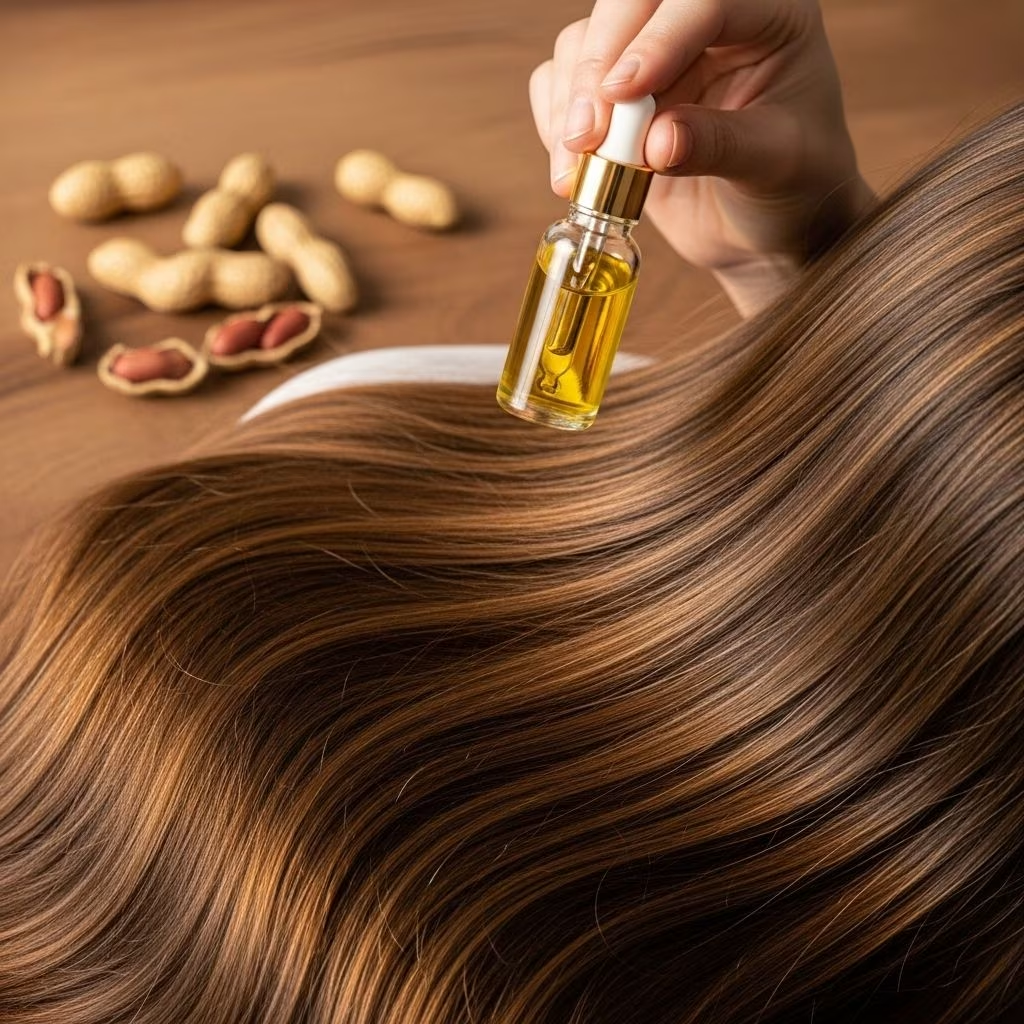
Natural oils have become a cornerstone of modern hair care, with peanut oil emerging as a powerful option for promoting scalp health, hair growth, and shine. Whether your goal is to reduce hair loss, deeply condition, or restore luster to dry strands, peanut oil has science-backed and traditional uses that can help. This comprehensive guide explores the benefits, methods of application, and tips for incorporating peanut oil into your routine to achieve healthy, resilient hair.
Introduction to Peanut Oil for Hair
Peanut oil is extracted from the seeds of the peanut plant (Arachis hypogaea). It is widely valued for its culinary uses, but its abundant nutrients also make it an effective natural remedy for hair. Rich in vitamin E, essential fatty acids, and various minerals, peanut oil provides multiple hair care benefits, such as locking in moisture, reducing protein loss, and shielding strands from environmental stressors.
Peanut oil is particularly suitable for individuals with dry, damaged, or brittle hair, and is often recommended for those experiencing hair loss or thinning .
Key Benefits of Peanut Oil for Hair
1. Prevents Hair Loss
One of the prominent uses of peanut oil is reducing hair fall and strengthening hair from the roots. The oil’s omega-3 fatty acids and L-arginine content help anchor roots firmly to the scalp, preventing premature shedding and breakage. Studies highlight its role in supporting the hair growth cycle and maintaining fuller strands .
2. Encourages Hair Growth and Thickness
Peanut oil is loaded with nutrients such as biotin, folate (vitamin B9), and magnesium, all known to stimulate stronger hair growth. Folate specifically assists in cell growth and renewal, reducing hair thinning and breakage. Amino acids found in peanut oil, including arginine and tryptophan, are vital building blocks for hair protein, supporting the structure and volume of each strand .
3. Moisturizes and Conditions the Hair
With its rich emollient properties, peanut oil deeply moisturizes the scalp and hair shaft. It replenishes natural oils that may be lost due to frequent washing, styling, or environmental factors. The oil smooths the cuticle layer, resulting in softer, more manageable hair and less frizz .
4. Treats Dandruff and Scalp Conditions
The combination of vitamin E and natural antioxidants in peanut oil helps rebalance a flaky, irritated, or itchy scalp. Its moisturizing action relieves dry scalp and dandruff while its anti-inflammatory properties can alleviate some symptoms of psoriasis .
5. Strengthens Hair Shaft and Reduces Split Ends
The healthy fats and proteins in peanut oil fill gaps in damaged hair cuticles, increasing elasticity and minimizing split ends. Its antioxidant action also shields hair from oxidative damage, heat styling, and harsh weather .
6. Improves Shine and Hair Texture
When used regularly, peanut oil boosts the natural shine and silkiness of hair. The oil seals in moisture and smooths rough, porous strands, making hair appear lustrous and vibrant. Curls become more defined and manageable .
| Benefit | Description |
|---|---|
| Reduces Hair Loss | Anchors strands, supports follicle health, and prevents breakage |
| Boosts Growth | Nutrient-rich, encourages cell renewal and thicker hair |
| Moisturizes | Deeply hydrates scalp and hair, controls dryness and frizz |
| Treats Scalp Conditions | Relieves dandruff, soothes itch, and combats flakiness |
| Strengthens | Improves elasticity, fills gaps in cuticle, reduces split ends |
| Enhances Shine | Seals in moisture, boosts luster and smoothness |
Nutritional Profile of Peanut Oil
Understanding why peanut oil is so effective for hair requires a look at its key nutrients:
- Vitamin E: A powerful antioxidant that protects hair from oxidative stress and helps repair damage .
- Omega-3 and Omega-6 Fatty Acids: Essential for scalp health, enhancing hair growth and minimizing inflammation .
- Amino Acids: Including L-arginine, support blood circulation to the scalp and are necessary for producing keratin, the fundamental protein of hair .
- Magnesium & Folate: Essential for DNA synthesis, follicle strength, and overall hair health .
- Biotin: Supports keratin production and maintains strong, resilient hair .
How to Use Peanut Oil for Hair
Peanut oil can be integrated into your hair care regimen in several ways, depending on your desired result and hair type. Below are some of the most effective methods:
1. As a Deep Conditioning Treatment
- Warm 2–3 tablespoons of pure peanut oil in a bowl until gently heated (do not overheat).
- Apply to the scalp and hair from root to tip, gently massaging in circular motions.
- Cover your hair with a shower cap or towel and leave on for 30–60 minutes.
- Rinse thoroughly and wash with a mild, sulfate-free shampoo. Repeat 1–2 times per week for best results .
2. As a Scalp Massage Oil
- Use a few teaspoons of room temperature peanut oil.
- Massage directly into your scalp for 10–15 minutes before bed. This increases blood circulation, which supports healthy follicles and may boost hair growth.
- Allow the oil to absorb overnight or wash after an hour.
3. As a Hair Mask Ingredient
- Combine equal parts peanut oil and coconut or almond oil for enhanced nourishment.
- Add 1–2 drops of essential oil (such as rosemary or lavender) for added benefits and fragrance.
- Apply generously to dry hair, wrap in a towel, and leave for 20–30 minutes before washing out .
4. As a Leave-in Treatment for Frizzy Hair
- Rub 1–2 drops between your palms and lightly smooth over the ends of damp or dry hair.
- Helps to control flyaways, reduce static, and add luster.
5. As a Blow-Drying Cream Alternative
- Use a tiny amount of peanut oil on the mid-lengths and ends of hair before blow-drying.
- This acts as a natural heat protectant and gives hair a soft, silky texture.
Best Practices and Tips
- Patch Test: Always perform a patch test on a small area of skin or scalp to ensure you are not allergic to peanut oil.
- Focus on Damaged Areas: Pay extra attention to applying oil to areas of the hair that are driest or most damaged, such as the ends.
- Wash Thoroughly: Use a gentle, non-stripping shampoo to remove oil residues, especially if you have fine or oily hair.
- Combine for Synergy: Mix peanut oil with humectants like honey or aloe vera for deeper conditioning and hydration.
- Avoid Overuse: Those with oily hair types should use peanut oil sparingly to prevent heavy buildup or greasiness .
- Frequency: For optimal results, use peanut oil as a treatment once or twice weekly.
- Storage: Store peanut oil in a cool, dark place to extend its shelf life and maintain nutrient potency.
Potential Side Effects and Precautions
While peanut oil is generally safe for topical use, certain considerations are important:
- Allergic Reactions: Individuals with peanut allergies must not use peanut oil on their skin or hair, as it can cause severe allergic reactions.
- Acne-Prone Scalp: Peanut oil may clog pores for some people, potentially aggravating acne or folliculitis. Always patch test before full application.
- Product Interactions: Avoid using peanut oil in conjunction with strong cleansing shampoos, as they may strip away its beneficial effects.
- Purity: Use only cold-pressed, unrefined, and pure peanut oil for maximum benefit and minimum risk of additives or contaminants .
Frequently Asked Questions (FAQs)
Q: Can peanut oil help with hair loss or thinning?
A: Yes. Owing to its rich vitamin E, omega fatty acids, and amino acid content, peanut oil can strengthen roots, minimize breakage, and support healthy regrowth. It is especially beneficial in preventing hair loss due to nutritional deficiencies, free radical damage, and dryness .
Q: Is peanut oil suitable for all hair types?
A: Peanut oil works best for dry, damaged, or curly hair. For oily or fine hair, use sparingly and focus application on the hair ends or as an occasional mask .
Q: How often should I use peanut oil on my hair?
A: Once or twice weekly is optimal for most hair types. Overuse may result in greasiness, especially if hair is fine or oily-threaded .
Q: Can I combine peanut oil with other oils or conditioners?
A: Absolutely. Pair peanut oil with coconut, almond, or olive oil for boosted hydration, and use it with humectants for even deeper moisturization .
Q: Does peanut oil have a strong scent?
A: Pure peanut oil has a mild, slightly nutty aroma that generally fades after washing. It mixes well with essential oils if you want a more pleasant fragrance.
Q: Are there scientific studies supporting its use?
A: Traditional use and recent studies both support peanut oil’s role in improving hair length, texture, and follicle strength in both topical and nutritional applications .
Conclusion
Bringing together the wisdom of traditional remedies and modern science, peanut oil shines as an affordable, effective, and accessible choice for those seeking stronger, glossier, and healthier hair. With its rich blend of vitamins, fatty acids, and minerals, peanut oil offers deep conditioning, defends against breakage, and supports scalp balance. When integrated thoughtfully into your routine, peanut oil can make a dramatic difference in the health and beauty of your hair.
References
- https://aveline.us/news/how-to-deep-condition-your-hair-with-peanut-oil.html
- https://nutspick.co.uk/blogs/blog/are-peanuts-good-for-hair
- https://pmc.ncbi.nlm.nih.gov/articles/PMC8706577/
- https://zenodo.org/records/14948682/files/PEANUT%20OIL.pdf?download=1
- https://pmc.ncbi.nlm.nih.gov/articles/PMC9231528/
- https://dearborn.org/preview/the-benefits-of-peanut-oil-for-hair-will-amaze-you-so-what-about-it-14209


