


Pepino Melon: Nutritional Benefits, Culinary Uses, and Exotic Taste Explained
Pepino melon, also known as melon pear, sweet cucumber, or simply pepino, is an exotic fruit best known for its refreshing flavor and rich nutritional profile. This article explores in detail what pepino melon is, its benefits, culinary applications, and its unique taste. Whether you are a nutrition enthusiast, a culinary explorer, or simply curious, this guide provides comprehensive insights backed by scientific research and traditional knowledge.
Introduction to Pepino Melon
The pepino melon (Solanum muricatum) is a unique fruit belonging to the Solanaceae family, which also includes tomatoes and potatoes. Native to the temperate Andean region of South America, particularly countries like Peru, Chile, and Colombia, the fruit is now cultivated globally due to its mild, sweet flavor and nutritional value.
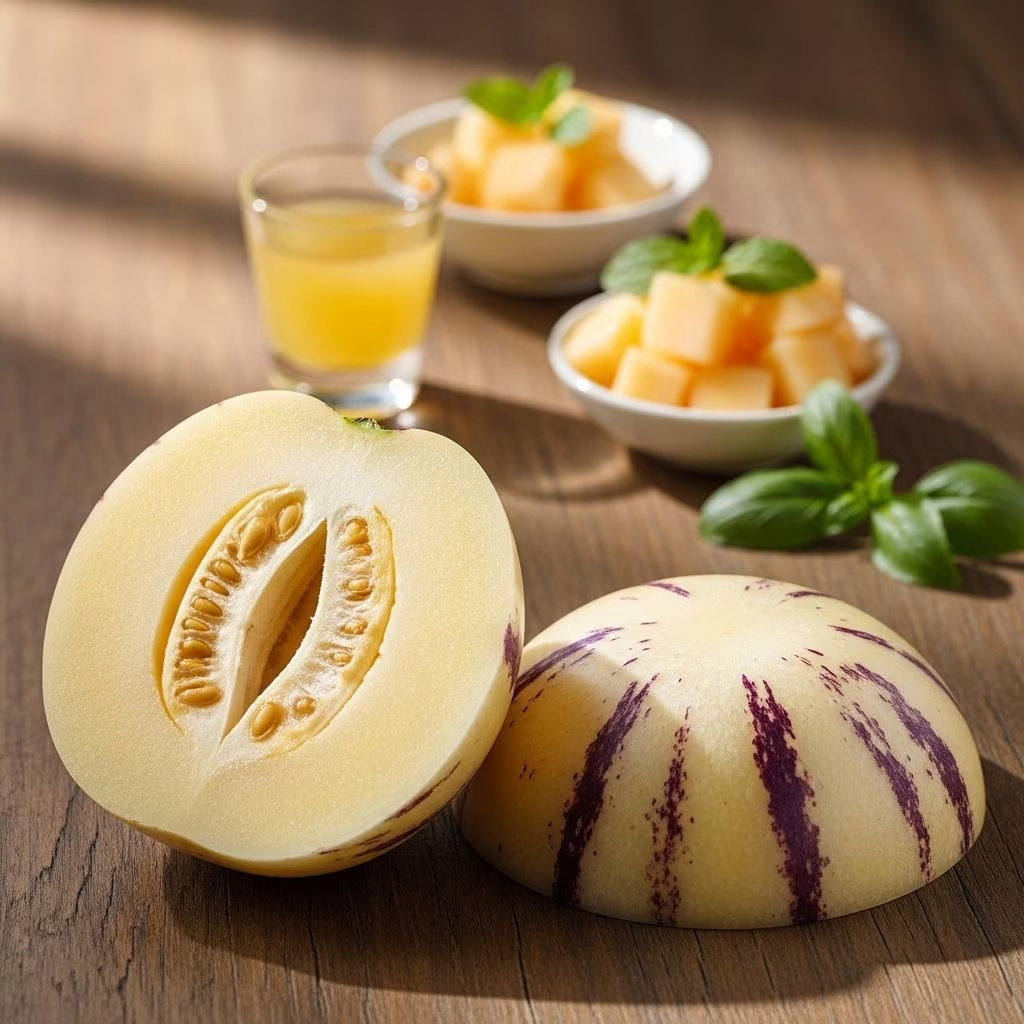
Pepino is oval or egg-shaped and typically measures the size of a medium cucumber. Its skin is thin and smooth, ranging from pale yellow to light green with distinctive purple stripes. The fruit’s flesh is juicy, pale yellow to light golden, and contains edible soft seeds.
Known by various names including “melon pear” and “sweet cucumber”, pepino has become popular in both health and culinary circles thanks to its hydrating properties and versatility.
Botanical Origin and History
Pepino melon is botanically classified as Solanum muricatum. Its name, “pepino”, literally translates to “cucumber” in Spanish, reflecting the fruit’s appearance and occasional flavor resemblance. Despite this, the pepino melon is not a true melon, nor is it directly related to the common cucumber (Cucumis sativus), but is part of the nightshade family.
Traditionally cultivated in the highlands of the Andes for centuries, the fruit has expanded to warm-temperate regions worldwide, including New Zealand, Spain, Turkey, and California. Due to its adaptability to various soils and climates, the pepino is grown both commercially and by home gardeners.
Cultivation Facts
- Native to: South America (Peru, Chile, Colombia)
- Plant family: Solanaceae (nightshade family)
- Growth habit: Shrubby perennial
- Global cultivation: South America, Europe, Asia, New Zealand, and North America
Nutritional Value of Pepino Melon
Pepino melon is celebrated for being low in calories and sugar, while offering impressive levels of water, dietary fiber, essential vitamins, minerals, and bioactive compounds.
Major Nutrients (per 100g serving)
| Nutrient | Amount (Range) | Key Benefits |
|---|---|---|
| Water | 92%–96% | Hydration |
| Calories | 25–35 kcal | Weight management |
| Vitamin C | 30–80 mg | Antioxidant, immunity |
| Beta-carotene (Vitamin A precursor) | 56–166 mg | Vision, skin health |
| Potassium | 100–350 mg | Cardiovascular |
| Phosphorus | 18–51 mg | Bone health |
| Calcium | 6–18 mg | Bone health |
| Magnesium | 6–9 mg | Metabolism |
| Iron | 0.2–0.6 mg | Blood formation |
| Copper | 0.01–0.09 mg | Immune function |
Micronutrients and Bioactive Compounds
- Polyphenols (phenolic acids, flavonoids): Linked to antioxidant, anti-inflammatory, anti-cancer, and anti-diabetic effects.
- Anthocyanins & carotenoids (especially β-carotene): Support cellular health and combat oxidative stress.
- Dietary fiber: Aids digestion, promotes satiety, supports gut health.
- Organic acids (citric acid, malic acid): Contribute to metabolic and antioxidant benefits.
- Essential vitamins: Thiamin, niacin, riboflavin, vitamin K, and others.
Health Benefits of Pepino Melon
Pepino melon is promoted in traditional medicine and modern nutritional sciences for a variety of health benefits, primarily due to its diversity of vitamins, minerals, and potent bioactive compounds.
Key Health Benefits
- Highly Hydrating
With around 92%–96% water content, pepino melon is excellent for rehydrating the body and maintaining electrolyte balance, making it particularly useful during hot climates or after exercise. - Low Calorie and Supports Weight Management
Pepino’s low calorie and high fiber profile makes it ideal for weight-control diets. Its fiber aids fullness, curbs cravings, and helps digestive regularity. - Rich in Antioxidants
The fruit contains high amounts of vitamin C, beta-carotene, polyphenols, anthocyanins, and carotenoids. These compounds scavenge harmful free radicals, reducing oxidative stress and cellular damage, which may help prevent chronic diseases. - Anti-Inflammatory Properties
Flavonoids, polyphenols, and vitamin C in pepino melon help reduce inflammation and may support recovery from injuries and illness. - Anti-Diabetic Activity
Studies indicate pepino melon may improve insulin sensitivity, regulate blood sugar levels, and offer anti-diabetic effects, attributed in part to its quercetin content. - Cardiovascular Health
Potassium-rich pepino melon helps regulate blood pressure, lower risk of hypertension, and promotes overall heart health. - Immune System Boost
The significant vitamin C content fortifies immune defense and supports resistance to infection. - Supports Skin Health
Antioxidants in pepino melon, particularly vitamin C and beta-carotene, contribute to healthy skin, promote collagen synthesis, and may delay skin aging. - Metabolic and Liver Health
Compounds including phosphatidylcholine may help manage non-alcoholic fatty liver disease. - Potential Anti-Cancer Effects
Polyphenols in pepino melon may help protect cells from precancerous changes, although more research is needed for conclusive evidence.
Culinary and Traditional Uses
Pepino melon’s high water content, gentle sweetness, and attractive appearance lend themselves to a variety of culinary applications. Traditionally, the fruit has also been used as a medicinal plant, particularly in South American regions.
Common Culinary Uses
- Fresh Eating: Eaten raw, sliced, or diced as a hydrating, mildly sweet snack or in fruit salads.
- Juice and Smoothies: Blended into refreshing drinks, often paired with citrus or other tropical fruits.
- Desserts: Added to yogurts, custards, sorbets, and ice creams for flavor and texture.
- Salads: Combined with leafy greens, tomatoes, avocado, or other vegetables, offering a subtle, juicy element.
- Salsas and Chutneys: Diced and mixed with herbs, spices, and chili, ideal for serving with grilled meats or fish.
- Traditional Medicine: Used for its reputed anti-inflammatory, antioxidant, anti-diabetic, and anti-obesity properties.
- Garnishes & Culinary Decoration: The striped skin and golden flesh create appealing garnishes.
Preparation Tips
- Wash the fruit thoroughly to remove surface residues.
- Peel off the skin if desired; it is edible but sometimes slightly bitter.
- The seeds are soft and edible, but you may remove them for a seedless texture.
- Pepino melon pairs well with citrus, mint, honey, and tropical fruits.
Traditional Medicinal Applications
- Used in herbal teas and infusions for purported health benefits.
- Suggested by some practitioners for digestive support and immune boosting.
- Research is ongoing regarding its efficacy as a functional food for diabetes and metabolic syndrome.
Taste Profile and Eating Experience
The taste of pepino melon is described as a delicate blend of honeydew melon, cucumber, and a hint of pear. Specific flavor nuances may vary depending on ripeness, cultivar, and growing region.
Taste Description
- Flavor: Mildly sweet, refreshing, somewhat reminiscent of cantaloupe, honeydew, and cucumber.
- Texture: Juicy, tender, soft flesh with edible seeds.
- Aroma: Faintly floral or melon-like.
- Ripeness Impact: Fully ripe fruits are sweeter and more aromatic; underripe fruits can be slightly tart.
Due to its subtle taste, pepino melon often complements stronger flavors, making it an ideal ingredient for light, health-focused dishes.
How to Select and Store Pepino Melon
Selection Tips
- Choose fruit that is firm but yields slightly to gentle pressure.
- Look for vibrant yellow or pale green skin with defined purple streaks.
- Ripe fruit is aromatic and lacks blemishes or soft spots.
Storage Advice
- Store at room temperature until fully ripe.
- Once ripe, keep refrigerated and consume within a few days for optimal sweetness and texture.
- Avoid prolonged cold storage, which may alter the flavor and texture.
Potential Side Effects and Precautions
- Pepino melon is widely regarded as safe for consumption.
- Some individuals may experience allergic reactions; try a small amount if eating for the first time.
- Due to mild diuretic properties, excessive intake may lead to increased urination.
- Always wash the fruit thoroughly to avoid pesticide or surface dirt contamination.
- If you have concerns or health conditions related to potassium or sugar intake, consult with a healthcare provider before adding regularly to your diet.
Frequently Asked Questions (FAQs)
Q: Is pepino melon a type of melon or cucumber?
Pepino melon is botanically classified in the nightshade family (Solanaceae), not as a true melon or cucumber, despite its appearance and flavor resemblance.
Q: How do you eat pepino melon?
The fruit can be eaten raw after washing and slicing. Many prefer to peel the skin, although it is edible. Seeds can be consumed but are sometimes removed for texture.
Q: What is the best way to serve pepino melon?
Pepino melon fits into fruit salads, yogurts, juices, desserts, and salsas. Its mild flavor pairs especially well with citrus, mint, and honey.
Q: Is pepino melon suitable for people with diabetes?
Pepino melon’s fiber and antioxidant content may benefit blood sugar management, but always consult with a healthcare professional. Early studies suggest quercetin and phenolics may offer anti-diabetic effects.
Q: Can pepino melon help with weight loss?
Yes, its low calorie and high water content make it a good choice for weight control diets. It provides a feeling of fullness without adding excess calories.
Q: Where can I buy pepino melon?
Pepino melon is available at specialty grocers, farmers markets, and some online retailers. Availability depends on season and location.
Q: Does pepino melon have any medicinal uses?
Traditionally, pepino melon has been used for its purported anti-inflammatory, antioxidant, and anti-diabetic properties. However, always seek guidance from healthcare providers regarding medicinal use.
Conclusion
Pepino melon stands out as an exotic, hydrating fruit valued for its mild sweetness, nutritional density, and multi-purpose culinary uses. Its low calorie profile and rich supply of antioxidants, minerals, and vitamins make it an excellent addition to healthy diets and functional food applications. As research expands, pepino melon continues to gain respect not only as a tasty snack but for its possible health-supportive effects.
References
- https://pmc.ncbi.nlm.nih.gov/articles/PMC11394486/
- https://www.ndtv.com/health/pepino-10-reasons-why-you-should-eat-this-fruit-more-often-4389904
- https://pubmed.ncbi.nlm.nih.gov/39272505/
- https://www.tropicalbox.co.uk/our-fruit-blog/pepino-melon
- https://resources.markon.com/produce-guide/melons-pepino
- https://www.youtube.com/shorts/2xKCnginRgk


