


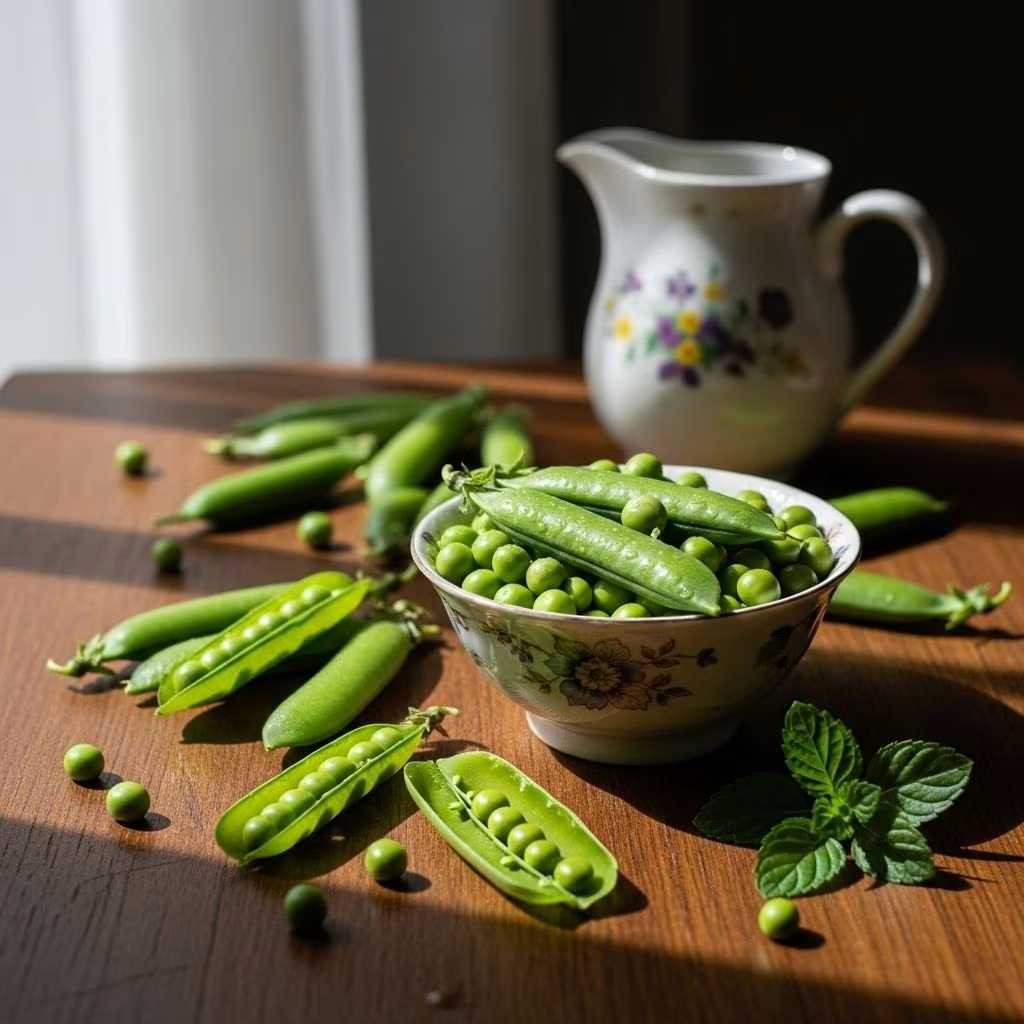
Introduction to Petit Pois
Petit pois, pronounced “puh-TEE pwah,” are very small green peas cherished in many cuisines for their tender texture, subtle sweetness, and visual appeal. The term itself is French, literally translating to “little peas.” Unlike regular garden peas, petit pois are harvested when young, resulting in a smaller size and finer flavor profile.
In gastronomy, petit pois are considered a premium ingredient for their delicate bite and bright green color. Whether served as a side dish or incorporated into sophisticated recipes, they elevate both the taste and appearance of any meal.
History and Origin
The history of petit pois begins with the cultivation of peas in ancient times. Peas were established as a staple vegetable crop more than a thousand years ago, with the species Pisum sativum cited by Carl Linnaeus in 1753. Peas were adored by royalty and commoners alike, and eating fresh immature green peas marked a culinary innovation in early modern Europe.
Petit pois, as a distinct variety, originated in France, where chefs and gardeners selected peas for their diminutive size and delicate flavor. Historically, French cuisine popularized petit pois as a desirable alternative to larger, starchier peas, elevating them to delicacy status in fine dining.
- French culinary tradition regards petit pois as the finest type of green pea.
- The cultivation of “true” French petit pois varieties remains a distinctive marker of quality among growers.
The literal translation of the term highlights its French roots: petit meaning “small” and pois meaning “peas”.
Cultivation and Varieties
Petit pois are a specific cultivar of Pisum sativum, selected for early harvest and small seed size. Unlike typical garden peas, which are left to mature to full size, petit pois are picked while still young.
- Petit pois plants are compact, rarely exceeding one foot in height and generally do not require support.
- Seeds can be sown directly into gardens in early spring, as soon as the soil can be worked, and again in late summer or early fall for autumn harvests.
- Best growth occurs in cool weather, with peas preferring temperatures of 13–18°C (55–64°F).
Harvest timing is critical; waiting too long causes peas to lose sweetness and become starchy. These small, shelling peas freeze extremely well, preserving flavor and color for off-season use.
Petit pois should not be confused with snow peas or snap peas, which are whole pods eaten young. Petit pois are shelled and prized for their tender inner seeds.
Nutritional Value and Health Benefits
Petit pois are not only delicious but also highly nutritious, containing essential vitamins and minerals. As a legume, they are naturally high in protein, fiber, and micronutrients, making them a valuable component of a balanced diet.
| Nutrient | Per 100g Cooked | Health Benefit |
|---|---|---|
| Calories | ~80 kcal | Low calorie, ideal for weight management |
| Protein | ~5 g | Supports muscle growth, repair |
| Fiber | ~5 g | Promotes digestion, satiety |
| Vitamin C | ~16 mg | Boosts immunity, antioxidant |
| Vitamin K | ~25 mcg | Bone health, blood clotting |
| Folate | ~65 mcg | Cell growth, prenatal health |
| Potassium | ~250 mg | Regulates blood pressure |
- Rich in antioxidants that protect against free radicals.
- Possess plant phytonutrients like flavonoids, carotenoids, and polyphenols.
- Contain small amounts of iron, magnesium, and zinc.
Regular consumption may help support heart health, digestive wellness, bone strength, and healthy blood sugar levels due to dietary fiber and protein content.
Culinary Uses of Petit Pois
Petit pois are embraced globally for their versatility in the kitchen. Their tender texture and subtle sweetness make them suitable for numerous dishes—ranging from simple sides to elegant main courses.
- Featured as a classic French side: petits pois à la Française, combining peas with sautéed lettuce and pearl onions.
- Added to risotto, pasta, and creamy spring soups for color and sweetness.
- Stirred into salads, omelets, or quinoa bowls for extra nutrition and visual appeal.
- Blended into purees for modern plating or baby food.
- Paired with mint in chilled pea soups or tarts.
Petit pois retain their brightness and flavor when lightly steamed, blanched, or sautéed. Overcooking should be avoided, as it deteriorates both flavor and nutrition.
Since they freeze well, petit pois are often sold frozen, enabling enjoyment year-round with minimal loss of taste or nutritional value.
Taste Profile
The defining characteristic of petit pois is their delicate sweetness and tender bite. When freshly harvested and properly cooked, they offer a clean, slightly grassy flavor, gentle enough to complement rather than overpower other ingredients.
- Texture: Smooth and soft, yet with a subtle resistance when chewed (not mushy).
- Taste: Clean, mildly sweet, with fresh, green undertones.
- Visual: Brilliant emerald green, adding vibrancy to dishes.
This unique combination makes petit pois sought after by chefs and home cooks alike, especially for spring and summer fare.
Petit Pois vs. Other Peas
| Feature | Petit Pois | Garden Peas | Snow Peas / Snap Peas |
|---|---|---|---|
| Size | Very small, immature | Larger, mature | Pod and seeds eaten whole |
| Texture | Tender, fine | Starchier, firmer | Crisp (snow), juicy (snap) |
| Flavor | Mildly sweet | Bland, slightly sweet | Grassy, mild |
| Uses | Sides, purees, salads, gourmet dishes | Soups, stews, generalized cooking | Stir fry, salads |
Petit pois are distinguished by their size, flavor and texture, making them the preferred choice for refined recipes and dishes emphasizing subtlety and elegance.
How to Select and Store Petit Pois
Petit pois are available fresh during their brief harvest window, but are most widely sold frozen to ensure year-round availability. When buying or harvesting:
- Fresh petit pois should be bright green, firm, and uniform in size.
- Pods should be plump but not overgrown—over-mature peas lose sweetness and become starchy.
- Frozen petit pois retain nearly all their natural color and flavor; opt for packages free of ice crystals or frost.
Store fresh peas refrigerated in an airtight container and use within two days for peak flavor. Frozen petit pois may be kept for several months.
Recipe Ideas Featuring Petit Pois
Inspired by their rich culinary heritage and versatile nature, petit pois star in many celebrated recipes.
- Petits Pois à la Française: Cook peas gently with butter, lettuce, and pearl onions until tender.
- Spring Risotto: Stir blanched petit pois into creamy lemon-parmesan rice with herbs.
- Minted Pea Soup: Blend petit pois with fresh mint, stock, and cream; serve hot or chilled.
- Pea and Feta Salad: Toss petit pois with feta cheese, olive oil, lemon juice, and fresh herbs.
- Pea Puree: Steam peas then purée with olive oil and seasoning for a flavorful base or side.
- Pea Omelet: Fold petit pois into a soft omelet with herbs and goat cheese for a quick meal.
These dishes highlight the gentle texture and vibrant flavor petit pois bring to both rustic and sophisticated plates.
Frequently Asked Questions (FAQs)
Q: What is the difference between petit pois and regular peas?
A: Petit pois are harvested young, when the peas are very small and sweet, while regular peas are picked when larger and can be starchy.
Q: Are petit pois the same as snow peas or snap peas?
A: No. Snow peas and snap peas are whole edible pods, often crisp and eaten raw or cooked. Petit pois refers specifically to tiny, shelled green peas.
Q: Can I substitute frozen peas for petit pois?
A: Frozen petit pois are widely available and typically offer similar flavor and texture to fresh; regular frozen peas are larger and less sweet, but may suffice in many recipes.
Q: Are petit pois healthy?
A: Yes. Petit pois are rich in protein, fiber, antioxidants, and essential vitamins, making them an excellent addition to any healthy diet.
Q: How should petit pois be cooked?
A: Steam, blanch, or lightly sauté petit pois to retain their color and flavor. Avoid overcooking, as this leads to mushiness and dull taste.
Conclusion: Celebrating Petit Pois
Petit pois stand out for their refined sweetness, tender texture, and impressive nutritional profile. Whether enjoyed simply or featured in gourmet creations, these tiny green peas bring the freshness of spring to the table year-round. Their continued popularity in French and global cuisine is a testament to their enduring appeal as both a culinary and nutritional treasure.
References
- https://dictionary.cambridge.org/us/dictionary/english/petits-pois
- https://www.yourdictionary.com/petits-pois
- https://www.farmacieisolde.com/edibles/petit-pois
- https://en.wikipedia.org/wiki/Pea
- https://www.merriam-webster.com/dictionary/petits%20pois
- https://en.wikipedia.org/wiki/Snow_pea
- https://viva.org.uk/health/a-zs/foods/peas/


