


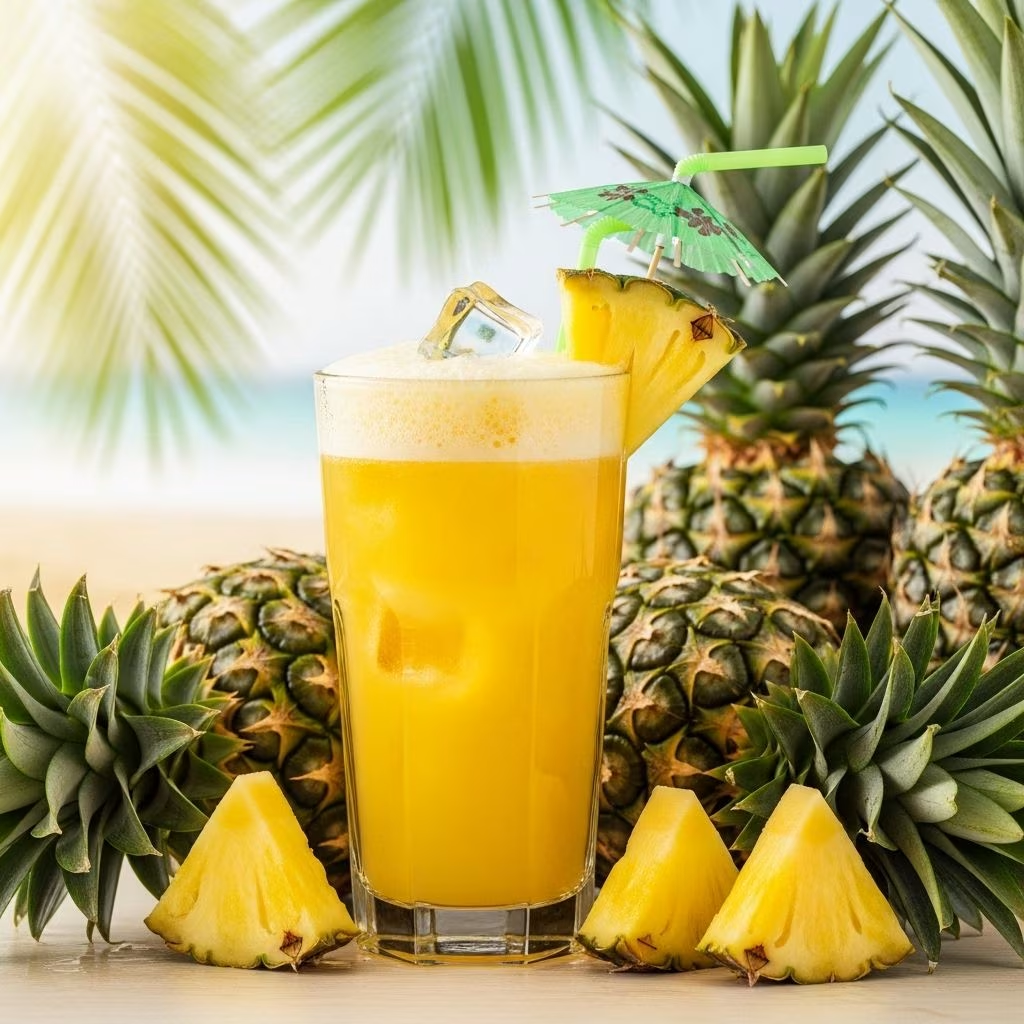
Pineapple juice is a refreshing, sweet-tart beverage cherished worldwide for its vibrant flavor and impressive nutritional profile. Extracted from the flesh of ripe pineapples—a tropical fruit native to South America—it serves as both a revitalizing drink and a staple ingredient in culinary traditions across the globe. In recent years, pineapple juice has garnered attention for its health-promoting compounds, notably bromelain, as well as its robust combination of vitamins, minerals, and antioxidants.
What Is Pineapple Juice?
Pineapple juice is the liquid extracted from the pulp of ripe pineapples (Ananas comosus). It is most commonly enjoyed as a refreshing drink, but also features widely in marinades, dressings, smoothies, desserts, and cocktails. Pineapples are native to South America but are now cultivated extensively in tropical and subtropical regions like Thailand, Indonesia, India, the Philippines, and Kenya.
The juice is prized for its vibrant yellow hue, natural sweetness, and a hint of tartness. Its reputation as a wellness beverage stems from its abundance of vitamins and minerals, combined with beneficial enzymes such as bromelain. Beyond its role as a thirst-quencher, pineapple juice is historically rooted in folk medicine as a tonic to support digestion and immunity.
Nutritional Profile of Pineapple Juice
Nutrient density is one of the hallmarks of pineapple juice. A standard serving (1 cup or approximately 250 ml) delivers a concentrated source of essential nutrients, as outlined in the table below:
| Nutrient | Amount (per 1 cup / 250ml) | % Daily Value (DV) |
|---|---|---|
| Calories | 132 | – |
| Carbohydrates | 32g | – |
| Sugar | 25g | – |
| Fiber | <1g | <5% |
| Protein | <1g | – |
| Fat | <1g | – |
| Vitamin C | 122mg | 122% |
| Manganese | 1.6mg | 55% |
| Copper | 0.2mg | 19% |
| Vitamin B6 | 0.2mg | 15% |
| Thiamin (Vitamin B1) | 0.15mg | 12% |
| Folate | 45mcg | 11% |
| Potassium | 180mg | 7% |
| Magnesium | 20mg | 7% |
- Vitamin C: Supports immune health, collagen synthesis, and antioxidant protection.
- Manganese & Copper: Essential for metabolism, bone health, and tissue repair.
- Vitamin B6, Folate, Thiamin: Play crucial roles in energy production and the nervous system.
- Bromelain: A unique enzyme associated with multiple health benefits.
Pineapple juice also contains small amounts of magnesium, potassium, iron, phosphorus, zinc, choline, and other B vitamins. Its high sugar content stems from the natural fructose present in pineapples, which also gives it a rich, rounded taste.
Key Health Benefits of Pineapple Juice
A growing body of research highlights several science-backed health benefits of consuming pineapple juice:
1. Rich Source of Nutrients and Antioxidants
- Packed with vitamin C and manganese—key in antioxidant defense and metabolic health.
- Abundant in other antioxidants that protect the body from oxidative stress and cellular damage, potentially lowering the risk of chronic diseases such as heart disease or cancer.
2. May Help Suppress Inflammation
- Contains bromelain, an enzyme mix that appears to have anti-inflammatory effects.
- Studies suggest bromelain may alleviate symptoms associated with sports injuries, osteoarthritis, and surgical soreness.
3. Immune System Support
- High vitamin C content strengthens the body’s natural defense mechanisms.
- Bromelain may enhance recovery from infections when used alongside antibiotics.
4. Digestive Aid
- Bromelain assists in protein digestion, which can help relieve bloating and support healthy gut function.
- The juice’s moderate fiber content can also aid overall digestion, though much of pineapple’s fiber remains in the pulp.
5. Heart and Circulatory Health
- Antioxidants and enzymes in pineapple juice may support heart health by reducing cholesterol accumulation and blood clot risks.
- Regular intake of vitamin C-rich foods is associated with better vascular health and lower blood pressure.
6. Respiratory Relief
- Bromelain has been shown to thin mucus, providing relief from congestion and sinus conditions such as bronchitis and sinusitis.
7. Skin Health and Eye Protection
- Antioxidants, vitamin C, and beta-carotene in pineapple juice contribute to healthy, radiant skin and may help combat signs of aging.
- Regular consumption of antioxidant-rich juices may also help protect against vision problems, including macular degeneration.
Popular Uses of Pineapple Juice
Pineapple juice’s delicious flavor and versatility make it a popular ingredient around the world:
- Refreshing Drink: Consumed chilled or over ice as a cooling beverage.
- Smoothies & Shakes: Adds vibrant flavor and nutrition to fruit smoothies and breakfast blends.
- Marinades: Used to tenderize meats and enhance flavor, thanks to its natural enzymes (especially bromelain).
- Salad Dressings: Brings a sweet-tart note to dressings for salads, slaws, and fruit salads.
- Desserts & Baked Goods: Incorporated in cakes, tarts, sorbets, and tropical-inspired desserts.
- Cocktails: A classic base for drinks like the Piña Colada, Pineapple Mojito, and tropical punch.
- Health Tonics: Used in traditional and modern wellness drinks, sometimes combined with turmeric, ginger, or mint.
Pineapple juice’s ability to tenderize tough cuts of meat makes it highly prized in various cuisines, particularly in South American and Asian cooking traditions.
Taste and Sensory Characteristics
The distinctive appeal of pineapple juice lies in its unique taste profile:
- Sweetness: Characteristic rich, fruity sweetness due to natural fructose and sucrose content.
- Tartness: A subtle acidic tang stemming from organic acids, enhancing freshness and complexity.
- Aromatic: Notes of tropical fruit, with a vibrant yellow color that hints at its lively flavor.
Due to its enzymatic activity (notably bromelain), some people experience mild tingling, tickling, or tenderness on the tongue and lips after drinking fresh pineapple juice. This is normal and reflects the juice’s potent enzymatic qualities.
Potential Risks and Precautions
Despite its health advantages, pineapple juice should be consumed mindfully by certain groups:
- High in Natural Sugars: Contains significant natural sugars; those with diabetes or metabolic syndrome should limit serving size.
- Acidity: Its acidity can aggravate heartburn or reflux, especially in individuals with gastroesophageal reflux disease (GERD).
- Bromelain Sensitivity: Some may experience mouth or tongue irritation due to bromelain.
- Medication Interactions: Bromelain may interact with certain medications, including antibiotics, blood thinners, antidepressants, and anticonvulsants. Consult healthcare providers if taking these medications.
- Potassium: Excess potassium may trouble those with impaired kidney function.
Choosing 100% pure juice (without added sugar or preservatives) and controlling portion size can help maximize health benefits while minimizing risks.
How to Select and Store Pineapple Juice
- Freshly Squeezed: Offers the highest nutrient density and pure flavor. Homemade juice has no added sugars or preservatives.
- Pasteurized Juice: The most commonly available in stores. Check labels to avoid added sweeteners and opt for 100% juice.
- Storage: Store fresh juice in a glass container in the refrigerator; consume within three days for best quality.
- Freezing: For longer storage, freeze juice in ice cube trays and transfer to airtight bags.
Processing and storage can decrease the juice’s vitamin and enzyme content. For maximum benefit, enjoy juice soon after preparation.
Frequently Asked Questions (FAQs)
Is pineapple juice good for weight loss?
Pineapple juice is low in fat and provides essential nutrients, but it is also relatively high in natural sugars and calories. While it can be a healthy part of a balanced diet, moderation is key for those seeking weight loss.
Can I drink pineapple juice daily?
Yes, in moderation. One small glass (about 120–180 ml) is typically safe and provides ample vitamin C and minerals. However, excess intake may increase sugar and acid load.
Why does pineapple juice tingle my mouth?
This sensation is due to the enzyme bromelain, which breaks down proteins on the surface of your tongue and mouth. The effect is harmless for most people and temporary.
How can pineapple juice help with colds or congestion?
Bromelain can help thin mucus, ease congestion, and soothe inflammation in the sinuses and respiratory tract.
Are there people who should avoid pineapple juice?
Individuals with allergies to pineapples, kidney conditions, those taking certain medications (such as blood thinners or specific antibiotics), and people with acid reflux should exercise caution and consult a healthcare professional.
Conclusion
Pineapple juice offers a unique combination of deliciously sweet-tart flavor, impressive nutritional density, and proven wellness benefits. Rich in antioxidants, vitamins, and the enzyme bromelain, it supports immunity, digestion, and heart health. While it can be a valuable addition to a healthy diet, portion control and product quality are key. Choosing 100% pure juice and enjoying it as part of a balanced routine can help you unlock pineapple juice’s full potential—for both taste and health.
References
- https://www.healthline.com/nutrition/pineapple-juice-benefits
- https://www.juicepress.com/blogs/news/pineapple-juice-benefits
- https://blog2.pittmandavis.com/benefits-of-drinking-pineapple-juice/
- https://www.medicalnewstoday.com/articles/317061
- https://health.clevelandclinic.org/benefits-of-pineapple
- https://www.healthline.com/nutrition/benefits-of-pineapple
- https://www.webmd.com/diet/ss/slideshow-health-benefits-pineapple
- https://www.bbcgoodfood.com/health/nutrition/health-benefits-pineapple


