


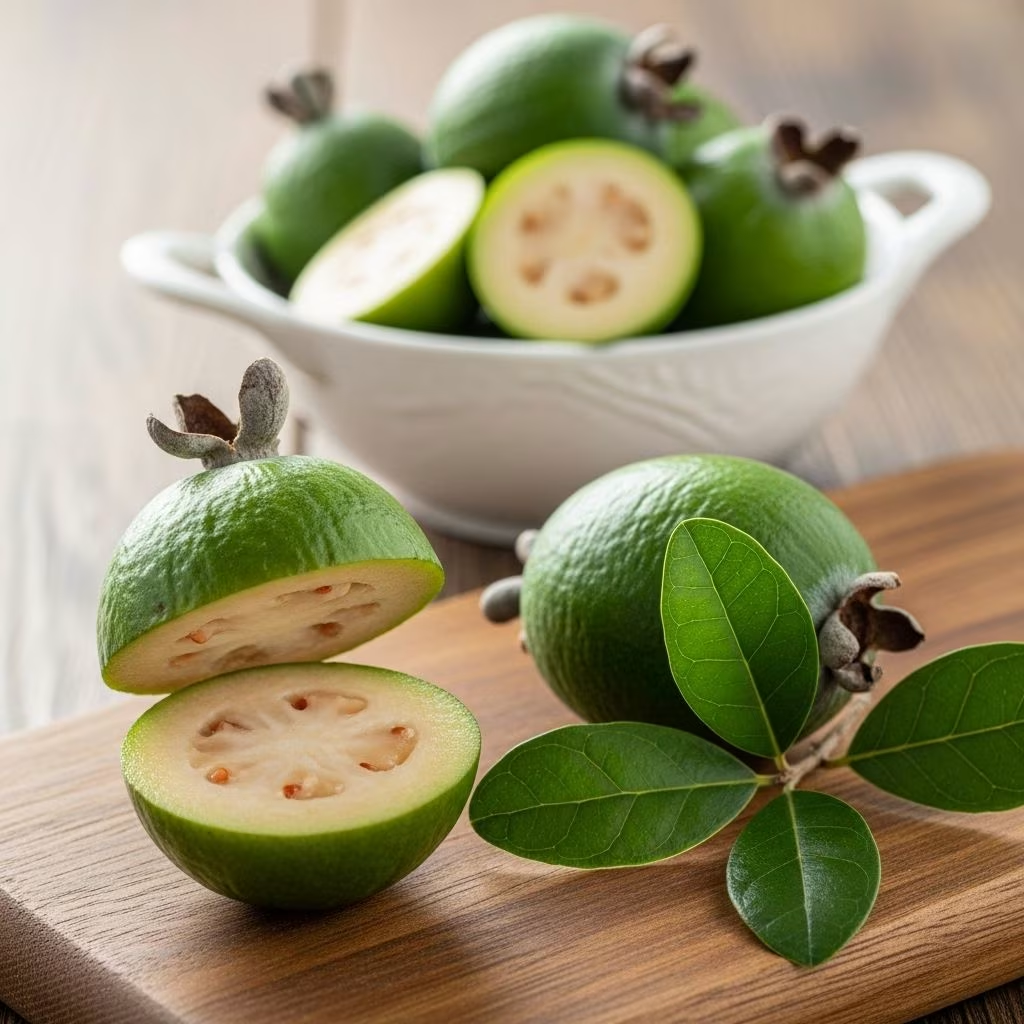
Pineapple guava, also known as Feijoa or Acca sellowiana, is a unique subtropical fruit prized for its exotic flavor, nutritional richness, and remarkable versatility in both gardens and kitchens. Though not a true guava, this evergreen shrub or small tree stands out for its attractive foliage, striking edible flowers, and Kiwi-like fruits that offer a surprising blend of tropical flavors. This comprehensive guide explores everything you need to know about pineapple guava: its origins, nutrition, health benefits, taste profile, culinary uses, and expert tips for selection, storage, and cultivation.
What Is Pineapple Guava?
Pineapple guava, commonly known as feijoa (pronounced fay-zhwah), is the fruit of the shrub or small tree Acca sellowiana, native to South America. Despite its name, it is not a true guava (Psidium genus) but belongs to the Myrtaceae family, alongside true guavas and eucalyptus. Revered for both its fruit and ornamental appeal, the pineapple guava is popular in home gardens and commercial orchards in subtropical and temperate regions worldwide.
- Also called feijoa, guavasteen, and Brazilian guava.
- Thrives as an evergreen shrub or small tree, frequently grown for its edible fruit and attractive foliage.
- Hardy, drought-tolerant, and suitable for a wide range of climates (USDA Zones 7-10).
Origin, Names, and Botanical Classification
The pineapple guava originated in the highlands of southern Brazil, northern Argentina, Paraguay, and Uruguay. It was named after João da Silva Feijó, a Portuguese botanist. Other common names include:
- Feijoa
- Guavasteen
- Brazilian guava
Botanical details:
- Genus: Acca
- Species: sellowiana
- Family: Myrtaceae
This fruit is distinguished from true guavas by its firmer texture, unique aroma, and the plant’s ornamental, edible flowers.
Physical Characteristics of Pineapple Guava Fruit & Plant
- Fruit is oval to egg-shaped, typically 4-6 centimeters long and 2-5 centimeters wide.
- Skin: Semi-thin, green or yellow-green, waxy, sometimes blushed with red-orange; edible but slightly gritty texture.
- Flesh: White, granular, thick, and watery around a central cavity containing translucent, jelly-like pulp with edible seeds.
- Seeds: Small, numerous, edible—provide crunch in fully ripe fruit.
- Plant Appearance: Shrub or small tree, up to 10–15 feet tall, with silvery green, leathery leaves and striking pink-white edible flowers.
- Edible Flowers: Red and white, sweet and crunchy, attracting pollinators like bees and birds.
Nutritional Value of Pineapple Guava
Pineapple guava offers a respectable nutritional profile and is a source of several essential nutrients.
| Nutrient | Value per 100g | Benefit |
|---|---|---|
| Vitamin C | ~32 mg | Immune support, antioxidant, skin health |
| Vitamin A | ~6 µg | Vision, organ function, immune health |
| Potassium | ~220 mg | Fluid balance, nerve and muscle function |
| Fiber | ~6 g | Digestive health, satiety, cholesterol management |
| B Vitamins (esp. Folate) | Low-moderate | Energy metabolism, fetal health |
| Calories | ~55 kcal | Low-calorie, nutrient-rich |
The fruit is also low in fat and contains additional minerals like calcium and magnesium in smaller amounts.
Health Benefits of Pineapple Guava
- Boosts Immune System: Rich in vitamin C, pineapple guava helps strengthen the immune system and reduce inflammation.
- Supports Digestion: High fiber content aids in digestive tract regulation, promotes bowel health, and may help control cholesterol levels.
- Promotes Cardiovascular Health: Potassium content contributes to healthy blood pressure regulation and overall cardiovascular health.
- Supports Vision and Skin Health: Vitamin A and antioxidants maintain healthy skin and vision.
- Hydration: Its juicy, watery flesh can help replenish body fluids.
- Low Calorie, Nutrient Dense: Suitable as a healthy snack for weight management or general wellness.
Taste Profile: What Does Pineapple Guava Taste Like?
Pineapple guava has a one-of-a-kind flavor that blends elements of multiple tropical fruits:
- Aroma: Strong, tropical scent, sometimes apparent before the fruit is fully ripe.
- Flavor: Described as sweet-tart, floral, with similarities to strawberries, pineapples, kiwis, apples, and a hint of mint.
- Texture: White flesh is semi-firm and granular, becoming softer as it ripens; edible seeds add a subtle crunch.
- Edible skin is slightly gritty and mildly bitter; some prefer to scoop out only the inner flesh.
The taste profile can vary slightly between cultivars, but most agree that ripe pineapple guava has a rich, complex flavor with sweet-tart juiciness, tropical perfume, and refreshing undertones. The flowers themselves are edible with a mild sweetness and crunch.
Culinary Uses: Eating and Cooking with Pineapple Guava
Pineapple guava is highly versatile in both raw and cooked preparations.
- Fresh Consumption:
- Eat ripe fruit by cutting in half and scooping out the flesh or eating skin and all if preferred.
- Slice into fruit salads or bowls, add to yogurt, or use as a breakfast topping.
- Combine with citrus, papaya, berries, or melon for tropical fruit medleys.
- Desserts and Sweets:
- Use in muffins, cakes, pastries, fritters, dumplings, custards, puddings, and popsicles.
- Add to sorbet, ice cream, or gelato for a tropical twist.
- Make jams, jellies, preserves, and fruit chutneys.
- Dehydrate or puree to create fruit leather.
- Savory Dishes:
- Caramelize or sauté and add to poultry, pork, or duck dishes.
- Add thin slices to salads with cheese or grains for a tangy contrast.
- Mix with aged cheddar, feta, or brie for a flavorful snack or appetizer.
- Beverages:
- Blend into smoothies or freeze into tropical ice pops.
- Muddle into cocktails or mocktails for a fruity zest.
- Infuse into sparkling water, iced tea, or syrup.
- Flowers:
- Petals can be eaten fresh, sprinkled over salads or desserts, or used as an edible garnish in drinks.
Tip: To prevent the flesh from browning after cutting, dip slices in lemon juice or a mild saltwater solution.
Pairings
- Dairy: Yogurt, soft cheeses
- Fruits: Citrus, berries, stone fruits, bananas, pears, kiwis
- Grains: Oatmeal, porridge, rice dishes
- Proteins: Pork, poultry, duck
- Baked Goods: Muffins, cakes, tarts, pastries
How to Select and Store Pineapple Guava
Fresh pineapple guava can be found in specialty markets and is increasingly popular among home growers and chefs.
- Selecting:
- Look for fruit that is firm but yields slightly to gentle pressure; ripe fruit often has a floral, tropical fragrance.
- Fully ripe fruits often drop from the tree naturally.
- Skin color does not change dramatically as it ripens; focus on texture and aroma.
- Storage:
- Ripen at room temperature if needed, then refrigerate for up to one month; consume within 3–7 days when kept outside refrigeration.
- Fruit can be peeled, sliced, and frozen for smoothies or desserts.
- Preserve as jam, jelly, or syrup for extended shelf life.
Avoid bruised or overly soft fruits, as they perish quickly. If harvesting at home, allow fruits to naturally fall for best flavor.
Growing Pineapple Guava: Garden and Landscape Tips
Pineapple guava is a favorite for home and landscape gardens due to its dual value as an edible and ornamental plant.
- Climate: Thrives in USDA zones 7-10; can tolerate brief freezing, salt spray, and drought once established.
- Growing habits: Evergreen shrub or tree, 10–15 ft tall at maturity; dense foliage makes a useful privacy hedge.
- Soil: Prefers well-drained, loamy to sandy soils, with a pH of 4.5 to 7.5.
- Sunlight: Full sun for best fruit production; tolerates partial shade.
- Maintenance: Minimal; prune to shape or control size as desired; fertilize with balanced, slow-release formula in spring and summer.
- Pollination: Some cultivars are self-fertile, but cross-pollination increases fruit yield and quality. Planting more than one variety is recommended.
- Containers: Suitable for containers in cooler climates if brought indoors during frost periods.
- Pests/Diseases: Generally resistant or rarely affected by pests and diseases.
Pineapple guava is also noted for its colorful, edible flowers that attract pollinators and wildlife and its suitability for coastal locations due to salt tolerance.
Potential Side Effects and Allergies
Pineapple guava is safe for most people to consume; allergies are rare. However, as with any fruit, over-consumption may cause digestive discomfort due to high fiber. Best consumed in moderation, especially for those sensitive to dietary fiber or with gastric conditions.
Frequently Asked Questions (FAQs)
Q: What does pineapple guava taste most like?
A: It blends sweet-tart and floral notes reminiscent of strawberries, pineapple, apple, kiwi, and a hint of mint.
Q: Can you eat pineapple guava skin?
A: Yes, the skin is edible and nutritious, though slightly gritty and sometimes mildly bitter. Many prefer to scoop out the flesh for a sweeter taste.
Q: Are pineapple guavas healthy?
A: Yes, they are rich in vitamin C, potassium, fiber, and antioxidants, supporting immune, digestive, and heart health.
Q: How do you know when pineapple guava is ripe?
A: Ripe fruit softens slightly, emits a strong fragrance, and often falls from the tree naturally. The skin color remains green.
Q: What are edible uses for pineapple guava flowers?
A: The sweet and crunchy edible petals add color and flavor to salads, desserts, and drinks, and provide a nutritious, attractive garnish.
Q: How long will pineapple guava fruit last after harvest?
A: When refrigerated, ripe fruit can last up to one month; at room temperature, consume within 3–7 days for best quality.
Q: Is pineapple guava the same as true guava?
A: No, they belong to different genera: pineapple guava is Acca sellowiana, while true guava is Psidium guajava, resulting in differences in flavor, texture, and growth requirements.
Conclusion
Pineapple guava is a hidden gem in the fruit world, celebrated by gardeners and food enthusiasts for its multi-layered flavor, superfood profile, and decorative charm. Whether enjoyed fresh, in desserts, in savory dishes, or simply as a landscape accent, feijoa offers a delicious way to enhance both diet and environment.
References
- https://specialtyproduce.com/produce/Pineapple_Guavas_9508.php
- https://onegreenworld.com/product/anatoki-pineapple-guava/
- https://www.starkbros.com/products/fruit-trees/guava-trees/pineapple-guava
- https://gardeningsolutions.ifas.ufl.edu/plants/edibles/fruits/pineapple-guava/
- https://plants.ces.ncsu.edu/plants/acca-sellowiana/
- https://www.missouribotanicalgarden.org/PlantFinder/PlantFinderDetails.aspx?taxonid=282876
- https://wanderlustnursery.com/shop/products/p/pineapple-guava
- https://landscapeplantsource.com/shop/fruit-trees-shrubs/pineapple-guava/


