


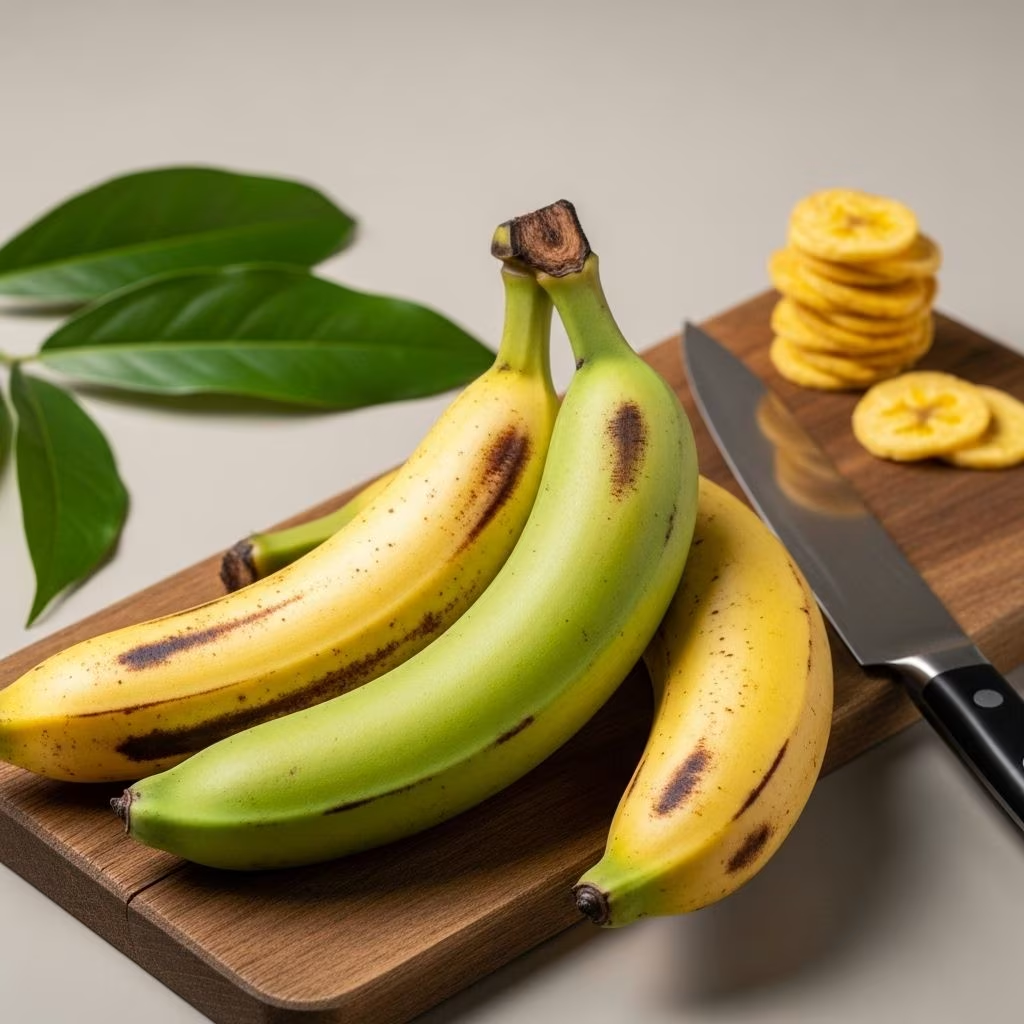
Plantains are a staple crop in many tropical regions, often called the “savoury sibling” of bananas. While visually similar to bananas, plantains have unique properties that set them apart, including a higher starch content, a more robust culinary role, and extensive nutritional and health benefits. This comprehensive guide explores everything you need to know about plantains: their botanical origins, nutritional composition, health advantages, culinary versatility, flavor transformations, and global cultural significance.
Introduction to Plantains
Plantains (genus Musa) are a major group of banana varieties that are consumed as staple foods in many tropical regions. Unlike common sweet bananas, plantains are best known for their starchy fruit, which must be cooked before eating. Throughout Africa, Latin America, the Caribbean, and parts of Asia, plantains serve as a critical source of calories and nutrients, playing a role similar to potatoes or rice in Western diets.
Plantain Botany and Morphology
- Classification: Plantains are hybrid plants, primarily results of cross-breeding Musa acuminata and Musa balbisiana, once classified as Musa paradisiaca.
- Growth: Plantains are large perennial herbs (not trees), typically reaching 3–10 meters (10–33 feet) in height. Their “trunks” are pseudostems, composed of densely layered leaf sheaths.
- Root System: They develop a fleshy, horizontal root system (rhizomatous), from which new “son” plants sprout, creating a generational lineage.
- Leaves: Broad, long, shiny on top, and dull below, leaves have distinctive round bases and sometimes large purple blotches.
- Inflorescence: A central stalk bears a large purple, teardrop-shaped flower, from which clusters of plantain fruits develop.
- Fruit: Larger and more angular than dessert bananas, with pronounced ridges. The peel is thicker and more adherent; the flesh is firmer and starchier.
Once a plantain plant produces fruit, the “mother” is harvested and cut down so “sons” can thrive in its place.
Nutritional Profile
| Nutrient | 100g (Cooked Plantain) | Benefits |
|---|---|---|
| Calories | 116 kcal | Energy source |
| Carbohydrates | 31.9g | Mainly starch providing satiety |
| Fiber | 2.3g | Supports digestion, heart health |
| Protein | 1.3g | Essential for cell structure |
| Fat | 0.1g | Very low |
| Vitamin A | 1127 IU | Vision, immune function |
| Vitamin C | 11.4mg | Antioxidant, skin health |
| Vitamin B6 | 0.29mg | Brain health, metabolism |
| Potassium | 465mg | Electrolyte balance, blood pressure |
| Magnesium | 37mg | Nerve, muscle function |
Values may vary depending on ripeness and preparation method.
- Rich source of complex carbohydrates: Provides sustained energy, especially during periods of food scarcity.
- Good content of potassium and magnesium: Contributes to healthy blood pressure and muscular function.
- Contains carotenoids and phenolic compounds: Acts as antioxidants with potential protective effects.
- Low in fat and moderate in protein
Health Benefits of Plantain
- Digestive Health: With significant amounts of resistant starch and dietary fiber, plantains foster gut health, regular bowel movements, and can help manage blood sugar fluctuations.
- Immune System Support: The presence of vitamin C and vitamin A aids the body’s defense mechanisms against infection and oxidative damage.
- Heart Health: High potassium and fiber content support optimal blood pressure and cholesterol levels.
- Weight Management: The low fat, fiber-rich profile promotes satiety and reduces overeating.
- Antioxidant Properties: Carotenoids combat harmful free radicals, potentially lowering the risk of chronic disease.
- Gluten-Free Option: Plantain flour serves as a nutritious, gluten-free alternative for baking and thickening.
Culinary Uses Across the World
Plantains serve as a culinary staple in West Africa, the Caribbean, Central and South America, parts of Southeast Asia, and increasingly worldwide in health-conscious kitchens. They are versatile at every stage of ripeness and in numerous preparations:
- Boiled or Steamed: Green plantains are cooked and served much like potatoes.
- Fried: Sliced green or ripe plantains are deep-fried for dishes like African dodo, Caribbean maduros, and Latin American tostones/patacones.
- Grilled or Roasted: Whole plantains are roasted on open flames or oven-baked until sweet and caramelized.
- Mashed: Cooked plantains are pounded into fufu or mofongo.
- Soups & Stews: Seedless, starchy plantain chunks add body to one-pot meals.
- Baked Goods: Plantain flour forms the base of breads, cakes, and pancakes suitable for gluten-free diets.
Beyond direct consumption, dried plantain chips and plantain flour represent important processed forms for both local use and export.
Taste Profile: Green to Ripe
The flavor of plantain evolves dramatically during the ripening process, changing both texture and culinary application:
| Stage | Appearance | Taste & Texture | Common Uses |
|---|---|---|---|
| Green | Firm, thick skin, solid green color | Very starchy, little to no sweetness, potato-like | Fried (tostones), boiled, chips, stews |
| Yellow (Ripe) | Softer, yellow with dark spots | Mildly sweet, less starchy, softening | Fried (maduros), grilled, stews, baked |
| Black (Very Ripe) | Soft, mostly black skin | Sweet, pronounced banana aroma, creamy | Desserts, caramelized in dishes, cake, sweet porridge |
Unlike dessert bananas, even black plantains need to be cooked, as their remaining starch maintains a firm texture until thoroughly prepared.
Varieties of Plantains
Plantain varieties are broadly divided into two main groups:
- French Plantains: Characterized by compact bunches; found in West and Central Africa, parts of Asia.
- Horn Plantains: Have fewer, larger fingers; common in East and Central Africa.
Further distinctions are based on pseudostem color, fruit curvature, peel color of immature fruit, presence of the male bud, and bunch structure. Within these groups, local varieties are adapted to particular growing conditions and culinary traditions.
How to Select and Store Plantains
- Buying Tips: Choose plantains according to color for your intended use—green for savory, firm preparations; yellow to black for sweet, soft textures.
- Ripening: Plantains continue ripening after harvest. Store at room temperature for gradual ripening, or speed up the process by placing in a paper bag.
- Storage: Green plantains store well at room temperature for up to a week; ripe plantains should be used quickly or refrigerated for up to two weeks.
- Preparation: Peel is tougher than bananas; using a knife to slit the skin helps with removal, especially for green plantains.
Frequently Asked Questions (FAQs)
Q: Are plantains and bananas the same?
A: Plantains are a distinct subgroup of the banana family (genus Musa). While similar in appearance, plantains are typically starchier, larger, and must be cooked before eating, unlike the sweet banana eaten raw.
Q: What are the main health benefits of eating plantains?
A: Plantains are a great source of dietary fiber, potassium, vitamin C, and vitamin A. They support digestive health, heart health, and provide long-lasting energy.
Q: Can plantains be eaten raw?
A: No, plantains must be cooked to be palatable and digestible due to their high starch content, even when fully ripe.
Q: How do you cook plantains?
A: Depending on ripeness, plantains can be boiled, fried, roasted, baked, mashed, or made into chips, flours, and porridges. Cooking brings out their sweet or savory qualities.
Q: Are plantains gluten-free?
A: Yes, plantains are naturally gluten-free. Plantain flour is a popular alternative in gluten-free baking.
Q: What is the difference between green and ripe plantains?
A: Green plantains are firm, starchy, and savory, while ripe plantains (yellow to black) are softer and sweeter. The greenest ones are used like potatoes, and the ripe ones are ideal for sweet applications.
Conclusion
Plantains are a fascinating and valuable food—botanically diverse, nutritionally dense, and culturally significant across multiple continents. From starchy green slices perfect for chips and savory sides to the caramelized elegance of blackened plantains in desserts, their versatility is unmatched. Embracing plantains can add new flavor, texture, and nutrition to your meals, reinforcing their vital place in global cuisine and health.
References
- https://www.promusa.org/Plantain+subgroup
- https://www.britannica.com/plant/plantain
- https://artisantropic.com/blogs/blog/everything-you-need-to-know-about-plantains
- https://www.forksoverknives.com/how-tos/guide-to-cooking-plantains-roasting-air-frying/
- https://www.kew.org/plants/plantain
- https://www.healthline.com/health/food-nutrition/plantain-nutrition-benefits
- https://www.tastingtable.com/1597073/what-are-plantains-facts/
- https://en.wikipedia.org/wiki/Musa_%C3%97_paradisiaca


