


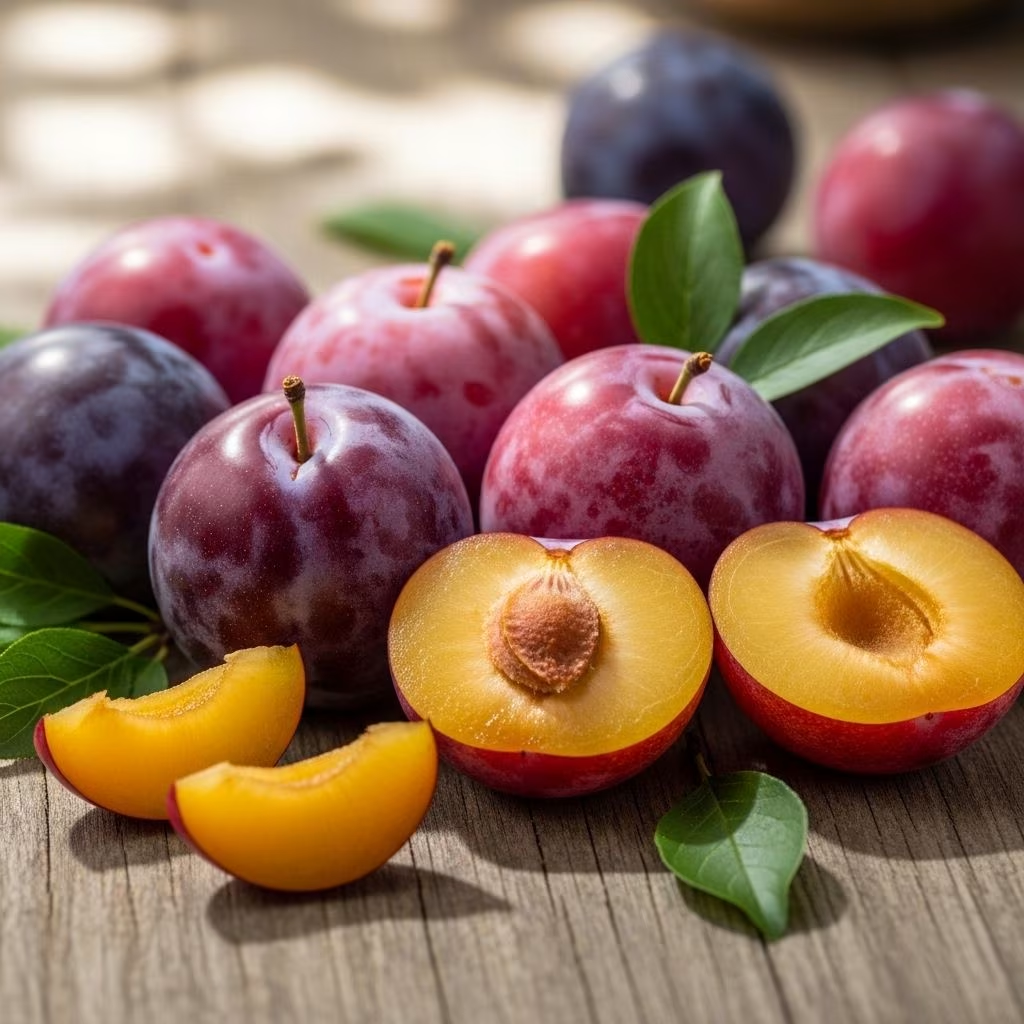
Plums are among the most cherished stone fruits worldwide, celebrated for their sweet-tart flavor, vibrant colors, and extensive culinary flexibility. Belonging to the genus Prunus, plums have been cultivated since antiquity and offer a wealth of nutritional and health benefits. This guide unpacks everything you need to know about plums—varieties, nutritional profile, health advantages, uses in the kitchen, taste profiles, how to harvest and store them, and answers to common questions.
Introduction to Plums
Plums are the edible fruits of several species in the Prunus genus, closely related to peaches, cherries, and apricots. This stone fruit is characterized by its juicy flesh, thin skin, and a central pit or stone. Plums can be consumed fresh, dried, or used in cooking and baking. Their wide range of colors, flavors, and structures make them popular in markets across the globe.
Apart from their delicious taste, plums are also valued for their ornamental beauty. Plum trees boast lovely springtime blossoms and vary in size and foliage coloration, making them a favorite in both edible gardens and ornamental landscapes.
Origin and Varieties of Plums
The cultivation of plums dates back thousands of years, with wild species native to Europe, Asia, and America. Over time, selective breeding has yielded hundreds of cultivated varieties. The three main types of plums grown for fruit are:
- European Plums (Prunus domestica): Native to Europe and western Asia, these are adaptable to temperate climates. Typically firm and sweet, they are used for eating, baking, and drying (e.g., prunes). Popular cultivars include ‘Stanley’ and ‘Bruce’.
- Japanese Plums (Prunus salicina): Originally from China and popularized in Japan, these plums are larger, juicier, and available in shades from yellow and red to purple. Famous for their sweetness and used mainly fresh or in desserts; cultivars include ‘Methley’, ‘Shiro’, and ‘Elephant Heart’.
- Native American Plums (Prunus americana): Found wild in North America, these produce smaller, sometimes tart fruit that is used for jellies, preserves, or eating fresh.
Additionally, ornamental plum trees like Prunus cerasifera are grown for their decorative blossoms and foliage, though their small fruits are generally not consumed.
| Type | Best Climate | Main Characteristics | Common Uses |
|---|---|---|---|
| European | Temperate | Firm, sweet, oval shape | Fresh, dried (prunes), baking |
| Japanese | Warmer, mild regions | Juicy, soft flesh, varied colors | Fresh, desserts, canning |
| American | Wide range | Small, tart to sweet | Jellies, preserves, fresh |
Nutritional Value of Plums
Plums are nutrient-dense yet low in calories, making them a smart choice for healthy eating. An average medium-size raw plum (about 66 grams) contains:
- Calories: 30
- Carbohydrates: 7.5g
- Fiber: 1g
- Protein: 0.5g
- Vitamin C: 10% of the Daily Value (DV)
- Vitamin K: 5% of the DV
- Vitamin A, B2 (riboflavin), potassium, and magnesium (in smaller amounts)
Plums are especially rich in antioxidants, including polyphenols and anthocyanins, which give them their vivid color and work to help reduce oxidative stress in the body.
Health Benefits of Plums
Beyond their delicious taste, plums provide a variety of health benefits thanks to their diverse nutrient and phytochemical content:
- Digestive Health: Plums, and especially their dried form (prunes), are high in dietary fiber and sorbitol, a natural sugar alcohol that acts as a mild laxative, supporting regularity.
- Immune Support: With significant vitamin C and phytonutrients, plums help bolster the immune system and may reduce the risk of seasonal infections.
- Heart Health: Regular consumption of plums may help maintain healthy blood pressure and cholesterol levels due to their potassium and antioxidant content.
- Bone Protection: Some research suggests that nutrients and phytonutrients in plums and prunes can help slow bone loss, supporting skeletal health.
- Blood Sugar Control: Despite being sweet, fresh plums have a low glycemic index and their fiber slows the absorption of sugar, making them suitable for most balanced diets.
Because fresh plums are low in calories and fat, they can also fit easily into weight management and heart-healthy eating plans.
Culinary Uses of Plums
Plums are highly versatile and can be enjoyed in a host of sweet and savory dishes, both raw and cooked. Popular uses include:
- Fresh Out of Hand: Eaten raw as a snack, plums offer a refreshing and juicy treat.
- Baking and Desserts: Perfect for pies, crumbles, cakes, and tarts; plums break down into a jammy filling when baked. They are also used in cobblers and fruit compotes.
- Jams and Preserves: Homemade plum jams, jellies, and chutneys capture the season’s flavors. Plums pair especially well with spices or combined with other fruits.
- Drying: European plums are frequently dried to make prunes—naturally sweet, fiber-rich snacks or baking additions.
- Cooking: Plums can be simmered into sauces for grilled meats, especially pork and duck, balancing savory dishes with acidity and sweetness.
Sample Recipe: Simple Homemade Plum Jam
- 4 cups ripe plums (pitted, chopped)
- 2 cups sugar
- 1 tablespoon lemon juice
Combine ingredients in a saucepan, heat until sugar dissolves, then simmer for 20–30 minutes, stirring until thickened. Pour into sterilized jars and seal. Enjoy on toast, with cheese, or as a dessert topping.
Taste and Flavor Profiles
The taste of plums varies significantly among varieties and growing conditions, but all share a signature combination of sweetness and tartness.
- European Plums: Generally sweeter and firmer, often with deep, rich flavors. These are classics for fresh eating and drying.
- Japanese Plums: Exceptionally juicy and succulent, sometimes candy-like, ranging from mildly tart to intensely sweet. Their flesh can be yellow, red, or amber.
- American/North American Plums: Tend to be smaller and sometimes more tart, favored for preserves and distinctly fruity jellies.
Ripe plums should have a fragrant aroma and yield slightly to gentle pressure without being mushy. Their skins can be smooth or slightly fuzzy, sometimes providing a bit of sourness that balances the sweet flesh.
How to Choose, Harvest, and Store Plums
Picking Plums
- Look for plums that feel heavy, are firm but yield slightly at the blossom end, and have a vibrant color for their type.
- Plums don’t continue to ripen significantly after picking but will soften somewhat. For best flavor, allow them to ripen fully on the tree when possible.
- A fragrant aroma is a great sign of ripeness.
Harvesting Tips
- Harvest in the cooler morning hours to preserve freshness and prevent bruising.
- Use clean hands or sterilized shears, and handle gently. Place in shallow containers for storage and transport.
Storage Tips
- Keep slightly underripe plums at room temperature for a day or two to soften.
- For longer storage, refrigerate ripe plums in a breathable container. Use within a week for best quality.
- Plums can be frozen (sliced and pitted) for year-round use or dried to make prunes.
Growing Plums in the Home Garden
Plum trees are admired not just for their fruit but for their splendid blossoms and attractive foliage, making them excellent additions to gardens and landscapes. Here are essentials for cultivation:
- Choose a site with full sun and good air circulation.
- Plant in well-drained soil; most varieties prefer slightly acidic to neutral pH.
- Water regularly during dry periods, especially when fruit is developing. Avoid soggy soil, as roots are prone to rot.
- Minimal pruning is needed early on. Remove damaged or crossing branches to maintain shape and health.
- Some plums require cross-pollination; check if your variety needs a partner tree nearby.
Properly cared for, plum trees reward the gardener with beautiful spring shows and decades of reliable harvests.
Frequently Asked Questions (FAQs)
Q: Are plums and prunes the same thing?
A: Prunes are dried European plums, specifically varieties that are high in sugar and can be dried whole without fermenting.
Q: Can you eat the peel of a plum?
A: Yes, plum skin is edible and nutritious, though it can be a bit tart. For delicate desserts or jams, skins may be removed for a smoother texture.
Q: When are plums in season?
A: Plum season runs generally from May to October, depending on the variety and local climate.
Q: Are plums safe for people with diabetes?
A: Fresh plums have a relatively low glycemic index and can be part of a balanced diet for most people with diabetes, but portion control is key as with all fruits.
Q: What is the best way to ripen plums at home?
A: To ripen, place plums in a paper bag at room temperature. Adding a banana or apple will hasten ripening due to ethylene gas emissions.
Conclusion
Plums offer a delightful harmony of taste, nutrition, and culinary creativity, making them a favorite in both home orchards and kitchens. With their vivid flavors, health-promoting nutrients, and global appeal, plums earn their place as a staple stone fruit across cultures and cuisines.
References
- https://www.groworganic.com/blogs/articles/harvesting-and-using-plums-a-complete-guide
- https://plantdetectives.com/pages/the-plum-tree-guide
- https://ediblelandscaping.com/pages/plum-care-guide
- https://www.harryanddavid.com/articles/food-drink/guide-to-plums
- https://thegreenurbanlunchbox.com/plum-fruit-guide/
- https://californiagrown.org/blog/pluot/
- https://thefarmbetween.com/planting-guides-and-resources/plum
- https://snaped.fns.usda.gov/resources/nutrition-education-materials/seasonal-produce-guide/plums
- https://www.frankpmatthews.com/advice/plumcot-pluots-and-aprium-hybrid-fruit-a-comprehensive-guide/
- https://extension.unh.edu/resource/growing-fruits-growing-plums-cherries-and-apricots-nh-home-orchards-fact-sheet


