


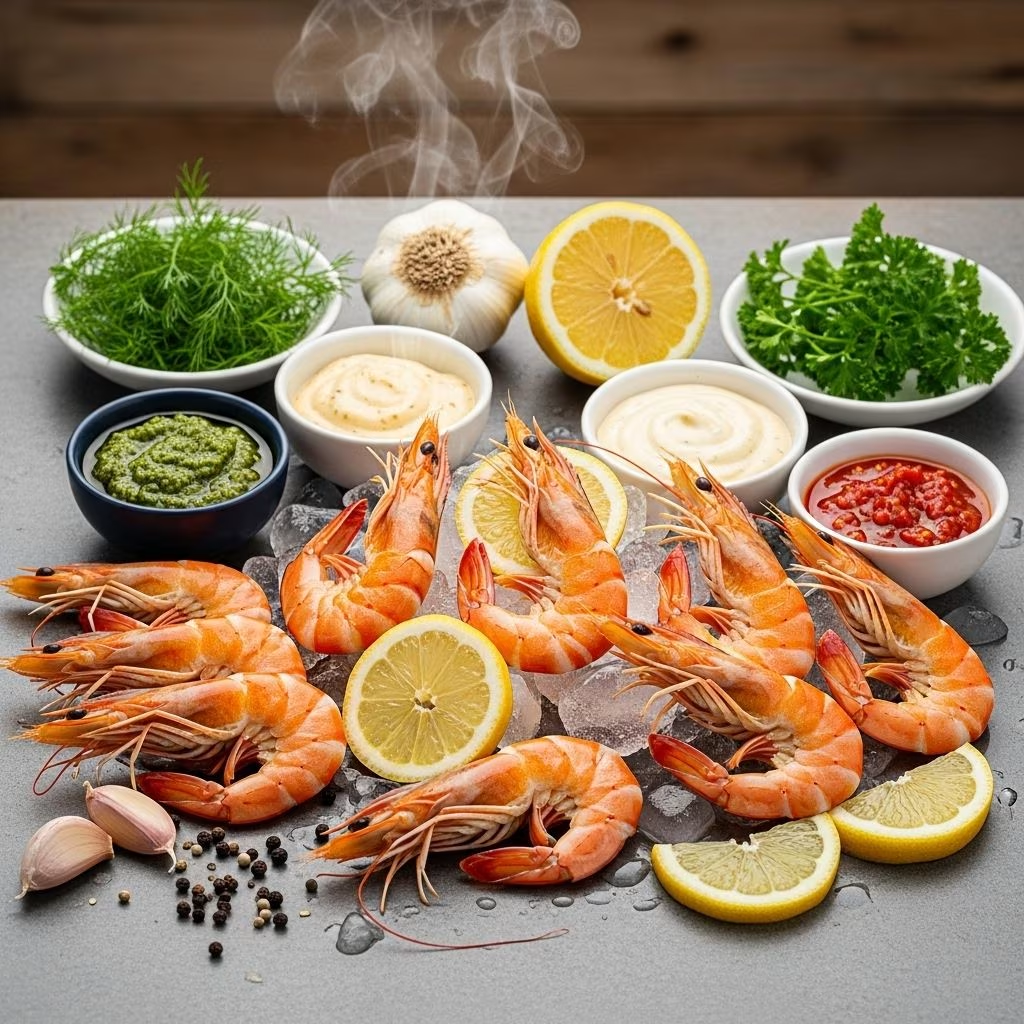
Prawns are among the world’s most widely consumed seafood, prized for their delicate flavor, firm texture, and impressive versatility in global cuisines. This comprehensive guide explores what prawns are, their biological and culinary distinctions, nutritional benefits, how to use and cook them, and what makes their taste so distinctive.
Introduction to Prawns
Prawns are small to large aquatic crustaceans with a segmented body, exoskeleton, and ten legs. Belonging to the order Decapoda, prawns inhabit both freshwater and saltwater environments, and are noted for their culinary versatility and subtle, slightly sweet flavor. Their popularity spans from Asian street food to elegant European and American dishes.
The scientific distinction places most prawns in the suborder Dendrobranchiata, with common species such as Macrobrachium rosenbergii (giant river prawn) and Palaemon species (common prawn) being especially significant for aquaculture and cuisine.
Types and Species of Prawns
Prawns are a diverse group, represented by over 200 subspecies worldwide. Some of the most widely known and consumed include:
- Giant River Prawn (Macrobrachium rosenbergii): Found across Indo-Pacific regions, often in freshwater environments.
- Tiger Prawn (Penaeus monodon): One of the world’s largest prawn species, known for bold striping and meaty texture.
- King Prawn: Popular in the UK and Australia, highly valued for size and succulence.
- Palaemon/Common Prawn: Inhabit rivers and streams of South Asia, notably Pakistan, India, and Bangladesh.
- Caramote Prawn (Melicertus kerathurus): Native to the Mediterranean and eastern Atlantic, favored in Mediterranean cuisine.
- Indian Prawn (Fenneropenaeus indicus): Key to the prawn industry in Asia, known for versatility in cooking.
Physical Characteristics
Prawns typically display colors ranging from black, pink, white to grey. Many exhibit color changes depending on habitat or time of capture. Fully grown common prawns usually reach 6–8 inches, with a slender, cylindrical, and sometimes slightly compressed body.
Lifespan and Reproduction
- Prawns generally live 1–2 years in the wild, with some large species surviving up to 3 years.
- Females are prolific, releasing hundreds of thousands of eggs at once, which float until hatching, especially in saltwater species.
- Life cycle stages: Egg → Larva → Juvenile → Adult.
Shrimp vs. Prawn: Key Differences
Though often used interchangeably in markets and restaurants, shrimp and prawn are distinct both biologically and in terms of culinary uses.
| Feature | Prawn | Shrimp |
|---|---|---|
| Suborder | Dendrobranchiata | Pleocyemata |
| Body Shape | Usually straight, more slender | Slightly curved |
| Habitat | Mostly freshwater, river mouths | Mostly saltwater |
| Legs | 3 pairs with claws, longer legs | 1 pair with claws, shorter legs |
| Egg Carrying | Eggs released into water | Eggs carried beneath body |
The distinction can blur, as naming conventions differ regionally. In Europe and Asia, the term “prawn” is more prevalent, while “shrimp” dominates in North America.
Nutritional Value and Health Benefits
Prawns offer impressive nutritional benefits, making them a valuable inclusion in a balanced diet. Here are the major nutritional highlights:
- High-Quality Protein: Prawns are an excellent source of lean protein, containing all essential amino acids. A standard 100g serving provides about 19g of protein.
- Low in Calories and Fat: Prawns are low-calorie and almost fat-free, making them suitable for weight management diets.
- Rich in Vitamins and Minerals:
- Vitamin B12: Supports nerve health and energy metabolism.
- Selenium: Potent antioxidant that protects against cell damage.
- Iron, Zinc, Copper: Important for immunological and metabolic function.
- Phosphorus and Magnesium: Essential for bone health.
- Omega-3 Fatty Acids: Prawns provide beneficial EPA and DHA omega-3s that contribute to heart and brain health.
- Astaxanthin: This natural pigment (responsible for pink color) is a powerful antioxidant with anti-inflammatory potential.
Key Health Benefits
- Supports Heart Health: High omega-3 content may help reduce the risk of heart disease.
- Promotes Brain Function: Essential fatty acids and B12 are linked to improved cognitive health.
- Aids Weight Management: Low in calories, high in protein, and satisfying, so helpful for those watching calorie intake.
- Boosts Immunity: Rich in minerals that support the immune response.
- May Support Healthy Aging: Antioxidants like astaxanthin combat free radical damage.
Allergens and Considerations
As with all shellfish, prawns are a common allergen, potentially causing severe reactions in sensitive individuals. Always exercise caution with new foods if you have a history of shellfish allergies.
Culinary Uses and Preparation Methods
Prawns are renowned for their versatility, used in an enormous array of dishes, from spicy curries to fresh salads, grilled skewers to sushi:
- Stir-fried: Quick-cooking preserves their tenderness (a mainstay in Asian cuisine).
- Grilled or Broiled: Enhances sweetness and provides a lightly smoky flavor.
- Boiled or Steamed: Common for salads, cocktails, and chilled dishes.
- Curry and Stews: Soaks up aromatic spices for intense flavor.
- Fried: Whether tempura, battered, or deep-fried as scampi, prawns deliver a rewarding crunch.
- Sushi and Sashimi: Raw prawns (amaebi) are delicacies in Japanese cuisine.
Major World Cuisines Featuring Prawns
- Southeast Asia: Prawn curries, satays, and fried rice feature in Indonesian, Thai, and Malaysian menus.
- India: Use in rich masala gravies, coconut-based curries, and biryani.
- Europe: Shrimp cocktail and garlic prawns are classic; Mediterranean stews rely on caramote and king prawns.
- Australia: Grilled king and tiger prawns are a festive seafood staple.
- Latin America: Ceviche often includes raw or lightly poached prawns marinated in citrus.
Cooking Tips
- Do not overcook: Prawns cook quickly and will become tough and rubbery if left too long.
- For best texture: Once they turn pink and opaque, remove from heat immediately.
- Peel and devein: Removing the vein enhances appearance and taste, though it is not always necessary for very small varieties.
Prawn Taste Profile and Texture
Prawns are prized for their subtle sweetness, delicate ocean flavor, and slightly briny undertones. They differ from shrimp by having a firmer, meatier texture and sometimes a more layered flavor profile.
- Raw prawns: Translucent and slightly sweet, with a clean aroma.
- Cooked prawns: Firm yet succulent, with flavors similar to lobster or crab, but more delicate and less sweet.
- Size and Species Influence: Larger prawns (e.g., tiger or king) are often juicier and richer than smaller types.
The flesh readily absorbs spices and sauces, making prawns popular across a variety of flavor profiles, from garlicky Mediterranean to fiery Asian curries.
Buying, Selecting, and Storing Prawns
Freshness is vital to enjoying prawns at their best. Here are some guidelines for selecting, buying, and storing prawns:
- Appearance: Shells should be glossy, moist, and free from dark spots or strong odors.
- Texture: Flesh should be firm and springy, not mushy or slimy.
- Buying Tips: When possible, buy fresh (never frozen) and whole prawns. If buying peeled or cooked, ensure no off-odors.
- Short-Term Storage: Keep in the coldest part of the refrigerator and cook within 24 hours.
- Long-Term Storage: Freeze peeled or cooked prawns in airtight packaging for up to 3 months.
Sustainability and Environmental Considerations
Sustainable prawn farming and fishing are essential due to concerns about overfishing, habitat damage, and labor practices. When shopping:
- Prefer certified sustainable prawns, such as those labeled by the Marine Stewardship Council (MSC) or Aquaculture Stewardship Council (ASC).
- Avoid wild-caught prawns from overexploited regions unless sustainably certified.
- Consider local or farmed options that follow responsible environmental management.
Frequently Asked Questions (FAQs)
Q: Are prawns and shrimp the same?
No. While often used interchangeably, prawns and shrimp are separate species with anatomical differences, especially in legs, claws, and reproductive biology.
Q: Are prawns healthy to eat?
Yes. Prawns are high in protein, low in calories and fat, and rich in nutrients like vitamins B12 and E, selenium, and omega-3 fatty acids. People with shellfish allergies should not consume prawns.
Q: How do I cook prawns for best flavor?
Prawns cook very quickly—usually 2–4 minutes total, depending on size. For best flavor and texture, sauté, grill, steam, or boil until just opaque and pink; avoid overcooking to prevent rubberiness.
Q: Can prawns be eaten raw?
Certain species of prawns are eaten raw in sushi (amaebi). Only use prawns labeled as “sashimi grade” and follow strict food safety standards for raw consumption.
Q: What is the best way to store prawns?
Store fresh prawns in the refrigerator and cook the same day. For longer storage, freeze peeled or cooked prawns, tightly sealed, for up to three months.
Conclusion
Prawns are a global culinary delight, valued for their mild sweetness, robust nutrition, and ability to absorb flavors from every cuisine. Whether enjoyed as the star of a seafood feast, stirred through a spicy curry, or tossed in a healthy salad, prawns offer a delicious and nutritious addition to any meal. Choosing fresh, sustainably harvested prawns ensures quality and environmental awareness in every bite.
References
- https://www.vedantu.com/animal/prawn
- https://a-z-animals.com/animals/prawn/
- https://www.vitalchoice.com/articles/food-facts/difference-between-shrimp-and-prawns
- https://en.wikipedia.org/wiki/Prawn
- https://www.britannica.com/animal/prawn
- https://www.merriam-webster.com/dictionary/prawn
- https://www.thefishsociety.co.uk/blogs/fishopedia/prawn


