


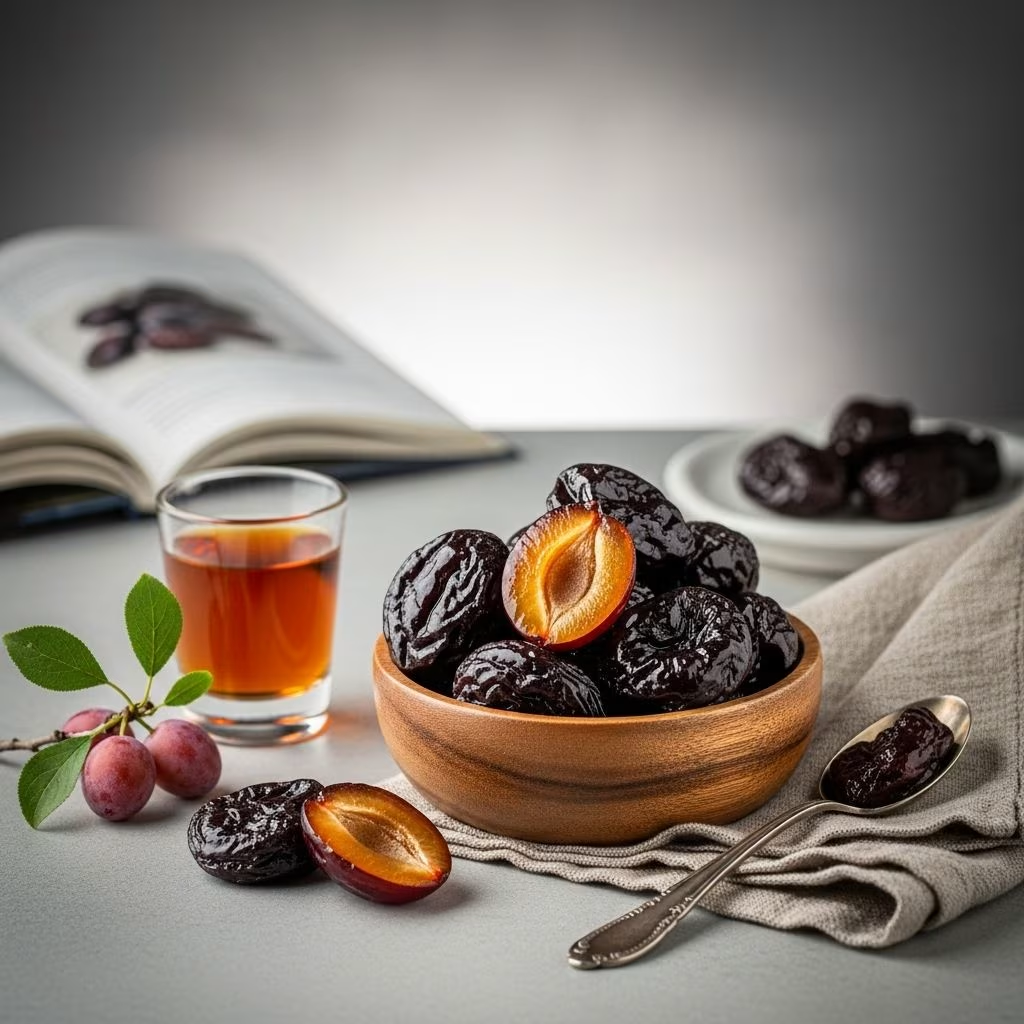
Prunes, commonly recognized as wrinkled, dark dried fruits, have long maintained a notable presence in global cuisines and traditional medicine. But what are prunes exactly, what makes them nutritionally special, and why do they remain a preferred dietary staple for digestive health, culinary creativity, and beyond? This in-depth guide explores every facet of prunes—from their agricultural roots to their scientifically validated benefits, popular uses, and unique sensory experience.
What Are Prunes?
A prune is a dried plum, specifically derived from select varieties of plums cultivated to dry without fermenting. Not every plum can become a prune; traditionally, the French or d’Agen plum (Prunus domestica) is used due to its high sugar content and large size, which facilitate effective dehydration and a sweet, pleasant flavor profile.
The definition of prune, according to established dictionaries, is “a plum dried or capable of drying without fermentation”. Once dried, prunes take on a chewy, dense texture and a deep, rich flavor, differentiating them from fresh plums in both taste and uses.
Brief History and Global Production
Evidence of prune cultivation and drying dates back centuries, with a significant historical presence in European and Near Eastern food cultures. Today, the majority of the world’s prunes are produced in California, USA, where the specific cultivar and ideal growing conditions support high-quality yields. California alone hosts over 40,000 acres of prune orchards, primarily in the Sacramento and San Joaquin Valleys, making it the world’s largest prune producer.
How Are Prunes Produced?
Prune production is a careful agricultural and technological process designed to preserve the fruit’s natural sweetness and nutrient density.
- Harvesting: Plums intended for drying are allowed to fully ripen on the tree, maximizing sugar content while maintaining firmness. Harvest typically occurs from mid-to-late summer.
- Drying: After mechanical harvesting, plums are washed and spread on trays. Controlled dehydration processes, often in climate-controlled tunnels, ensure thorough drying without fermentation or spoilage.
- Packing: Once properly dried, prunes are sorted, rehydrated slightly for palatability, sterilized, and finally packed to order. This preserves freshness until prunes reach the consumer.
Distinctive sustainability efforts in pruning practices, water use (like drip irrigation), and soil management contribute to the high quality and reliability of California prunes.
Nutritional Profile of Prunes
Prunes are celebrated for their dense nutritional value relative to their size. Here’s a summary of key nutrients in a typical single serving (40 grams, approximately 4-5 prunes):
| Nutrient | Amount (per 40g serving) |
|---|---|
| Calories | 91 |
| Total Carbohydrates | 24g |
| Dietary Fiber | 2.4g |
| Natural Sugars | 14.7g |
| Potassium | 293mg |
| Vitamin K | 25.8 mcg (22% DV) |
| Copper | 0.12mg |
| Magnesium | 15.6mg |
| Sodium | 0mg |
| Protein | 0.9g |
| Fat | 0.13g |
Additionally, prunes contain small but meaningful amounts of vitamins A and B6, manganese, boron, and various plant phenolic compounds acting as antioxidants.
Main Functional Nutrients in Prunes
- Soluble and Insoluble Fiber: Supports digestive regularity, satiety, and cholesterol management.
- Vitamin K: Essential for blood clotting and bone health.
- Potassium & Magnesium: Help regulate heart function, blood pressure, and nerve signaling.
- Phenolic Compounds (Antioxidants): Scavenge free radicals and may help reduce chronic disease risk factors.
Health Benefits of Prunes
Scientific research has substantiated numerous health-promoting properties of prunes, making them a bona fide “functional food”. Here’s a look at the main evidence-based benefits:
Supports Digestive Health
- Naturally Relieves Constipation: Prunes have long been recommended for digestive wellness owing to their dietary fiber and natural sorbitol content, a sugar alcohol that draws moisture into the colon and eases bowel movements.
- Gut Microbiome Support: The soluble and insoluble fibers nourish beneficial gut bacteria, potentially promoting a healthier and more resilient microbiome.
Blood Sugar Stability
- Low Glycemic Index: Despite containing natural sugars, prunes have a moderate glycemic load; their fiber slows glucose absorption, preventing rapid spikes in blood sugar.
- May Benefit Those with Diabetes: Controlled portions of prunes can be included in diabetic meal plans for their nutrient and energy density.
Cardiovascular Protection
- Cholesterol Management: Soluble fibers in prunes help lower LDL (“bad”) cholesterol, while potassium and magnesium support overall heart health.
- Antioxidants: Phenolic compounds in prunes act as antioxidants, reducing oxidative stress associated with heart disease. Regular prune intake has been linked with improved cardiovascular risk markers.
Bone Health and Strength
- May Prevent Bone Loss: Research suggests prunes’ combination of vitamin K, potassium, boron, and polyphenols may reduce bone demineralization, with some studies linking regular prune intake to maintained or even improved bone mineral density, especially in postmenopausal women.
Contribution to General Wellness
- Satiety and Weight Management: The fiber and density of prunes make them a satisfying snack that may help manage hunger and reduce overeating.
- Immunity: The presence of antioxidants, vitamins, and minerals may provide subtle but broad-based support for immune function.
Culinary Uses of Prunes
Beyond their health advantages, prunes boast remarkable culinary versatility. Their deep sweetness and chewy texture let them star as a snack and an adaptable ingredient in both sweet and savory dishes.
- As a Snack: Eaten whole as a standalone snack or paired with nuts and cheeses for a filling, portable option.
- Baking: Prunes impart natural moistness and sweetness to muffins, breads, cakes, brownies, and cookies—sometimes used as a substitute for fats/oils or to reduce added sugars.
- Cooking: Featured in classic stews, tagines, compotes, and sauces, notably in Mediterranean and Middle Eastern cuisines. They add depth and gentle sweetness to meats (especially pork and lamb) or are stewed for a fruity topping.
- Salads and Breakfasts: Sliced or chopped on oatmeal, yogurt, granola, or green salads.
- Purees: Used to thicken smoothies, dressings, and as a “secret ingredient” in homemade energy bars.
Because prunes retain moisture well, they enhance the texture and shelf life of baked goods without overpowering the flavor profile, making them a baker’s favorite.
Taste and Texture of Prunes
Prunes deliver a distinctive taste—richly sweet with a mild tang and subtle caramel, honey, and earthy notes. Their flavor is often described as deeper and more concentrated than that of fresh plums, thanks to drying and the concentration of natural sugars and acids during dehydration.
The texture is chewy, densely moist, and supple, making prunes both satisfying to bite and easy to incorporate into recipes requiring gentle cooking or blending. Because of their stickiness and pliability, prunes are also popular in raw recipes and energy snacks.
Flavor Pairings
- Cheese (goat cheese, blue cheese, cheddar)
- Nuts (walnuts, almonds, pecans)
- Meats (pork, chicken, lamb)
- Chocolate and coffee
- Citrus fruits and apples
- Spices (cinnamon, cardamom, allspice)
How to Buy, Store, and Prepare Prunes
Choosing Prunes
- Select prunes that are shiny, moist, and plump, with consistent coloration and minimal crystals or white patches (which can indicate sugar bloom).
- Avoid overly dry or hard prunes, which may signal age or poor storage.
- Organic and unsweetened options are widely available for those seeking less processed choices.
Storage
- Store prunes in an airtight container away from heat and sunlight.
- They keep best in a cool pantry for up to six months or in the refrigerator for up to a year.
- Refrigeration extends freshness, particularly if prunes have been opened.
Preparation Tips
- Prunes can be eaten directly, sliced, chopped, or pureed as recipes require.
- Soaking prunes in warm water for 15-30 minutes softens them further, useful for blending or baking.
- Remove pits in varieties that are not pre-pitted before consuming or using in recipes.
Substitutes
When substitutes for prunes are needed, dried apricots, dates, or figs can often serve as alternatives—though flavors differ, prunes’ blend of sweetness, acidity, and texture is unique.
Potential Side Effects and Considerations
- Digestive Reactions: Overconsumption (especially above 8-10 prunes daily) may trigger bloating, gas, or diarrhea due to high fiber and natural sorbitol content.
- Caloric Density: While healthful, prunes are calorie- and sugar-dense. Moderation is advised, especially for those monitoring calorie or carbohydrate intake.
- Allergies: Though rare, some individuals may be sensitive to dried fruits or added sulfites (used in some mass production), so check labels if at risk.
As with any food, moderation is key. Prunes are generally regarded as safe and highly beneficial for the vast majority of people.
Frequently Asked Questions (FAQs)
Q: Are prunes and dried plums the same thing?
A: Yes. All prunes are dried plums, though only particular varieties of plums are suitable for drying into prunes.
Q: How many prunes should I eat per day for health benefits?
A: For regular bowel health and bone benefits, most studies examine a range of 4-6 prunes daily for adults, but individual needs vary. Start small, especially if not accustomed to high-fiber foods.
Q: Do prunes help with constipation?
A: Yes, prunes are one of the most effective natural remedies for constipation, owing to their fiber and sorbitol content.
Q: Are prunes safe for diabetics?
A: Prunes can be included in a diabetes-friendly diet in moderation, as their fiber content helps slow sugar absorption. Consult a dietitian for individualized advice.
Q: Can children eat prunes?
A: Yes, prunes can be introduced as part of a balanced diet for children (monitoring portion size). Prune puree is sometimes recommended as a mild laxative in baby and toddler diets, always under a pediatrician’s guidance.
Q: What is the shelf life of prunes?
A: Prunes can last 6 months in a cool, dark pantry and up to a year when refrigerated if kept in a sealed container.
Summary
Prunes—dried plums made predominantly from select cultivars—offer far more than a home remedy for constipation. They supply a medley of nutrients, support digestive, cardiovascular, and bone health, and enrich recipes with their characteristic flavor and texture. Their shelf stability, culinary flexibility, and evidence-backed benefits make prunes a smart, tasty addition to any pantry. Enjoy them as a nutritious snack, a creative ingredient, or an old-world delicacy standing the test of time.


