


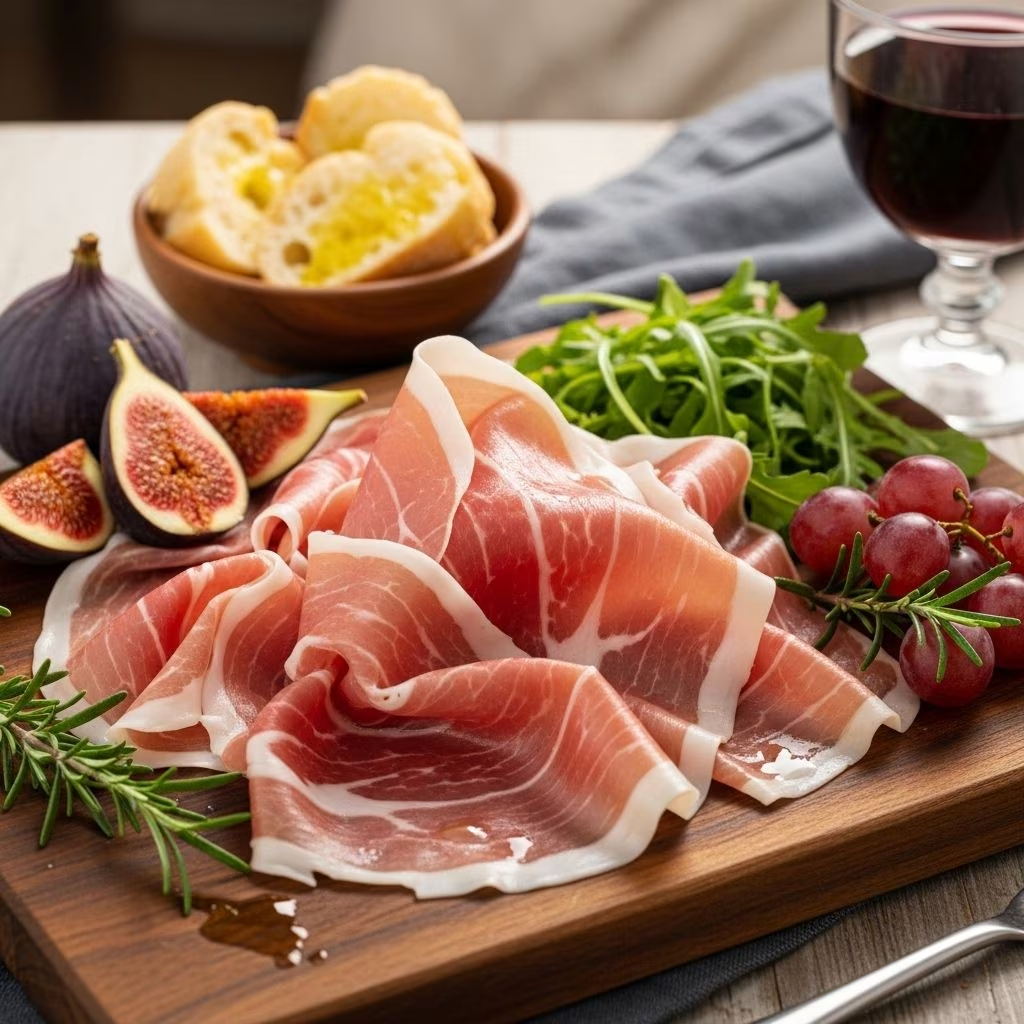
Prosciutto, the celebrated Italian cured ham, epitomizes the skill and tradition of preserving pork through salt and time. Beloved by food enthusiasts worldwide, it boasts a unique combination of historical depth, intricate production, diverse culinary applications, and a distinct, delicate flavor profile. This comprehensive guide explores prosciutto’s history, processing methods, health benefits, uses in cuisine, varieties, comparison with other cured meats, its taste profile, and answers to frequently asked questions.
History and Origins of Prosciutto
Prosciutto’s origins reach back to pre-Roman and Celtic times in northern Italy, where villagers first began salt-curing pork legs as a way to preserve meat for long winters. This traditional method was refined over centuries, especially in renowned regions like Parma and San Daniele, where climate and craftsmanship elevated prosciutto into an artisanal delicacy consumed both locally and internationally. The word “prosciutto” itself comes from the Latin “pro” (before) and “exsuctus” (to suck out moisture), referring to the extraction of moisture as a vital preservation step. In modern Italy and abroad, prosciutto stands as a symbol of the country’s culinary heritage and artisanal skill.
What Is Prosciutto? Understanding the Basics
Prosciutto is the Italian word for ham, but in English-speaking countries, it typically refers to prosciutto crudo—an uncooked, unsmoked, dry-cured ham made from pork hind legs. The meat is cured using only salt, air, and time, yielding an exquisite texture and nuanced flavor. Prosciutto can also refer to prosciutto cotto, a cooked ham, but this guide focuses on the raw, aged prosciutto crudo variety that graces charcuterie boards around the world.
Key Facts About Prosciutto
- Made exclusively from high-quality pork hind legs
- Traditional ingredients: pork, sea salt, time, and air—without preservatives
- Thinly sliced and typically served uncooked
- Central to Italian cuisine and antipasti
How Is Prosciutto Made? The Production Process
The making of authentic prosciutto is a meticulous, time-honored process that bridges art and science. Here is an overview of the main stages:
- Selection of Pork Legs: Only premium pork from specific breeds is chosen for the best PDO (Protected Designation of Origin) prosciutti.
- Salting and Pressing: The legs are massaged and covered in sea salt, then pressed to draw out moisture, preserving the meat and amping up flavor.
- Resting and Salting Again: The salted legs rest in cool, humidity-controlled rooms for several weeks. Salt is often reapplied.
- Rinsing and Seasoning: Salt is removed and sometimes a blend of spices or lard is added—the seasoning recipe is often a family secret.
- Dry Aging: The legs are hung in ventilated cellars to age for 9 months to over 3 years. Temperature, humidity, and air quality are strictly controlled, with the unique climate of regions like Parma imparting distinct flavors.
This intricate process—requiring only pork, salt, air, and patience—results in a food that is safe to eat raw, intensely flavorful, and melt-in-the-mouth tender.
Types and Regional Varieties
Although many Italian regions produce prosciutto, two names stand out as icons of quality and tradition:
| Type | Region | Features |
|---|---|---|
| Prosciutto di Parma DOP | Parma, Emilia-Romagna | Nutty, mild flavor; aged at least 12 months; made from specific breeds; eschews preservatives |
| Prosciutto di San Daniele DOP | San Daniele, Friuli Venezia Giulia | Slightly deeper color; delicate, sweet flavor; unique microclimate yields a distinct product |
| Prosciutto Toscano DOP | Tuscany | Robust, herby; seasoned with black pepper and garlic |
| Superiore Prosciutti | Other regions (e.g., Modena, Norcia) | Regional seasonings and climates create unique flavors |
Each DOP prosciutto has its own protected production method, geography, and climate, yielding subtle differences in aroma, texture, and taste. Non-Italian variations exist, but none rival the tradition and strict quality controls of the classic Italian types.
Nutritional Profile and Health Benefits
Prosciutto is a naturally cured ham with a straightforward nutritional profile befitting its artisanal roots. Here are its typical nutritional components per 100g (values are approximate):
- Calories: 250–290 kcal
- Protein: 25–28 grams (high-quality, complete protein)
- Fat: 18–22 grams (mainly unsaturated fats); marbling adds rich mouthfeel
- Carbohydrates: 0–1 grams (virtually none)
- Sodium: 1,500–2,000 mg (due to salt-curing process)
Key health benefits and considerations:
- Rich in protein: Supports muscle maintenance and satiety.
- Contains essential vitamins and minerals: Especially B vitamins, zinc, iron, and phosphorus.
- No preservatives in traditional versions: PDO prosciutti such as Parma and San Daniele use only pork and salt.
- Low in carbs and free from gluten: Suitable choice for low-carb or gluten-free diets.
- High sodium content: Those monitoring sodium intake should consume prosciutto in moderation.
Culinary Uses: How to Serve Prosciutto
Prosciutto’s paper-thin slices, sweet-savory notes, and buttery texture make it incredibly versatile in the kitchen. Here’s how it’s most commonly enjoyed:
- Antipasto Platters: With Italian cheeses (Parmigiano Reggiano, mozzarella, pecorino), olives, and fruit.
- Wrapped Around Foods: Commonly wrapped around melon (prosciutto e melone), asparagus, or grissini (breadsticks).
- Pizzas and Flatbreads: Added after baking for a savory twist.
- Salads: Thin shreds or slices paired with arugula, figs, or goat cheese.
- Sandwiches and Panini: Classic in Italian sandwiches with fresh vegetables and spreads.
- Pasta Dishes: Diced and sautéed into sauces or served with peas and cream.
- Eggs and Breakfast: Used in frittatas or atop poached eggs.
Because prosciutto is already fully cured and safe to eat, it is rarely cooked; heat is used only to warm or gently crisp for textural contrast.
Taste Profile: What Does Prosciutto Taste Like?
The distinctive taste of prosciutto arises from the interplay of salt, fat, slow aging, and regional microclimates. Key taste notes and attributes include:
- Delicate saltiness: The curing salt imparts a pronounced savory base that never overwhelms.
- Slight sweetness: Slow aging develops subtle sweet undertones, especially in Prosciutto di Parma.
- Nutty and buttery finish: Nutty notes develop from the fat’s transformation during long maturation.
- Buttery, melt-in-the-mouth texture: Paper-thin slicing allows the fat and lean meat to dissolve gracefully on the palate.
- Rich umami: Created by natural enzymatic reactions during aging.
- Regional nuances: San Daniele varietals are darker, more intense and slightly sweeter; Toscano versions add herbal notes from black pepper and garlic.
Quality prosciutto should never taste overly salty or gamy. Instead, it strikes a balance between savory, sweet, and nutty, with a lingering, delicate finish.
Prosciutto vs Other Cured Meats
Prosciutto shares similarities with other world-famous cured meats, but its ingredients and production set it apart. See the table below for key differences:
| Meat | Source | Preparation | Texture & Flavor |
|---|---|---|---|
| Prosciutto | Pork hind leg | Dried, unsmoked, uncooked (crudo), thin slices | Delicate, sweet-savory, buttery, melt-in-mouth |
| Speck | Pork hind leg | Dried, lightly smoked, seasoned with spices | Slightly smoky, robust, more aromatic |
| Jamon Serrano/Iberico (Spain) | Pork hind leg | Dried, longer-aged, different breeds, drier | Nutty, earthy, often more intense |
| Bacon | Pork belly | Salt-cured, smoked, cooked before eating | Salty, smoky, fatty, requires cooking |
| Pancetta | Pork belly | Dried, sometimes smoked, rolled, sliced | Rich, fatty, must be cooked |
Tips for Buying and Storing Prosciutto
- Look for DOP labels: Guarantee of authentic regional origin and traditional production.
- Freshness: Purchase pre-sliced only as needed; flavor and texture peak just after slicing.
- Storage: Keep sealed and refrigerated; once opened, use within a few days for best taste and texture.
- Serving: Bring to room temperature before serving to enhance aroma and mouthfeel.
- Pairing: Complements mild cheeses, ripe fruits, crusty breads, sparkling or white wines.
Frequently Asked Questions (FAQs)
Q: Is prosciutto raw?
A: Prosciutto crudo is technically raw but is safe to eat without cooking due to its extensive salt-curing and aging process, which inhibits bacterial growth.
Q: Does prosciutto need to be cooked?
A: No, it is fully cured and ready to eat as-is. Some recipes call for it to be crisped or gently warmed, but this is optional.
Q: What’s the difference between prosciutto di Parma and regular prosciutto?
A: Prosciutto di Parma is a DOP-protected name, made under strict rules in Parma with select breeds, no preservatives, and a minimum 12-month aging. Regular prosciutti may be made in other regions or outside Italy, with varying methods and standards.
Q: Can I freeze prosciutto?
A: Freezing is not recommended for high-quality prosciutto, as it alters its delicate texture and flavor. Instead, purchase only what you can consume in a week.
Q: Is prosciutto gluten-free?
A: Traditional prosciutti like di Parma and San Daniele—made from pork and salt only—are naturally gluten-free. However, always check labels for mass-produced cold cuts.
Q: Is prosciutto suitable for a keto or low-carb diet?
A: Yes. Prosciutto is very low in carbohydrates and high in protein and healthy fats, making it suitable for keto, paleo, or low-carb diets.
Q: Why is prosciutto sliced so thinly?
A: The ham’s paper-thin slices enhance its melt-in-the-mouth texture, balance saltiness, and perfect portioning for antipasti or garnishes.
Conclusion
Prosciutto stands as a testament to the Italian passion for quality, simplicity, and tradition. Its versatility, healthful attributes (when enjoyed in moderation), and unforgettable taste have made it a cherished staple from rustic Italian villages to modern gourmet kitchens. Whether served alone, paired with fruit, wrapped around vegetables, or layered onto artisan bread, discovering prosciutto is discovering a piece of Italy’s culinary soul.
References
- https://www.eataly.com/us_en/magazine/culture-and-tradition/what-is-prosciutto
- https://www.eatingeurope.com/blog/what-is-prosciutto/
- https://www.etymonline.com/word/prosciutto
- https://parmacrown.com/what-is-prosciutto/
- https://en.wikipedia.org/wiki/Prosciutto
- https://www.veroni.com/getting-to-know-our-prosciutto/
- https://www.ambassadorfoods.net/blog/a-look-into-the-history-and-process-of-curing-prosciutto-ham
- https://blog.murrayscheese.com/2019/09/03/prosciuttos-savory-history/
- https://www.volpifoods.com/blog/history-of-prosciutto/


