


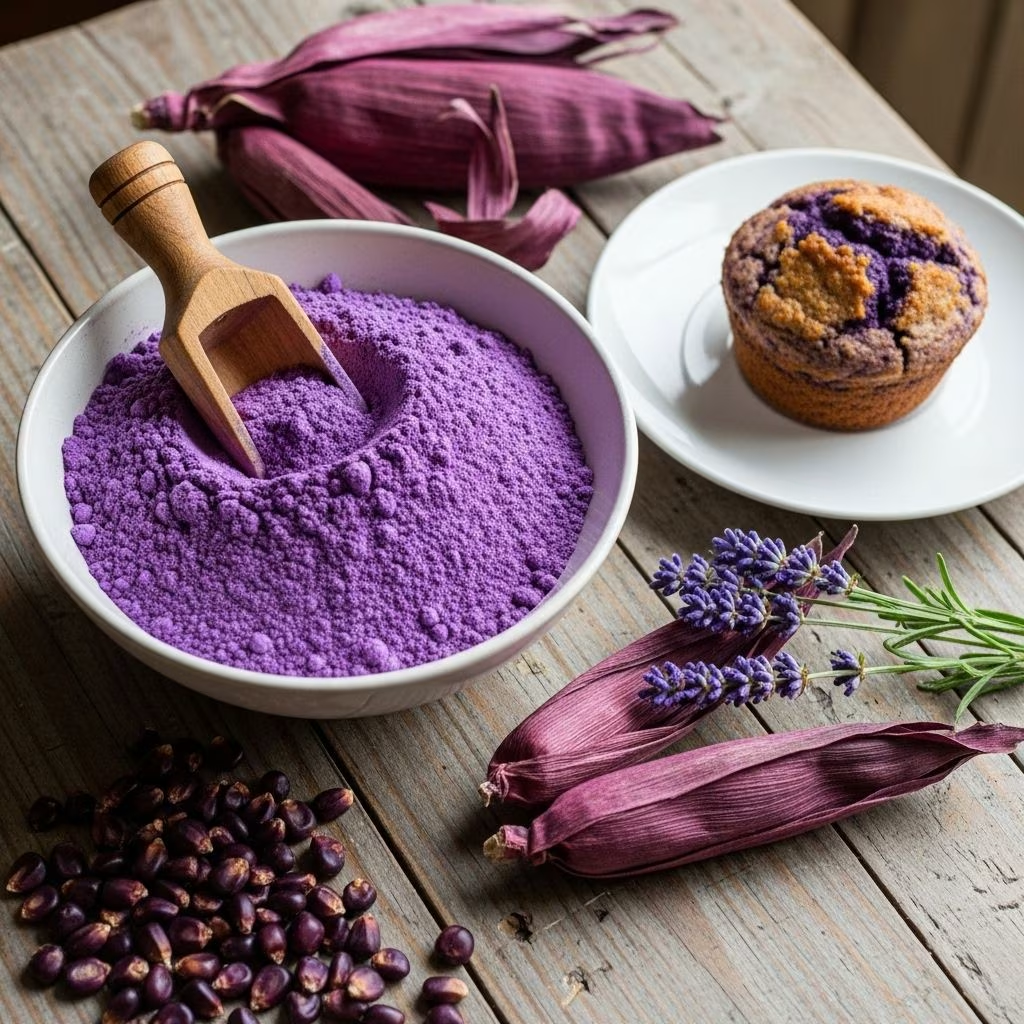
Purple Corn Flour: Baking Uses, Substitutes & Nutrition
Purple corn flour, derived from vibrant Peruvian and Andean corn varieties, is lauded for its intense color, subtle sweetness, and rich nutritional profile. An increasingly popular ingredient in modern kitchens, it brings both culinary excitement and health benefits to traditional baking, gluten-free recipes, and international desserts. This comprehensive guide explores its baking applications, nutrition facts, best substitutes, and answers to frequently asked questions.
Introduction to Purple Corn Flour
Purple corn flour is ground from purple maize, a non-GMO crop native to the Andean region and especially prevalent in Peru. Its striking color arises from extremely high levels of anthocyanins, potent antioxidants also found in blueberries. Traditionally used in South American drinks and desserts, it’s now gaining traction across the world for its flavor, color, and health benefits.
- Color and flavor: Deep purple hue; subtle nutty sweetness; no bitterness.
- Texture: Finely milled, suitable for breads, tortillas, cakes, and puddings.
- Gluten-free: Perfect for celiac-friendly and gluten-sensitive diets.
Not only does purple corn flour add vibrancy to baked goods, but it offers a unique flavor profile and nutritional value unmatched by typical yellow or white cornflours.
Baking Uses of Purple Corn Flour
Thanks to its color, taste, and gluten-free nature, purple corn flour excels in a wide variety of baking applications. Its versatility spans both sweet and savory recipes, international cuisines, and even gluten-free adaptations for favorites like bread and cakes.
- Cornbread: Used solo or blended with wheat flour for classic or enriched cornbread; imparts deep color and a sweet flavor.
- Buns and rolls: Often incorporated at 10–20% of total flour in sourdough bread; produces soft, nutty, and visually stunning results.
- Tortillas: Mixed with hot water (and sometimes tapioca flour) for chewy, gluten-free wraps—ideal for savory fillings and healthy snacks.
- Puddings: Main ingredient in Mazamorra Morada, a traditional Peruvian pudding rich in fruit and spice.
- Cakes and muffins: Blended with other flours for unique color and taste.
- Chips and crackers: Used in homemade or commercial chips for nutritional and visual appeal.
Purple corn flour behaves similarly to other corn flours in baking, but due to its lack of gluten, it benefits from blending with wheat or other gluten-containing flours in yeast-leavened breads, unless combined with binders in gluten-free recipes.
Purple Corn Flour Recipes
The following sample recipes illustrate just how varied and delightful purple corn flour is for homemade baked goods:
Purple Cornbread
- 1 cup unbleached flour
- 1 cup purple cornmeal or flour
- 2 tsp baking powder
- 1/2 tsp salt
- 3 tbsp sugar
- 1 cup milk (or nondairy alternative + 1 tbsp vinegar)
- 1/4 cup canola oil
- 1 egg (or flaxseed substitute)
- Optional: diced apple for sweetness
Mix dry and wet ingredients separately, combine, fold in apples, pour into a greased pan, and bake at 400°F for 20 minutes.
Purple Corn Bread (Classic Skillet Recipe)
- 1 1/2 cups purple corn flour
- 2 eggs
- 1 3/4 cups buttermilk
- 1/2 stick butter
- 1 tsp salt
- 3/4 tsp baking soda
- 1/4 tsp baking powder
- 1 tbsp maple syrup
Mix wet and dry separately; combine and bake in a cast-iron skillet at 425°F for 25 minutes.
Peruvian Purple Corn Sourdough Buns
- Sweet sourdough preferment blended into a dough of bread flour (or all-purpose), purple corn flour (up to 10–20%), milk, sugar, eggs, and butter.
- Ferment, refrigerate, shape, proof, and bake for 20 minutes at 375°F.
Produces soft, aromatic buns—ideal for burgers or breakfast sandwiches.
Purple Corn Flour Tortillas
- 1 1/2 cup purple corn flour
- 1 cup tapioca flour
- 1 tbsp sea salt
- 1 cup hot water
Mix with hot water, knead, roll thin, and bake on high heat for 3 minutes each side; enjoy with fillings or as flatbreads.
Purple Corn Pudding (Mazamorra Morada)
- Purple corn flour, water, pineapple, quince, apples, dried peaches, prunes, cinnamon sticks
- Simmer ingredients to thicken into a vibrant, nutritious dessert
Best Substitutes for Purple Corn Flour
If you can’t source purple corn flour, several alternatives work in most recipes, though they lack the vibrant color and some of the nutrition:
- Blue corn flour: Closest match in color and nutritional value, though less anthocyanin-rich.
- Yellow/white corn flour or cornmeal: Neutral flavor; ideal for cornbread and tortillas but lacks antioxidants.
- Polenta flour: Offers similar texture for bread, chips, and cakes.
- Gluten-free blends (rice, oat, tapioca): Useful in multi-flour recipes but won’t mimic the taste or color.
| Flour Type | Color | Antioxidant Content | Gluten-Free | Culinary Use |
|---|---|---|---|---|
| Purple Corn Flour | Deep Purple | Very High (Anthocyanins) | Yes | Bread, tortillas, pudding |
| Blue Corn Flour | Blue-Purple | Moderate | Yes | Tortillas, chips |
| Yellow/White Corn Flour | Pale Yellow/White | Low | Yes | Cornbread, cakes |
| Polenta Flour | Golden Yellow | Low | Yes | Breads, side dishes |
| Gluten-Free Flour Blends | Varies | Low–None | Yes | General baking |
Nutritional Profile
Purple corn flour stands out in the nutritional landscape for several reasons:
- High antioxidant content: Packed with anthocyanins—more than blueberries—which protect against oxidative stress and support heart health.
- Rich in minerals: Magnesium, potassium, manganese, iron, zinc—vital for energy and immune function.
- Contains dietary fiber: Promotes gut health and satiety.
- Low glycemic: May aid in blood sugar regulation compared to refined white flours.
- Gluten-free: Fits celiac and gluten-intolerant diets.
Although exact nutrition values vary by brand and origin, purple corn flour typically provides (per 100g):
- Calories: ~350 kcal
- Protein: 7–9g
- Fiber: 5–8g
- Carbohydrates: 70–75g
- Fat: 3–4g
- Iron: 2–3mg
- Anthocyanins: 4–6 times more than blueberries (varies)
Its anthocyanin pigments offer well-studied health benefits including supporting cardiovascular health, reducing inflammation, and promoting eye health. The fiber supports digestive health and satiety, while its micronutrients aid in metabolic and immune functions.
Cultural Significance & Historical Background
Purple corn flour is a staple ingredient in Peruvian cuisine, particularly in drinks like chicha morada and desserts such as mazamorra morada. Known locally as “maíz morado”, purple corn has been cultivated in Peru for thousands of years and revered for its medicinal and ritual uses. Today, its resurgence in global gastronomy stems from both its health properties and its show-stopping appearance in modern baked goods.
Frequently Asked Questions (FAQs)
Q: Is purple corn flour always gluten-free?
A: Yes, like all corn flours, purple corn flour is naturally gluten-free, making it safe for individuals with celiac disease or gluten sensitivity.
Q: Where can I buy purple corn flour?
A: It is available in specialty health food stores, Latin American markets, and online retailers. Look for reputable brands sourced from Peru or the Andes.
Q: What does purple corn flour taste like?
A: Purple corn flour has a mild, nutty, and slightly sweet flavor without bitterness. It enhances both sweet and savory recipes.
Q: Can I substitute purple corn flour for regular corn flour in recipes?
A: Yes, it substitutes well in most recipes, though it lends a distinctive color and a slight flavor difference. For gluten-free applications, combine with a binding flour like tapioca or use established blends.
Q: Does baking with purple corn flour preserve its antioxidants?
A: While heat may reduce some antioxidant capacity, significant levels of anthocyanins remain after baking or cooking, still offering health benefits.
Tips for Using Purple Corn Flour
- Use purple corn flour in blends when baking yeast breads to avoid a weak gluten structure (blend at 10–20% of total flour for best texture).
- Hydrate with warm or hot water for tortillas and flatbreads to achieve optimal dough flexibility.
- Add citrus (like lemon) or acidic ingredients in sweet dishes to enhance color vibrancy.
- Store in an airtight container away from light to preserve color and nutrients.
- Experiment with international desserts, like mazamorra morada, for authentic flavor and nutrition.
Conclusion
Purple corn flour’s journey from ancient Peruvian fields to modern baking is marked by its exceptional nutritional profile, gluten-free versatility, and ability to transform recipes with flavor and color. Whether used in cornbread, tortillas, buns, puddings, or chips, this specialty flour is a vibrant, healthful upgrade for adventurous bakers and nutrition-focused cooks alike.
References
- https://www.youtube.com/watch?v=I5wLZjZNl0E
- http://www.bellabonito.com/2010/04/purple-corn-flour-tortilla.html
- https://artisanbryan.com/peruvian-purple-corn-buns/
- https://robinasbell.com/2015/11/playing-with-purple-corn-in-cornbread-grits-and-chips/
- https://cangurocriollo.com/purple-corn-flour-pudding-mazamorra-morada-a-taste-of-peru/
- https://www.pereg-gourmet.com/blogs/recipes/purple-corn-and-blueberry-muffins
- https://tinandthyme.uk/2017/04/vegan-easter-biscuits/


