


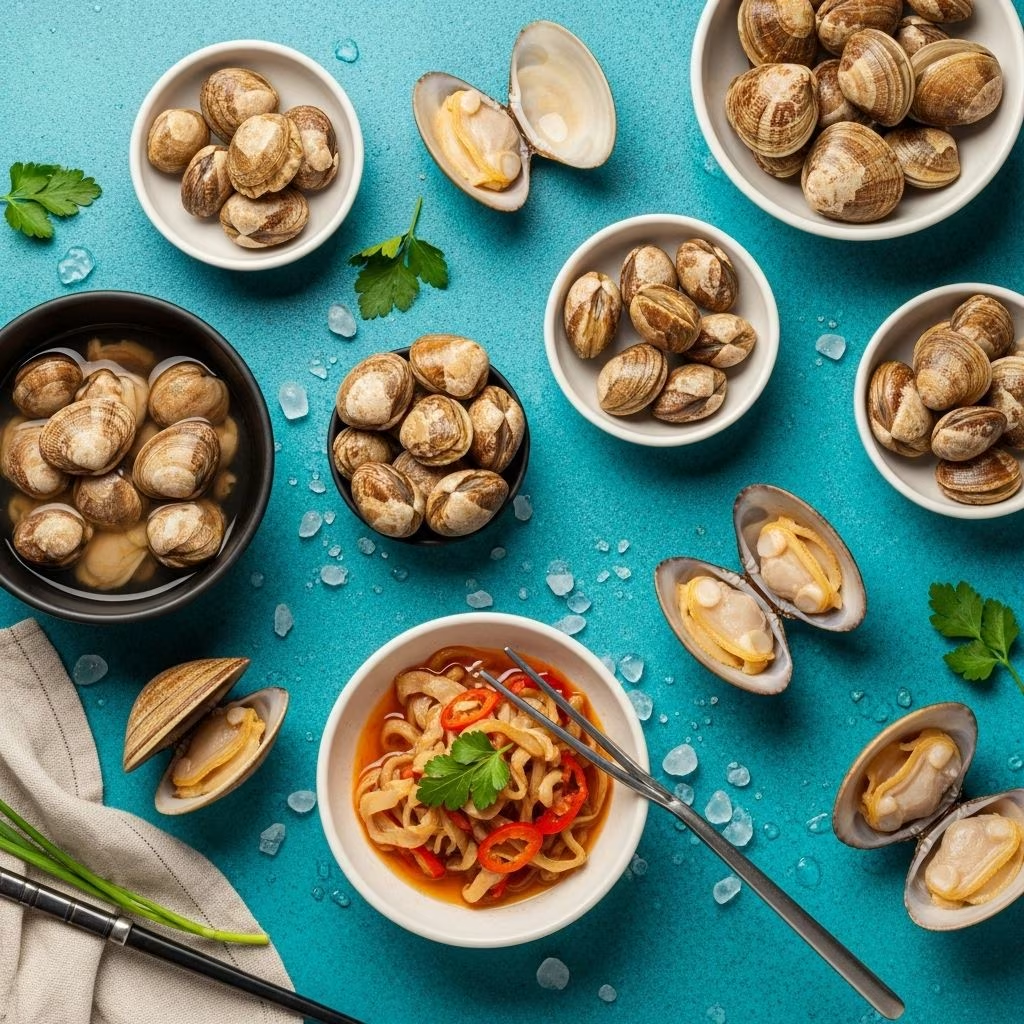
Quahogs, often pronounced “coe-hogs,” are more than just a staple of New England seafood—they are an iconic hard clam species known for their cultural, ecological, and culinary significance. This comprehensive guide explores everything you need to know about quahogs, including their biological classification, unique health benefits, uses in traditional and modern cuisine, and what makes their taste so distinctive.
Introduction to Quahog: Identity and Importance
The quahog (Mercenaria mercenaria), also known as the northern quahog or hard clam, is a species of edible marine bivalve mollusk found along the eastern coast of North America, ranging from Nova Scotia to Florida. Apart from being a seafood delicacy, quahogs are vital both to local economies and the ecosystems in which they live. In Rhode Island, quahogs are so iconic that they are considered a defining symbol of local food heritage.
Key Attributes of Quahog
- Family: Veneridae (venous clams)
- Scientific Name: Mercenaria mercenaria
- Alternate Names: Hard clam, round clam, littleneck, cherrystone, chowder clam
- Preferred Habitat: Intertidal and subtidal coastal zones, especially in bays and estuaries
- Prominence: Central to regional cuisines, particularly New England; important for commercial fisheries
Biology and Appearance of Quahog
Quahogs are robust bivalve mollusks with distinctive features that make them recognizable among seafood varieties.
Physical Features
- Shells are thick, strong, and generally grey to white on the outside, marked by concentric growth rings.
- Interiors are white, often with violet or purple regions, particularly near the beak (umbo).
- Adults usually range in size from just under 3 inches up to 5 inches, depending on age and habitat.
- Some farmed clams display dark zigzag shell markings known as “notata”.
- The shell is sub-ovate to triangular, and both halves are similar in size.
- Quahogs have a muscular foot for burrowing and long siphons for respiration and feeding.
Biological Notes
- Lifecycle spans 12 to 20 years on average; some live up to 40 years.
- They are sessile as adults, burrowing into sediment and exposing only their siphons.
- Females can spawn millions of eggs at once, supporting population sustainability.
- Clams feed by filtering microscopic plant material (phytoplankton) from the water.
Species, Variations, and Naming
Quahogs have inspired an impressive vocabulary, with distinct names for different species and even for size grades within the species.
| Common Name | Scientific Name | Distinguishing Features | Typical Use |
|---|---|---|---|
| Quahog (Northern hard clam) | Mercenaria mercenaria | Thick shell, found in bays/estuaries, 1–5 inches | Raw, baked, chowder |
| Ocean Quahog | Arctica islandica | Larger, lives deeper offshore, dark shell | Processing, canned clam meat |
| Soft-shell Clam | Mya arenaria | Thin, fragile shell; “steamers” in cuisine | Steaming, fried clams |
Size Classifications of Quahog (Mercenaria mercenaria)
- Littleneck: Smallest and most tender (1 to 2.33 inches); ideal for eating on the half-shell
- Topneck: Slightly bigger (~2 inches)
- Cherrystone: Mid-sized (2 to 3 inches); suitable for raw or cooked dishes
- Chowder: Largest (up to 5 inches); best for cooked preparations like chowders and stuffing
Historical and Cultural Significance
Quahogs have a rich history rooted in indigenous culture and colonial development. Their shells and meat played a vital role for Native Americans like the Narragansett, who coined the name based on their word “poquauhock”.
Noteworthy Cultural Details
- Wampum beads made from quahog shells were used as ceremonial gifts and later as a form of currency among Native Americans and European settlers.
- Quahogs are still featured in traditional dishes and ceremonial meals in coastal communities.
- Commercial quahogging became a foundational industry for regions like Rhode Island, particularly in Narragansett Bay.
- The scientific name mercenaria reflects the association with money or wages, stemming from the shell’s use in commerce.
Nutritional Benefits of Quahog
Quahogs are not just delicious—they are a nutritional powerhouse, offering a wide range of health benefits for those who enjoy seafood as part of a balanced diet.
Key Nutrients in Quahog Meat
- High-quality protein: Essential for muscle repair, immune function, and overall health.
- Omega-3 fatty acids: Promoting heart health and reducing inflammation (levels are moderate relative to oily fish, but significant for shellfish).
- Vitamin B12: Critical for neurological function and blood formation.
- Iron, zinc, and magnesium: Key minerals for energy, immunity, and metabolism.
- Low in fat: Most calories come from protein, making it suitable for low-fat diets.
Quahog consumption therefore promotes cardiovascular wellness, supports cognitive health, and may help meet important micronutrient requirements—especially in populations that consume little red meat or dairy.
Sample Nutrition Table (per 100g cooked quahog meat)
| Nutrient | Approx. Value |
|---|---|
| Calories | 75–90 kcal |
| Protein | 13–15 g |
| Total Fat | 1–1.5 g |
| Carbohydrates | 2–3 g |
| Iron | 12–23 mg (substantial % DV) |
| Vitamin B12 | Several times daily value |
*Values are approximate and can vary based on preparation and habitat.
Culinary Uses and Preparation Methods
The firm, sweet-salty meat of the quahog is highly versatile. Quahogs have defined New England cuisine and have also found their way into contemporary seafood dishes nationwide.
Popular Culinary Applications
- Raw on the half-shell: Littlenecks and cherrystones are favorites for raw consumption, often paired with lemon, hot sauce, or mignonette.
- Clam chowder: Large chowder clams are the star in creamy New England and clear Rhode Island-style chowders, valued for their robust flavor.
- Baked and stuffed clams (“stuffies”): Chopped clam mixed with breadcrumbs, herbs, and seasonings, then baked in the shell.
- Clam bakes and boils: Essential ingredient in traditional New England seafood feasts, often with corn, potatoes, and lobster.
- Fritters and pastas: Chopped and stirred into batters or sauces for complex flavors.
- Steamed or grilled: Simple steaming or grilling helps retain their natural briny sweetness.
Preparation Tips
- Rinse live quahogs thoroughly under cold water to remove sand and grit before shucking or cooking.
- Use a rigid clam knife to open shells safely.
- Quick-cooking methods preserve their tender texture, especially for smaller clams.
- Larger chowder clams are best minced or chopped to tenderize the meat for soups or stuffing.
Taste Profile: What Does Quahog Taste Like?
The flavor of quahog is celebrated by seafood lovers for its balance between sweetness and salinity. The unique taste profile varies with size, with some culinary traditions preferring certain grades over others.
Flavor Details
- The meat is sweet, briny, and slightly nutty, reminiscent of ocean spray and mineral-rich mud flats.
- Littleneck quahogs are prized for their mild, delicate taste; their smaller size makes them ideal for eating raw.
- Cherrystone and chowder clams are more robust and chewy, perfect for intense seafood preparations where their flavor stands up to cream, herbs, and bacon.
- Older, larger clams can develop a more pronounced oceanic flavor, valued for hearty culinary applications.
Properly prepared, quahogs delight with every bite, whether enjoyed raw or cooked.
Harvesting, Conservation, and Sustainability
Quahogs are harvested both commercially and recreationally along the East Coast. Their populations are closely monitored to ensure sustainability.
Key Harvesting Methods
- Hand-raking: Traditional and sustainable method in shallow water, preserves habitat integrity.
- Diving: Used for gathering from deeper areas, selective and low-impact.
- Commercial aquaculture: Hatchery-reared clams reduce pressure on wild stocks and provide reliable supply.
Conservation and Environmental Impact
- Quahogs are filter feeders, improving water quality by removing plankton and particles from estuaries.
- Strict harvesting quotas, size limits, and water quality monitoring support the health of wild populations.
- In Rhode Island and other regions, collaborative management between scientists, regulators, and harvesters aims to sustain this resource for future generations.
However, environmental pressures and habitat loss have led to localized population declines, making sustainable practices more important than ever.
Frequently Asked Questions (FAQs)
Q: Are quahogs the same as clams?
A: Quahogs are a specific species of hard-shelled clam (Mercenaria mercenaria). All quahogs are clams, but not all clams are quahogs; the term “clam” can refer to many bivalve species.
Q: Is it safe to eat raw quahog?
A: Yes, littlenecks and cherrystones are often eaten raw if harvested from clean, regulated waters. Vulnerable populations (immune compromised, pregnant individuals) should avoid raw shellfish due to the risk of pathogens.
Q: How do you store fresh quahogs?
A: Store live quahogs in the refrigerator, covered with a damp cloth (not in airtight containers), and use within two days for best taste and safety.
Q: Can quahogs help the environment?
A: Absolutely. As filter feeders, quahogs help clarify and clean coastal waters, making them important for ecosystem health.
Q: Why are some quahogs purple inside?
A: The purple or violet coloration on the shell interior is a natural pigment and is especially visible near the umbo. It does not affect taste or safety.
References
- https://www.fisheries.noaa.gov/species/northern-quahog
- https://www.providencejournal.com/story/news/environment/2024/03/19/what-is-a-quahog-what-to-know-about-ris-hard-shell-clams/72935693007/
- https://en.wikipedia.org/wiki/Hard_clam
- https://animaldiversity.org/accounts/Mercenaria_mercenaria/
- https://gulfspecimen.org/quahog-clam/
- https://animals.howstuffworks.com/marine-life/ocean-quahog.htm
- https://marine-aquaculture.extension.org/wp-content/uploads/2019/05/Biology-and-Culture-of-the-Northern-Quahog-Calm.pdf
- https://www.eastham-ma.gov/Faq.aspx?QID=128


