


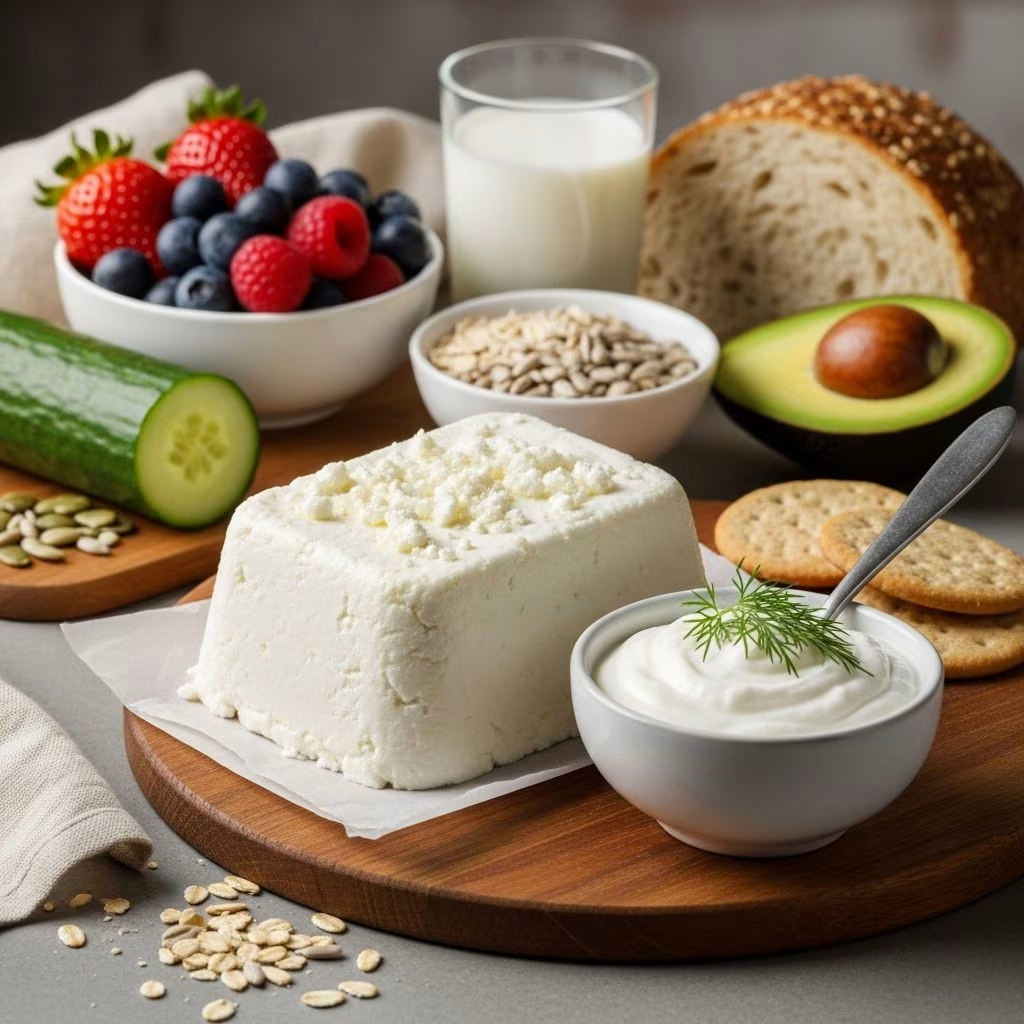
Introduction: What Is Quark?
Quark, also known as quarg in some regions, is a fresh dairy product with a mild flavor and a texture reminiscent of a cross between cottage cheese and thick Greek yogurt. It is made by curdling milk with lactic acid bacteria and then straining it, producing a soft, creamy, unaged cheese that is rarely found in the United States but remains a staple in many European households.
Its versatility has led to quark being used across a broad spectrum of culinary traditions. Though technically categorized as a cheese, quark’s flavor, nutritional profile, and culinary applications often have more in common with yogurt than with aged cheeses.
Origins and Historical Background
Quark has deep roots in the cuisines of Baltic, Germanic, and Slavic-speaking countries, as well as among Greeks, Hungarians, Ashkenazi Jews, and various Turkic cultures.
It has a long-standing reputation as a dietary staple valued for its nourishment and easy digestion.
- Ancient usage cited among Romans, Greeks, and Chinese civilizations, often as a primary protein source.
- Widely referenced in historical homespun cookery; traditionally made for family consumption before industrial production began in the 19th century.
- Known under various names: tvorog in Russia, fromage blanc in France, and Schichtkäse (layer cheese) in Germany.
How Quark Is Made
Making quark involves fermenting milk with lactic acid-producing bacteria. Traditional methods allowed milk to sour naturally, but modern dairies use standardized cultures and, occasionally, rennet to speed up and control curd formation.
- Souring: Pasteurized milk is inoculated with mesophilic bacteria. Sometimes, a small amount of rennet is added, especially for a firmer texture.
- Curd Formation: The milk is left to ferment until curds form and whey separates.
- Straining: The whey is drained, traditionally by hanging curds in cheesecloth, yielding the distinctive spreadable mass.
- Cream Addition: Depending on desired fat content, cream may be blended in after cooling.
Quark is unaged, contains no salt in its natural form, and can range from very low-fat (Magerquark, about 0.2% fat) to creamy rich versions where cream is added after draining.
Nutritional Benefits of Quark
Quark distinguishes itself with an impressive nutritional profile.
- High Protein Content: Contains about 80% casein protein per dry mass, making it an excellent choice for athletes and vegetarians seeking muscle-building nutrients.
- Low Fat: Basic quark contains as little as 0.2% fat, while creamy versions can be tailored for taste and texture.
- Calcium Rich: Avaluable source of calcium, supporting bone health and development.
- Vitamins: Features a spectrum of B vitamins (supporting metabolism and nervous system growth), vitamin A (important for vision and immunity).
- Lactose-free Options: Some quark varieties are processed to contain less lactose, enabling tolerance for many with sensitivities.
- Sugar-free and Low Carb: Naturally low in carbohydrates and sugar, making it suitable for low-carb and diabetic diets.
These attributes make quark one of the healthiest fresh dairy options, supporting muscle maintenance, bone strength, and metabolic health.
Summary Table: Key Nutritional Elements of Quark (per 100g)
| Component | Amount (in Basic Quark) | Health Benefit |
|---|---|---|
| Protein | ~10g | Muscle Growth & Repair |
| Fat | 0.2g (skim), up to 10g (rich) | Energy, Satiety |
| Calcium | 80mg | Bone Health |
| Vitamin B2, B12 | Varies | Metabolic Support |
| Vitamin A | Varies | Vision & Immunity |
Culinary Uses and Versatility
Quark’s versatility in the kitchen is unmatched among fresh dairy products.
- Spreadable Cheese: Used as a creamy, low-fat spread, replacing cream cheese on bread or crackers.
- Yogurt Substitute: Can be enjoyed alone or with fruits, nuts, or granola for breakfast.
- Baking: Central to German cheesecakes, pastries, and Russian tvorog-based recipes, adding both mild flavor and moisture.
- Savory Dishes: Frequently swirled into mashed potatoes, dips, or pasta sauces for creaminess without excess richness.
- Salads: Used as a healthy alternative to mayonnaise in slaws and dressings.
- Cooking: Can be used in dumpling fillings, thick soups, or with grilled vegetables.
- Herbed Quark: Flavored with chives, parsley, garlic, or spices for a classic Central European appetizer spread.
Quark is prized in healthy cooking for low-fat, protein-rich meals, and for its unique ability to maintain creaminess yet mild flavor when heated.
Quark’s Taste and Texture
Quark’s appeal lies in its mild, slightly tangy flavor and creamy yet airy texture.
- Mildness: Lacks the tart finish of yogurt, with only a faint, pleasant sourness detectable.
- Creaminess: When made with higher fat, quark is spoonable and smooth, like a thick yogurt or whipped cream cheese.
- Spreadability: Lower-fat versions are firmer and can be used as a spread or a filling.
- Neutral Base: Absorbs additional flavors well, whether sweet fruits or savory herbs and spices.
Quark’s taste makes it highly adaptable, able to harmonize with sweet desserts, tangy dips, or wholesome breakfast bowls.
Varieties and Regional Differences
Quark’s texture, flavor, and usage vary widely by country and recipe.
- Magerquark: Skim quark (<0.2% fat), favored for health-conscious meals.
- Regular Quark: Contains up to 10% fat, offering balance between richness and nutrition.
- Schichtkäse: Layered dairy product, alternating layers of quark and cream, used for baking.
- Fruit-Flavored Quark: Popular as a sweet snack in Germany and Austria, especially children’s lunches.
- Herbed Quark: Features fresh herbs and garlic, served as dips or spreads.
- Tvorog: Eastern European term, often dryer and used in savory dumplings and baked goods.
- Fromage Blanc: French cousin; similarly mild, but can be either firmer or more liquid.
Comparison: Quark vs. Other Dairy Products
| Product | Texture | Fat (%) | Protein | Flavor | Common Uses |
|---|---|---|---|---|---|
| Quark | Soft, creamy, spreadable | 0.2 – 10 | High (casein) | Mild, slightly tangy | Spreads, dips, baking, breakfast |
| Greek Yogurt | Thick, spoonable | 0 – 10 | High (whey and casein) | Tart, tangy | Smoothies, desserts, dips |
| Cottage Cheese | Curdy, lumpy | 1 – 5 | Moderate | Tangy, salty | Snacks, salads |
| Ricotta | Fine, grainy | 5 – 10 | Moderate | Slightly sweet | Pasta, desserts |
| Fromage Blanc | Soft, creamy | 0 – 8 | Moderate | Mild, sweet or tart | Spreads, desserts |
How to Buy and Store Quark
Quark’s availability outside Europe is growing, though it remains rare in the United States. Specialty grocers, Whole Foods, and select dairies (notably in Vermont, Illinois, and California) stock quark cheese, often marketed under European-inspired brands.
- Look for: Refrigerated containers labeled “quark”, “tvorog” or “fromage blanc”. Verify fat content and any flavor additions.
- Storage: Refrigerate promptly after purchase. Quark is best consumed fresh, within 10 days of opening, due to limited shelf life and absence of preservatives.
- Substitutes: For recipes, low-fat cream cheese, plain Greek yogurt, or farmer’s cheese can mimic quark’s effects, but the flavor and texture differ.
Homemade quark is possible with pasteurized milk, mesophilic culture, and basic fermentation tools; it is a rewarding project for dairy enthusiasts.
Popular Quark Recipes
- Classic German Cheesecake: Swap regular cream cheese for quark to achieve a lighter, more moist cake with a subtler flavor.
- Quark & Herb Spread: Blend quark with chopped chives, parsley, and shallot for a high-protein dip.
- Fruit Breakfast Bowl: Top quark with fresh berries, honey, and sliced almonds for a nutrient-rich breakfast.
- Quark Pancakes (Syrniki): Traditional Russian sweet pancakes made with quark and flour, enjoyed with jam or sour cream.
- Quark Pasta Sauce: Stir quark into warm pasta with sautéed vegetables for creaminess without heavy fats.
- Quark Coleslaw: Use quark as a substitute for mayonnaise for lower calories and zingy taste.
Frequently Asked Questions (FAQs)
Q: Is quark cheese suitable for lactose-intolerant diets?
A: Many commercial quark products are processed to reduce lactose, but always check the label. Generally, quark contains less lactose than yogurt or milk, but not all varieties are lactose-free.
Q: How does quark differ from cottage cheese and yogurt?
A: Quark is smoother and creamier than cottage cheese, with no visible curds; unlike yogurt, it is less tart and primarily contains casein protein.
Q: Can vegetarians eat quark?
A: Most quark contains no animal rennet, making it vegetarian-friendly. Always verify ingredients, especially in imported versions.
Q: What is the shelf life of quark?
A: Quark is best consumed fresh and usually remains good for about 10 days after opening.
Q: Is quark readily available in the United States?
A: Quark is rare in American supermarkets but becoming more common, especially at specialty grocers, select Whole Foods, and some Safeway stores.
Q: How can I use quark for baking?
A: Use quark in cheesecakes, muffins, and pastry fillings—its mild flavor and high moisture content yield tender, light results.
Conclusion
Quark is a fresh dairy product celebrated for its nourishing, protein-rich profile, mild flavor, and adaptability to both sweet and savory dishes. Once a regional staple, quark is now gaining global attention for its health benefits and endless culinary possibilities. Whether used in a breakfast bowl or a traditional cheesecake, quark offers a unique intersection of nutrition and taste, making it well worth exploring for any dairy lover or health-conscious cook.
References
- https://xtalks.com/what-is-quark-cheese-and-why-is-it-rare-to-find-in-the-us-3162/
- https://en.wikipedia.org/wiki/Quark_(dairy_product)
- https://culturesforhealth.com/blogs/learn/what-is-quark-learn-about-quark-quark-cheese
- https://pmc.ncbi.nlm.nih.gov/articles/PMC8392251/
- https://www.smithbrothersfarms.com/quark-the-dairy-product-you-never-knew-you-wanted
- https://www.cheeseprofessor.com/blog/getting-to-know-quark


