


- Introduction: The Essence of Quandong
- Botany, Origin, and Cultural Significance
- Nutritional Profile and Health Benefits
- Taste Profile and Culinary Description
- Culinary Applications: Traditional & Modern Uses
- Types and Varieties of Quandong
- Growing, Harvesting, and Sustainability
- Popular Quandong Recipes
- Frequently Asked Questions (FAQs)
Introduction: The Essence of Quandong
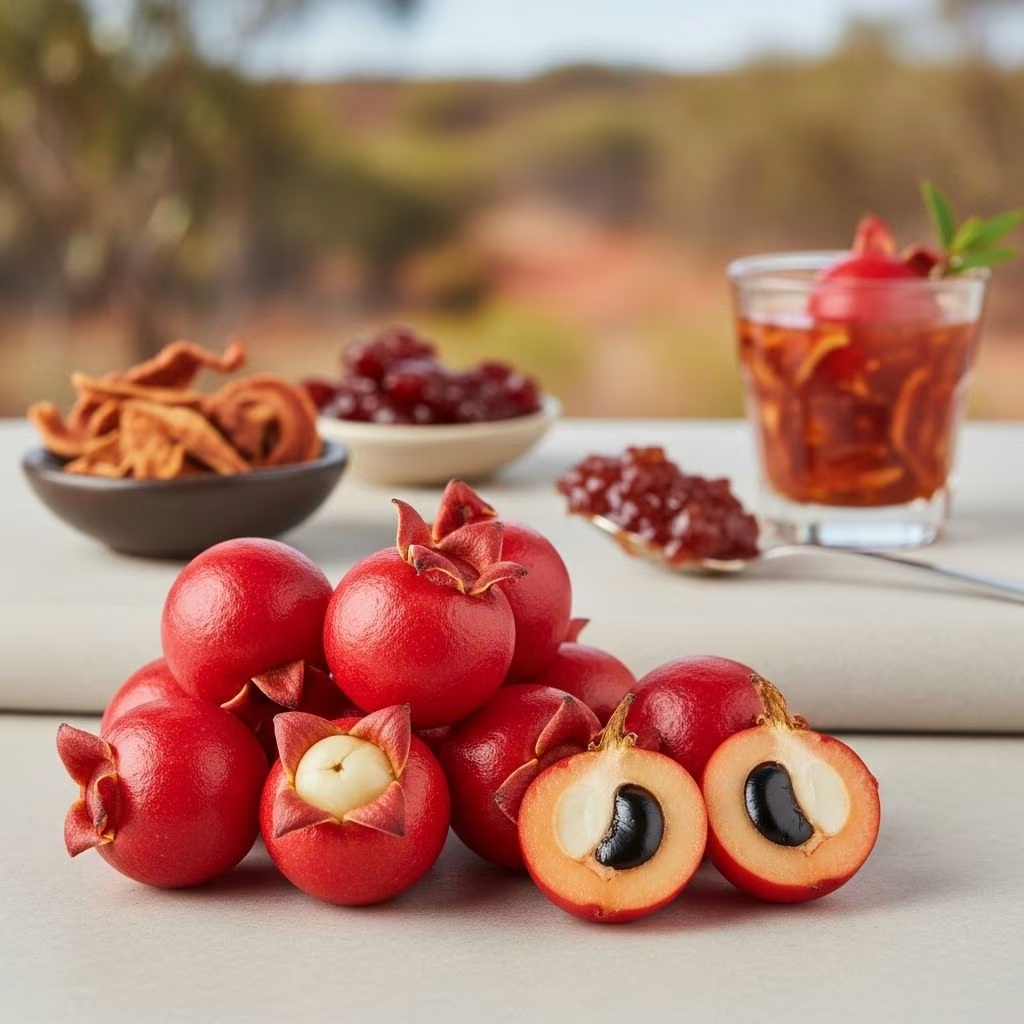
Quandong is a striking native Australian fruit known for its vibrant scarlet skin, tart and sweet flavor, and remarkable nutritional content. Also referred to as “wild peach,” “desert peach,” or its scientific name Santalum acuminatum, the quandong is woven deeply into the culinary traditions and ecological tapestry of Australia. It is celebrated for its versatility, unique taste, and its status as a traditional bush food with both culinary and medicinal importance.
Botany, Origin, and Cultural Significance
Botanical Details and Natural Habitat
The quandong tree is a hardy, drought-tolerant small tree or shrub indigenous to the arid and semi-arid regions of Australia. It typically grows between 2 and 7 meters high, with rough dark bark, drooping leathery leaves, and a dense canopy. The tree is classified as a non-obligate root parasite, meaning it attaches itself to the roots of nearby host plants to obtain water and nutrients—an evolutionary adaptation for survival in harsh environments.
The tree produces delicate white blossoms in late summer to autumn, with fruit ripening mainly from spring into early summer.
Geographic Range
- Central to southern regions of Australia
- Abundant in South Australia, New South Wales, Victoria, and Queensland
Cultural and Indigenous Significance
Quandong holds immense value in Indigenous Australian culture. Often featured in Aboriginal mythology and utilized for millennia, both its nutritional and medicinal properties have been vital for survival. Indigenous peoples consumed the nutritious fruit, crafted ornaments from the stone, and sometimes used it for medicinal remedies. The quandong’s role extends beyond food, functioning as an ecological staple for humans and wildlife alike.
Nutritional Profile and Health Benefits
Quandong fruit is a powerhouse of essential nutrients and unique phytochemicals that provide a range of health benefits:
- Vitamin C: Quandong fruit contains roughly twice the vitamin C of oranges, making it a highly effective natural immune booster and antioxidant.
- Antioxidants: Rich in phenolic compounds and vitamin E, which neutralize free radicals, potentially reducing oxidative stress and supporting cellular health.
- Minerals: High in zinc, magnesium, calcium, and iron—often in higher amounts than blueberries.
- Other nutrients: Offers folate (important for cell growth), and small but beneficial amounts of dietary fiber.
These components contribute to the following documented and suggested health benefits:
- Boosts immune function and helps protect against infections
- May support skin health and wound healing due to vitamin C content
- Promotes healthy blood and bone function through calcium and iron
- May aid in managing chronic inflammation and oxidative stress in the body
- Digestive support due to naturally occurring dietary fiber
- Historically used by Indigenous people as a remedy for various ailments, from skin conditions to general vitality (though clinical studies are generalized)
| Nutrient | Quandong | Blueberry | Orange |
|---|---|---|---|
| Vitamin C | 50-150 mg | 10 mg | 50 mg |
| Vitamin E | 2.0 mg | 0.6 mg | 0.2 mg |
| Folate | 10 mcg | 6 mcg | 30 mcg |
| Calcium | 60 mg | 6 mg | 40 mg |
| Iron | 2.5 mg | 0.3 mg | 0.2 mg |
Taste Profile and Culinary Description
Quandong’s flavor is truly unique, recognized for its bold, tangy, and complex taste. The fruit’s bright scarlet-red skin covers a thin layer of flesh, which is tart, sweet, and subtly earthy.
- Flavour is often described as a cross between rhubarb, cranberries, and sour cherries, with undertones of peach and even a hint of aniseed or citrus.
- Aroma reminiscent of dry lentils, beans, or mildly fermented earthiness, especially when dried.
- Texture is dry and slightly chewy when eaten fresh, and even drier when dehydrated.
- Flavor intensity and sweetness can vary depending on the tree.
Its distinctive combination of tartness and subtle sweetness makes quandong highly versatile, enhancing both sweet and savory dishes.
Culinary Applications: Traditional & Modern Uses
Traditional Uses
- Consumed Fresh or Dried: Aboriginal Australians would eat quandong fresh, sun-dry it for later consumption, or grind it for flour or powder.
- Dried Flesh: Used as a nutrient-rich food source during periods of scarcity. Dried quondong could be stored for years without significant spoilage.
- Kernels: The edible kernel inside the stone was occasionally roasted and eaten, or used for ornamental and gaming purposes.
Modern Culinary Adaptations
- Jams and Preserves: Quandong’s natural tartness pairs beautifully in jams, conserves, and chutneys, often used to accompany cheese or toast.
- Desserts: Incorporated into pies, crumbles, tarts, ice creams, and sorbets for a zesty, tangy note and brilliant color.
- Sauces and Relishes: Quandong-based sauces or relishes complement savory meats like chicken, pork, kangaroo, or duck.
- Beverages: Used in cocktails, cordials, sparkling waters, and teas—when sweetened, the natural tartness makes for refreshing drinks.
- Baked Goods: Quandong powder or dried pieces are sprinkled on muffins, breads, pancakes, or even incorporated into scones for extra tang, color, and nutrients.
- Garnishes: Ground quandong can be used as a rim for cocktail glasses or sprinkled over salads, breakfasts, and desserts.
Other Uses
- Ornamental: Stones have been historically used for jewelry, games, and decorative crafts.
Types and Varieties of Quandong
| Common Name | Scientific Name | Description |
|---|---|---|
| Desert Quandong | Santalum acuminatum | Scarlet fruit, the most commonly used variety for food; tart and sweet flavor |
| Blue Quandong | Elaeocarpus grandis | Larger, blue fruit; related but distinct in flavor and botanical classification |
| Bitter Quandong | Santalum murrayanum | Similar to desert variety but with a pronounced bitterness; less commonly consumed |
Growing, Harvesting, and Sustainability
Quandong trees thrive in semi-arid and arid environments, and flourish in well-drained, sandy soils. They are noted for their resilience to drought and salinity, but their root-parasitic nature makes commercial cultivation challenging—they require host plants to survive.
- Height: Typically 2.1 – 7.6 meters (7–25 feet)
- Flowers: Clustered greenish- or white-tinged flowers from late summer to early autumn
- Fruit: Ripens mainly in spring and early summer; harvested when scarlet and soft
- Harvesting: Indigenous Australians gather ripe fruit; commercial farms must carefully co-plant host trees
In their native environment, quandong trees also play a role in stabilizing soil and supporting local wildlife, thus promoting ecological sustainability.
Popular Quandong Recipes
- Quandong Jam: Simmer fresh or dried quandong with sugar and lemon juice for a tangy, vitamin-C-rich spread.
- Quandong Pie: Layer sweetened quandong with pastry for a quintessential outback dessert.
- Quandong Crumble: Combine tart fruit with oats, butter, and brown sugar for a rustic, nourishing sweet treat.
- Quandong Chutney: Pair chopped quandong with onions, vinegar, spices, and sugar for a savory condiment perfect for meat, cheese, or sandwiches.
- Quandong Sorbet: Blend cooked quandong and simple syrup, freeze, and churn for a refreshing, bright treat.
- Quandong Iced Tea or Infused Water: Steep dried quandong slices in cool or hot water for a vitamin-packed, tart beverage.
Frequently Asked Questions (FAQs)
Q: Is quandong edible raw or does it need to be cooked?
A: Yes, quandong is edible both raw and cooked. Some people prefer it dried or stewed to soften its tartness and enhance its sweetness.
Q: Where can I buy quandong outside Australia?
A: Quandong is most widely available in Australia, but select specialty stores, bush food suppliers, and online vendors may offer dried or preserved quandong for export.
Q: Are there any food allergies or precautions associated with quandong?
A: Quandong allergies are rare, but as with all foods, especially wild-sourced ones, individuals should try small amounts first. The kernel is sometimes considered toxic if consumed in large quantities raw—always use culinary sources with guidance.
Q: How does the taste of quandong compare to other fruits?
A: Its tartness and subtle sweetness are compared to rhubarb, cranberry, and sour cherry, often with earthy undertones, setting it apart from conventional fruits.
Q: Can quandong be grown in home gardens?
A: It is possible in suitable temperate to warm climates with sandy soils, but successful cultivation typically requires knowledge of host plant co-planting and arid plant care.
References
- https://www.etchsparkling.com.au/pages/copy-of-lemon-myrtle
- https://www.ziggyswildfoods.com.au/explore/quandong
- https://warndu.com/blogs/first-nations-food-guide/quandong-urti-from-the-flinders-ranges-in-south-australia
- https://www.gardeningknowhow.com/ornamental/trees/quandong-tree/quandong-fruit-trees.htm
- https://en.wikipedia.org/wiki/Santalum_acuminatum
- https://www.britannica.com/plant/quandong
- https://anpsa.org.au/APOL7/sep97-1.html
- https://www.indailysa.com.au/salife/archive/2023/06/16/lifes-a-peach
- https://www.anbg.gov.au/gnp/interns-2002/santalum-acuminatum.html


