


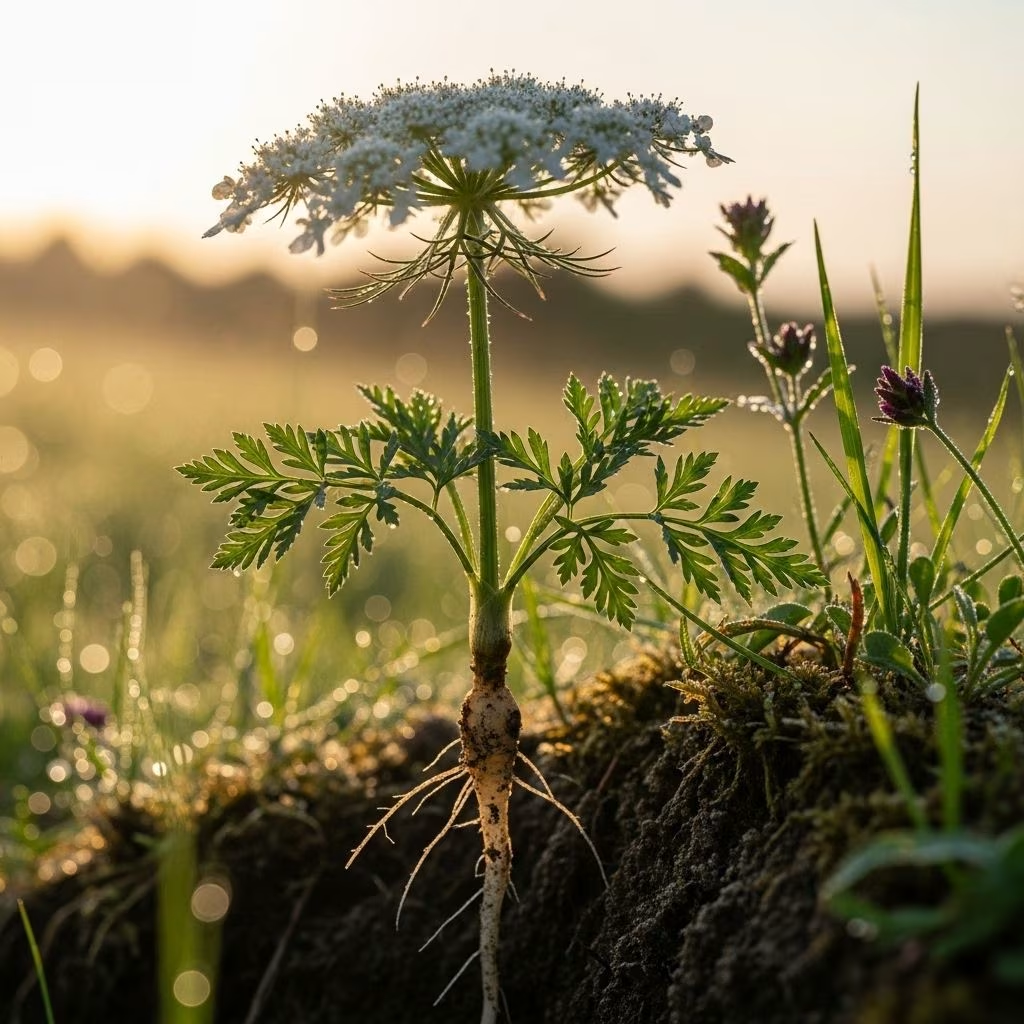
Queen Anne’s Lace (Daucus carota), also called wild carrot, has graced meadows and fencerows with its delicate, lacy blooms for centuries. But beneath its fern-like leaves and iconic white flowers lies the often-overlooked root: a plant part historically prized for food, medicine, and flavor. This comprehensive guide explores the identity, benefits, uses, and taste of Queen Anne’s Lace root, bridging folklore, modern science, and culinary curiosity.
What Is Queen Anne’s Lace Root?
Queen Anne’s Lace root is the taproot of the Daucus carota plant, more commonly known as wild carrot. While related and visually similar to the domesticated orange carrot, Queen Anne’s Lace root is thinner, paler, and often has a stronger, earthier aroma. The plant as a whole—including its seeds, leaves, and flowers—has been celebrated for both food and medicine, but it’s the root that carries a significant part of its legacy.
Botanical Background & Identification
Being able to correctly identify Queen Anne’s Lace is critical for safe and effective wildcrafting:
- Scientific Name: Daucus carota (subspecies carota)
- Family: Apiaceae (Carrot/Parsley family)
- Growth: Biennial—a leafy rosette and root in its first year, flowering in its second year
- Root: Slender, white to pale yellow taproot, often forked and hairy, with a distinctive carroty scent
- Leaves: Finely divided, lacy, very similar to carrot leaves
- Flowers: Flat, white umbel clusters, generally with a single tiny deep purple floret at the center (the “blood drop” myth)
- Seeds: Small, bristled, and aromatic
Caution: Accurate identification is essential. Several highly toxic species—including poison hemlock (Conium maculatum) and water hemlock (Cicuta spp.)—strongly resemble Queen Anne’s Lace, especially before flowering. Always refer to multiple botanical guides and, if in doubt, consult an expert before foraging.
Historical and Cultural Significance
Queen Anne’s Lace is steeped in folklore and practical heritage:
- Name Origin: Named after Queen Anne of Great Britain, famed lace maker. The purple center supposedly represents a drop of her blood from a pricked finger.
- Indigenous Uses: Native peoples such as the Nez Perce and Navajo used the root—boiled or raw—for nourishment and blood “cleansing,” as well as for fevers, itching, and snakebite treatments.
- Europe and Russia: Used as a digestive stimulant, diuretic, and skin poultice, as well as for “appetite restoration” and wound healing.
- Early America: Medicinal teas, root poultices, and “wild carrot” jelly/jam feature in traditional colonial home remedies.
Nutritional Profile of Queen Anne’s Lace Root
The nutritional makeup of wild carrot root closely mirrors that of cultivated carrot, though in smaller concentrations due to the slimmer, woodier root:
- Vitamins: Rich in vitamin A precursors (beta-carotene), B vitamins, and vitamin C.
- Minerals: Contains potassium, calcium, phosphorus, and trace minerals.
- Phytonutrients: High in antioxidants and volatile oils, particularly in seeds and roots.
- Calories: Low in calories but provides dietary fiber and micronutrients.
Note: The wild root is typically tougher and less sweet than modern carrots, with a stronger flavor and aroma.
Medicinal Benefits and Modern Research
Queen Anne’s Lace root has been studied for various potential health-promoting properties, both in traditional practice and modern phytotherapy:
Traditionally Attributed Benefits
- Digestive Aid: Stimulates appetite and digestion; relieves gas, bloating, and intestinal cramps. Seeds are sometimes chewed for colic and flatulence.
- Diuretic and Cleansing: Used as a “blood cleanser,” mild diuretic, and to support kidney/bladder function.
- Wound Healing: Root poultices applied to skin injuries, burns, and cuts; credited with soothing and antiseptic effects.
- Antispasmodic: Helps relieve muscle and intestinal spasms due to presence of antispasmodic compounds.
- Contraception/Fertility: Seeds have been noted as a traditional contraceptive, though the root itself is less commonly associated with this effect.
Modern Herbal and Scientific Insights
- Anti-inflammatory: Carrot seed extract inhibits COX-I and COX-II enzymes more effectively than some NSAID drugs.
- Antioxidant & Anticancer Activity: In vitro studies show wild carrot root and seed extracts possess significant antioxidant capacity and anti-tumor potential.
- Skin Benefits: Carrot root oils are now popular in natural skincare, for hydrating, healing, and diminishing scars.
- Liver Protection: Animal research indicates hepatoprotective (liver-protective) properties in carrot seed oil.
While promising, these studies are preliminary and do not replace professional medical advice or treatment. Wild-harvested botanicals should be used with great care.
Traditional and Modern Uses
Historical Decoctions, Poultices, and Teas
- Appetite Stimulation: Root decoctions or teas taken in small doses before meals.
- Topical Poultices: Boiled and crushed root applied to wounds, itching skin, or burns.
- Cleansing Tonics: Infused root blends for “blood cleansing” or seasonal tonic drinks.
Modern Herbal Preparations
- Herbal Teas: Root slices included in cleansing or detox tea blends.
- Tinctures & Extracts: Used by herbalists for digestive and mild diuretic effects.
- Skincare Oils & Creams: Commercial products may use carrot root extracts for antioxidant and skin-rejuvenating benefits.
- Culinary Uses: The root adds a wild, carroty note to stocks, broths, or mixed roasted root vegetable dishes, though it is often tougher than domestic carrots.
Culinary Uses and Flavor Profile
The Taste of Queen Anne’s Lace Root
The root is edible, especially when harvested in the first year of growth (before flowering), and is best when young and tender. Its flavor is generally described as:
- Earthy and carroty: Reminiscent of garden carrots, but less sweet and sometimes mildly bitter.
- Pungent: Stronger aroma and taste than supermarket carrots, with a hint of bitterness and wild herbal notes.
- Textural: More fibrous and woody, unless foraged very young.
Preparation Methods
- Consumed Raw: Can be nibbled fresh for a distinct “carroty” experience, but is best fit for slicing or grating due to texture.
- Boiled/Roasted: Traditional indigenous and historical use, softening the tough root, often in soups or broths.
- Pickled or Candied: Rare, but can be done for culinary variety.
Wildflower Recipes (Flowers and Seeds)
- Queen Anne’s Lace Fritters: The flowers are dipped in batter and fried; roots are less often used in this manner but can be cooked as a wild root vegetable.
- Jelly & Herbal Teas: Both the root and the flower heads can be used to make unique herbal teas and jellies that impart a delicate floral, wild carrot flavor.
| Aspect | Queen Anne’s Lace Root | Cultivated Carrot |
|---|---|---|
| Color | Pale white/yellow | Orange (occasionally white, purple, yellow) |
| Flavor | Earthy, strong, sometimes bitter | Sweet, mild |
| Texture | Fibrous, woody (unless young) | Crunchy, tender |
| Nutritional Value | Rich in phytonutrients, less sugar | Higher in sugars, vitamin A |
| Use | Culinary & medicine | Mainly culinary |
Harvesting, Safety and Likely Confusions
The carrot family is notorious for housing some of the world’s most poisonous plants. Foragers must be vigilant to avoid deadly lookalikes:
- Avoid Hemlocks: Poison hemlock and water hemlock often co-occur and are lethal. Queen Anne’s Lace has a carrot-like scent in its root, while hemlocks have a foul, “mousy” odor.
- Other Lookalikes: Fool’s parsley and other umbellifers also pose risks.
- Harvest Young Roots: These are safer and tastier; second-year roots tend to be woody and less desirable.
- Consult Multiple Sources: Always double-check with reputable wild edible guides and seasoned herbalists.
General Foraging Safety Tips:
- Never eat any wild plant unless 100% certain of identification.
- If allergic to carrots, celery, or parsley, avoid Queen Anne’s Lace.
- Pregnant individuals should exercise caution and consult a qualified practitioner before using any part of the plant.
- Moderate use is recommended to avoid toxicity.
Frequently Asked Questions (FAQs)
Q: Is Queen Anne’s Lace root edible?
A: Yes, the root is edible, especially when young and tender. It should be firmly identified before use, as dangerous lookalike plants exist.
Q: What does Queen Anne’s Lace root taste like?
A: The root has a strong, earthy, and carroty flavor—less sweet and more aromatic than cultivated carrots.
Q: Are there medicinal uses for Queen Anne’s Lace root?
A: Yes, traditionally it has been used as a digestive aid, diuretic, and wound healer, with modern research supporting anti-inflammatory and antioxidant effects.
Q: How do you prepare Queen Anne’s Lace root for eating?
A: Wash thoroughly and peel if desired. Young roots can be eaten raw or cooked (boiled, roasted); older roots are best boiled to soften their tough texture.
Q: Is it safe to forage Queen Anne’s Lace root?
A: Only if you are absolutely certain of correct identification—mistaking it for poison hemlock or other toxic relatives can be deadly.
Conclusion
Queen Anne’s Lace root is a window into the world of wild edibles and herbal medicine—offering nourishment, healing, and an intriguing taste deeply tied to nature’s cycles. While modern carrots overshadow it in sweetness and popularity, the wild carrot root remains a symbol of ancient culinary and healing wisdom. Approach it with respect, knowledge, and care, and it may enrich both your plate and your apothecary.
References
- https://www.growforagecookferment.com/queen-annes-lace-fritters/
- https://www.achula.com/post/queen-anne-s-lace
- https://www.eattheweeds.com/daucus-carota-pusillus-edible-wild-carrots-2/
- https://wildlettucegal.wordpress.com/2015/08/03/herbal-tea-jelly-queen-annes-lace/
- https://food52.com/story/11124-queen-anne-s-lace-the-wild-mother-of-carrot-a-cognac-aperitif
- https://grist.org/food/how-to-make-a-delicious-cocktail-out-of-wildflowers/
- https://thenorthwestforager.com/2015/03/12/wild-carrot-queen-annes-lace/


