


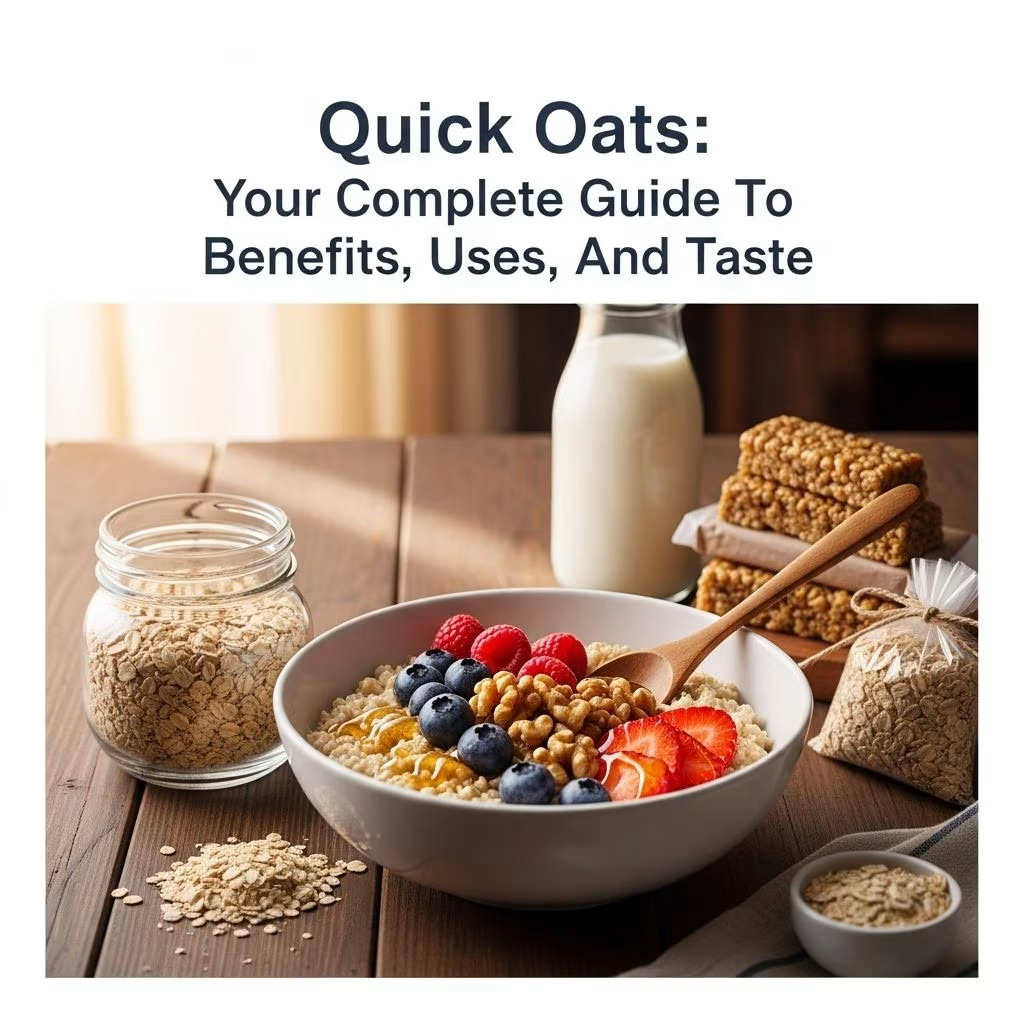
Oats have remained a staple throughout dietary history. Among the many oat products available, quick oats occupy a unique place for their speed, nutritional value, and adaptability. If you’re looking to make quick, wholesome meals or want an easy ingredient to enrich your recipes, understanding quick oats is key. This article explores what quick oats are, their health benefits, versatility, how they taste, and how they compare with other oat varieties.
What Are Quick Oats?
Quick oats (sometimes called quick-cooking oats or instant oats) are a form of processed oats designed for rapid cooking. They are made from 100% whole grain oats and go through additional processing to make them thinner, smaller, and faster to cook compared to traditional rolled or steel-cut oats. This makes them a practical and popular ingredient for quick breakfasts and a wide range of recipes.
The Oat Grain Journey
Oats originate as whole grains (called “oat groats”) with a tough outer hull. The main types of edible oats include steel-cut oats, rolled oats, and quick oats, each undergoing different processing techniques. Quick oats offer the quickest preparation due to their finer size and increased surface area.
How Are Quick Oats Made?
The transformation from oat groat to quick oats involves a few critical steps:
- The oat groats are first steamed for longer than rolled oats, softening them thoroughly.
- They are then rolled into very thin flakes by passing between closely spaced rollers. Sometimes, the rolled oats are further cut into smaller pieces to increase surface area.
- This process produces thinner, smaller oat flakes that absorb liquid and cook much faster—usually within 1 to 5 minutes on the stove or even instantly in hot water.
Comparison of Oat Processing
- Steel-cut oats: Chopped whole groats; require the longest cooking time and have a chewy texture.
- Rolled oats: Steamed and rolled into flat flakes; thicker than quick oats and take slightly longer to cook.
- Quick oats: Further steamed, rolled thinner, and often cut into smaller pieces for the fastest cooking time.
Nutritional Profile of Quick Oats
Despite their additional processing, quick oats remain a highly nutritious food. The core macronutrient and micronutrient value is nearly identical to rolled oats, with only minimal changes.
Typical Nutritional Values (per ~30g serving)
- Calories: 100–110
- Protein: 4g
- Total fat: 2g (saturated < 1g)
- Carbohydrates: 17–20g
- Dietary fibre: 3g
- Sugar: 0g
- Iron: 6–8% of Daily Value
- Calcium: 2%
Note: Exact values may vary by brand or serving size.
Key Nutrients in Oats Include:
- Beta-glucan: A soluble fiber known for lowering cholesterol and improving heart health.
- Magnesium, phosphorus, zinc, and selenium: Important minerals for cellular function and immunity.
- Antioxidants: Oats contain avenanthramides, unique antioxidants with anti-inflammatory and heart-protecting properties.
- No sodium or cholesterol: Naturally heart-healthy.
Health Benefits of Quick Oats
As a whole grain, quick oats deliver several science-backed health advantages. These include:
- Promoting Heart Health: The beta-glucan in oats is proven to lower LDL (“bad”) cholesterol and total cholesterol levels, reducing the risk of heart disease.
- Digestive Health: Their soluble and insoluble fibre support healthy digestion and regularity.
- Blood Sugar Management: The fibre content helps slow sugar absorption, though quick oats have a slightly higher glycemic index than steel-cut or rolled oats. Combining them with nuts, seeds, or protein can further help stabilize blood sugar.
- Weight Management: Beta-glucan increases satiety, keeping you feeling full longer and potentially reducing food intake.
- Gluten-Free Option: Naturally gluten-free, though those with severe gluten sensitivities should choose certified gluten-free products to avoid cross-contamination.
- Rich in Nutrients: Oats contribute important vitamins and minerals, including iron, magnesium, thiamin (vitamin B1), and more.
Culinary Uses of Quick Oats
Quick oats are a versatile ingredient, prized for their ability to cook rapidly and blend smoothly into recipes. Their uses extend beyond breakfast porridge, making them an essential pantry item:
- Breakfast Porridge: The classic use—just add boiling water or milk, stir, and let stand for 1–5 minutes. Top with fruit, nuts, or spices for variety.
- Overnight Oats: Soak quick oats in milk or yogurt overnight in the fridge for a cold, creamy breakfast.
- Baking: Use quick oats in muffins, pancakes, cookies, granola bars, or bread for extra texture and nutrition.
- Thickener: Add to soups, stews, or smoothies to thicken and add subtle flavor.
- Breading: Substitute for breadcrumbs in coatings for meat, fish, or veggie patties.
- Healthy Add-in: Stir quick oats into yogurt, cottage cheese, or salads for extra fibre and nutrients.
Basic Preparation Guide
Making quick oats is exceptionally easy. For a single serving:
- Combine 1/3 cup (30g) of quick oats with 2/3 cup (160ml) of water or milk.
- Microwave for 1–2 minutes or simmer on the stovetop for 1–3 minutes, stirring once or twice.
- Let stand briefly; add toppings as desired.
For thicker or thinner oatmeal, adjust the water-to-oats ratio.
Taste and Texture of Quick Oats
Quick oats offer a mild, slightly nutty flavor characteristic of all oat products, but with a softer, smoother mouthfeel compared to less processed oats.
- Taste: Clean, mild, and a little sweet, allowing other ingredients and toppings to shine.
- Texture: Creamier and less chewy than rolled or steel-cut oats; some describe their porridge as smoother and less distinct in individual oat pieces.
This makes quick oats especially suited for children or those who prefer a softer breakfast cereal. However, the subtle flavor means quick oats pair well with both sweet and savory additions—fruits, spices, vegetables, or even eggs.
Quick Oats vs. Other Types of Oats
A frequent question is how quick oats compare nutritionally and in culinary performance to other forms.
| Type | Cooks In | Texture | Best For | Nutritional Differences |
|---|---|---|---|---|
| Steel-cut | 20–30 min | Chewy, hearty | Hearty porridge, pilafs | Highest satiety, low GI |
| Rolled | 5–10 min | Soft, slightly chewy | Porridge, baking | Similar to quick oats |
| Quick | 1–3 min | Creamy, soft | Rapid porridge, smoothies, baking | Marginally higher GI, otherwise similar |
Key Distinction: All are whole grain and highly nutritious. Quick oats’ main advantage is rapid cooking, while rolled and steel-cut provide more texture.
Potential Drawbacks to Consider
- Higher Glycemic Index: Quick oats cause a more rapid rise in blood sugar than less processed oats. Diabetics or those with blood sugar concerns may want to pair them with protein or fat.
- Slightly Lower Texture Complexity: For some, the creaminess and lack of chew may be less satisfying than thicker oats.
- Some Instant Varieties Have Additives: Always check for plain quick oats to avoid added sugars or unnecessary ingredients.
Frequently Asked Questions (FAQs)
Q: Are quick oats as healthy as rolled or steel-cut oats?
A: Yes, plain quick oats provide nearly all the nutritional benefits of rolled or steel-cut oats. Most differences are due to physical form and cooking time.
Q: Are quick oats gluten-free?
A: Oats are naturally gluten-free, but check for certified gluten-free products if you have celiac disease due to possible cross-contamination.
Q: Can I use quick oats in baking instead of rolled oats?
A: In most baked recipes, quick oats and rolled oats are interchangeable, though texture will be slightly softer and more uniform with quick oats.
Q: Do quick oats taste different from other oats?
A: The basic flavor is the same—mildly nutty and sweet—but the texture is creamier and less chewy than rolled or steel-cut oats.
Q: How can I make quick oats more filling?
A: Add nuts, seeds, nut butters, or a scoop of Greek yogurt to improve the protein and fat content, which enhances satiety and balances blood sugar.
Summary Table: Quick Oats at a Glance
| Feature | Quick Oats |
|---|---|
| Primary Ingredient | 100% whole grain oats |
| Cooking Time | 1–3 minutes |
| Texture | Creamy, smooth |
| Taste | Mild, slightly nutty |
| Main Nutritional Benefits | Fibre, protein, iron, magnesium, antioxidants, low fat |
| Most Common Uses | Porridge, overnight oats, baking, smoothies, thickeners, breading |
| Glycemic Index | Moderate to high (higher than rolled/steel-cut) |
| Allergen Note | Naturally gluten-free, check for certified labels |
References
- https://www.pccmarkets.com/product-info/bulk/bulk-quick-rolled-oats-371109/
- https://www.tastyrewards.com/en-ca/brands/quaker/products/quick-quakerr-oats
- https://www.healthline.com/nutrition/rolled-vs-steel-cut-oats
- https://hannahmageerd.com/rolled-oats-vs-quick-oats-whats-the-difference/
- https://www.quakeroats.com/products/hot-cereals/quick-oats
- https://smartlabel1.thatssmartbrand.com/193476000107-0001-en-US/index.html
- https://fns-prod.azureedge.us/sites/default/files/resource-files/QuickCookingRolledOats.pdf


