


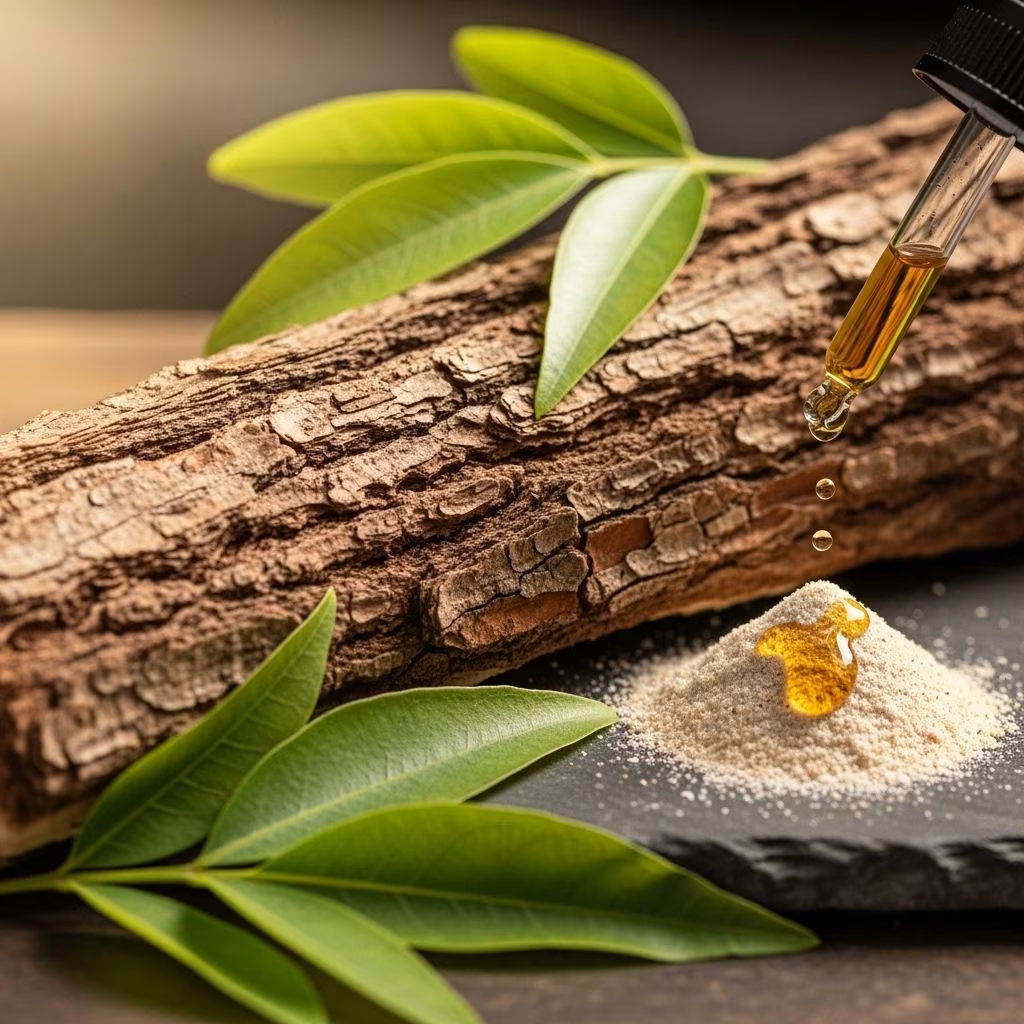
Quillaja Saponaria bark extract, often referred to as “soapbark,” is a natural ingredient gaining popularity in the cosmetics and skincare industry. Derived from the inner bark of the Quillaja saponaria tree, native to South America, this extract is praised for its gentle cleansing, moisturizing, and soothing effects. This comprehensive guide examines the science, uses, and safety profile of Quillaja bark extract for the skin, helping both consumers and formulators understand its diverse applications and considerations.
Origin and Extraction Process
Quillaja bark extract is obtained from the Quillaja saponaria tree, found primarily in Chile and other regions of South America. The bark, recognized for centuries by indigenous cultures for its cleansing and medicinal qualities, is harvested using sustainable methods that help protect the surrounding ecosystem.
- The inner bark is carefully removed, dried, and milled to increase surface area.
- Extraction uses water or gentle solvents such as alcohol to draw out the active plant compounds, especially saponins.
- The solution is filtered and concentrated, resulting in a dark brown, water-soluble extract with a mild, pleasant scent and low viscosity.
This process helps retain the natural integrity of the saponins while minimizing the use of harsh chemicals, which appeals to consumers seeking eco-friendly skincare solutions.
Composition and Key Properties
The main active components in Quillaja bark extract are saponins—plant-derived glycosides known for their foaming, emulsifying, and surface-active properties. The high saponin content gives this extract its unique ability to cleanse and create lather in cosmetic formulations.
| Property | Characteristic |
|---|---|
| Main Components | Saponins, polyphenols, trace minerals, sugars |
| Appearance | Dark brown liquid or powder |
| Solubility | Water-soluble |
| Scent | Mild, sweet, natural |
| Foaming Ability | Excellent |
| Pore-clogging (comedogenicity) | Low (rated 1/5) |
Aside from saponins, Quillaja bark extract also contains antioxidants that support skin protection, as well as polysaccharides that may enhance skin hydration and barrier function.
Skin Benefits of Quillaja Bark Extract
When used in skincare formulations, Quillaja bark extract offers several scientifically and regulatorily recognized benefits.
- Cleansing: Its surfactant nature binds dirt and oil, offering effective yet gentle cleansing for sensitive, oily, or combination skin types. The extract helps clear pores without over-drying.
- Anti-Seborrheic: By regulating sebum (oil) production, it helps reduce shine and the likelihood of acne breakouts. This is particularly beneficial for those with oily or acne-prone skin.
- Moisturizing: Quillaja bark extract helps retain the skin’s natural moisture, combatting dryness. Its chemistry supports skin smoothness and suppleness.
- Skin Conditioning: Used consistently, the extract improves skin texture, promotes radiance, and enhances skin resilience.
- Anti-Inflammatory: It can reduce redness and sensitivity, potentially soothing inflamed or irritated skin—especially beneficial in acne or after cleansing.
- Antioxidant Protection: The saponins and polyphenols counteract free radicals, helping defend against environmental stressors and premature skin aging.
- Microbiota Balance: The extract may support the skin’s healthy microbial balance, reducing reactivity and strengthening the natural barrier.
- Low Comedogenicity: With a low rating on the comedogenicity scale, it is unlikely to clog pores, making it suitable for acne-prone users.
Summary Table: Skin Benefits of Quillaja Bark Extract
| Benefit | Description |
|---|---|
| Cleansing | Removes dirt, oil, impurities |
| Oil Regulation | Reduces sebum and balances oily skin |
| Moisturizing | Prevents dryness and supports hydration |
| Anti-Inflammatory | Soothes irritation, reduces redness |
| Skin Conditioning | Improves texture and radiance |
| Antioxidant | Protects from free radicals and aging |
| Low Comedogenicity | Unlikely to clog pores |
Cosmetic Uses and Applications
Quillaja bark extract is valued for its versatility in the cosmetic and personal care industry. Its functional properties support multiple product formulations, especially those aimed at gentle and effective cleansing, hydration, and sensitive skin care.
- Facial Cleansers: Included in gels, creams, and foams for its ability to lift away dirt and sebum without harshness.
- Body Washes & Shower Gels: Provides a natural, luxurious lather and a pleasant, subtle fragrance.
- Shampoos and Scalp Care: Used for its foaming and anti-seborrheic properties, helping to cleanse scalp buildup and soothe irritation.
- Facial and Body Creams: Enhances texture and skin feel, supports moisture retention, and assists in emulsion stability.
- Makeup Removers: Effective in cleansing oil-based cosmetics while maintaining skin integrity.
- Soothing Gels and Serums: Included for its anti-inflammatory and calming activities.
Quillaja bark extract is also appreciated for its sustainable and natural origin, making it a choice ingredient for “clean beauty” or eco-conscious consumers.
Functional Roles in Product Formulations
- Cleansing Agent (Surfactant): Removes impurities efficiently.
- Foaming Agent: Produces foam in cleansers and shampoos.
- Emulsifier: Stabilizes combinations of oil and water.
- Fragrance and Sensory Enhancer: Adds a mild, pleasant aroma and silky feel to products.
How Quillaja Bark Extract Works on the Skin
The success of Quillaja bark extract in skincare formulations lies in the action of saponins. These molecules act by:
- Binding Oils and Dirt: Saponins have a hydrophilic (water-loving) and lipophilic (oil-loving) part, which allows them to encapsulate oils, dirt, and debris, enabling effective rinsing.
- Enhancing Moisture: Saponins can form micelles that help retain moisture in the stratum corneum (the uppermost layer of the skin).
- Soothing Inflammation: Antioxidant and anti-inflammatory plant compounds reduce cytokine expression and calm stressed skin.
- Balancing Microbiota: Preserves beneficial bacteria, thereby supporting the skin barrier and reducing sensitivity.
Saponins’ gentle action makes Quillaja bark extract suitable for sensitive, dry, oily, and even acne-prone skin.
Side Effects and Safety Considerations
While Quillaja bark extract is generally regarded as safe for cosmetic use, a few safety points are important to note:
- Low Irritation Risk: It is unlikely to cause irritation or clog pores, but individuals with very sensitive skin should perform a patch test before extensive use.
- Potential Allergic Reactions: Rarely, redness, itching, or rash may occur, particularly in people allergic to saponins or tree-derived ingredients.
- External Use Only: Quillaja bark extract should not be ingested or allowed contact with the eyes, as it may cause toxicity or irritation at high concentrations.
- Dosage Considerations: Always follow recommended concentrations in cosmetic formulations, as high concentrations can increase the risk of irritation.
Clinical studies and regulatory reviews indicate that Quillaja Saponaria bark extract is considered non-toxic when applied topically as directed. Sustainable harvesting and processing further enhance its safety and environmental profile.
Comparison With Other Natural Cleansers
| Ingredient | Main Benefit | Comedogenicity | Common Uses |
|---|---|---|---|
| Quillaja Saponaria Bark Extract | Gentle foaming, oil regulation | Low (1/5) | Cleansers, shampoos, creams |
| Aloe Vera Extract | Hydration, soothing | Low (0/5) | Lotions, after-sun, serums |
| Hydrogenated Coconut Oil | Moisturization, cleansing | Varies (can be high) | Balms, creams, conditioners |
This comparison underscores Quillaja bark extract’s suitability for oily or blemish-prone skin, and its advantage as a balancing, foam-enhancing natural cleanser.
Frequently Asked Questions (FAQs)
Q: Is Quillaja bark extract suitable for sensitive skin?
A: Yes. Due to its gentle cleansing and low comedogenicity, it is appropriate for sensitive, reactive skin types. Always conduct a patch test when trying a new ingredient.
Q: Can it help with acne?
A: Quillaja bark extract may support acne-prone skin thanks to its oil-regulating, pore-cleansing, and anti-inflammatory effects.
Q: Is Quillaja bark extract environmentally friendly?
A: Yes. The extract is derived from sustainably harvested Quillaja saponaria trees, and its production avoids harsh chemicals, aligning with eco-friendly beauty values.
Q: What products contain this ingredient?
A: Quillaja bark extract is found in facial cleansers, body washes, natural shampoos, creams, lotions, and some makeup removers. Always check ingredient lists for “Quillaja Saponaria Bark Extract” on the label.
Q: Are there any alternatives to Quillaja bark extract?
A: Aloe vera extract and hydrogenated coconut oil offer cleansing or hydrating properties, with different foam and texture profiles. Quillaja excels especially where natural lather and oil regulation are desirable.
Q: Can Quillaja bark extract cause allergic reactions?
A: Reactions are rare but possible, particularly in those with sensitivities to saponins or botanical ingredients. Discontinue use if any rash, itching, or discomfort occurs.
Conclusion
Quillaja Saponaria bark extract is a multi-functional, natural skincare ingredient that offers gentle yet effective cleansing, moisturization, oil control, and skin-soothing benefits. Its low risk of irritation and sustainable profile make it a popular choice for a variety of cosmetics, from facial cleansers and shampoos to creams and serums. As with any ingredient, patch testing is recommended, and those with plant allergies should proceed with caution. With its proven effectiveness and growing popularity, Quillaja bark extract is set to remain a valuable asset in both modern and natural beauty regimens.
References
- https://www.deascal.com/ingredient-information/quillaja-saponaria-bark-extract/
- https://sincereskincare.com/ingredients/quillaja-saponaria-bark-extract/
- https://www.specialchem.com/cosmetics/inci-ingredients/quillaja-saponaria-bark-extract
- https://puracy.com/blogs/ingredients/quillaja-saponaria-soapbark-extract
- https://us.typology.com/library/what-is-quillaja-saponaria-wood-extract-and-what-is-its-utility
- https://pmc.ncbi.nlm.nih.gov/articles/PMC6337100/
- https://us.babor.com/substances/668/quillaja-extract
- https://tourturf.com/quillaja/


