


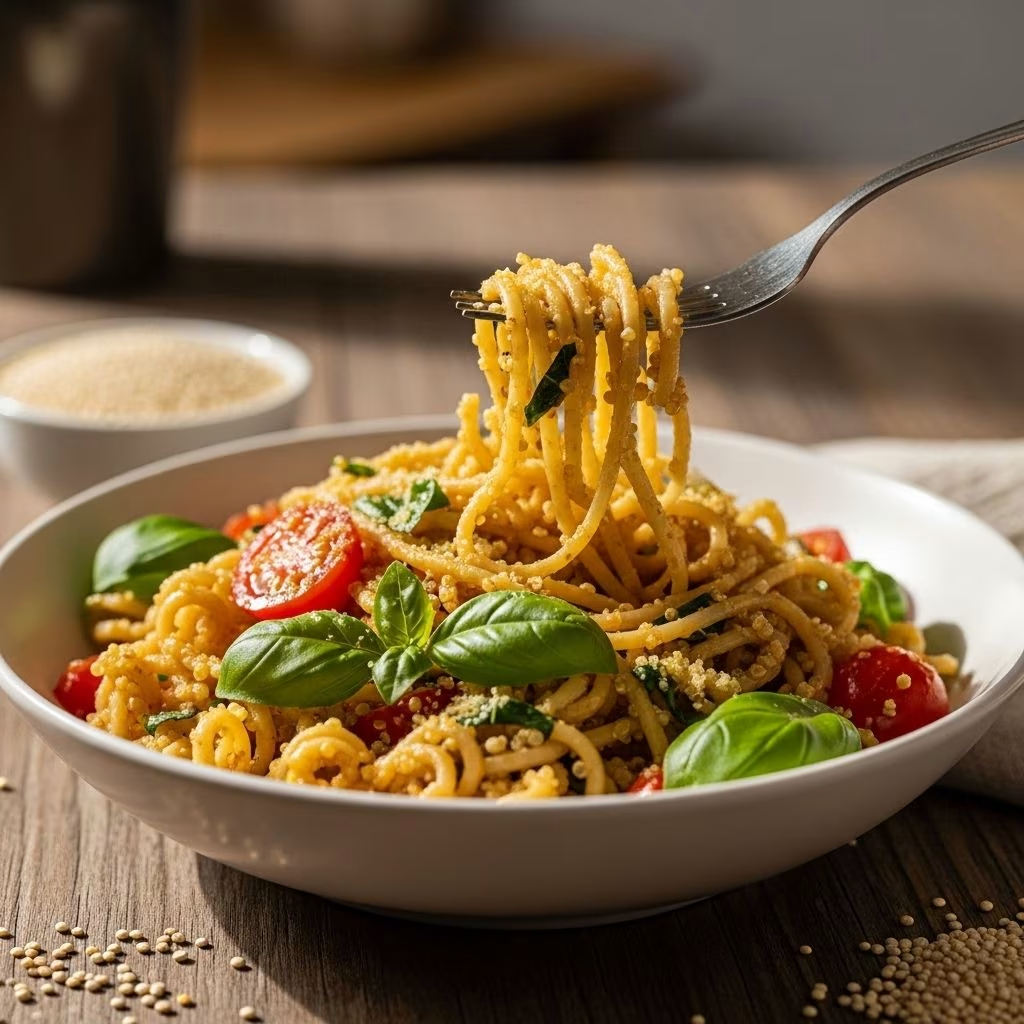
Quinoa pasta is an increasingly popular alternative to traditional wheat-based pastas, celebrated for its nutritional profile, culinary versatility, and suitability for special diets such as gluten-free and plant-based eating. But how does it stack up nutritionally, what are the health benefits, and what can you expect in terms of taste and texture? This comprehensive guide explores everything you need to know about quinoa pasta.
Introduction to Quinoa Pasta
Quinoa pasta is made primarily from quinoa flour, sometimes blended with other gluten-free flours such as corn or rice. Quinoa itself is a pseudocereal—while not a true cereal grain, its seeds are used similarly to grains in many diets. Cultivated for thousands of years in the Andean region of South America, quinoa has only recently gained global popularity, especially for its high protein content and adaptability in gluten-free diets.
Offering a nutritious alternative, quinoa pasta is available in various shapes and sizes, including spaghetti, penne, fusilli, and macaroni, making it easy to swap into almost any pasta recipe.
Nutritional Profile of Quinoa Pasta
One of quinoa pasta’s greatest strengths lies in its nutritional composition. Here are key nutrients typically found in quinoa pasta:
- Protein: Quinoa pasta contains more protein than most traditional pastas, delivering all nine essential amino acids, making it a complete protein source.
- Fiber: High fiber content aids in digestion and promotes satiety, helping regulate appetite and digestive health.
- Minerals: Rich in magnesium, iron, zinc, and manganese—essential for immunity, energy, and metabolic processes.
- Vitamins: Often provides valuable B vitamins, folate, and vitamin E.
- Low Glycemic Index: Slower impact on blood sugar compared to many traditional pastas, beneficial for blood sugar management.
- Gluten-Free: Naturally free from gluten, making it suitable for those with celiac disease or gluten sensitivity.
| Nutrient | Quinoa Pasta | Traditional Wheat Pasta |
|---|---|---|
| Calories | ~200 kcal | ~160–220 kcal |
| Protein | 5–8 g | 4–6 g |
| Fiber | 3–5 g | 1–3 g |
| Iron | ~10% DV | ~5% DV |
| Magnesium | ~22% DV | ~10% DV |
| Gluten | 0 g | Present |
Exact values vary by brand and blend—always check the packaging for specific details.
Health Benefits of Quinoa Pasta
- Complete Protein Source: Contains all essential amino acids, including lysine and methionine, supporting muscle repair and overall cell function.
- High in Fiber: The fiber content not only aids digestive regularity but also helps reduce cholesterol and promotes gut health.
- Rich in Antioxidants: Compounds like quercetin and kaempferol help fight inflammation and may reduce the risk of chronic diseases.
- Blood Sugar Management: Its low glycemic index means a more moderate effect on blood sugar, ideal for those watching carbohydrate intake.
- Nutrient Dense: Provides significantly higher amounts of minerals compared to many staple pastas and grains, supporting immune function, bone health, and red blood cell production.
- Gluten-Free and Allergy-Friendly: Perfect for people with celiac disease, gluten intolerance, or wheat allergies.
- Potential Heart Health Benefits: Quinoa’s unsaturated fats and antioxidants may contribute to improved cholesterol profiles and cardiovascular protection.
People following vegan or vegetarian diets especially benefit from quinoa pasta’s protein quality, while those managing digestive issues or chronic diseases such as diabetes may find its fiber and nutrient content advantageous.
Quinoa Pasta vs. Regular Pasta
Understanding how quinoa pasta compares to traditional semolina or wheat-based pastas highlights its unique selling points:
| Feature | Quinoa Pasta | Regular Pasta |
|---|---|---|
| Protein Quality | Complete protein | Incomplete protein (lacks some amino acids) |
| Gluten Content | Gluten-free | Contains gluten |
| Fiber Content | 3–5 g per serving | 1–3 g per serving |
| Glycemic Index | Lower (slower glucose spike) | Moderate to higher |
| Micronutrient Density | Higher in magnesium, iron, zinc | Lower levels unless enriched |
| Flavor | Nutty, earthy | Neutral, mild |
While regular pasta is beloved for its familiarity and tender texture, quinoa pasta’s nutritional and functional advantages make it a compelling choice for health-conscious eaters and those with dietary restrictions.
Culinary Uses of Quinoa Pasta
Thanks to its similar shape and cooking behavior, quinoa pasta can substitute for traditional pasta in any favorite recipe:
- Main Dishes: Pair with classic tomato, vegetable, or pesto sauces for a nutritious twist on Italian staples.
- Pasta Salads: The firm, chewy texture holds up well in cold pasta salads with vegetables, herbs, and vinaigrettes.
- Bake and Casseroles: Use in dishes like lasagna, baked macaroni, or ziti for gluten-free meals.
- Global Cuisine: Swap into Asian-style stir-fry, Mediterranean bowls, or as a protein boost to soups.
Because quinoa pasta carries a subtle nutty note, it often accents hearty, earthy ingredients such as mushrooms, roasted vegetables, and legumes. It also performs well in vegan and vegetarian dishes, making it easy to build complete, balanced meals.
Taste and Texture: What to Expect
Quinoa pasta offers a unique eating experience compared to traditional wheat pasta:
- Taste: Expect a light nutty and earthy flavor, slightly stronger than white or whole wheat pasta but generally pleasant and able to complement a variety of sauces.
- Texture: Tends to be a bit firmer and chewier; if overcooked, some brands can become mushy, so proper cooking time is crucial.
- Appearance: Naturally varies from pale yellow to light brown, depending on blend and additional ingredients (such as rice or corn flour).
If you are sensitive to texture or new to gluten-free pastas, try a single serving first and experiment with brands to find your preferred style, as mouthfeel may differ depending on the quinoa-to-other-flour ratio.
Cooking Tips and Preparation Ideas
- Use Ample Water: Like regular pasta, cook quinoa pasta in plenty of boiling salted water.
- Stir Frequently: Prevents noodles from sticking, especially in the first few minutes.
- Check Early for Doneness: Gluten-free pasta can quickly become mushy—taste test towards the lower end of cooking time suggested by the package.
- Rinse After Cooking: Brief rinsing can help remove excess starch and improve texture.
- Pairing Suggestions: Complements creamy sauces (alfredo, tahini), fresh tomato sauces, lemony pesto, or simple olive oil and herbs.
Recipe Idea: Toss cooked quinoa penne with sautéed garlic, cherry tomatoes, spinach, and a sprinkle of feta for a complete meal.
Frequently Asked Questions (FAQs)
Q: Is quinoa pasta gluten-free?
A: Yes, quinoa pasta is naturally gluten-free, provided it isn’t blended with wheat or barley flour. Check labels to ensure purity if you have celiac disease or allergies.
Q: Does quinoa pasta taste like wheat pasta?
A: Quinoa pasta has a mild nutty and earthy taste—noticeable but not overpowering. It pairs well with most sauces but can have a firmer, slightly chewy texture compared to traditional pasta.
Q: Is quinoa pasta healthier than regular pasta?
A: Quinoa pasta is richer in protein, fiber, and several antioxidants and minerals; it’s especially beneficial for those needing gluten-free options, higher plant-based protein, or improved blood sugar control.
Q: Can children eat quinoa pasta?
A: Yes, quinoa pasta is suitable for all ages. Its nutrient density makes it an excellent choice for school lunches and family meals.
Q: How can I keep quinoa pasta from becoming mushy?
A: Avoid overcooking—test 1–2 minutes before recommended cooking time and rinse briefly with cool water to preserve texture.
Q: Is quinoa pasta expensive?
A: It can cost more per pound than regular pasta due to quinoa’s higher production costs and processing, but its health advantages may justify the investment, especially for those with dietary restrictions.
In Summary
Quinoa pasta is a versatile, nutritious alternative to wheat-based pasta, offering benefits like higher protein, complete amino acids, more fiber, essential minerals, antioxidants, and gluten-free versatility. With its unique nutty taste and firm bite, it appeals to both health-driven foodies and those with special dietary needs. Experiment with quinoa pasta varieties in your favorite recipes and discover a delicious way to elevate your mealtime nutrition.
References
- https://casadesante.com/blogs/pasta/quinoa-pasta-vs-regular-pasta
- https://www.mountsinai.org/health-library/special-topic/healthy-food-trends-quinoa
- https://www.healthline.com/nutrition/8-health-benefits-quinoa
- https://www.healthline.com/nutrition/quinoa
- https://nutritionsource.hsph.harvard.edu/food-features/quinoa/
- https://health.clevelandclinic.org/quinoa-benefits
- https://pmc.ncbi.nlm.nih.gov/articles/PMC4957693/
- https://stories.strava.com/articles/the-abcs-of-sports-nutrition-oats-pasta-quinoa-red-lentils


