


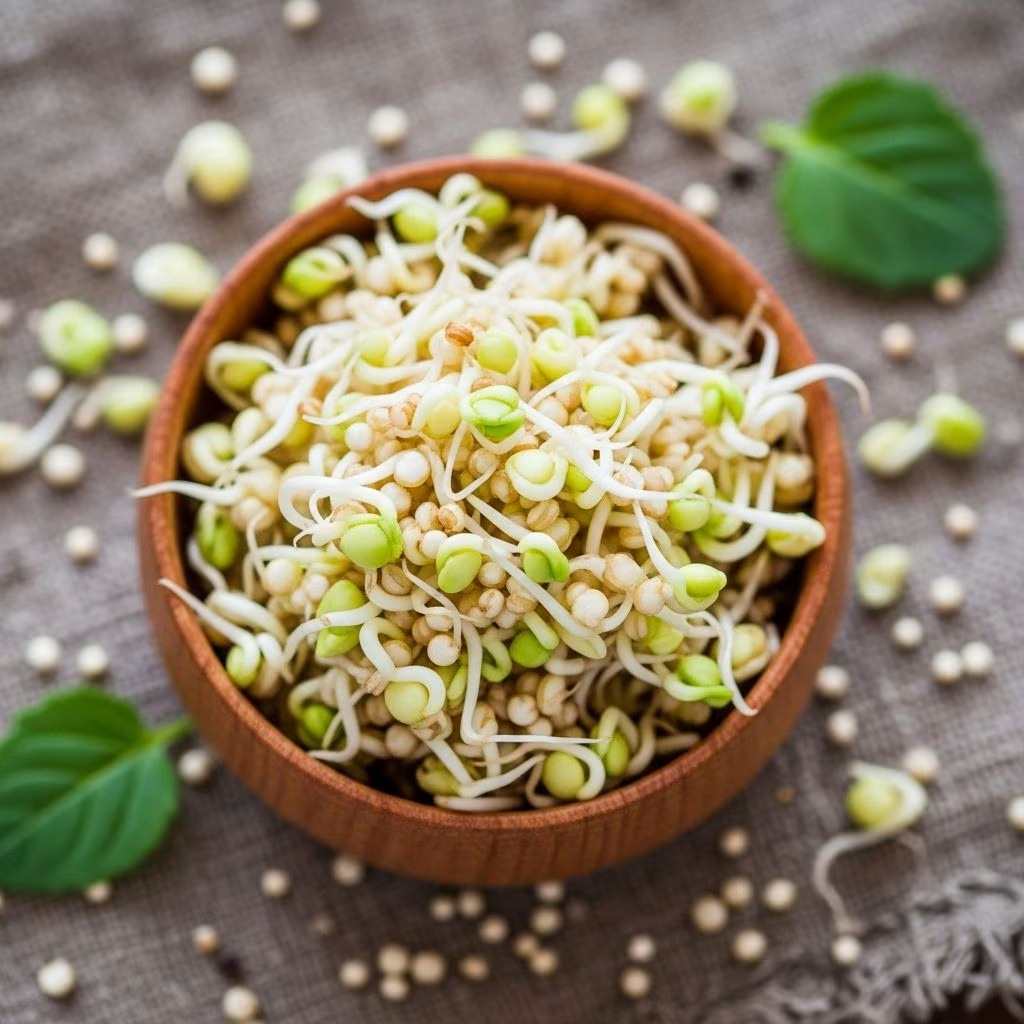
Quinoa sprouts are emerging as a prized ingredient in the world of health and nutrition, gaining attention among wellness enthusiasts, chefs, and anyone seeking greater nutritional value from plant-based foods. This article delves deep into what quinoa sprouts are, their notable nutritional advantages, various culinary uses, and their unique sensory characteristics. Whether you are new to sprouting, a seasoned healthy eater, or a curious cook, this comprehensive guide will illuminate every aspect of quinoa sprouts and inspire you to add them to your daily routine.
Introduction to Quinoa Sprouts
Quinoa (pronounced KEEN-wah) is a highly nutritious pseudocereal, known for its edible seeds, which resemble grains in appearance and function. When these seeds are soaked and allowed to germinate, they become quinoa sprouts—young seedlings that are packed with exceptional nutritional value. The sprouting process triggers enzymatic changes within the grain, enhancing its digestibility, unlocking hidden nutrients, and altering its flavor profile.
Sprouted seeds, including quinoa, have been part of traditional diets for centuries, valued for their potential to increase nutrient absorption and reduce antinutrients. In recent years, the spotlight has turned to quinoa sprouts for their impressive health benefits and culinary flexibility.
Nutritional Profile of Quinoa Sprouts
Quinoa, even before sprouting, is hailed for being gluten-free and naturally rich in essential nutrients like protein, fiber, and minerals. The sprouting process amplifies certain nutrients and makes them more bioavailable.
| Component | Uncooked Quinoa (per 100g) | Sprouted Quinoa (per 100g, estimate) |
|---|---|---|
| Calories | 368 kcal | ~120 kcal (lower due to water absorption) |
| Protein | ~14g | ~4.5g (complete amino acid profile) |
| Fiber | ~7g | 2.8–3g (more digestible) |
| Iron | 4mg | Improved absorption |
| Magnesium | 197mg | Enhanced bioavailability |
| Vitamin C | 0mg | Up to 15mg (develops during sprouting) |
Key takeaways from the nutritional profile:
- Complete protein: All nine essential amino acids are present.
- Fiber: Substantial, and more digestible after sprouting.
- Vitamins: Sprouting increases the vitamin content, especially vitamin C and B vitamins.
- Minerals: Higher bioavailability of iron, magnesium, and zinc due to reduced antinutrient levels.
- Antioxidants: Sprouting boosts antioxidant levels, including flavonoids such as quercetin and kaempferol.
- Low glycemic index: Does not cause a rapid spike in blood sugar.
Health Benefits of Quinoa Sprouts
- Highly nutritious and protein-rich: Quinoa sprouts are an excellent source of plant-based protein, especially valuable for vegetarians and vegans. They are considered a complete protein, containing all essential amino acids necessary for human health.
- Digestive wellness: The increased fiber content and improved digestibility help support smooth digestion and regular bowel movements, feeding beneficial gut bacteria and potentially reducing the risk of chronic disease.
- Rich in antioxidants: The sprouted form contains higher levels of plant compounds like quercetin and kaempferol, which have strong antioxidant and anti-inflammatory effects, protecting cells from oxidative stress.
- Enhanced mineral absorption: Sprouting reduces antinutritional factors such as saponins and phytic acid. This allows minerals like iron, zinc, and magnesium to be more easily absorbed.
- Supports metabolic health: The combination of complete protein, fiber, and low glycemic index may help regulate blood sugar, support cardiovascular health, and aid weight management by promoting fullness.
- Allergy- and gluten-friendly: Naturally gluten-free, quinoa sprouts are suitable for those with celiac disease or gluten intolerance, offering a nutrient-rich grain alternative.
- Increased vitamin content: Sprouting can produce vitamin C (which is absent in dry quinoa) and boost B vitamins, supporting immune health, energy production, and cellular repair.
- Folate and prenatal health: Quinoa sprouts supply significant folate, a vital nutrient especially important for pregnant individuals due to its role in fetal development.
How to Sprout Quinoa at Home
Sprouting quinoa is an easy and rewarding process that requires minimal equipment and time. By sprouting at home, you can guarantee the quality and freshness of your quinoa sprouts. Here’s a step-by-step method:
- Rinse: Measure 1 cup of raw, organic quinoa. Rinse thoroughly under cold water to remove natural saponins that can impart a bitter taste.
- Soak: Place the rinsed quinoa in a large bowl or jar and cover with filtered water. Let soak for 4–6 hours. Discard the soaking water.
- Drain & Rinse: Drain the soaking water through a fine mesh sieve or cheesecloth. Rinse thoroughly.
- Sprouting: Place the drained quinoa in a jar (with a breathable lid) or a sprouting tray. Store at room temperature, away from direct sunlight. Rinse and drain every 8–12 hours to prevent mold and promote sprouting.
- Harvest: Tiny white tails will emerge in 24–48 hours, indicating the sprouts are ready. Use immediately or store in the refrigerator for 2–3 days.
Tip: Take extra care to use clean utensils and sanitize your sprouting container to reduce the risk of bacterial growth.
Culinary Uses of Quinoa Sprouts
Quinoa sprouts are remarkably versatile in the kitchen. Their mildly crunchy texture and earthy, nutty flavor profile make them an ideal addition to numerous dishes. Here are popular ways to use quinoa sprouts:
- Salads: Mix a handful of quinoa sprouts into green, grain, or bean salads for an extra pop of nutrition and crunch.
- Wraps and Sandwiches: Use as a fresh, crispy layer in wraps, pita pockets, or sandwiches.
- Bowls and Buddha Bowls: Top off grain bowls, poke bowls, or Buddha bowls with a mix of colorful sprouts.
- Breakfast: Sprinkle over avocado toast, omelets, or combine with yogurt and fruit for a nutrient boost.
- Garnish: Use atop soups, curries, or stir-fries as a vibrant garnish.
- Snacking: Eat plain or with a drizzle of olive oil, lemon juice, and a pinch of salt as a fresh snack.
- Blending: Add to smoothies for extra protein and fiber, or into raw energy bars for texture and nutrition.
Quinoa Sprouts vs. Regular Quinoa
What sets quinoa sprouts apart from unsprouted quinoa? Here’s a side-by-side comparison of their differences and similarities:
| Aspect | Regular (Uncooked) Quinoa | Sprouted Quinoa |
|---|---|---|
| Nutrient Density | High in protein, fiber, vitamins, minerals | Higher bioavailability of nutrients, added vitamin C |
| Digestibility | Can be harder to digest due to antinutrients | Easier to digest, reduced antinutrients |
| Preparation | Boil or cook before eating | Eat raw or lightly cooked after sprouting |
| Uses | Cooked dishes (soups, grain bowls, pilafs) | Raw salads, sandwiches, smoothies, garnishes |
| Flavor | Nutty, slightly bitter (if not rinsed well) | Mild, earthy, slightly sweet and crunchy |
Taste and Texture of Quinoa Sprouts
One of quinoa sprouts’ greatest appeals lies in their unique sensory qualities:
- Taste: Quinoa sprouts have a delicate, mild flavor. They are less bitter than unsprouted quinoa due to the removal of saponins during the rinsing and sprouting process. Expect subtle nutty and earthy notes, with a hint of sweetness as they mature.
- Texture: Sprouts are tender but slightly crunchy, with a watery crispness that complements leafy salads, sandwiches, and wraps.
- Visual appeal: The tiny tail and nutrient-rich green shoot add vibrance and freshness to any plate.
Potential Risks and Precautions
While quinoa sprouts are a wholesome addition to most diets, consider these safety points:
- Food safety: Sprouting creates moist conditions that can foster bacterial growth (e.g., Salmonella, E. coli). Always rinse thoroughly, use sanitized equipment, and refrigerate finished sprouts within a few days.
- Allergens: Quinoa is generally hypoallergenic, but rare sensitivities are possible. Monitor for symptoms if trying quinoa sprouts for the first time.
- Oxalates: Quinoa (including sprouts) contains moderate levels of oxalates; those prone to kidney stones may wish to moderate intake.
- Digestive upset: Due to high fiber, introduce gradually if not used to sprouts or fiber-rich foods.
Frequently Asked Questions (FAQs)
Q: Is it safe to eat quinoa sprouts raw?
A: Yes, quinoa sprouts can be eaten raw, but ensure they are rinsed and grown in hygienic conditions. Refrigerate promptly and consume within 2–3 days for best safety and freshness.
Q: Are quinoa sprouts suitable for a gluten-free diet?
A: Yes, quinoa and its sprouts are naturally gluten-free and safe for individuals with celiac disease or gluten intolerance.
Q: Which color of quinoa is best for sprouting?
A: Any variety (white, red, or black quinoa) can be sprouted, though white quinoa tends to sprout fastest and produces tender, mild-tasting sprouts.
Q: How do quinoa sprouts compare nutritionally to other sprouts?
A: Quinoa sprouts offer more complete protein and a broader spectrum of essential amino acids than many other common sprouts, making them a superior protein source among plant-based germinated foods.
Q: Can quinoa sprouts be cooked?
A: Yes, but gentle cooking is recommended to preserve delicate nutrients and texture. Lightly steaming or tossing in warm dishes is preferable to heavy cooking.
Summary and Final Thoughts
Quinoa sprouts are a nutritional powerhouse, combining the best attributes of quinoa and the biological upgrades of sprouting. They offer easily digestible complete protein, boosted vitamins, improved mineral absorption, and antioxidant protection in a compact, convenient form. Whether you want to enrich salads, sandwiches, or smoothies, quinoa sprouts bring superior nutrition and a pleasant crunch to your diet. By understanding their benefits, proper sprouting techniques, and how to use them deliciously, you can harness their full potential for health and culinary enjoyment.
References
- https://www.healthline.com/nutrition/8-health-benefits-quinoa
- https://www.healthline.com/nutrition/quinoa
- https://pmc.ncbi.nlm.nih.gov/articles/PMC10821386/
- https://growyourpantry.com/blogs/sprouting/sprouting-quinoa-the-definitive-guide
- https://sproutpeople.org/products/quinoa-sprouts
- https://www.health.harvard.edu/blog/sprouted-grains-nutritious-regular-whole-grains-2017110612692
- https://healyeatsreal.com/how-to-sprout-quinoa/


