


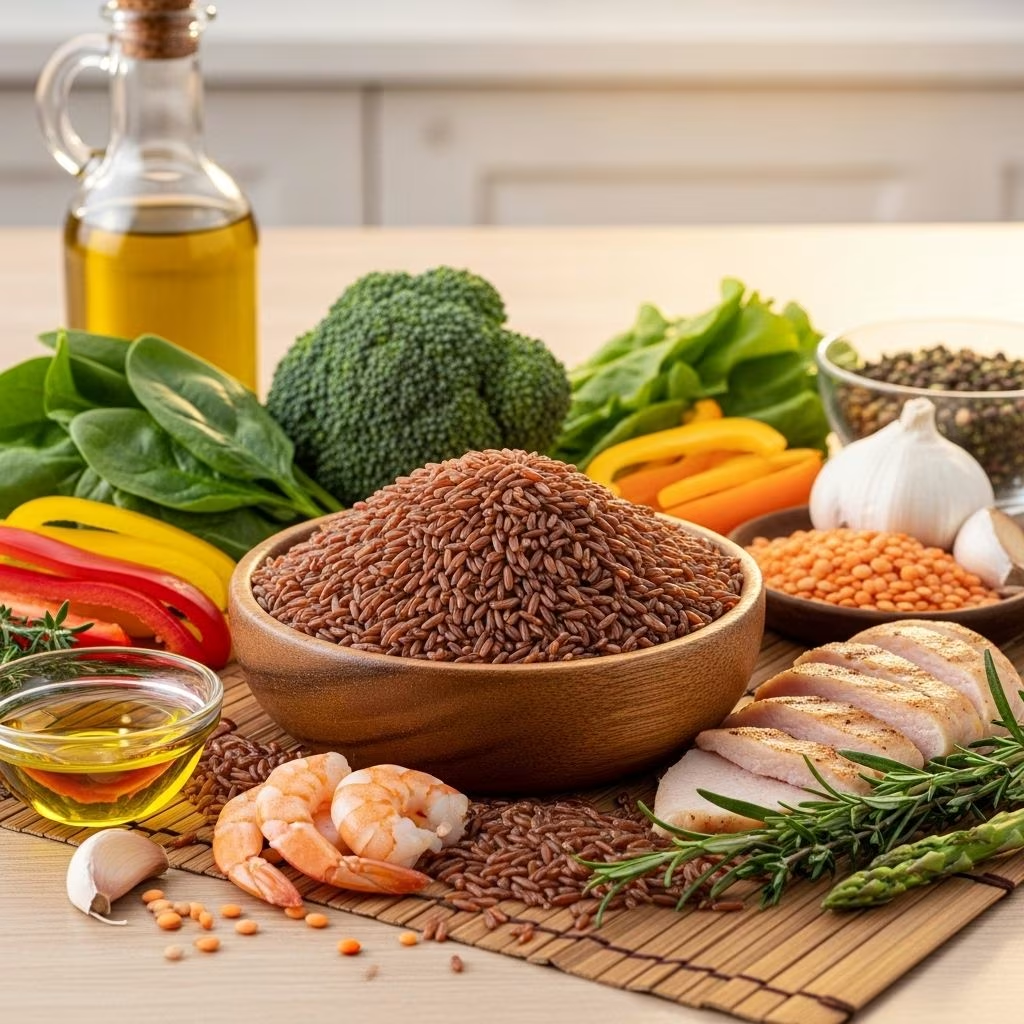
Overview: What Is Red Rice?
Red rice is a visually striking whole grain rice variety distinguished by its deep red hue, which is a result of the presence of anthocyanins—natural antioxidants also found in red and purple fruits and vegetables. Unlike white rice, red rice is minimally processed, retaining its bran layer and germ, providing more fiber and micronutrients. Several varieties exist globally, such as Himalayan red rice, Thai red rice, and Bhutanese red rice, each offering subtle differences in taste and texture. Red rice has a nutty flavor and chewy texture that lends itself well to whole-grain baking and savory cooking.
Nutrition Profile of Whole Grain Red Rice
Red rice’s nutrition profile sets it apart as one of the most nourishing whole grains available. Below is an overview of key nutrients found in 100 grams of cooked red rice:
| Nutrient | Amount (per 100g, cooked) | Benefit |
|---|---|---|
| Calories | 110–130 kcal | Energy for body functions |
| Protein | 5.5 g | Supports muscle growth & repair |
| Dietary Fiber | 1.8–6.2 g | Improves digestion, satiety |
| Iron | 1–1.5 mg | Supports hemoglobin formation |
| Magnesium | 30–40 mg | Regulates muscle and nerve function |
| Manganese | 0.9–1.2 mg | Antioxidant defense & metabolism |
| Anthocyanins | High | Powerful antioxidant protection |
Compared to white and brown rice, red rice provides considerably more fiber and up to ten times the antioxidant content as brown rice, primarily due to anthocyanins and flavonoids like quercetin and myricetin.
Health Benefits of Red Rice
- High in Antioxidants: Anthocyanins combat oxidative stress, lowering the risk of heart disease, cancer, and premature aging.
- Improved Digestive Health: High dietary fiber supports bowel regularity, eases symptoms of constipation, and promotes a healthy gut microbiome.
- Blood Sugar Regulation: A lower glycemic index (GI 55–68) helps prevent rapid spikes in blood sugar, making red rice suitable for people with diabetes or those managing blood sugar.
- Weight Management: Fiber content increases satiety, curbs hunger pangs, and supports healthy weight loss by making you feel fuller.
- Heart Health: Red rice helps reduce bad cholesterol (LDL), supports healthy blood pressure, and lowers cardiovascular disease risk.
- Bone Health: Magnesium and calcium content support strong bones, helping to prevent conditions like osteoporosis.
- Support for Breathing and Asthma: Magnesium regulates breathing patterns and can benefit those with asthma.
- Improvement in Skin and Anti-Aging: Antioxidants and micronutrients delay signs of aging and promote healthy skin.
Baking Uses: How to Use Red Rice in Baked Goods
Red rice is a versatile ingredient that adds nutrition, color, and complex flavor to baked goods. Its nutty, earthy profile and chewy texture enrich recipes with whole grain goodness. Here’s how it can be used:
- Red Rice Flour: Ground red rice can replace a portion of wheat flour in breads, muffins, pancakes, and cookies for a fiber-rich, moderately gluten-free option.
- Whole or Cooked Grains: Cooked red rice adds texture and visual appeal to artisan breads, nutrient-dense granola bars, and rice-studded cakes or loaves.
- Crackers & Flatbreads: Blend red rice flour with other whole grain flours to create hearty crackers or flatbreads with improved nutritional value.
- Gluten-Free Baking: Use red rice flour in combination with other gluten-free flours for cakes, muffins, and brownies, suitable for gluten-sensitive individuals.
- Energy & Snack Bars: Incorporate puffed or cooked red rice into homemade granola bars or energy bites.
Baking Tips:
- Due to red rice’s higher fiber, baked goods may require additional moisture (milk, yogurt) or a slight increase in leavening agents.
- Combine with other whole grains (oats, millet, quinoa) for nutritional synergy and flavor complexity.
- To retain softness, use a blend of red rice flour and regular flour (30–50% replacement ratio recommended).
- For chewy bread, add cooked red rice grains to dough for texture and extra fiber.
Red Rice Substitutes: Options for Baking and Cooking
If red rice is unavailable or you want a different texture or flavor, consider these substitutes for baking and cooking:
| Substitute | Texture | Flavor | Nutrition Comparison |
|---|---|---|---|
| Brown Rice | Chewy | Nutty | Similar fiber; lower antioxidants |
| Black Rice | Sticky, chewy | Earthy, mild | High in anthocyanins; nutrient-rich |
| Wild Rice | Firm, chewy | Robust | High protein; gluten-free |
| Quinoa | Fluffy or crunchy | Mild | Complete protein; gluten-free |
| Barley | Slightly chewy | Mild, slightly sweet | High fiber; contains gluten |
For flour substitutes in baking, sorghum, millet, and oat flours are also good choices if seeking to replace some or all of the red rice flour.
How to Cook & Prepare Red Rice
Red rice requires longer cooking times and special preparation to bring out its full flavor and texture, making it ideal both for direct consumption and for inclusion in baked goods:
- Rinse: Wash thoroughly to remove excess starch and any debris.
- Soak: Soak for 30–60 minutes to shorten cooking time and improve digestibility.
- Cook: Use 2–2.5 cups water per 1 cup red rice. Simmer covered for 40–45 minutes until tender.
- Cool Down: For best baking results, cool the cooked red rice before mixing into batter or dough.
- Storing: Keep cooked red rice in the refrigerator for up to 5 days. Use leftover rice for adding to bread, muffins, or energy bars.
Pro Tip: Soaking and reheating red rice after cooling may enhance its resistant starch content, supporting improved blood sugar regulation and fostering healthy gut flora.
Red Rice vs. White & Brown Rice: Nutritional Comparison
The table below compares red rice with white and brown rice for fiber, protein, and antioxidants per 100g:
| Type | Fiber (g) | Protein (g) | Antioxidants | Glycemic Index |
|---|---|---|---|---|
| Red Rice | 6.2 | 5.5 | Very High | 55–68 |
| Brown Rice | 3.1 | 2.6–3.5 | Moderate | 68–72 |
| White Rice | 2.1 | 2.4–2.8 | Low | 73–83 |
Key Takeaways: Red rice has significantly more fiber and antioxidants than both white and brown rice, plus a lower GI, making it a better choice for blood sugar management.
Frequently Asked Questions (FAQs)
Q: Can red rice flour be used as a total replacement for wheat flour?
A: Red rice flour can be used on its own for gluten-free baking but works best as a partial flour (30–50%) replacement, especially in yeast-based recipes, to avoid density and dryness.
Q: Is red rice suitable for people with diabetes?
A: Yes, due to its lower glycemic index and higher fiber content, red rice is recommended for people managing diabetes, but portion control is important.
Q: Does red rice have gluten?
A: No, red rice is naturally gluten-free and safe for those with gluten sensitivity or celiac disease.
Q: How is the flavor of red rice different from other rice types?
A: Red rice has a nuttier, earthier taste with a chewy texture, making it stand out in both savory dishes and baked goods.
Q: Can I use leftover cooked red rice in baking?
A: Yes, cooled cooked red rice can be added to breads, muffins, and energy bars to boost fiber and nutrition.
Conclusion
Whole grain red rice is a nutritional powerhouse valued for its fiber, antioxidants, and health-promoting characteristics. Its unique taste and versatility make it an excellent addition to baked goods, from wholesome breads to energy bars and gluten-free treats. If you’re seeking alternatives, options like brown, black, and wild rice can also provide nutrition and textural variety. Overall, integrating red rice into your cooking and baking not only lifts the health profile of your meals but brings a visually appealing twist to traditional recipes.
References
- https://www.signos.com/foods/red-rice-glycemic-index
- https://puripangan.co.id/health-benefits-of-red-rice-and-black-rice/
- https://www.vively.com.au/post/red-grain-rice-is-it-healthy
- https://www.healthshots.com/healthy-eating/nutrition/7-health-benefits-of-red-rice/
- https://www.sunlee.com/news/red-rice-the-choice-of-better-health/
- https://switchtowholegrains.com/red-rice/
- https://pharmeasy.in/blog/ayurveda-uses-benefits-side-effects-of-red-rice/


