


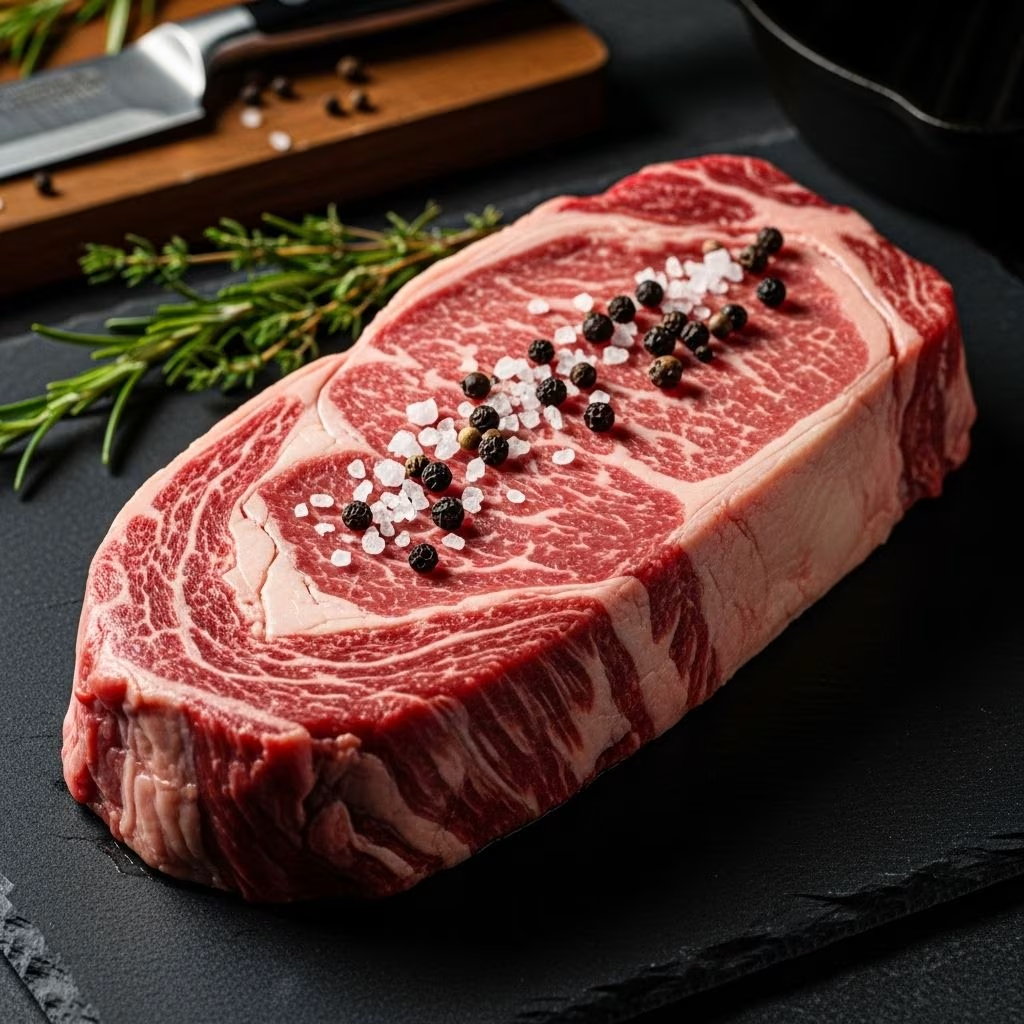
The ribeye steak is universally celebrated for its sumptuous flavor, robust marbling, and melt-in-your-mouth texture. Sought after by gourmets and home cooks alike, ribeye sits proudly among the most cherished beef cuts. This comprehensive guide explores what makes ribeye unique, why it’s adored, its nutritional profile, various uses, and how best to select and prepare it for a world-class dining experience.
What Is Ribeye Steak? Origins and Anatomy
The ribeye steak is a premium cut derived from the rib section (ribs 6 through 12) of the beef animal. This region is prized for its balance of muscle and fat, which gives ribeye its signature tenderness and depth of flavor.
Alternative names for ribeye include entrecôte, Scotch fillet, beauty steak, and Delmonico steak. The anatomical location comprises mainly the longissimus dorsi muscle, sometimes retaining portions of the spinalis dorsi (the “cap”) and the complexus muscle. These muscles, shielded from excessive use, remain tender, rendering the meat especially succulent.
- Cut Location: Rib section (ribs 6-12) along the upper ribcage
- Main muscle: Longissimus dorsi; sometimes spinalis dorsi and complexus
- Other names: Entrecôte (France), Scotch fillet (UK, Australia), beauty steak, Delmonico steak
- Variants: Bone-in, boneless, Tomahawk, Cowboy steak
This location, with its moderate activity, results in minimal connective tissue and a high proportion of intramuscular fat, or marbling, crucial for the characteristics that make ribeye exceptional.
Unique Characteristics: Marbling, Flavor, and Texture
Marbling is the premier hallmark of ribeye steak. The white streaks and flecks of fat woven throughout the muscle fibers create an internal ‘basting’, melting during cooking to impart richness and keep the meat moist. The unrivaled marbling directly relates to several defining attributes:
- Juiciness: Fat content prevents the steak from drying, producing a succulent, almost buttery bite.
- Flavor: Rendered fat carries intense beef flavors; the ribeye is revered for its complex, bold, and beef-forward profile.
- Tenderness: Minimal connective tissue and generous fat contribute to a soft, yielding texture easy on the palate.
- Visual appeal: The “eye” or central muscle, surrounded by the cap and rich marbling, produces a dramatic and appetizing appearance – especially when served bone-in or as a Tomahawk.
Steakhouses often highlight ribeye’s signature marbling, ensuring it stands out on any menu or dinner table.
Nutritional Benefits of Ribeye Beef
While ribeye is renowned for its flavor, it boasts impressive nutritional strengths:
- High in protein: Essential for muscle repair and maintenance.
- Rich in B vitamins: Particularly vitamin B12, vital for nerve function and energy metabolism.
- Source of minerals: Iron (required for red blood cells), zinc (immune support), phosphorus, and selenium.
- Contains “healthy” fats: Includes monounsaturated fats, which may support heart health when eaten in moderation.
However, ribeye is higher in saturated fat and calories compared to leaner cuts. As with all red meat, moderation is recommended as part of a balanced diet.
| Nutrient (per 100g cooked) | Amount* |
|---|---|
| Calories | ~250–300 kcal |
| Protein | ~25–28 g |
| Total Fat | ~20–23 g |
| Saturated Fat | ~8–10 g |
| Iron | 2.5 mg |
| Zinc | 5 mg |
| Vitamin B12 | 2.5 mcg |
Culinary Uses: Cooking Methods and Recipes
Ribeye’s culinary versatility and forgiving nature make it a favorite for a wide range of both classic and innovative preparations:
- Grilling: The top choice for bringing out the cut’s smoky, caramelized crust while keeping the interior juicy. High heat and careful monitoring are essential.
- Pan-searing: A simple method that, with a cast-iron skillet, allows for a deep, golden-brown sear and intensified beefy notes.
- Braising and broiling: Suitable for thicker or bone-in cuts, enhancing tenderness and depth of flavor.
- Reverse-searing: Slow heat followed by a quick finish at high temperature for even doneness and perfect crust.
- Roasting: A whole ribeye roast (prime rib) makes a showstopping centerpiece for celebrations.
Ribeye can be enjoyed in varying degrees of doneness, though many chefs and enthusiasts recommend medium-rare to medium to achieve the most succulent, flavorful result. Due to its rich marbling, the steak remains tender even with longer cooking, though overcooking can melt away too much fat, diminishing its star qualities.
Serving Suggestions
- Simple seasoning with salt and pepper highlights ribeye’s natural beefy flavors.
- Rest the steak after cooking to allow juices to redistribute.
- Pair with bold sides such as roasted potatoes, garlic mushrooms, or a fresh chimichurri sauce.
- For visual impact, serve bone-in versions (Cowboy or Tomahawk) on a wooden board.
How to Choose and Store the Perfect Ribeye
Quality selection is vital for maximizing flavor and enjoyment. Consider these factors when purchasing ribeye:
- Marbling: Ample, even strands and flecks of white fat dispersed throughout the muscle – more marbling translates to rich taste and moist texture.
- Color: A fresh ribeye should be bright cherry-red; avoid dull, brownish, or dry patches.
- Surface: Smooth, moist, and slightly velvety. Not sticky, slimy, or overly wet.
- Thickness: Optimal steaks are 1 to 1.5 inches thick, while showstopper steaks (Cowboy or Tomahawk) can be even thicker.
- Origin & Grade: Certification such as USDA Prime, Wagyu, or Angus can indicate higher marbling and tenderness. Grass-fed beef has a different, often leaner profile.
When possible, buy from a reputable butcher who can guide you to the best cut, grade, and aging method. Dry-aged ribeyes, though pricier, provide concentrated flavor and extra tenderness.
Storage Tips
- Use within 3–5 days of refrigeration for optimal freshness.
- Freeze well-wrapped ribeye for up to 6 months; thaw slowly in the refrigerator before use.
Variants: Bone-In, Boneless, Tomahawk, and More
Ribeye steaks come in several beloved variants, each offering a unique culinary and visual experience:
- Boneless Ribeye: Easy to cook, classic presentation, and convenient for slicing.
- Bone-In Ribeye: Retains the rib bone, which some chefs believe adds to flavor and insulation during cooking, yielding a juicier steak.
- Tomahawk Steak: A bone-in ribeye with an extra-long cleaned rib bone left intact, creating an impressive, “axe”-like appearance—a showpiece for any table.
- Cowboy Steak: Similar to Tomahawk but with a shorter rib bone; hearty, rustic presentation.
- Prime Rib: A whole ribeye roast (with or without bones)—often featured at festive gatherings.
Ribeye vs Other Beef Cuts: A Comparison Table
| Beef Cut | Source Location | Marbling Level | Main Attributes | Ideal Cooking |
|---|---|---|---|---|
| Ribeye | Rib section (ribs 6–12) | High | Rich, juicy, beefy, tender | Grilling, searing, roasting |
| Sirloin | Back, behind the ribs | Moderate | Lean, slightly firmer, flavorful | Grilling, broiling, pan-frying |
| Filet Mignon | Small end of tenderloin | Low | Super tender, subtle flavor | Grilling, pan-searing |
| New York Strip | Short loin | Moderate | Firm, lean, beef-forward | Grilling, broiling |
| Porterhouse | Short loin (includes tenderloin & strip) | Varied | Meaty, combines strip & tenderloin | Grilling |
Ribeye’s generous marbling and tender texture set it apart as the quintessential steak lover’s choice, particularly for those who savor rich, beefy flavors and luxurious mouthfeel.
Frequently Asked Questions (FAQs)
Q: What makes ribeye steak more flavorful than other cuts?
A: The extensive marbling of fat in a ribeye dissolves during cooking, carrying beefy flavors throughout the meat and providing outstanding tenderness compared to leaner cuts.
Q: How should I cook a ribeye for the best results?
A: High, direct heat methods like grilling or pan-searing develop a flavorful crust while preserving a juicy center. Avoid overcooking to maximize tenderness and taste.
Q: Is ribeye steak healthy?
A: Ribeye provides protein, iron, and essential vitamins but is higher in saturated fat and calories. It can be part of a balanced diet when enjoyed in moderation.
Q: What is the difference between bone-in and boneless ribeye?
A: Bone-in ribeye often retains more juiciness when cooking and adds drama to presentation, while boneless versions are easier to handle and slice. The flavor difference is subtle and debated among steak enthusiasts.
Q: Can ribeye be cooked well-done?
A: While ribeye’s marbling helps retain moisture, cooking well-done will reduce juiciness and softness. Medium-rare to medium is generally considered optimal for this cut.
For more tips, inspiration, and trusted beef knowledge, consult expert butchers or reputable culinary sources. Ribeye’s unmatched flavor and texture promise an unforgettable meal, whether for weeknight dinners or special occasions.
References
- https://parkercountybeefcompany.com/blogs/news/what-is-a-ribeye-steak-a-guide-to-one-of-beefs-most-luxurious-cuts
- https://meatking.hk/blogs/recipes/king-ribeye-steak-guide
- https://www.charbroil.co.uk/how-tos/rib-eye
- https://plumcreekwagyubeef.com/blogs/news/decoding-the-ribeye-what-makes-it-a-favorite-cut
- https://wagyeria.com/blogs/news/a-comprehensive-guide-to-beef-cuts-and-their-characteristics
- https://www.allenbrothers.com/article/what-is-a-ribeye-steak/bg0008
- https://en.wikipedia.org/wiki/Rib_eye_steak


